Physical Address
304 North Cardinal St.
Dorchester Center, MA 02124
Physical Address
304 North Cardinal St.
Dorchester Center, MA 02124

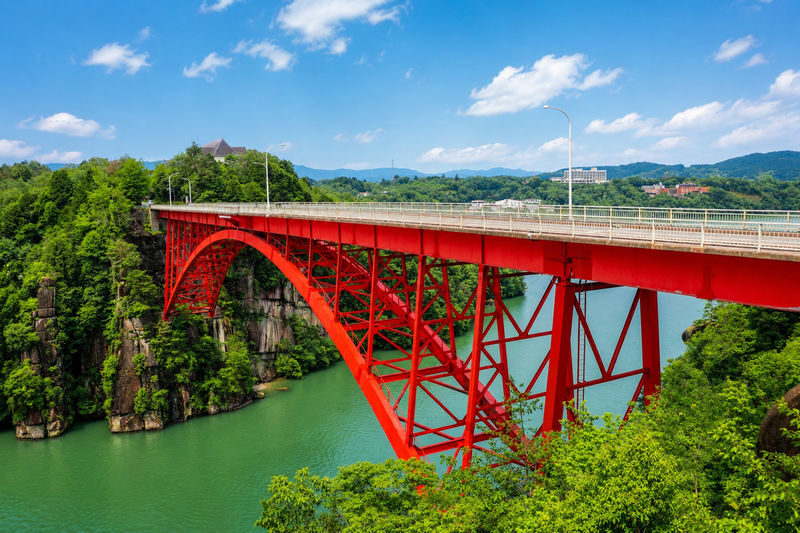
Visit Eiho-ji Temple, two gorges, and Magome and Tsumago on a guided day trip from Nagoya, with transport handled for you.
Magome-juku and Tsumago-juku are the heart of this day out: two old post towns where you can walk streets with an Edo-period feel, then compare their different moods. I like that the tour pairs these historic villages with Eiho-ji Temple and two gorge stops, so the day is not all shops and old streets. I also like the practical help a good guide can offer, from maps and meeting reminders to lunch suggestions.
The trade-off is time. Five named stops make for a full day, and the village visits may feel short if you want to linger, shop, or walk a longer section of the Nakasendo route. The tour is best for a first look, not an unhurried hiking day.
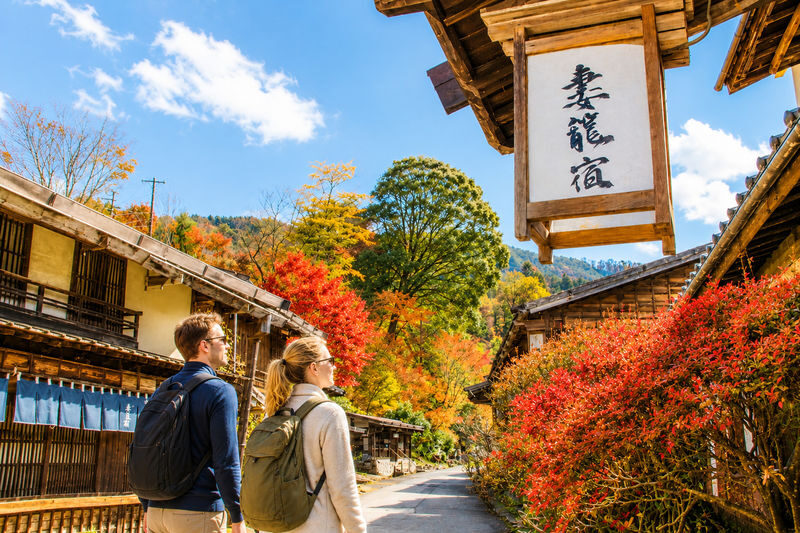
This outing trades the freedom of a self-planned trip for a simple proposition: board in Nagoya, let someone else handle the transport, and see several parts of Gifu Prefecture in one day. The mix is appealing. You have a Buddhist temple, gorge scenery, and two historic post towns, each offering a different reason to get off the bus.
The price starts at $55.75, which can be good value if you would otherwise need to coordinate multiple transport legs. It is not a bargain if your main goal is spending hours on foot in Magome and Tsumago, because the same tight schedule that makes the route possible also limits how long you can linger.
The experience is rated 4.7 out of 5 from 508 ratings. That high score fits the tour’s strongest points: convenient transport, scenic stops, and guides who often make the day easier with maps, time reminders, and local food suggestions. But the day depends on how well the schedule is managed, and not every guide provides the same level of commentary.
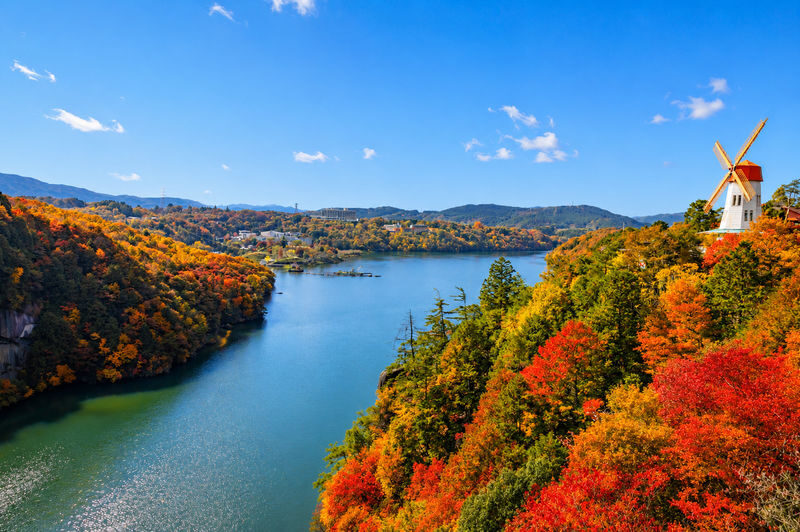
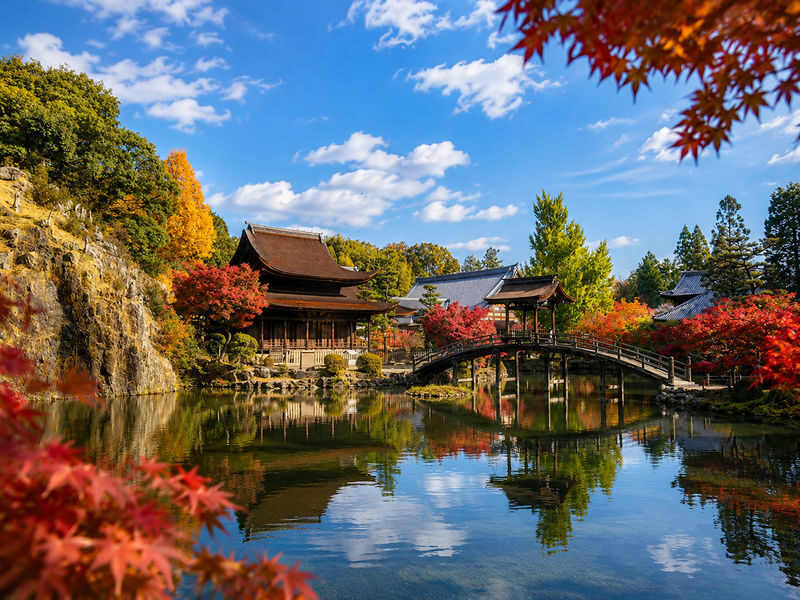
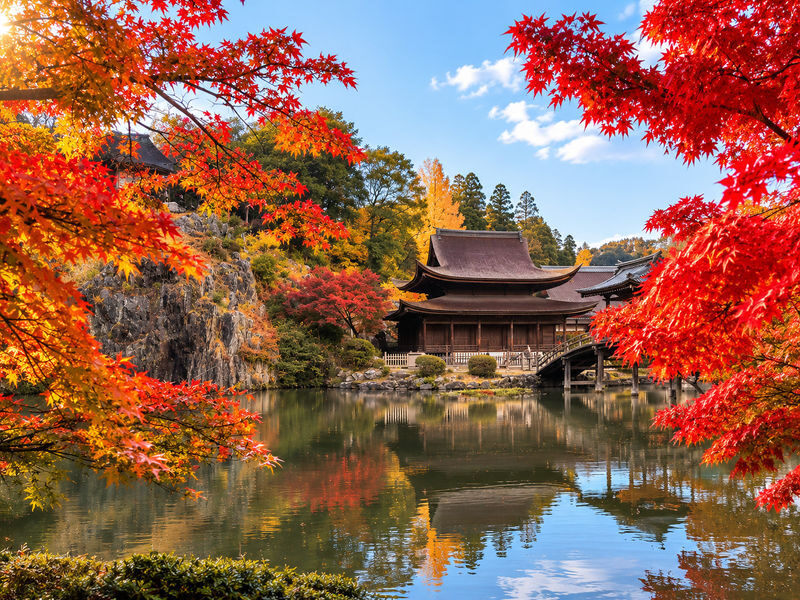
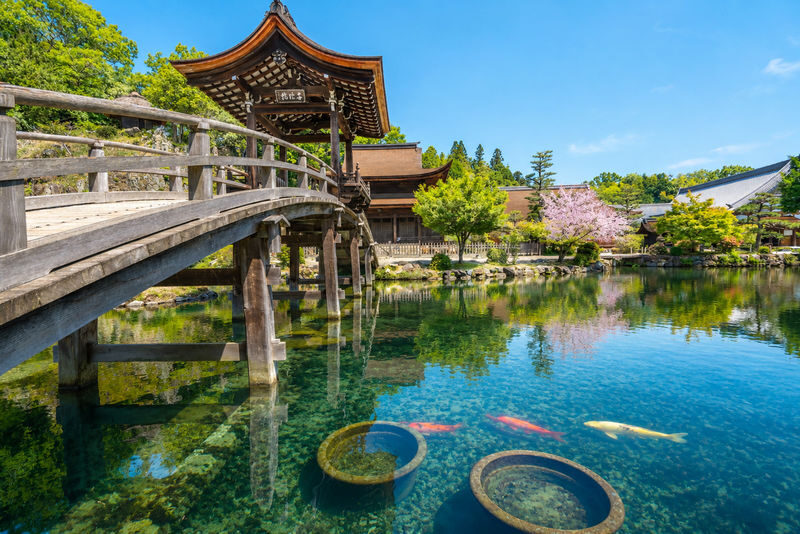
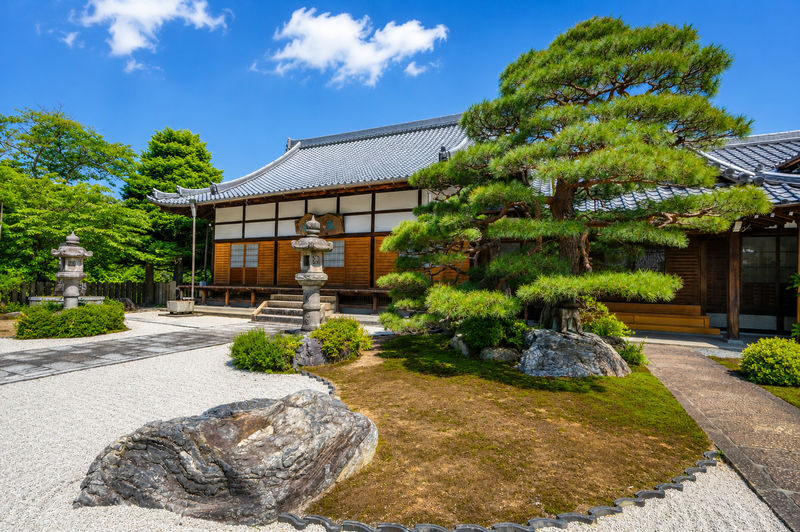
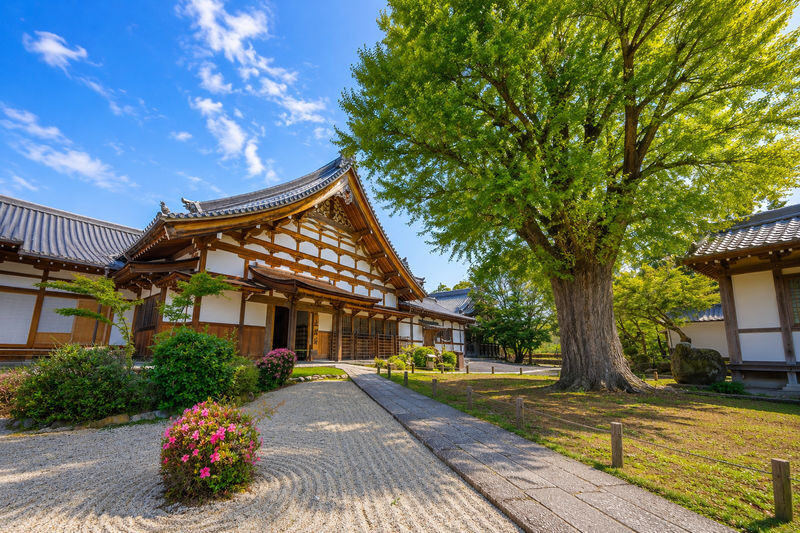
Kokeizan Eiho-ji Temple gives the day a calm counterpoint to the road trip and the more visitor-filled streets of the post towns. The temple is in Tajimi, in Gifu Prefecture, and is repeatedly described as beautiful and peaceful. If you like religious sites for their atmosphere as much as their history, this may be one of the most rewarding stops.
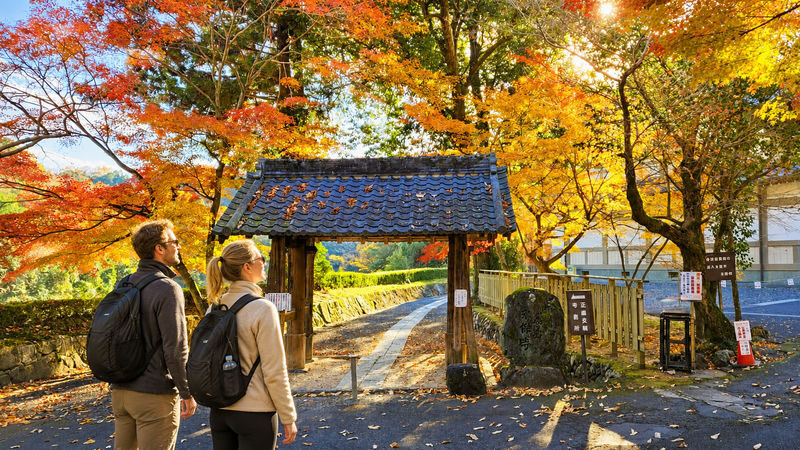
The temple can also be especially appealing in autumn, when the grounds are expected to look particularly fine amid fall colors. That is a seasonal possibility rather than a guarantee, of course. Spring, summer, and rainy days each bring their own conditions, so bring suitable clothing and be ready for the weather to shape your visit.
This stop is also useful for the rhythm of the day. After time on the bus, a temple visit lets you slow down and take in a distinct setting before the more active village walks. If you are hoping for a long, formal temple tour, check what is included before booking; the experience may emphasize a visit and guide commentary rather than an extended guided program.
Oboke Gorge and Ena Gorge bring natural scenery into an itinerary otherwise anchored by cultural sites. The tour information does not spell out a specific activity at either gorge, so think of these as scenic stops rather than assuming a boat ride, hike, or other excursion is included. Ena Gorge, in particular, has been described as a pleasant place to take in the views.
The value of a gorge stop depends on what you want from the day. If you like variety and want more than historic streets, these breaks make the route feel broader. If you would rather spend every spare minute in Magome and Tsumago, you may see the gorge visits as time taken from the villages. Some people have felt Ena Gorge was less compelling than the other stops, while others appreciated the scenery.
That is the main itinerary choice to understand before you book. This is a sampler, not a walking tour devoted to one place. The stops give you a taste of temple architecture, natural scenery, and historic town life, but you should not expect unlimited time at any one site.
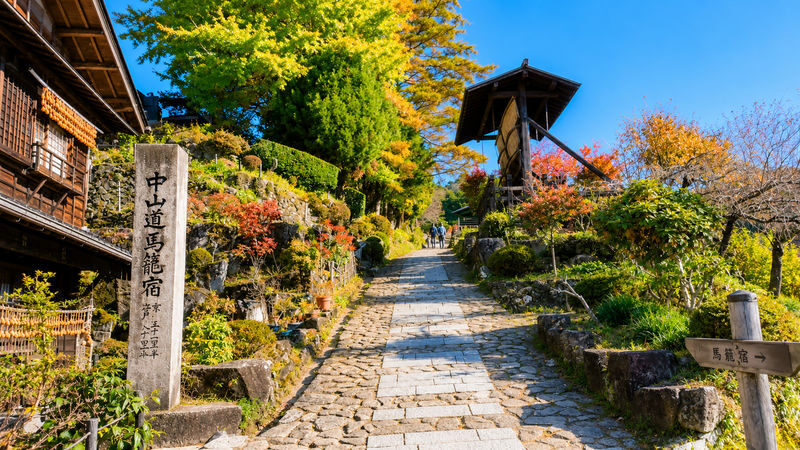
Magome-juku is one of the two historic post towns on the route, and it is often the busier of the pair. Its preserved streets make it easy to picture the old travel corridor and the role these towns once played in journeys through the region. The attraction is not just a row of old buildings: it is the chance to walk through a place with a strong sense of its earlier purpose.
You will have time to explore, but the stop is not designed for a slow, aimless afternoon. Visitors who want to browse shops, take photographs, eat, and follow the old route all at once may need to choose their priorities. A guide who offers a map and points out useful places can help you make quick decisions.
Lunch planning matters here. Some guides have helped arrange meals ahead of arrival, which can save time in a packed schedule. If food is important to you, ask what is included and whether you will be choosing and paying for your own meal. One caution from the tour experience is that a recommended meal may be prepared in advance and arrive cold, so you may prefer to decide for yourself rather than count on a particular restaurant arrangement.
Tsumago-juku brings a quieter mood to the pair. The old street and preserved town setting are a draw in their own right, and its more peaceful feel may appeal if you want to take in the architecture without the same level of foot traffic as Magome. It is the sort of stop where a few extra minutes can make the visit feel more satisfying.
But the clock can be the rub. The allotted time has felt too brief for some people to walk the full street, while others found the schedule adequate. Your experience will depend on pace, mobility, and whether you plan to shop or stop for food. If you want a long stroll, it is wise to treat this tour as an introduction and consider returning independently another time.
The Nakasendo connection may tempt you to walk between Magome and Tsumago. That is a different kind of day from the standard bus itinerary. One visitor who hoped to do the route noted that they would try the walk on a future visit, so do not assume the tour includes a full trail walk. Confirm the current arrangements before booking if this is your priority.
The strongest guide experiences go well beyond telling you when to return to the bus. Yu, Xiao Yu, Yukino, Vivian, and other guides have been praised for clear explanations, maps, local recommendations, and help with meal planning. Some have shared information in more than one language, including Chinese, English, and Japanese, though you should confirm the language offered on your departure rather than assume a particular guide.
Practical details can make a big difference when you have several stops. A printed map can help you find food, toilets, and points of interest without spending precious time figuring out where to go. Meeting reminders sent by Line have also helped people keep track of the schedule. On the other hand, the guide’s role can vary: some days offer detailed context, while others may focus mostly on logistics.
A helpful guide is especially valuable if you do not speak Japanese or are uncomfortable ordering food and navigating unfamiliar towns on your own. If you are an independent visitor who prefers to research the history and roam without a group, you may find the guide less essential. The tour’s core convenience is still the transport.
These stops are not as simple to combine by public transport as a city itinerary, which is why the bus is a central part of the value. You can rest between locations instead of spending the day working out connections. The bus has been described as clean and comfortable, although smaller groups may sometimes travel in a mini-bus that feels cramped.
The day runs on a group timetable. A careful driver and clear meeting instructions help keep it smooth, but a late return from a stop affects everyone. Arrive at the meeting point on time, and listen for the return instructions before heading off. If you have a health concern that affects where you sit, raise it early and directly; seat arrangements may not follow a first-come, first-served system.
There is some disagreement about how much time the villages receive. Several people found the itinerary well paced, while others wanted longer in Magome or Tsumago. That difference makes sense: a quick walk and a sit-down meal use time very differently from a focused stroll. The tour suits you best if you are willing to pick a few priorities at each stop.
The temple and gorge scenery can be lovely in different seasons, and autumn foliage is a particular draw at Eiho-ji. Yet this is an outdoor-heavy day, so heat and rain can affect how much you enjoy it. In summer, the walk through the towns may feel tiring in high temperatures. In rain, a good guide can help keep you informed, but you will still want weather-appropriate clothing.
Crowds also vary by place and timing. Magome can draw more visitors, while Tsumago may feel quieter. The temple has been described as less crowded than the towns, which can make it a welcome pause. If you are hoping for solitude, no one can promise an empty street, but this route does offer a mix of busy and calmer stops.
I would choose this tour if I wanted to see several regional highlights without driving or piecing together transport. It is a particularly practical option for first-time visitors based in Nagoya, solo visitors who want a structured day, and anyone who values a guide’s help with maps, local context, and meal decisions.
I would think twice if I wanted to hike the full Nakasendo section, spend hours browsing each town, or set my own pace. A private car or a longer independent visit gives you more control, but it also puts the transport planning on you. At $55.75 and up, the tour makes most sense as a convenient overview, not as a substitute for a slow visit to the post towns.
Free cancellation is available for a full refund if you cancel at least 48 hours before the activity date, using the destination’s local time. Check the booking details for the exact meeting arrangements, departure language, and what is included in your chosen package.
“tour guide YU was very helpful and so nice 😊”
The tour is from Nagoya. The exact meeting point is not specified in the information provided, so check your booking details.
The package names Kokeizan Eiho-ji Temple, Oboke Gorge, Ena Gorge, Magome-juku, and Tsumago-juku.
The starting price is $55.75. The final price may depend on the option you select.
It has a rating of 4.7 out of 5, based on 508 ratings.
Yes. The experience is a day tour from Nagoya, and the itinerary uses a tour bus or, on some departures, a mini-bus.
The information provided does not confirm that lunch is included. Guides may offer restaurant suggestions or help arrange a meal, but check your package details.
The package lists visits to both towns, but it does not confirm that the walking route between them is included.
Some guides have provided explanations in Chinese, English, and Japanese. The language available on a specific departure is not confirmed, so check before booking.
You can receive a full refund if you cancel at least 48 hours before the activity date, using the destination’s local time.
The tour covers several stops in one day, so time at each location is limited. If you want a long walk or an unhurried visit to the postal towns, an independent trip may suit you better.