Physical Address
304 North Cardinal St.
Dorchester Center, MA 02124
Physical Address
304 North Cardinal St.
Dorchester Center, MA 02124

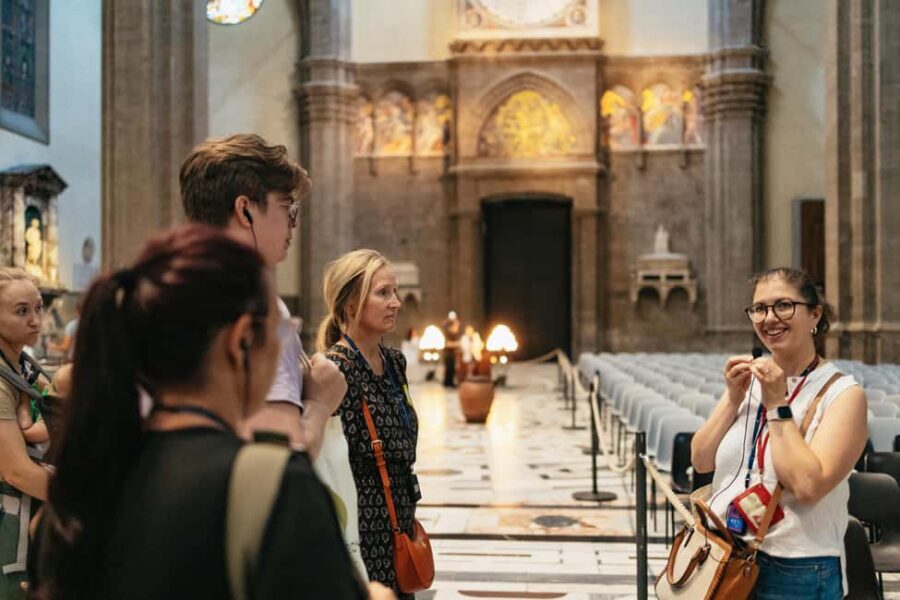
See Michelangelo’s David, Florence’s Duomo monuments and historic center on a three-hour guided walk, with skip-the-line Accademia entry.
Michelangelo’s David is the star, but this three-hour walk gives you a useful way to connect the sculpture to the city that made it. You’ll see the Accademia, the Duomo complex and Florence’s central squares with a licensed guide, then finish at Ponte Vecchio.
I like two things in particular: pre-reserved entry helps you spend less time sorting out tickets, and the guide links art to the Medici rivalries and city politics that shaped Florence. The small-group format and headsets also make it easier to hear explanations in crowded places.
The main caveat is that the tour’s access changes by departure time: afternoon tours enter the cathedral, while morning tours see it from outside. The Bell Tower option is a separate, self-guided climb, and there is no lift.
This tour is built around Florence’s headline sights, but its value lies in the connections between them. You start with Michelangelo’s David, then move through the Duomo complex and the historic center, where a guide can explain how art, religion and political power overlap in the city.
The route begins at the monument to Manfredo Fanti in Piazza San Marco and ends at Ponte Vecchio. It lasts three hours, so expect a brisk walking pace and short visits at several stops rather than long, independent museum time. If you want to spend half a day examining every gallery room, this is not that kind of tour. If you have limited time and want a guided framework for Florence’s central sights, it makes good use of the morning or afternoon.
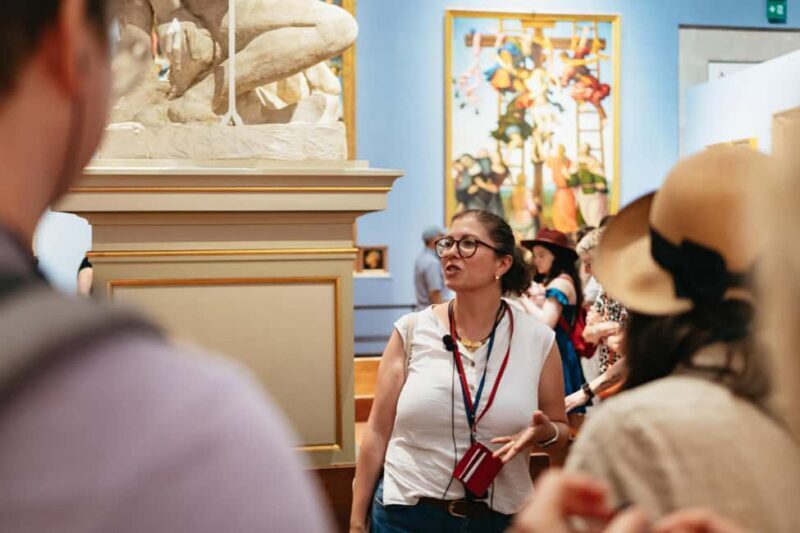
The group uses headsets, a practical advantage in busy squares and galleries. You can listen while keeping a little space from the guide, rather than crowding close to catch every word.
If you prefer having a local expert, these guided Florence experiences could work well
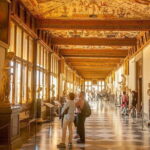
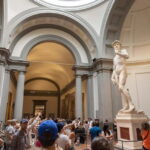
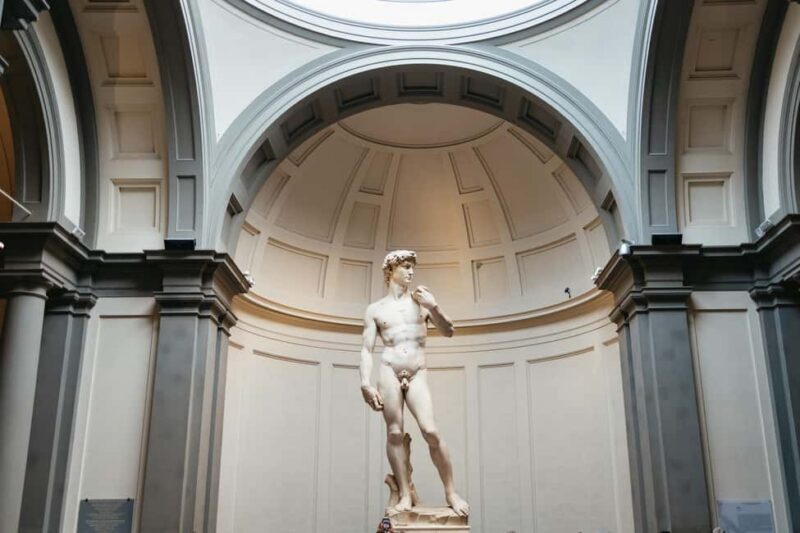
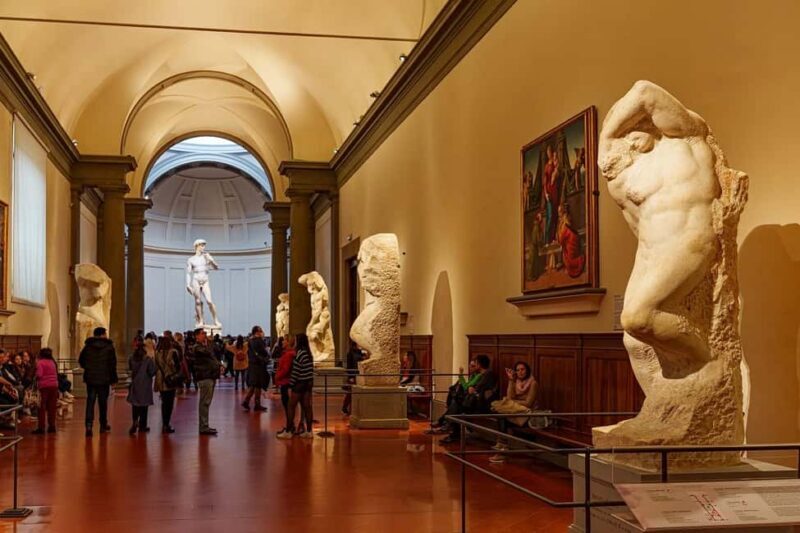
The Accademia visit takes about an hour, with skip-the-line entry through a separate entrance. That should help you avoid the general ticket queue, though pre-reserved access does not always mean walking straight in without any wait. Timed entry and crowd flow still matter, especially at popular hours.
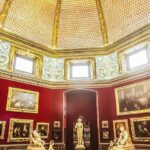
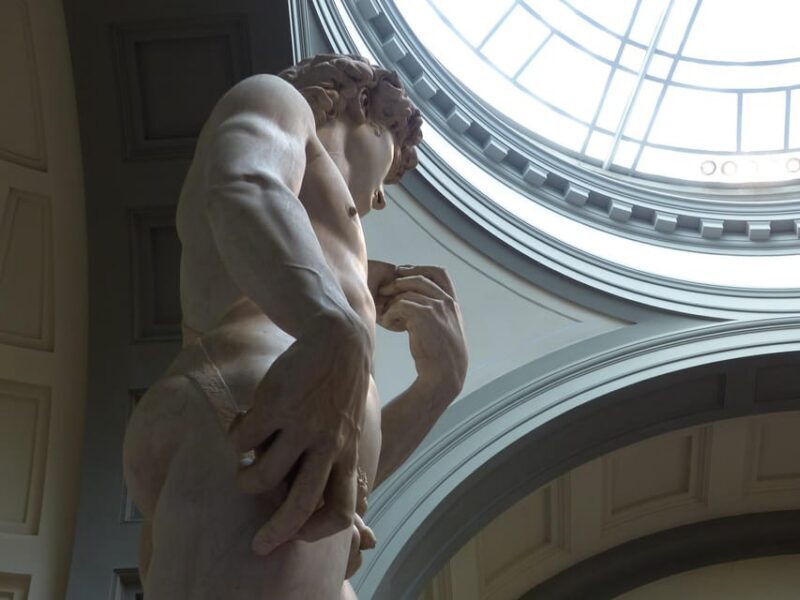
David is more than a famous statue to tick off. Your guide can explain why Michelangelo’s treatment of the biblical figure changed how artists approached the human body and how the work came to represent Florence. Guides such as Helena, Sarah and Eleonora have been praised for making the art clear without burying the group in details. The useful balance is context, then time to look.
You also see other Renaissance works that help place David within a wider artistic moment. Still, the tour gives the Accademia only about an hour. If you want to study the collection at length, plan a separate visit rather than expecting this walk to cover every room.
One practical plus is that guides have allowed time for photographs and helped groups move through the busy gallery in an orderly way. You are not left to work out where to stand or how to keep up while trying to look.
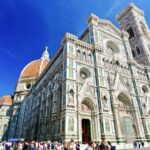
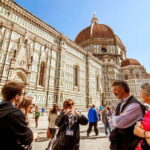
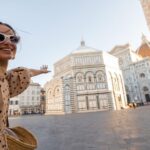
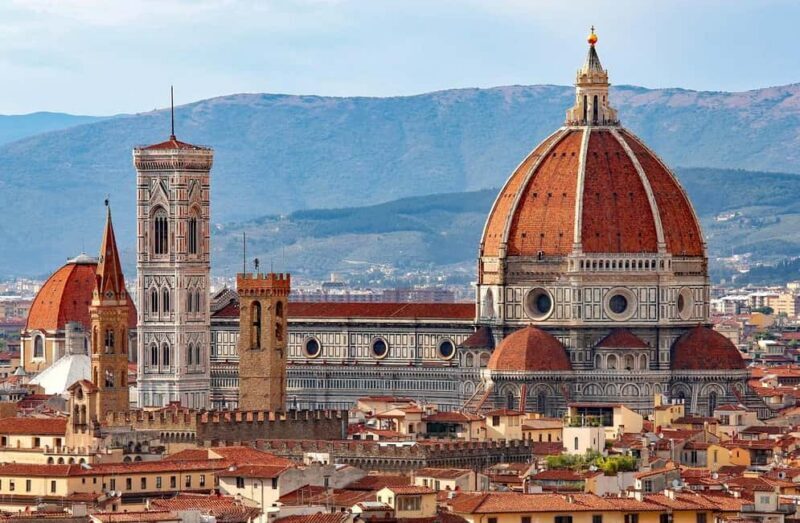
From the Accademia, the route heads to Piazza del Duomo, where the cathedral complex’s scale becomes clear. The guide explains the ambition behind the buildings and how Florence’s wealth and civic pride found expression in marble, sculpture and architecture. This context is useful: the square is easier to read when you understand that its monuments belong to a shared story, not a collection of unrelated photo stops.
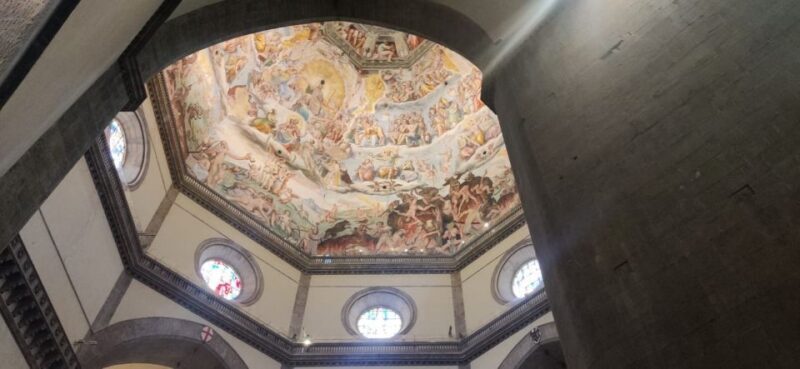
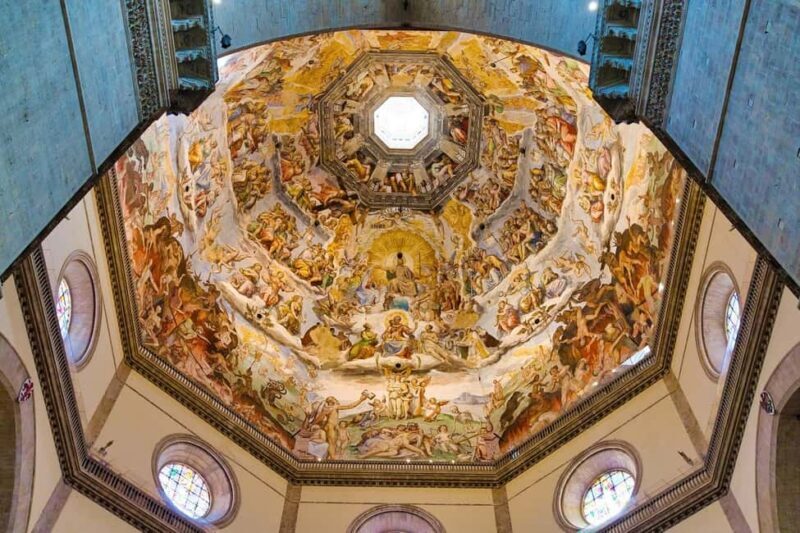
The cathedral visit depends on your departure. Afternoon tours enter the interior, while morning tours focus on the exterior and its marble façade. Cathedral entry is not available on Sundays, and even when it is included, there is no dedicated or reserved entrance for the tour. That distinction matters if you are booking mainly for an inside visit. Check the start time and day carefully, and do not assume the cathedral interior is part of every departure.
The tour also visits the Opera del Duomo Museum, where original sculptures and reliefs offer a closer look at the art made for the cathedral complex. The museum stop is brief, about 15 minutes, so think of it as a guided introduction rather than a full museum visit. It gives you a chance to see works in a setting where you can pay attention to their form and detail, away from the sweep of the piazza.
The Crypt of Santa Reparata is another listed stop, with about 15 minutes for a guided visit. It adds an earlier layer to the Duomo story. Taken together, the cathedral, museum and crypt help you see the complex as a place shaped over time, rather than one grand building completed in a single burst of inspiration.
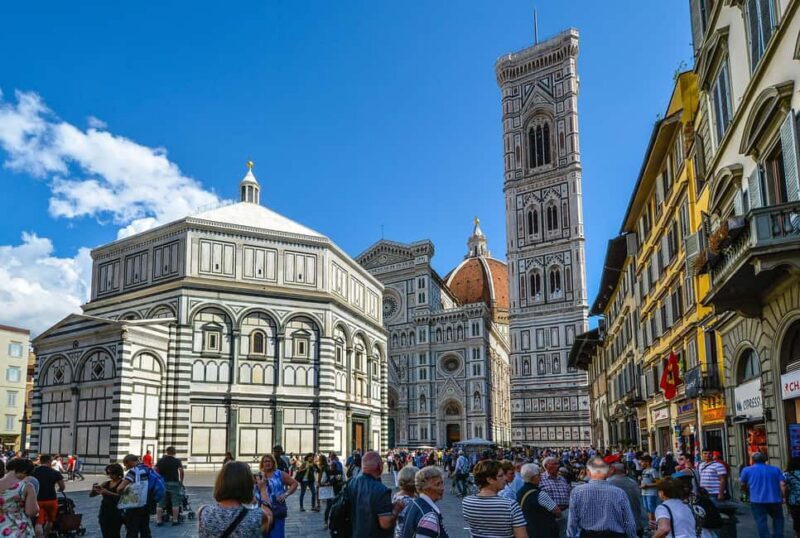
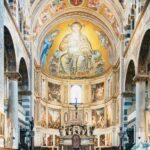
The Baptistery visit lasts around 15 minutes. Look up to see its golden mosaics, then hear how the building and its decoration fit into Florence’s religious and civic life. The famous bronze doors are also part of the story, including the nickname Gates of Paradise.
There is a current wrinkle: restoration work is taking place on the vault’s mosaics. That may affect what you can see overhead, so go expecting an introduction to the Baptistery, not an untouched view of every surface. The short visit is still worthwhile, but it is one of several compact stops in a tightly timed tour.
Pre-reserved tickets and a guided visit take some of the practical work off your hands. The trade-off is time. If the Baptistery’s art is a particular interest, you may want to return independently if your ticket allows and opening arrangements permit. Do not count on the group visit alone for a leisurely look.
More Great Tours Nearby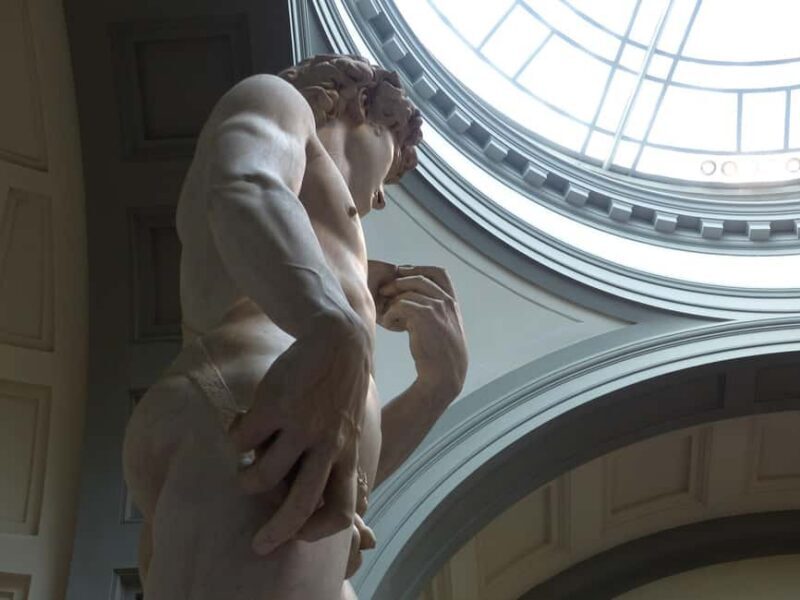
The optional Bell Tower climb is self-guided. Pre-reserved tickets are included for the climb, which you can take at your leisure, and the reward is a broad view over Florence’s terracotta roofs. The tower has no lift, so this is a choice to make based on your comfort with stairs, not just your enthusiasm for a view.
One point deserves care when booking: the included climb is Giotto’s Bell Tower, not the climb to the top of Brunelleschi’s Dome. Those are different structures and different experiences. The product information names the Bell Tower, so do not assume that a Dome climb is included because you see or hear the word Duomo during the tour.
The climb also operates at your own pace rather than as a guided part of the walk. That gives you flexibility, but it means the guide will not be with you explaining the ascent. If heights, stairs or mobility are concerns, skip this option and enjoy the city-level route instead. The tour is not suitable for wheelchair users or people with mobility impairments.
Looking to discover more of Florence? Consider these other city tour options
After the Duomo complex, the walk continues through Piazza della Repubblica, then Piazza della Signoria. These stops put Florence’s political history in view. Piazza della Signoria is an open-air display of Renaissance sculpture, framed by Palazzo Vecchio. Your guide can point out how art and public power met in the city, and why the Medici family and artistic rivalries still matter to the story.
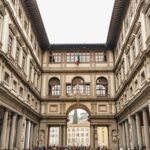
The route passes the Uffizi Gallery, where the guide talks about Medici politics and the artists whose work helped define Florence’s golden age. Passing the museum is not the same as visiting it, so plan a separate ticket and visit if you want to go inside. The guided walk gives you an orientation and a set of stories to carry with you when you return.
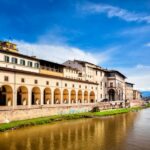
The final stop is Ponte Vecchio, Florence’s oldest bridge. Its shops, goldsmiths and views across the Arno make a fitting end to a route that moves from Renaissance sculpture to the living city. The tour finishes here, leaving you well placed to continue exploring on foot.
At $128 per person, this is not a cheap walking tour. The value depends on whether you would otherwise buy timed tickets, arrange the monuments yourself and hire a guide. The price includes skip-the-line entry to the Accademia, pre-reserved tickets and guided visits for the Duomo Museum and Baptistery, an English-speaking licensed guide, headsets and a three-hour walk. Afternoon departures include cathedral entry, while the Bell Tower ticket is included for a self-guided climb at your leisure.
The guide is the part that turns a sequence of famous sights into a coherent visit. Guides named in feedback, including Helena, Sarah, Andrea, Eleonora and Leonardo, were praised for clear storytelling, good pacing and the ability to keep people engaged. Some have also made the tour work for families by speaking to children as well as adults. A guide’s skill will vary, of course, but the format makes room for questions and explanation in a way a self-guided ticket does not.
The main limitation is depth. You see many places in three hours, but most stops are short. The tour can help you decide where to return, yet it cannot replace a full visit to the Accademia, Uffizi or Duomo Museum. Consider it an efficient introduction, not a complete study of Florence.
Meet at the Manfredo Fanti monument in Piazza San Marco. Look for a guide holding a signboard marked Walks In Europe, and arrive 15 minutes early. The tickets are timed, and you cannot join once the tour has started. Transport to the meeting point is not included.
Wear clothing that meets the cathedral dress code. Shorts and sleeveless shirts are not permitted, and you may be refused entry if you do not comply. A scarf is a handy way to cover your shoulders before going inside. Backpacks, luggage and large bags are also not allowed, so travel light.
This is a walking tour with stairs, uneven city routes and an optional tower ascent. It is not suitable for wheelchair users or people with mobility impairments. The Bell Tower has no lift, and the route moves through crowded places where staying with the group matters. Headsets help you hear the guide, but you still need to keep pace.
The tour is offered in English and lasts three hours. It has free cancellation up to 24 hours in advance, and you can reserve now and pay later. Those terms provide some flexibility, but the more important decision is choosing a departure that matches your priorities: afternoon for cathedral entry, or morning if you prefer an exterior visit and plan to explore further on your own.
Book it if you want a guided first look at Florence’s major sights, value a guide’s explanations, and would rather not arrange several timed admissions yourself. It is especially useful for a short stay, or for the first day of a longer visit when you want the city’s art and history to make sense before exploring alone.
Think twice if you want long, quiet time in museums, need a step-free route, or are mainly seeking a climb to the top of Brunelleschi’s Dome. This tour includes Giotto’s Bell Tower as an optional self-guided ascent, not the Dome climb. For many visitors, the strongest choice is the afternoon departure if entering the cathedral is important, paired with the Bell Tower only if you are comfortable with stairs. That gives you the clearest version of the experience without expecting one three-hour walk to do everything.
“Our guide was extremely friendly and personable. Her passion and interest for the topics she spoke about made the tour even more enjoyable.”
No. Afternoon tours include entry to the cathedral. Morning tours see it from outside, and cathedral entry is not available on Sundays.
No. Cathedral entry is included only on afternoon tours, but there is no reserved or dedicated entrance for the cathedral.
The tour includes skip-the-line entry to the Accademia Gallery and pre-reserved tickets for the Duomo Museum, Baptistery and Giotto’s Bell Tower climb.
No. Giotto’s Bell Tower climb is self-guided and can be taken at your leisure.
No. The included optional climb is Giotto’s Bell Tower. The tour information does not include a climb to the top of Brunelleschi’s Dome.
The guided walking tour lasts three hours. The Bell Tower climb is self-guided and taken at your leisure.
Meet in front of the monument to Manfredo Fanti at Piazza San Marco. The guide carries a Walks In Europe signboard.
Shorts and sleeveless shirts are not allowed. Bring a scarf to cover up if needed, and note that cathedral staff may refuse entry if you do not meet the dress requirements.
No. It is listed as unsuitable for wheelchair users and people with mobility impairments. Giotto’s Bell Tower also has no lift.
You can check availability for your dates here: