Physical Address
304 North Cardinal St.
Dorchester Center, MA 02124
Physical Address
304 North Cardinal St.
Dorchester Center, MA 02124


Skip the ticket-buying lines and explore the Uffizi’s Renaissance masterpieces with a private guide, then walk beside Florence’s Vasari Corridor.
The Uffizi is a museum where a little context goes a long way. In three hours, a private guide helps you find works by Botticelli, Michelangelo and Leonardo da Vinci, while explaining how the Medici family and the Renaissance shaped the collection.
I like two things in particular: reserved entry saves time at the ticket office, and a private guide can shape the conversation around your questions rather than a large group’s pace. Past guides include Remo, Glenda, Deborah and Natalia, though you can’t count on a particular person.
The main drawback is the crowd. Even with fast-track entry, galleries can be noisy and busy, and some visitors have struggled to hear the guide. The tour is also non-refundable, so make sure the date and time suit you before booking.
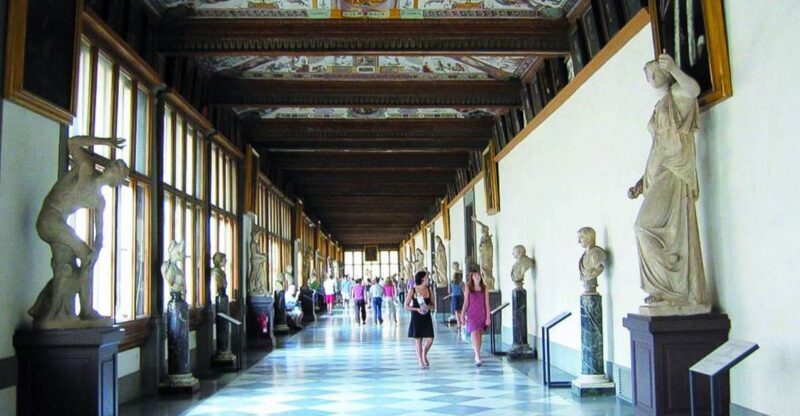
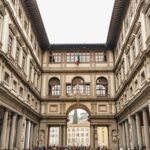
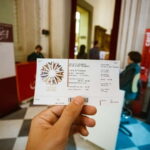
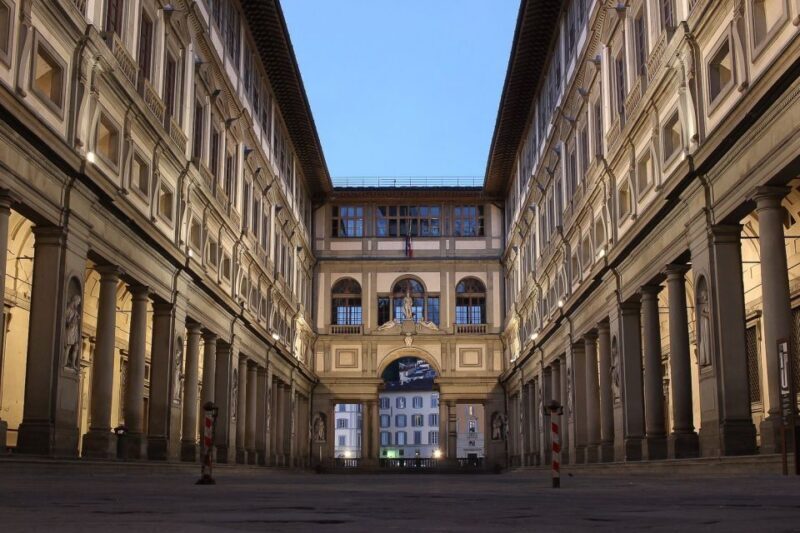
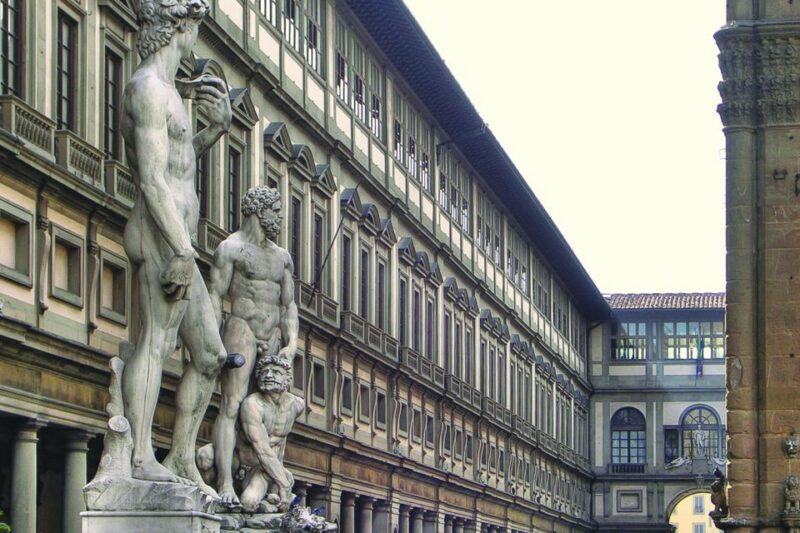
The meeting point is at Piazzale degli Uffizi, by the corner of the Uffizi ticket office and Via Lambertesca, near the Benvenuto Cellini statue. Look for staff in a bright yellow vest marked ACCORD. Arrive 15 minutes early; staff provide your tickets before you enter through Door No. 1.
That early arrival matters. You need to find the right person and get your ticket before the tour starts, and a crowded museum entrance is no place to begin a scavenger hunt. If you’re unsure, use the named statue and yellow vest as your landmarks.
The tour includes a reserved, timed ticket and uses a separate entrance to avoid the ticket-buying and ticket-pickup lines. It does not mean every queue disappears: visitors still have to enter the museum, and crowding can affect the pace once you’re inside.
If you prefer having a local expert, these guided Florence experiences could work well
The guided portion lasts three hours, a useful stretch for an art museum as large and layered as the Uffizi. Rather than trying to cover every room, your guide brings you to major works and gives you a framework for looking at them. You’ll hear about the art, the artists and the Medici family, whose commissions and collecting helped shape the museum’s holdings.
The named works give you a sense of the route’s appeal. Botticelli’s Birth of Venus is one of the collection’s best-known paintings. You’ll also see Leonardo da Vinci’s enigmatic Adoration of the Magi and a work by Michelangelo described as his only masterpiece on wood. These works span different artists and ways of thinking about Renaissance art, and a guide can help you notice the changes instead of treating the rooms as a string of famous names.
Past visitors have praised guides for making difficult art history understandable and lively. Guides associated with the tour include Remo, Glenda, Deborah, Natalia, Francesca and Giacomo. You won’t know in advance which guide you’ll have, but accounts of the experience describe guides who explain details, answer questions and use stories and humor to keep the material accessible.
That teaching matters here. You can certainly walk through the Uffizi on your own, but it’s easy to see a painting without understanding why it mattered or how it relates to what came before. One guide, for example, was praised for explaining the shift from Gothic art to the Renaissance, giving visitors a simple way to read the changes in style across the collection.
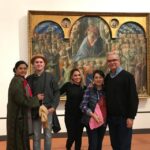
The private format is another advantage. With your own group and guide, you have more room to ask about a painting or request a pause than you would in a large mixed group. That doesn’t guarantee a quiet gallery or an unhurried visit. Crowds can fill the rooms, and the guide still has to keep the three-hour route moving.
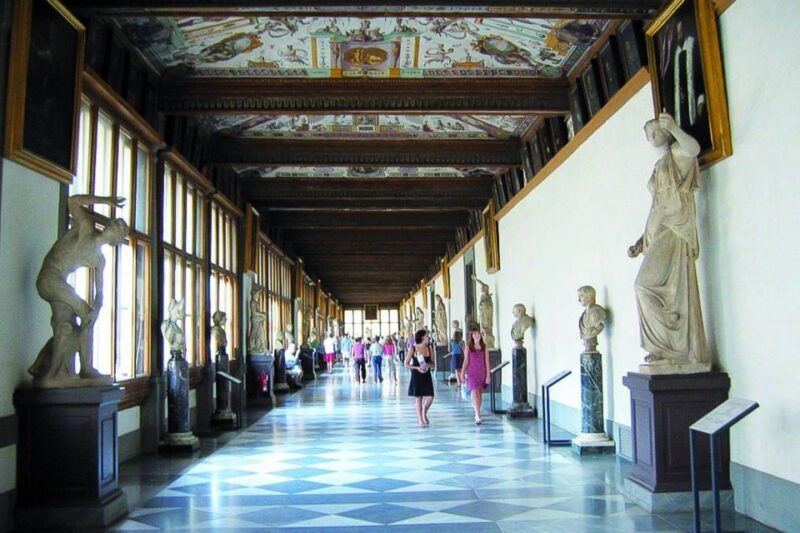
A guide’s best work is not simply naming the painter. It’s helping you notice the choices in a picture, then placing those choices in the world that produced it. The Uffizi’s collection is closely tied to the Medici family, and the tour includes the story of the family and the building as well as the art itself.
That mix makes the visit more useful for a first-time Uffizi visitor. The paintings can be visually striking, but without context, you may not know what to look for or why a work is important. Here, the guide connects the art to its period, its creator and its patrons, while keeping the focus on the museum’s major pieces.
The strongest guides also adjust to the people in front of them. Past visitors have described guides who made the material interesting to a range of ages, answered questions and managed practical needs such as bathroom breaks and umbrella check-in. Those small details matter in a three-hour museum visit, especially if you’re with children or already feeling the effects of a full day on your feet.
There is a trade-off. A guided highlights tour is not the same as studying every room at your own pace. The route prioritizes key works and the guide’s explanations, so if you want to stop at length in front of every painting or explore less familiar corners, you may prefer to leave extra time for independent viewing.
After the Uffizi, the group passes the outside of the Vasari Corridor for about 10 minutes. This historic passage connects the Uffizi Gallery with the Pitti Palace and offers views of the city. The tour does not describe an interior visit, so think of this as a brief look at the corridor and its place in Florence, not a chance to walk through it.
It’s a modest finish rather than a second major attraction. Still, the corridor adds a useful architectural note after hours spent looking at paintings: the Uffizi is part of a larger story of Medici power and Florence’s built environment. Keep your expectations in line with the short stop, and you won’t mistake the exterior pass-by for a corridor tour.
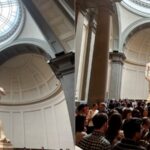
More Great Tours NearbyFast-track entry helps with the ticket lines, but it cannot make the galleries empty. The Uffizi can be crowded, and visitors have sometimes found it hard to hear a guide when people nearby are talking. Headphones are provided if necessary, but the experience still depends on being able to follow the guide in a public museum.
The private group format helps, but it doesn’t give you exclusive use of a room. If you’re sensitive to noise or want long, quiet stretches in front of the art, consider visiting at a less crowded time if available. Starting times vary, so check availability before you book. One visitor’s tour time was changed close to the date, which is a reminder to confirm your final start time rather than relying on an earlier plan.
The pace can feel brisk. Some visitors have completed the main tour in about two hours, while others have found the museum crowded enough to make the full visit feel rushed. Treat three hours as a guided route through the main works, not a promise that you’ll examine the entire collection in depth.
For a more personal experience, these private Florence tours deliver individual attention
At $206 per person, this is a premium way to visit the Uffizi. The official adult admission price is listed as €29, with reduced entry at €2 for eligible EU visitors aged 18 to 25 and free entry for children under 18. The rest of the tour price pays for a private guide, reserved entry and the convenience of having someone lead you through the museum’s major works.
The value is strongest if you want help making sense of Renaissance art, have limited time, or would rather not manage tickets and a route by yourself. A good guide can turn the Uffizi from a series of famous paintings into a connected story about artists, patrons and changing styles. If you already know the collection well, prefer to wander without a schedule or are mainly looking for the cheapest admission, the extra cost may be harder to justify.
One exception to the skip-the-line promise is the first Sunday of each month. Museum entry is free that day, so fast-track entry cannot be guaranteed and the tour price is lowered accordingly. If avoiding queues is a central reason for booking, choose another date if your schedule allows.
The tour is offered in English, Spanish, Italian and French. It is wheelchair accessible and intended for a private group. Hotel pickup is included only if your hotel is near the attraction; hotel drop-off is not included, so plan to continue your day from the museum.
Wear comfortable shoes, since you’ll spend hours inside a large museum. Bring an ID card; a copy is accepted. Large bags and luggage are not allowed, smoking is prohibited indoors, and the museum permits one water bottle per person, with a maximum capacity of 500 ml. Only service animals are allowed.
The activity is non-refundable. Check the available start times and make sure your plans are firm before paying. If you have a question about your time or meeting point, settle it before the tour day rather than leaving it until you reach the busy entrance.
Book it if you want a private guide to make the museum’s main works easier to understand, and if timed entry and help navigating a crowded gallery are worth paying extra for. It’s particularly well suited to a first Uffizi visit, art-history newcomers and families who want a guide to keep the experience engaging.
Skip it if you prefer to explore alone, plan to spend long stretches with less famous works, or are focused mainly on admission cost. And if your visit falls on the first Sunday of the month, remember that the skip-the-line benefit may not apply. For most first-time visitors who want more than a quick look at Botticelli’s famous paintings, the guide is the heart of the purchase.
“The tour guide was very passionate about the pieces at the Uffizi- she added a lot of important information to the painting that we stopped at for …”
The guided Uffizi tour lasts three hours. The pass-by of the Vasari Corridor takes about 10 minutes.
The tour features major works including Botticelli’s Birth of Venus, Leonardo da Vinci’s Adoration of the Magi and a work by Michelangelo described as his only masterpiece on wood.
Yes. The activity is listed as a private group.
Guides are available in English, Spanish, Italian and French.
Meet at Piazzale degli Uffizi, at the corner between the Uffizi ticket office and Via Lambertesca, near the Benvenuto Cellini statue. Look for staff wearing a bright yellow ACCORD vest.
Arrive 15 minutes before the tour starts to allow time to find the staff member and receive your tickets.
It includes reserved entry through a separate entrance and skips the ticket-buying and ticket-pickup lines. Fast-track entry cannot be guaranteed on the first Sunday of the month, when museum admission is free.
Yes, the activity is listed as wheelchair accessible.
Wear comfortable shoes and bring an ID card. A copy of the ID is accepted. You may bring one water bottle, up to 500 ml, into the museum.
No. The activity is non-refundable.
You can check availability for your dates here: