Physical Address
304 North Cardinal St.
Dorchester Center, MA 02124
Physical Address
304 North Cardinal St.
Dorchester Center, MA 02124

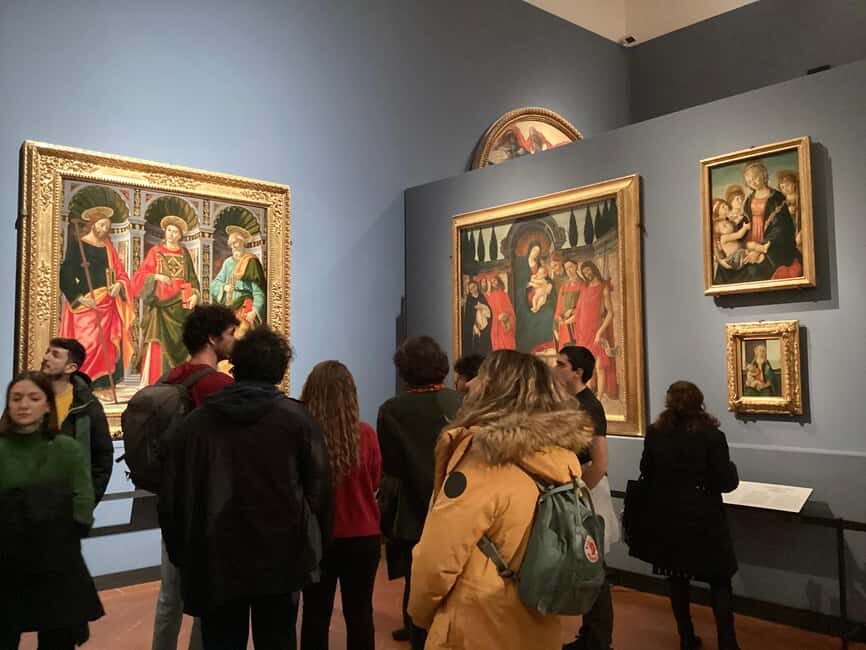
See Michelangelo’s David, Florence’s Duomo and Uffizi masterpieces with a local guide and priority museum entry in a small group.
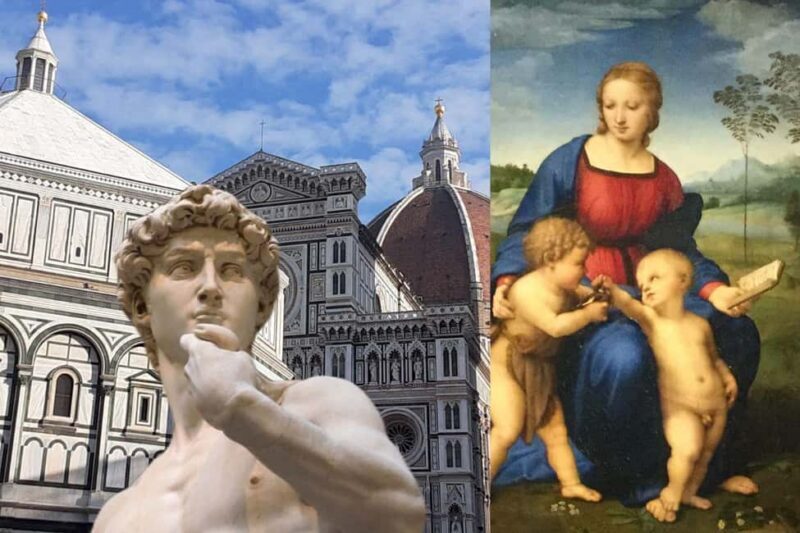
Michelangelo’s David is more than a famous statue when a guide helps you see the choices, skill and Florentine politics behind it. This small-group tour links the Accademia with the Uffizi, using the walk between them to put the city’s art and architecture into context.
I like two things in particular: priority entry takes the ticket-line guesswork out of visiting two busy museums, and a strong guide can make the art far more legible than a solo wander. Guides such as Laura, Vera and Norma have been praised for clear explanations, lively storytelling and patience with questions.
One consideration: the listed duration is three hours, but the route details contain a confusing 15-hour walk entry, and some tours have run closer to four hours. Don’t book a tight connection immediately afterward, and remember that priority entry cannot prevent every security delay.
The meeting point is the Florence Specialists office at Via Ricasoli, 119 R, about 50 meters from the Accademia Gallery. Arrive 15 minutes before the start, as requested. That buffer matters: a late arrival can disrupt a timed entry and leave the group waiting.
The office is a practical feature, not just a pin on a map. It gives you a clear place to check in before entering the museum, and one visitor appreciated having chairs and a bathroom there. Bring a passport or ID card, especially if anyone in your party is aged 6 to 17 and expects a reduced ticket. Children in that age range need valid photo ID showing their birth date; a digital copy is accepted.
The tour includes a guide, reserved priority-entry tickets and radios with headsets. You won’t need to rely on hearing every word over gallery noise, though you should keep close enough to follow the group. Large bags and luggage are not allowed, so leave them elsewhere before you arrive. Pets are also prohibited.
If you prefer having a local expert, these guided Florence experiences could work well
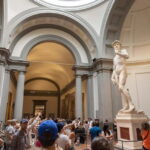
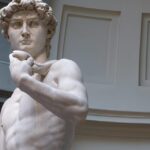
The first museum stop is the Accademia, where the guided visit lasts about an hour. The star is David, but the useful part of the visit is learning how to look beyond the familiar outline. Your guide can explain the sculpture’s making and significance, and help you notice details you might otherwise pass by while trying to take in the whole figure.
The Accademia visit also gives you a first lesson in the way this tour works: the guide selects key works and supplies the story that connects them. Florence’s art can feel like a long parade of masterpieces when you enter without a plan. A guide gives the hour a focus, and you can ask questions as you go.
Expect crowds, particularly around the most famous work. Priority entry helps with access, but it does not mean the gallery will be quiet or that you will have unlimited space in front of David. One visitor described the Accademia as uncomfortably crowded. If you dislike busy rooms, keep your expectations realistic and stay with the guide rather than trying to move freely through the crowd.
The short scheduled break at the Florence Specialists office is five minutes. Think of it as a brief pause between museum visits, not a long café stop. Keep your water and any personal items ready so you can get back on the route promptly.
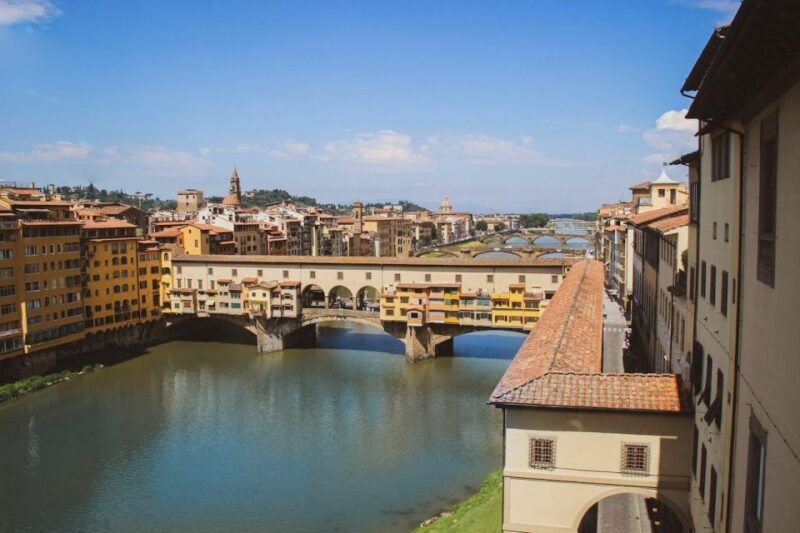
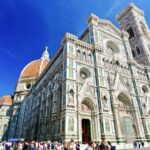
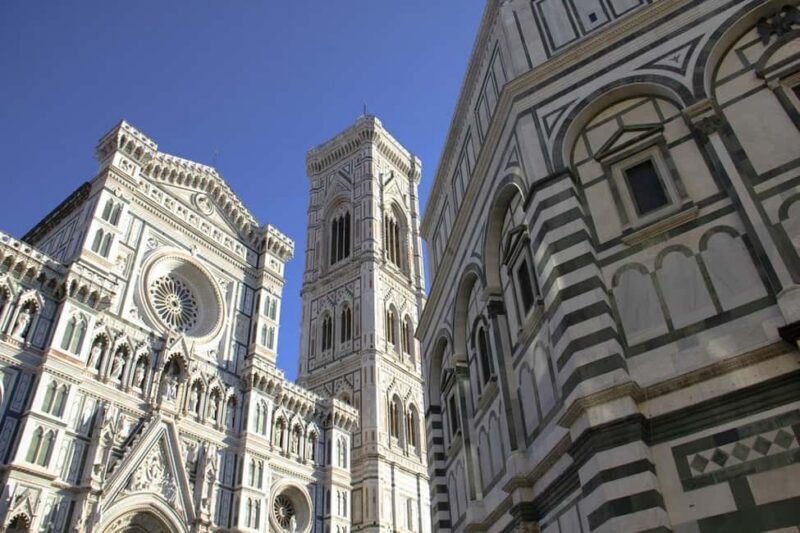
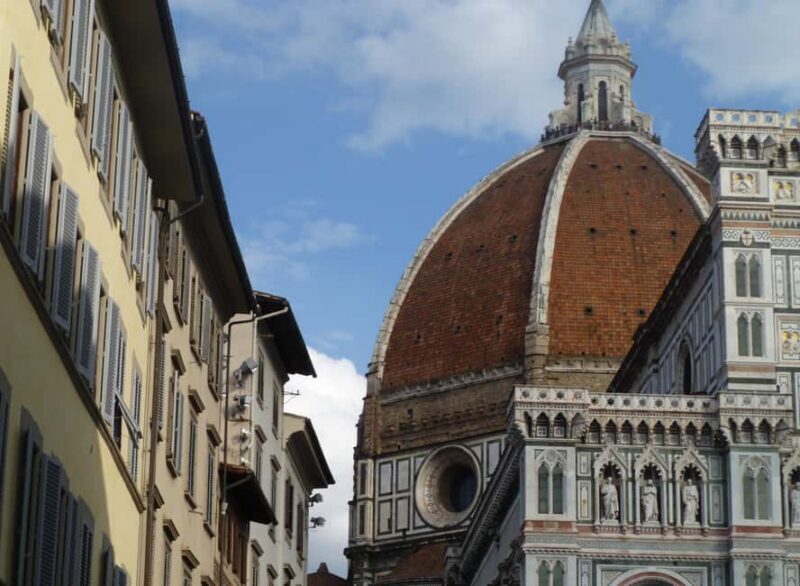
After the Accademia, the group crosses central Florence on foot. The route passes the Duomo complex, including the cathedral and its famous dome, then continues toward Piazza della Signoria. This is more than a transfer between galleries. Your guide can connect the city’s buildings and public spaces to the history you have just encountered in the Accademia and the art you will see next.
The Duomo is one of Florence’s most striking landmarks, but the tour description promises a walk past the complex, not entry to the cathedral or a climb to the top of the dome. A visitor specifically wished the dome climb had been included, so don’t assume it comes with this ticket. If climbing the dome is a priority, arrange it separately and check how it fits with your tour schedule.
Piazza della Signoria gives you another piece of the city’s story in an open-air setting. The planned stop is a 20-minute walk through the square, enough to hear about its place in Florence and take in the surroundings, but not a separate extended visit. The walk helps you see how the city’s civic spaces sit alongside its religious and artistic landmarks.
There is a significant timing mismatch in the supplied route information: the Duomo walk is written as 15 hours, which cannot fit a three-hour tour. The advertised total is three hours, yet some past tours have lasted four to four and a half hours. Treat the exact timing as uncertain and leave breathing room in your plans.
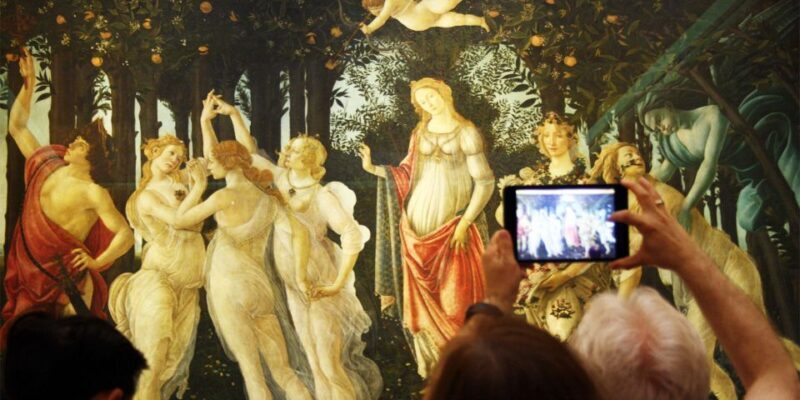
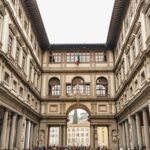
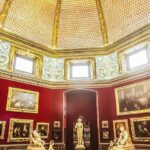
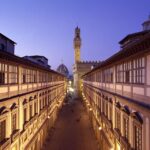
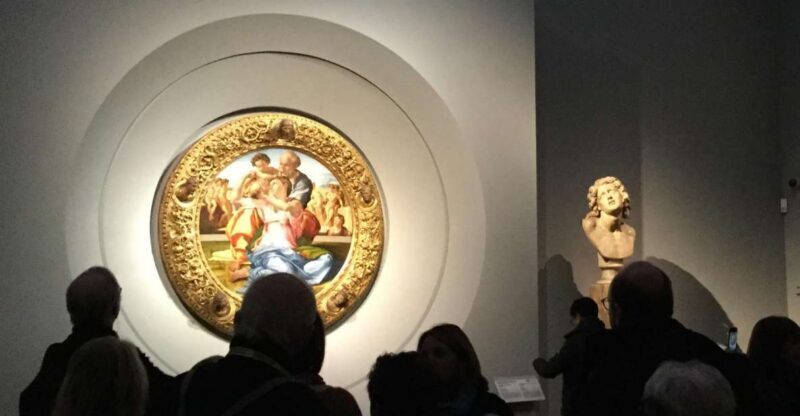
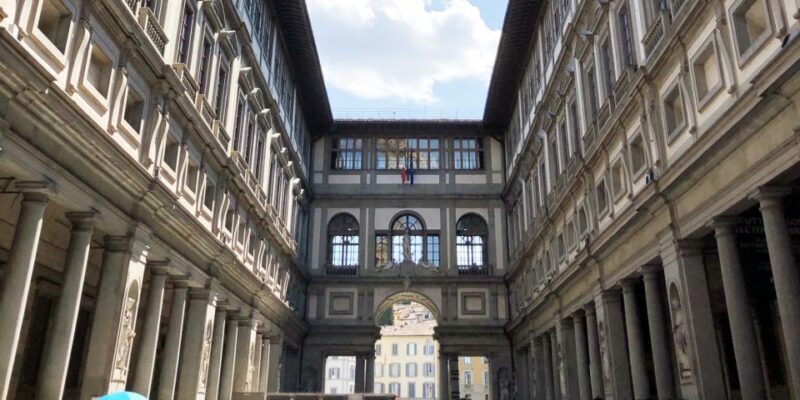
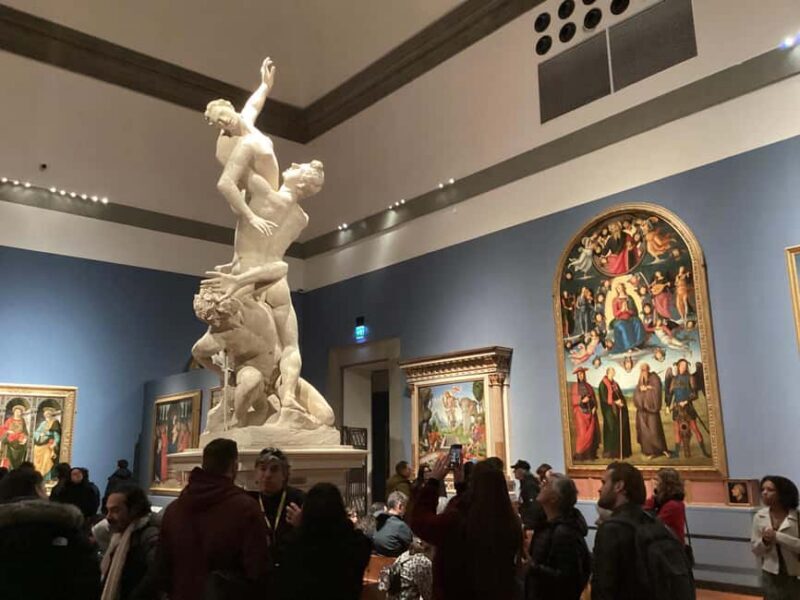
The Uffizi is scheduled for about two hours, making it the longest stop. Your guide will lead you to major works by Botticelli, Michelangelo, Leonardo, Raphael and other artists. The aim is not to see every room. The collection is too extensive for that in a short visit, and the best use of a guided tour is often to understand a selection of works in sequence.
A good guide can show how artistic styles changed and how individual works fit into Florence’s story. Past guide names include Laura, Vera, Norma, Leticia, Silvia, Jenny and Debora. Their names are not a promise about who will lead your tour, but they reflect the sort of guide experience described: clear explanations, enthusiasm for Florentine art and history, and willingness to answer questions.
The guide also handles the practical work of moving through a major museum. You don’t have to spend as much time figuring out where to go next, and you can concentrate on the art. One visitor was able to stay after the guided portion to continue exploring independently, but check whether you can remain inside after your own tour, since the information provided does not guarantee this.
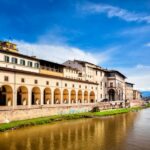
Look out for views over the Arno River and the Ponte Vecchio as part of the Uffizi visit. They offer a welcome change of focus after hours spent looking closely at paintings. Still, this is a highlights tour, not a substitute for an entire day at the gallery. If you want to study the collection at your own pace, set aside separate time.
More Great Tours Nearby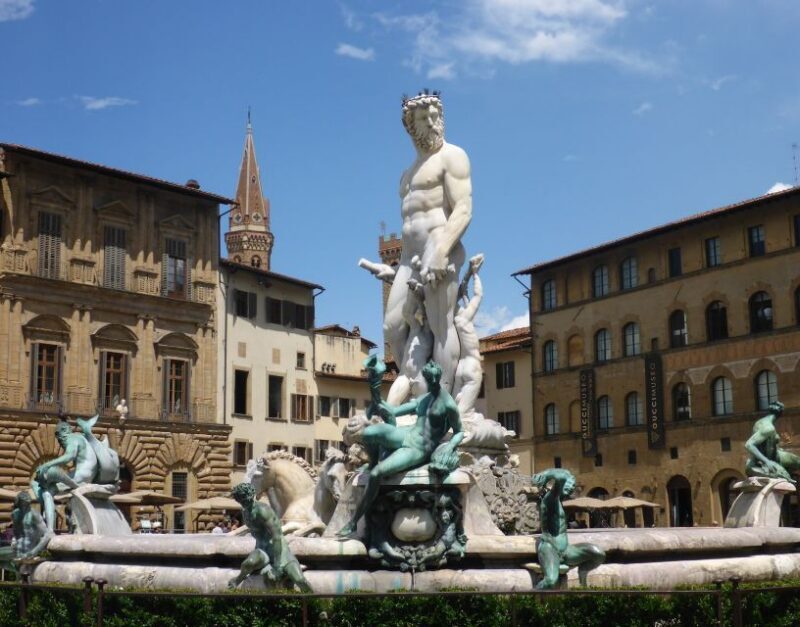
The strongest reason to book is the guide, not simply the convenience of having two museum tickets arranged. The difference is between recognizing a painting and understanding what you are looking at: who made it, what choices shaped it, and how it fits into Florence’s artistic development. Several guides, including Laura and Vera, have been singled out for detailed explanations, while Norma and Leticia have also been associated with engaging, well-organized visits.
A guide can make the subject approachable even if you don’t know much about art history. Past visitors have described explanations that connected artists’ lives, Medici family history and the development of Renaissance art. One guide was especially good at keeping the group together and adjusting to different walking paces. That kind of flexibility matters in crowded galleries, where it is easy for a group to fragment.
The small-group format is another practical plus, but no maximum group size is specified. Don’t assume you’ll have a private visit or a nearly empty room. A private group is available if you want a tour limited to your own party, though the price for that option is not given here.
Culture seekers can explore more Florence museums and galleries
At $175 per person, this is a substantial expense for a three-hour activity. The price includes priority-entry tickets and reservations for both museums, a guide and headsets. You are also paying for a route that links the major art stops with a short introduction to Florence itself.
The value is clearest if you have limited time or want expert help making sense of the art. Buying entry alone will not give you the guide’s explanations or the planned route through the highlights. On the other hand, if you prefer to spend as long as you like in each gallery, or you already know the collections well, independent visits may suit you better.
The main caveat is timing. High visitor numbers can delay admission because museum access is regulated according to how many people are inside. Priority entry is useful, but it is not a guarantee that every doorway will open at once. Since the stated three-hour duration does not match some past tours, avoid scheduling a meal, train or other fixed appointment too close to the expected end.
I’d choose this tour if you want to see Florence’s two headline collections in one outing, value clear historical context and prefer someone else to handle the museum route. It is especially useful for a short stay, or for a first visit when the names and styles of Renaissance art still feel like a jumble.
It also suits families with older children who can stay engaged with a guided museum visit. One past guide managed to draw in a nine-year-old, and a 12-year-old was fascinated by the stories of Florentine life and art. That is encouraging, but the tour still involves several hours of walking and looking, so consider your child’s interest and stamina.
You may want to skip it if you need a slow, unhurried gallery day, dislike crowds, or want a dome climb included. Check the available language before booking: tours are offered in English, French, Spanish, Russian and Italian. The activity is wheelchair accessible, and free cancellation is available up to 24 hours in advance. You can also reserve now and pay later.
For a first visit to Florence, I think this is a strong way to see David and the Uffizi without spending your limited time navigating two major museums alone. The guide and priority entry do much of the heavy lifting, while the walk past the Duomo and Piazza della Signoria gives the day a sense of place.
Book it if the art stories matter as much to you as the famous works, and leave extra time around the tour. If your main goal is a dome climb or hours of independent gallery time, plan those separately rather than expecting this guided route to cover everything.
“While it was a little pricey, we can happily say that every cent was worth it. Laura was a wonderful and knowledgeable guide, and we learned so muc…”
It is advertised as three hours. The route information includes an impossible 15-hour entry for the Duomo walk, and some past tours have lasted four hours or longer, so allow extra time.
Meet at the Florence Specialists office at Via Ricasoli, 119 R, about 50 meters from the Accademia Gallery.
Arrive 15 minutes before the tour begins.
The tour visits the Accademia Gallery and the Uffizi Gallery, with a walk through the city center past the Duomo complex and Piazza della Signoria.
Yes. Priority-entry tickets and reservations are included. Admission may still be delayed during busy periods because museum entry is regulated for security.
The tour is offered in English, French, Spanish, Russian and Italian.
Yes, the activity is listed as wheelchair accessible.
Visitors aged 6 to 17 must show valid photo ID with their date of birth to receive the reduced ticket. A digital copy is accepted. Without ID, they must pay the full adult ticket price.
No dome climb is listed among the inclusions. The route describes a walk past the Duomo complex.
The price is $175 per person and includes a guide, priority-entry tickets and reservations, and radios with headsets. Hotel pickup and drop-off are not included.
You can check availability for your dates here: