Physical Address
304 North Cardinal St.
Dorchester Center, MA 02124
Physical Address
304 North Cardinal St.
Dorchester Center, MA 02124

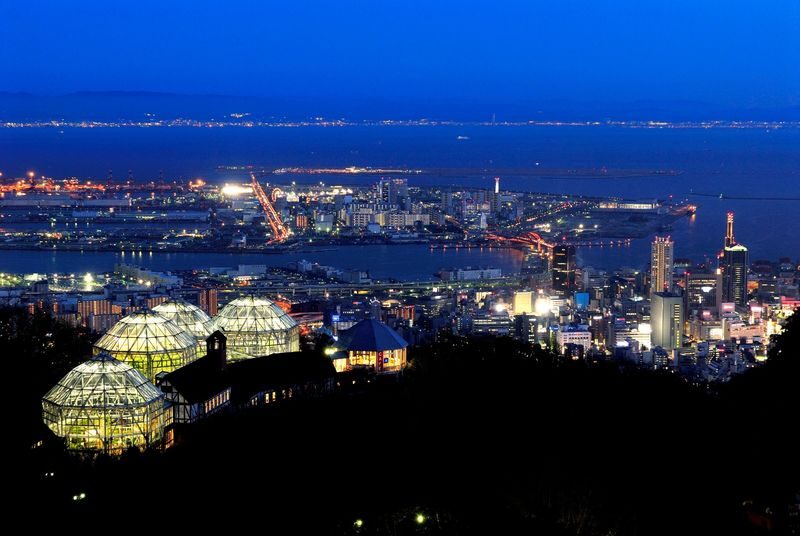
Ride Kobe’s Nunobiki Ropeway to hillside herb gardens for city views, seasonal flowers, a glass pavilion, and an easy downhill stroll.
Kobe’s hills start almost at Shin-Kobe Station, and the Nunobiki Ropeway turns that quick city escape into part of the attraction. In about 10 minutes, you climb above the southern slopes toward gardens, glasshouses, and far-reaching views over Kobe and the bay.
I like two things in particular: the ride gives you a fine view before you even reach the gardens, and the walk downhill through the themed beds lets you take the visit at your own pace. You can pause for flowers, a fragrance exhibit, a snack, or a rest at the middle station.
One caution: this is an outdoor outing, so weather matters. Rain can spoil the views and make a garden walk less pleasant, while summer midday heat may shorten your stay. Check the ropeway’s seasonal hours and weather status before you go.
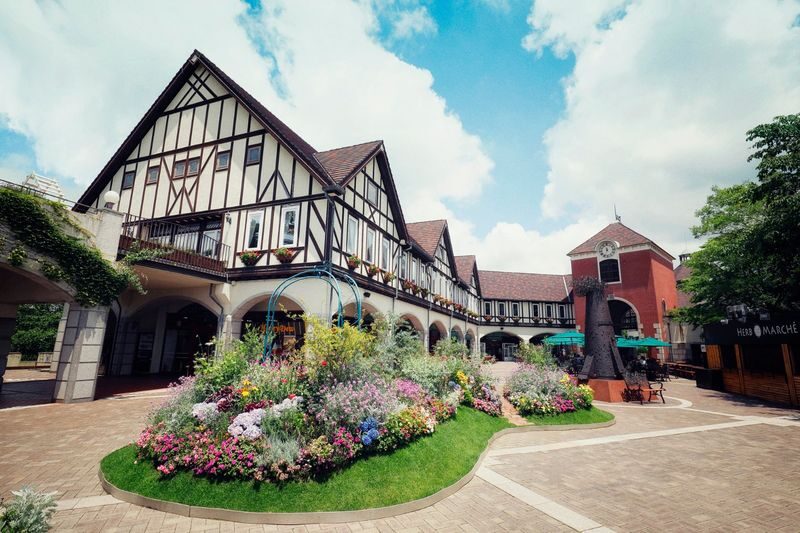
Kobe Nunobiki Herb Gardens makes an unusually simple break from the city. The ropeway station is about a five-minute walk from Shin-Kobe Station, served by the Kobe Municipal Subway and Sanyo Shinkansen. That easy access is useful if you have only a few hours between other Kobe plans.
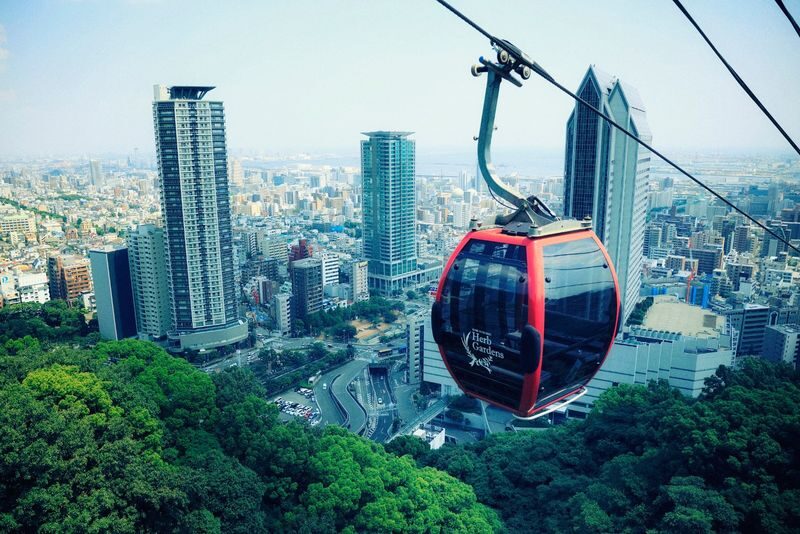
The ticket bundles garden admission with a round-trip ropeway ride. The ride takes about 10 minutes and gives you a bird’s-eye view of Kobe’s slopes, city, and port area. On a clear day, the view is a major part of the outing. On a cloudy or rainy day, the gardens remain the main event, but the long-distance outlook may be limited.
This is not a guided tour with a set group schedule. You move around on your own, stopping where your interest takes you. The advertised visit length is one to three hours, which feels realistic: one hour for a brisk look, longer if you stroll, eat, browse the garden features, or pause for photos.
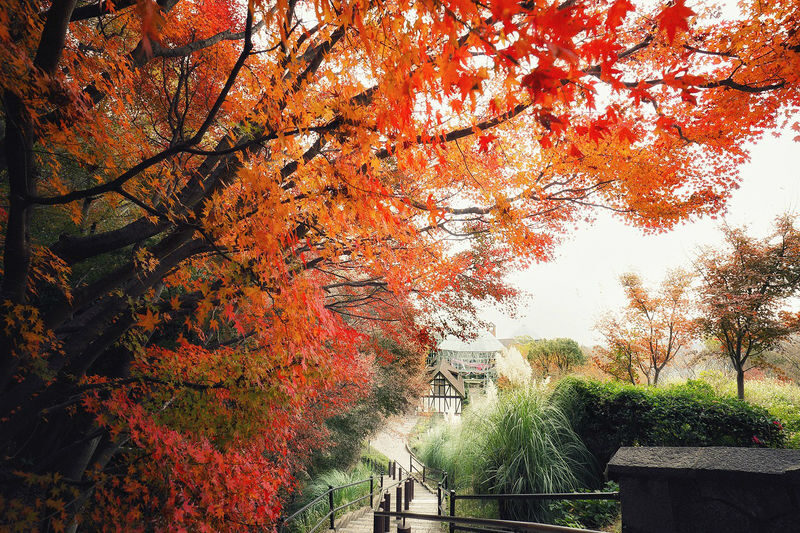
A practical way to structure the visit is to take the ropeway uphill to the upper garden area first. From there, explore on foot and work your way down toward the middle station. This approach gives you the climb without making you walk uphill through the garden, and it puts the downhill stroll at the center of the visit.
The gardens are arranged in 12 themed areas, with more than 200 kinds of herbs and flowers flowering through the seasons. That means the exact display changes with the time of year. Spring and summer bring their own blooms, while autumn has its own appeal. The pleasure is less about checking off a single famous flower and more about seeing how the planting changes from one garden section to the next.
Take your time. A quick pass can make the grounds feel like a pleasant walk with a view; stopping to look at the different beds, scents, and displays makes it a more rounded garden visit. If you are travelling with family or friends, it is also easy to set an unhurried pace and regroup along the route.
The path down is part of the experience, but it does involve walking on a hillside. If anyone in your party would rather not walk much, you can use the ropeway for the return trip instead. The ticket includes the round trip, so you do not have to commit to a long walk to make the visit worthwhile.
Looking for more options in Kobe? Here are some other experiences worth considering.
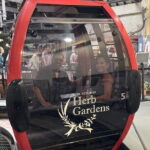
The ropeway is more than a lift to the entrance. As the cabin climbs, the changing angle opens up views of the city and Kobe’s southern slopes. It is worth having your camera ready, though visibility depends on the weather. A clear day can make the ride memorable; on a wet or hazy day, expect less of a panorama.
At the top, the Observation Deck is a natural place to stop and take in the view. The elevated setting offers a different perspective from the streets below, and it gives you a good reason to pause before starting down through the gardens.
There is also a night-time option on some operating days, but note the limitation: after 17:00, only the top observatory area is open. That makes an evening visit a choice for the view, not a chance to wander through all 12 gardens. Check the current schedule before building your plans around a night visit.
The gardens reward a slow walk. The seasonal planting is the obvious draw, but there are smaller attractions along the way that help break up the route. The Glass Pavilion is a good stop, and the Herb Museum offers a closer look at the collection. A fragrance experience and herb-related products also give the visit a sensory angle beyond flowers and scenery.
If you like small, low-pressure activities, look out for the stamp rally and other garden features. A hammock area at the middle station can make a handy rest and photo stop. These details are especially useful if you are visiting with children or with someone who prefers short breaks to a continuous walk.
The garden’s size is a strength, but it also means you should not expect to see every corner in a rush. The one-to-three-hour estimate gives you room to choose: focus on the views and a few garden sections, or take a longer wander with time for food and the exhibits.
Herb Dining is the garden’s seasonal food offering, with fresh herbs used in dishes at designated dining areas. You may also find places to buy snacks or drinks. It is a pleasant way to extend the outing rather than heading straight back down as soon as you finish walking.
Keep expectations practical. Dining choices are limited compared with those in central Kobe, and food may feel expensive for the portion. If you are hungry, check what is available before relying on a full meal; if you simply want a drink or light snack with a view, the mountain setting can make the pause worthwhile.
The lavender soft-serve ice cream is a popular-sounding treat mentioned by visitors, and the garden also sells herb-related goods and local specialties. You do not need to buy anything to enjoy the grounds, but a small snack or souvenir can make a pleasant end to the stroll.
At a starting price of about $14.25, this ticket is a reasonable buy if you want both the ropeway and garden access. The fare covers the scenic climb as well as the admission, so you are paying for more than a botanical garden alone. The value is strongest when you have clear weather and enough time to ride up, walk around, and enjoy the views.
Booking ahead can make arrival simpler, particularly on a busy day. You exchange the mobile voucher for a physical ticket at Kobe Nunobiki Herb Garden Sanroku Station, on the fourth floor. Some visitors report that digital redemption is quick, but you still need to make the exchange before boarding. The ticket is tied to the selected date, so plan accordingly.
The voucher can be cancelled for a full refund before it is redeemed. Once used or expired, it cannot be refunded. Children aged 0 to 5 enter free, while children aged 16 and older pay the adult rate. Other personal expenses are not included.
The ropeway’s listed daily hours are 09:30 to 16:45, but operating hours vary by season and may change. The gardens are open year-round apart from a winter maintenance period of about one month. For example, the stated closure for maintenance in 2025 ran from January 27 to February 16. Check the official site for current hours and closure dates before travelling.
Strong wind, thunder, or other bad weather can close the ropeway. This is worth checking on the day, especially if the view is a main reason for your visit. Rain can also turn a leisurely garden walk into a shorter circuit, so a flexible Kobe itinerary is helpful.
The station is roughly five minutes on foot from Shin-Kobe Station. Follow local signs toward the ropeway and garden; the ticket exchange point is at the Sanroku Station, fourth floor. The address is 1-4-3 Kitanocho, Chuo Ward, Kobe, Hyogo.
This outing suits you if you want a change of pace from city streets without spending a full day on transport. It is a good choice for garden lovers, photographers, families, and anyone who enjoys a scenic ride followed by an easy stroll. The ropeway also makes the hillside accessible without requiring you to hike up.
It may be less appealing if you dislike outdoor attractions, have very little time, or are visiting in poor weather. A visitor who mainly wants the night view should also remember that after 17:00, access is limited to the top observatory area. If you want the gardens themselves, arrive during daytime opening hours.
For the best balance, choose a clear day, ride to the top, take your time among the garden sections, and walk down only as far as you like. The round-trip ticket leaves you the option of riding down if the weather turns or your legs have had enough.
I would book this if you want a scenic, low-effort outing that combines a cable-car ride, city views, and a proper garden walk. The strongest reasons to go are the uphill ropeway views and the freedom to explore the 12 themed gardens at your own pace. It is good value when you have time to linger and the weather is kind.
Skip it, or keep your plans flexible, if rain or wind is forecast, or if you are only interested in a quick ride and expect a full garden visit after 17:00. For most visitors with a clear half-day window, it is a satisfying way to see a quieter, greener side of Kobe.
“The view isn't what I expected, though I had fun walking around because of the cool breeze.”
The ropeway station is about a five-minute walk from Shin-Kobe Station, which is served by the Kobe Municipal Subway and Sanyo Shinkansen.
It includes admission to Kobe Nunobiki Herb Gardens and one round-trip ropeway ticket.
The stated duration is one to three hours. Your time depends on how much of the gardens you explore and whether you stop for food or exhibits.
The gardens have 12 themed areas, with more than 200 kinds of herbs and flowers blooming in different seasons.
Yes. You can ride up and walk down through the garden areas. The ticket also includes the return ropeway ride if you prefer not to walk.
The listed hours are Monday to Sunday, 09:30 to 16:45, but operating hours vary by season and may change. Check the official website before your visit.
During night-time opening after 17:00, only the top observatory area is open.
Children aged 0 to 5 enter free. Children aged 16 and older are charged the adult rate.