Physical Address
304 North Cardinal St.
Dorchester Center, MA 02124
Physical Address
304 North Cardinal St.
Dorchester Center, MA 02124

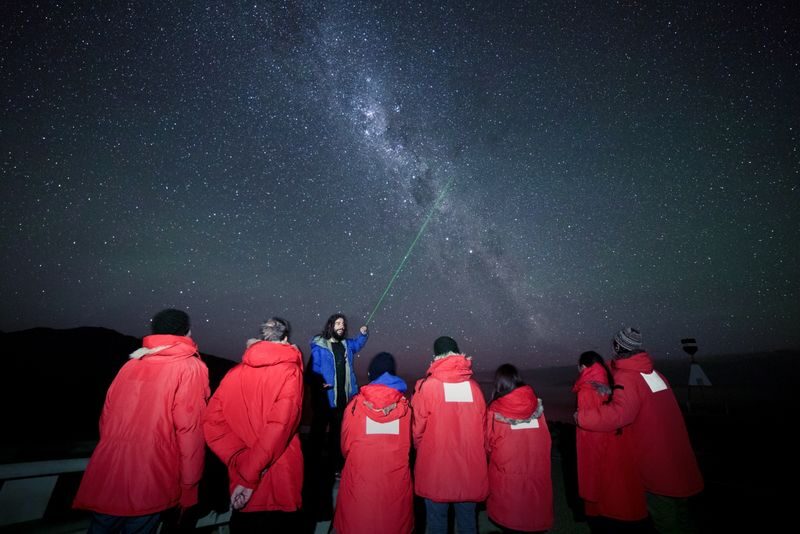
Stargaze from Mt John above Lake Tekapo, with expert Southern Sky guidance, powerful telescopes and a weather-dependent view of the Milky Way.
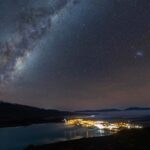
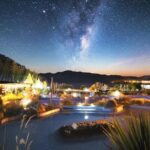
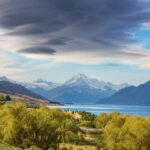
Mt John rises above Lake Tekapo, and after dark its summit puts you beneath a remarkably wide southern sky. On a clear night, you may pick out the Milky Way by eye, then turn to a telescope for planets, star clusters and distant galaxies. The observatory sits inside the Aoraki Mackenzie International Dark Sky Reserve, where protecting the dark matters as much as looking up.
I like two things here: exclusive summit access takes you to a working observatory site with broad views, and guides explain how to read the sky rather than simply pointing out bright objects. The telescopes, including one with an aperture of up to 16 inches, add a close-up view that naked-eye stargazing cannot offer.
The main catch is the sky itself. Clouds can change the plan or cancel the summit outing, while a bright moon can wash out faint stars even when conditions are clear. It is a memorable experience when the sky cooperates, but no tour can promise the Milky Way.
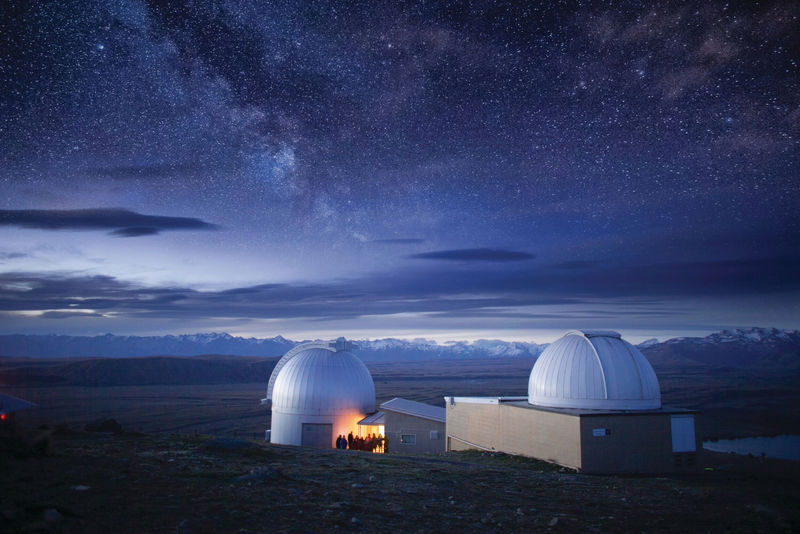
The appeal of this tour is its setting as much as its equipment. Mt John stands above Lake Tekapo with 360-degree views across the Aoraki Mackenzie International Dark Sky Reserve. The reserve’s dark skies are protected through cooperation among local residents and townships, a useful reminder that this kind of night is not simply a matter of driving away from town lights.
At the summit, you are visiting the grounds of the University of Canterbury’s research centre. This is not a theme-park observatory built just for visitors. The guides translate the science and stories of the Southern skies into a practical tour, starting with what you can see without equipment and then helping you look closer.
That combination makes the experience approachable even if you cannot tell a planet from a bright star. Guides have included Tonic and Tony, as well as Annd and Onn, but the person leading your departure will vary. Visitors have described the explanations as clear and lively, and some guides also help with camera settings and star photography.
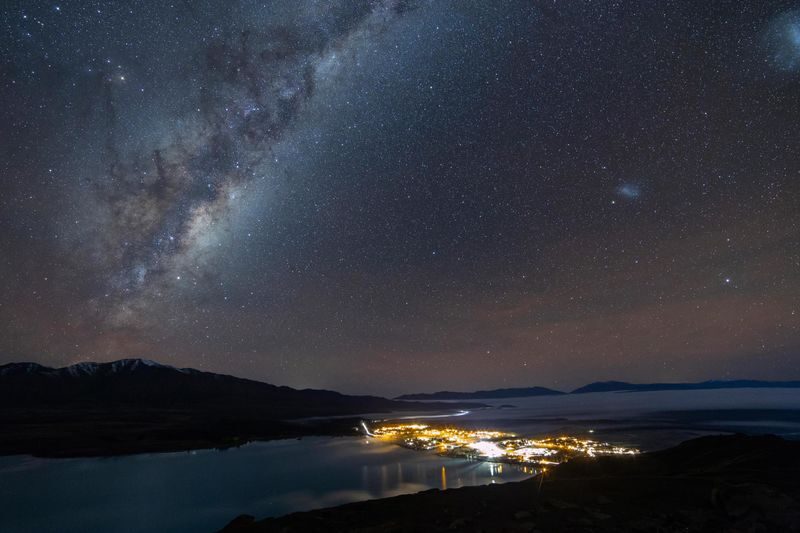
You meet at the Dark Sky Project office on Motuariki Lane in Lake Tekapo. Check in at Rehua at least 20 minutes before departure. The tour includes a return shuttle to Mt John, so you do not need to arrange your own drive up to the observatory. Driving or taking a taxi to the meeting point is recommended.
The ride up is short. One account puts it at about 15 minutes, though timing can vary. The summit’s elevation and exposure are part of the attraction, but they also explain why the temperature can feel sharp after a milder evening in town. A free extreme-cold-weather jacket is included, and visitors describe the loan coats as thick and warm. Still, bring your own warm layers, hat and gloves if you have them.
Once you arrive, an LED flashlight helps you move around in the dark. Keep it pointed where you need it, and follow the guide’s instructions. The point is to preserve night vision and make sure everyone can walk safely on the summit paths.
Looking for more options in Lake Tekapo? Here are some other experiences worth considering.
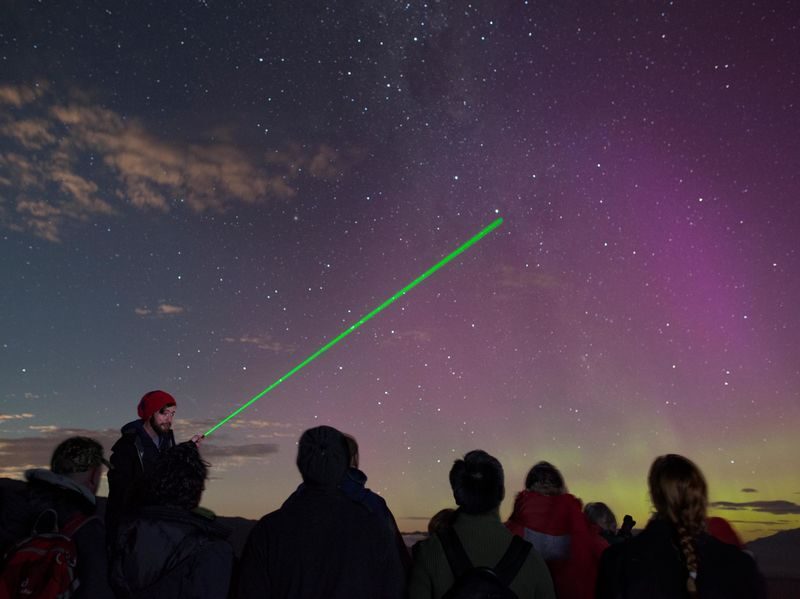
The tour begins with naked-eye stargazing. Guides use lasers to show you stars and constellations, explain directions and share ways to identify objects overhead. That first part is more than a warm-up for the telescope: it gives you a basic map of the sky, so the constellations and bright stars have a place in your mind rather than becoming a field of disconnected points.
The guides also tell stories about the Southern skies and explain astronomical ideas in everyday language. Beginners are likely to get the most from this part. If you already know a fair bit about astronomy, the introduction may feel basic, but you can ask questions and still appreciate the view from the summit.
The English, Mandarin and Japanese options are a practical advantage. Choose the language in which you can follow directions and absorb technical explanations comfortably. The operator requires participants to understand the tour language well enough to follow safety instructions. Children under 10 cannot join, and each two children who are eligible must have adult supervision.
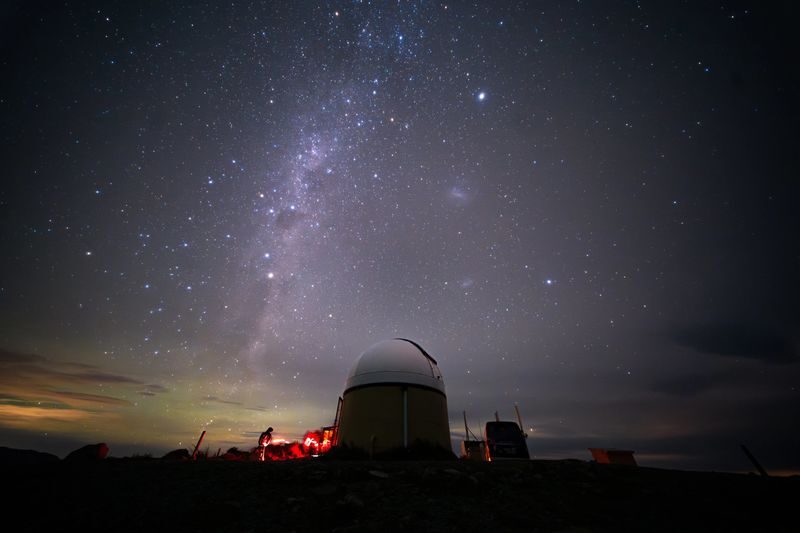
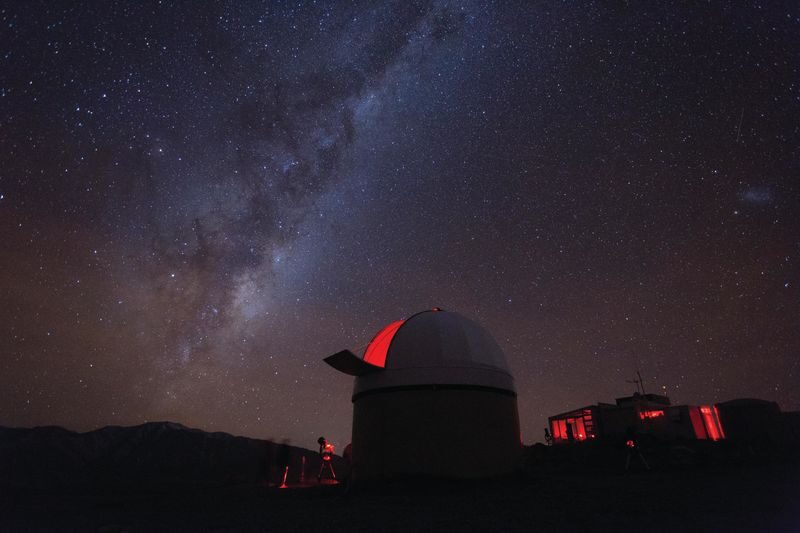
After the naked-eye introduction, the group uses optical telescopes, with access to a private observatory dome. The largest telescope described for the experience has an aperture of up to 16 inches. What you see depends on the date, conditions and what is in view, so do not expect one fixed list of targets.
Possible sights include planets, star clusters, the Milky Way and distant galaxies. Saturn has been a memorable sight on some clear nights. Other visitors have viewed Jupiter, the Jewel Box star cluster and Sirius. Those examples are not a promise of what will be visible on your departure, but they give a sense of the range.
The telescope session adds welcome variety to what is otherwise a night spent looking upward. It can also make the scale of the sky feel more tangible: an object that seemed like a small point becomes something you can study through the eyepiece. Expect to wait your turn and to spend time standing still. A few people find that tiring, especially in the cold, so warm shoes and clothing matter.
This is a weather-dependent activity, and you should plan accordingly. Full cloud can prevent summit stargazing altogether. Depending on the conditions, the operator may offer an alternative, such as a crater or indoor experience, or allow you to reschedule or request a full refund. The available choice depends on the situation, so ask staff what applies before deciding.
Partial cloud does not always mean a wasted evening. A gap may open, or a few bright stars and planets may remain visible. But a cloudy night can also mean little to see through the telescope. If the summit plan changes, the indoor option may be more educational than atmospheric: one visitor found it interesting, while another felt it did not match the outdoor experience. Go in knowing that an alternative is not the same as a clear night on the mountain.
Moon phase matters too. A bright or nearly full moon lights the sky and makes faint stars and the Milky Way harder to see. You may still see the moon, prominent stars or a planet through a telescope, but the sky will not look as dark as it does near a new moon. If the Milky Way is your main goal, check the lunar calendar as well as the forecast before booking.
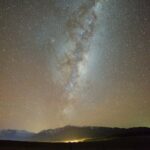
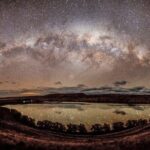
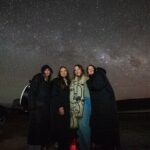
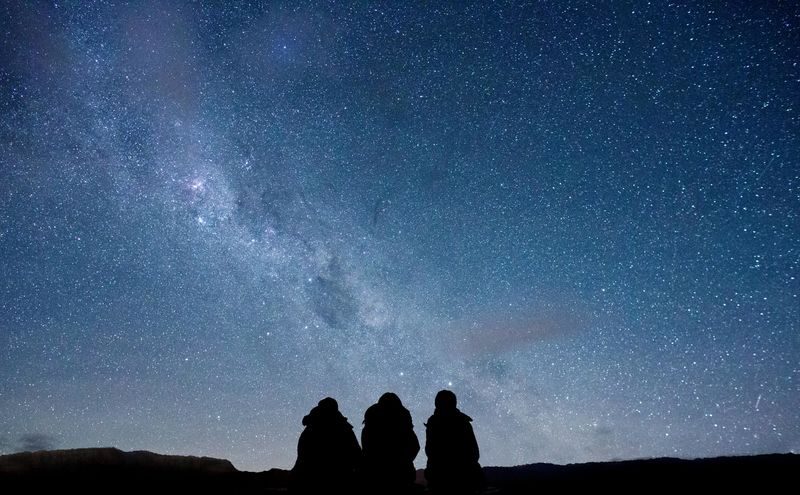
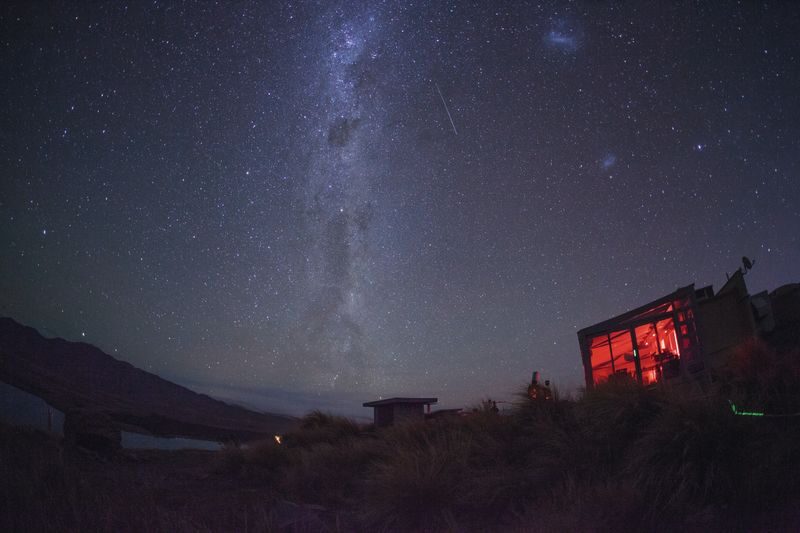
And keep expectations grounded. The Milky Way is not always the bright, saturated band shown in processed photographs. To the unaided eye, it may look like a pale band of light. That quieter view is still striking, but it is different from a long-exposure image. The aurora and shooting stars have appeared on some nights, but they are bonuses, not scheduled features.
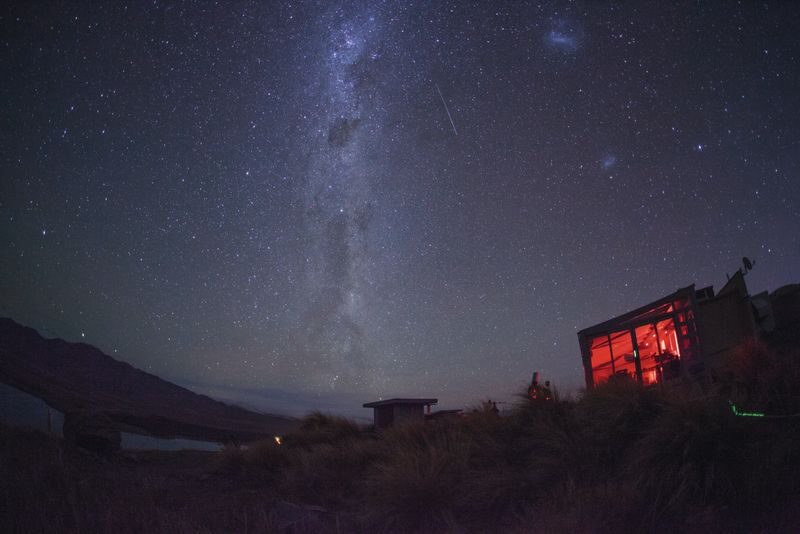
A warm jacket is supplied, but a loan coat is not a full winter outfit. The summit can be very cold and windy, and standing still to listen to the guide makes the chill more noticeable. Wear layers beneath the jacket and bring gloves, a hat and a scarf if the forecast calls for cold conditions.
The paths are dark, and the ground can be uneven or rocky. Use the flashlight provided, watch your footing and avoid rushing to reposition yourself for a photo. Once your eyes adjust, even a small bright light can make it harder to see the sky, so follow the guide’s instructions about lighting.
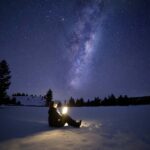
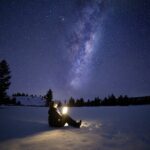
If you hope to photograph the stars, bring a tripod for your phone or camera. A stable support makes long exposures much more practical; handheld night shots are often limited. A proper camera can help, though a phone may not capture what your eyes see. Some guides offer photography tips, but photography is a bonus rather than the tour’s main purpose.
The experience is listed from US$135.95 for the language packages, while the overview gives a starting price of $149.50. Prices can change, and the currencies or booking conditions may differ, so check the amount shown at checkout before you commit.
The value rests on more than a shuttle ride. The price includes summit access, a guide, transport, a flashlight and a cold-weather jacket, as well as use of the observatory telescopes. You are also paying for access to a protected dark-sky area and for someone to help you make sense of what you see. If the skies are clear, that combination can make the outing a highlight of a Tekapo stay.
The value drops if your chief aim is a guaranteed Milky Way view. Weather, moonlight and the short time available at the summit are real limits, and there are other stargazing outings around Tekapo to compare. Weigh the included summit access and observatory setting against the cost of alternatives, and check the cancellation terms. This booking offers a full refund if you cancel at least 24 hours before the activity date, in local time.
I would put this tour high on the list for first-time stargazers, astronomy-curious families with children aged 10 and older, and anyone who wants a guided introduction rather than a telescope with no explanation. The language choices also help if you would rather learn in Mandarin or Japanese than follow astronomy terms in English.
It is less suited to anyone who cannot tolerate cold, has difficulty walking over uneven ground in the dark, or needs a guaranteed clear sky for the price to feel worthwhile. The tour has a fixed duration of 1 hour 45 minutes, and departure times shift with sunset, so it is worth keeping your evening plans flexible.
Book it if the summit setting, expert guidance and chance to look through powerful telescopes matter to you, and you can accept the weather risk. If your only goal is a bright Milky Way photograph, check the moon phase and forecast first, bring a tripod and keep your expectations realistic. On a clear, moonless night, this is a special way to get to know the Southern sky.
“It was an extremely wonderful experience . Had so much fun learning bout the southern stars and the view was just phenomenal!”
The guided tour lasts 1 hour 45 minutes. Return shuttle service to Mt John is included.
Meet at the Dark Sky Project office, Rehua, on Motuariki Lane in Lake Tekapo. Check in at least 20 minutes before your tour time.
Summit Experience departures are offered in English, Mandarin and Japanese. Select the language you can comfortably understand, including for safety instructions.
The tour includes an English-speaking guide for the English package, return shuttle service to Mt John, an LED flashlight and free rental of an extreme-cold-weather jacket. Meals, drinks, personal expenses and insurance are not included.
Children must be at least 10 years old to take part. Adult supervision is required for every two children joining the activity.
In full cloud, alternative options may be provided. Depending on the conditions, you may be able to reschedule or request a full refund. Ask staff which options are available on the day.
Yes. A bright moon can make faint stars and the Milky Way harder to see, although the moon itself or brighter objects may still be visible.
Wear warm layers, and consider bringing a hat, gloves and scarf because Mt John can be cold and windy. A cold-weather jacket and LED flashlight are provided. If you plan to take night-sky photos, bring a tripod.