Physical Address
304 North Cardinal St.
Dorchester Center, MA 02124
Physical Address
304 North Cardinal St.
Dorchester Center, MA 02124

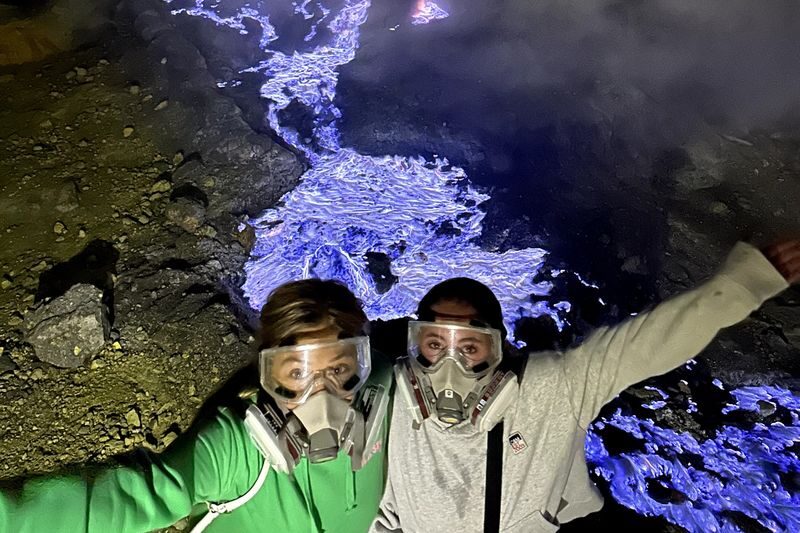
Cross from Bali to Java for Ijen’s conditional blue fire, a night hike, crater sunrise and Jagir Waterfall, with transport, ferry and guide arranged.
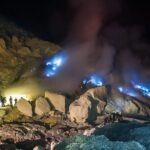
Ijen’s blue flames are not ordinary firelight: they come from sulfur gas igniting as it escapes cracks in the volcano. Seeing them before sunrise is the draw, but this is also a long, cold overnight outing that crosses from Bali to Java and includes a proper uphill hike.
I like two things about this trip: the ferry and transfers are arranged for you, which removes a lot of cross-border planning, and the local mountain guides help make a demanding climb feel manageable. Guides including Yanto, Adi and Rahman are repeatedly praised for patience, safety and help with photos. The crater sunrise and Jagir Waterfall add more than a single headline sight.
The main drawback is the sheer length. You leave around 7 p.m. and return the following afternoon, with several hours of driving and little chance for a normal night’s sleep. The blue fire is also not guaranteed, and sulfur exposure makes this a poor choice for some people.
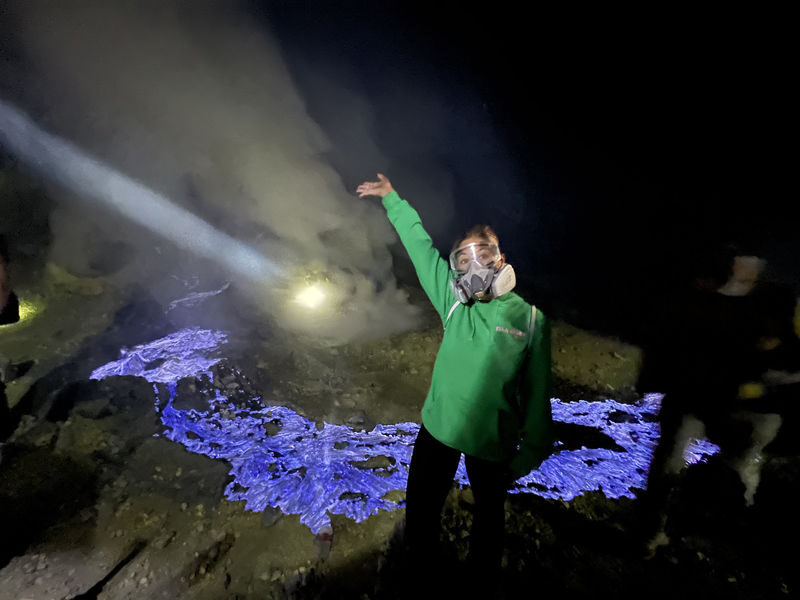
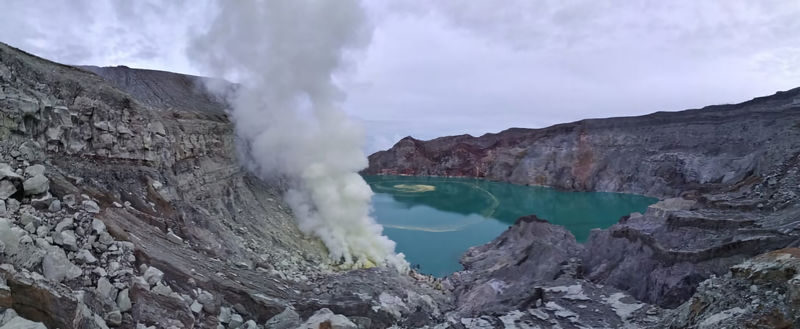
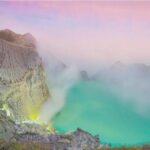
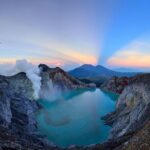
Mount Ijen, also called Kawah Ijen, is an active volcano in East Java. Its crater is known for a turquoise lake and sulfur emissions. Before dawn, burning sulfur gas can create the blue flames that draw people to the mountain. They are a natural phenomenon, not a staged show, so conditions can change what you see.
The hike is described as suitable for beginners, but that does not make it a casual stroll. The tour recommends intermediate fitness, and the early start, uphill trail, cold air and sulfur fumes all add to the effort. You do not need prior hiking experience, but you should be comfortable walking uphill for a sustained stretch.
The tour includes a local guide for the mountain portion. Names often praised include Yanto, Adi and Rahman, with visitors noting their steady pacing, safety checks, explanations and willingness to take photos. You cannot count on a particular guide unless the operator confirms it, but a good guide matters here: the climb happens in the dark, and the crater environment calls for care.
Outdoor enthusiasts can explore more Banyuwangi trails with these hiking options
The day begins with hotel pickup, generally scheduled for about 7 p.m. You are asked to be ready in the lobby ten minutes early. The drive toward Gilimanuk Harbor is listed at roughly four hours, then you board a ferry to Ketapang Harbour in East Java. A driver or guide helps with the transfer, an especially useful service if you are unfamiliar with the ports and ferry process.
The clock moves back one hour when you enter East Java, which uses Western Indonesia Time. The schedule gives an arrival at Ketapang around 1:45 a.m. local time, followed by a drive to Paltuding, the trailhead area, where the group prepares to climb. On the return, the clock moves forward again when you reach Bali. Keep that time change in mind when reading pickup and arrival times or arranging anything for later that day.
The ferry crossing is a practical part of the adventure, but the whole transfer is tiring. You may be able to rest in the car or on the ferry, but this is not a night of proper sleep. The drive, port transfer and hike make the trip feel much longer than the four-hour duration shown in the basic summary. Treat the schedule as an overnight outing that uses most of a day, not a short excursion.
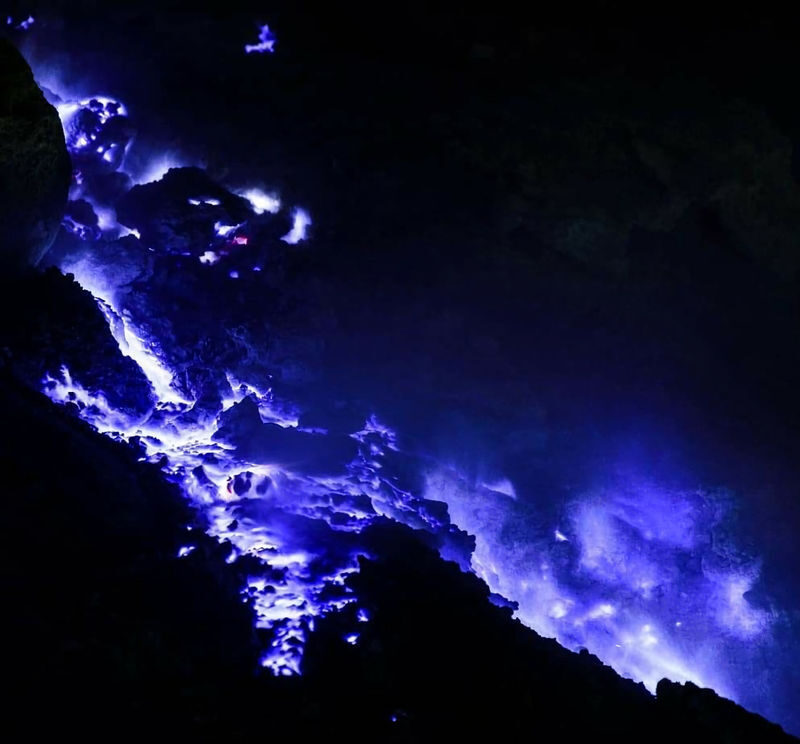
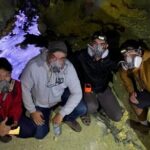
At Paltuding, you prepare for the hike with your guide. A torch and gas mask are included, and the trail is described as accessible to beginners. The climb is still a workout. It is dark and cold, and the elevation and uphill walking can feel tougher when you are short on sleep.
Your guide can adjust the pace and offer breaks. Several of the named guides, including Yanto and Adi, are praised for matching people’s speed and checking that they feel safe. That support is valuable, but it does not replace your own judgment. If you feel unwell or struggle with the sulfur fumes, tell your guide rather than pushing on for a photo.
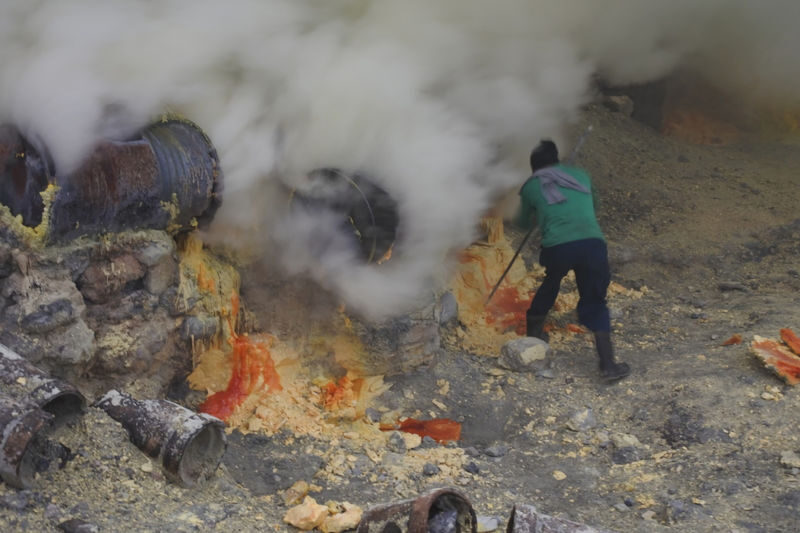
The route is limited for safety. You may go no closer than one kilometer from the crater edge, and entry into the crater and sulfur-mining area is prohibited. That boundary matters: the blue fire is conditional, and no photograph is worth ignoring the rules around an active volcano.
The blue fire is the trip’s most distinctive possibility, but it comes with a clear caveat. It depends on natural conditions, and the tour does not refund you if it is not visible. Some participants have seen the flames, while one account described access being closed after a landslide. Conditions and access can change, so ask the operator about current status before you commit, especially if the blue fire is the only reason you are going.
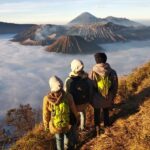
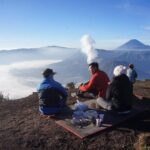
Even without the flames, the dawn view is a major part of the outing. The schedule allows time near the summit for sunrise and views of the crater lake. The blue fire is usually associated with darkness, so you may need to choose between lingering for the night sight and taking in the brighter views as morning arrives. Your guide can advise on the route and timing on the day.
The gas mask is included because sulfur smoke is part of the environment, not just a faint smell in the background. People with sensitive eyes or respiratory conditions are not allowed to join, and the activity is not recommended for certain medical conditions, including high blood pressure and epilepsy. If any of those concerns apply to you, do not treat the mask as a workaround. Check with the operator and your medical professional before booking.
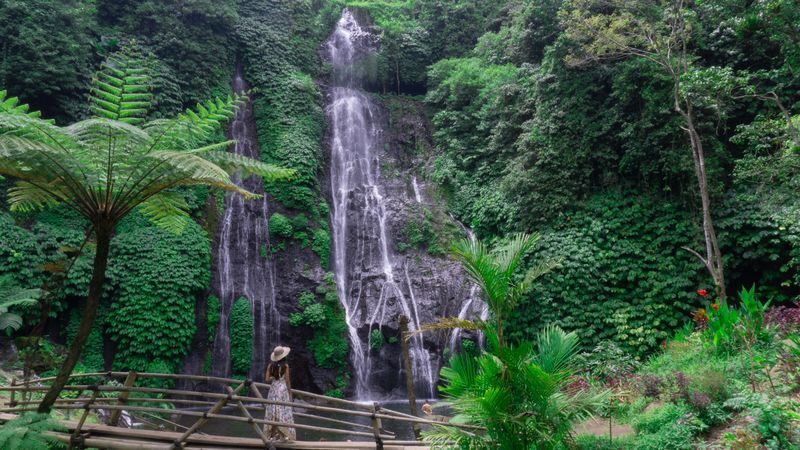
After the hike, the schedule returns to Paltuding and then includes a visit to Jagir Waterfall. It gives you a change of scenery after hours on the mountain and a chance to stretch your legs before the drive and ferry back to Bali. It is a worthwhile extra if you still have energy, though the morning hike may leave you ready for a seat and a quiet ride.
The tour highlights also mention a coffee plantation, but the timed schedule specifically names Jagir Waterfall. If a plantation visit is important to you, confirm that it is included in your chosen package rather than assuming it is part of this route.
From the waterfall, the group heads to Ketapang, takes the ferry to Gilimanuk and continues toward your hotel or personal address. The planned return is around 1:15 p.m. Bali time, but traffic and weather can shift the schedule. One participant found the return drive long enough to skip the waterfall to make better time. If you have a flight, appointment or fixed plan that afternoon, leave a generous buffer.
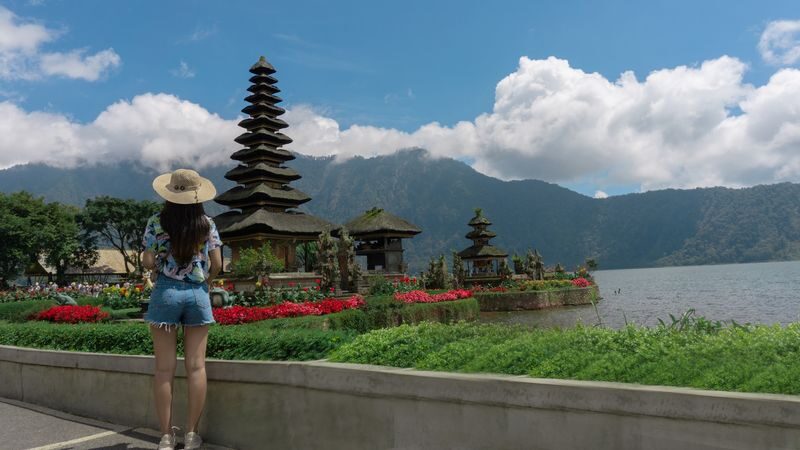
The package includes hotel transfers, transport, an experienced driver, round-trip ferry tickets, fuel, a professional guide, admission to Ijen Crater and Jagir Waterfall, snacks, bottled water, a gas mask and a torch. Having the ferry and ground transfers coordinated is a real benefit on a journey that involves two islands, two harbors and a late-night start.
Meals and other drinks are not included. The tour information asks you to pack food for four meals, which is a lot to carry, so confirm with the operator what they mean for your selected package and where food stops are possible. There are simple food and drink stalls along the hiking route, but do not rely on them as your meal plan. The included snacks and water are helpful extras, not a substitute for food you know you can eat.
Bring thick warm clothes, gloves and trekking shoes. The mountain can be cold, particularly before sunrise, and a light Bali evening outfit will not be enough. A headlamp is not listed as included, but a torch is, so ask what type is supplied if you prefer hands-free lighting. A mobile voucher is accepted.
The advertised price starts at $83.09, while the private Ijen Hike option is shown from $75.55. Prices can differ by package and booking date, so check the final total and what is included before paying. Other choices include a two-day, one-night Ijen trip with North Bali sightseeing from $134.59 and a three-day, two-night Ijen and Tumpak Sewu tour from $167.39.
For the basic trip, the value is less about a four-hour activity and more about having the transport puzzle handled. You get a driver, ferry tickets, a local guide, basic hiking gear, entry fees and a waterfall stop. Organizing those pieces yourself could take time, and the night crossing is not the easiest moment to improvise.
The trade-off is a strenuous schedule and a long return journey. If you are already staying near Banyuwangi, a tour that starts there may be less tiring; one comparable option is an Ijen hike from Banyuwangi. If your plans begin in Bali, the transfer-included format is convenient, but you are paying in sleep and travel time as well as money.
I would consider this tour if you are reasonably fit, curious about volcanoes and willing to spend a night in transit for a rare natural sight. It also suits people who value having a guide and transport arranged, or who want someone local to explain the volcano and help navigate the hike. The age minimum is nine, but age alone does not indicate whether a child is ready for a cold, overnight climb.
I would skip it if you have respiratory or eye sensitivities, a medical condition that makes strenuous activity risky, or little tolerance for an overnight schedule. It is also a poor bet if you need a guaranteed blue-fire sighting. The flames may be spectacular, but nature does not take reservations.
Children must be at least nine. Changes are generally allowed until 24 hours before the activity, with some booking types excluded, and a full refund is available for cancellations made at least 24 hours ahead. The operator can also cancel for extreme weather or unforeseen events, offering a reschedule or refund. No-shows are not refunded. Pickup surcharges apply in some areas, including Uluwatu, Pecatu and Ungasan, Lovina, Bangli and Karangasem, so confirm your hotel location and any extra charge before booking.
Book this for the full adventure, not just for a guaranteed blue flame. The night hike, crater at sunrise, ferry crossing and waterfall make it a memorable East Java outing, and the included transfers and guides take much of the logistical strain off your shoulders. But it is a long day with a very early climb, and the sulfur environment is not suitable for everyone.
Before booking, check current blue-fire access, confirm your pickup surcharge and ask whether a coffee plantation stop is part of your package. Pack warm layers, proper shoes and food, then leave the afternoon after your return clear. If you can accept the uncertainty and the lost sleep, this is a strong way to reach Ijen from Bali.
“I highly recommend everyone join this activity! The mountain guide, Surpri, was super nice (and great at taking photos!) as well as very considerat…”
The schedule starts with a 7 p.m. departure and plans to return around 1:15 p.m. the following day in Bali time. The four-hour duration shown in the summary does not cover the full overnight trip.
No. The flames depend on natural conditions, and no refund is offered if they do not appear. Access can also change, so check current conditions with the operator before booking.
No prior experience is required, and the trail is described as suitable for beginners. Intermediate fitness is recommended, since the route involves an uphill night hike.
A gas mask and torch are included, along with bottled water and snacks. Bring warm clothing, gloves and trekking shoes.
No. Meals and beverages are not included, and you are asked to bring food for the trek. Snacks and bottled water are provided.
The activity is not suitable for people with sensitive eyes or respiratory conditions. It is also not recommended for some medical conditions, including high blood pressure and epilepsy.