Physical Address
304 North Cardinal St.
Dorchester Center, MA 02124
Physical Address
304 North Cardinal St.
Dorchester Center, MA 02124

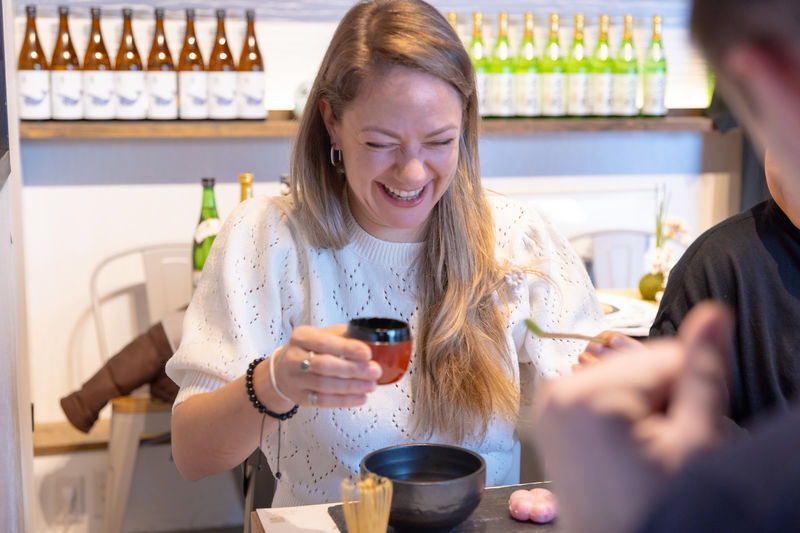
Make matcha in central Osaka with English-speaking instructors, traditional tools, Japanese sweets, and a friendly introduction to tea culture.
Matcha Making Osaka makes a Japanese tea ritual hands-on: you hear a little about matcha’s past, then whisk and taste your own bowl. I like that the lesson pairs a lighthearted history quiz with practical instruction, so you learn something without sitting through a lecture. I also like the Japanese sweets, which give you a way to appreciate matcha’s flavor alongside something sweet.
One consideration: the class is on the third floor of a building in Higashi-Shinsaibashi, and one participant had trouble finding the correct entrance. Use the full address and map before setting out, rather than relying on a general search pin.
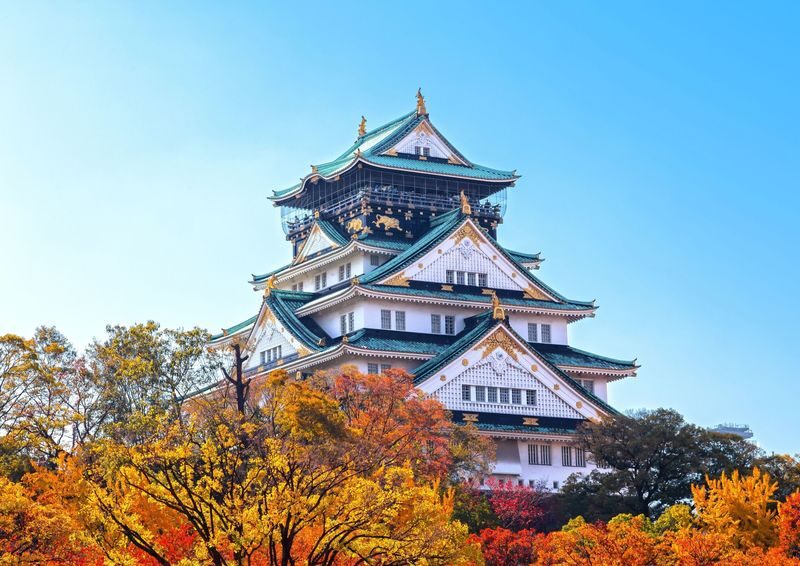
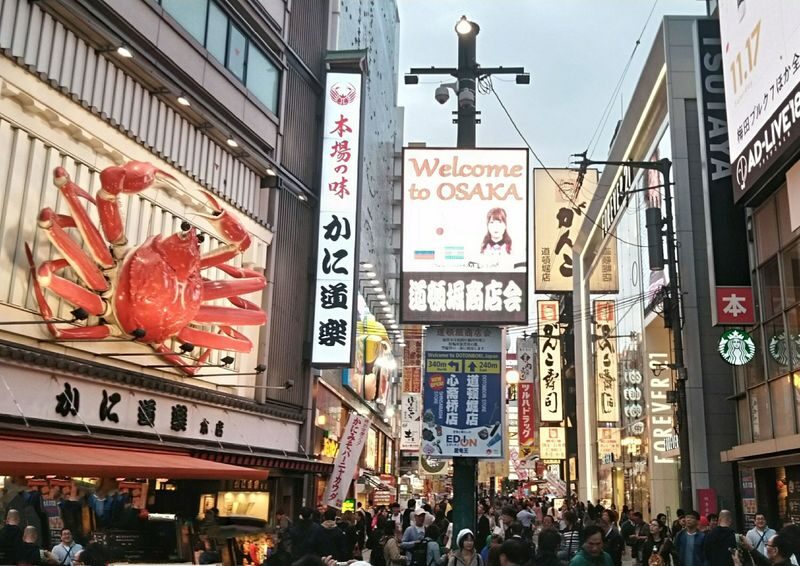
Osaka is known for its food, and this class gives you a change of pace from its busy streets and restaurant counters. You’ll meet at Matcha Making Osaka, at 3F, Galleria Acca Building, 1-16-20 Higashi-Shinsaibashi, Chuo-ku. The setting is in central Osaka, near Dotonbori and Shinsaibashi, so you can make the class part of a day in this food-loving part of town.
There’s a nice contrast here. Outside, you’re close to some of Osaka’s most energetic neighborhoods; inside, the activity centers on a calm and careful way of preparing tea. The class is designed to be welcoming, not formal. You don’t need to know tea terminology or have handled a bamboo whisk before.
That beginner-friendly approach matters. Matcha can taste bitter when it’s prepared poorly or when you’re unfamiliar with its flavor. Instructors explain how to make it, and some sessions include comparisons between different types or grades. One participant who had disliked matcha before found that a properly made bowl could be smooth and full-flavored. That doesn’t mean everyone will suddenly love it, but it makes the class a useful way to try matcha on its own terms.
You might also be interested in these Osaka experiences
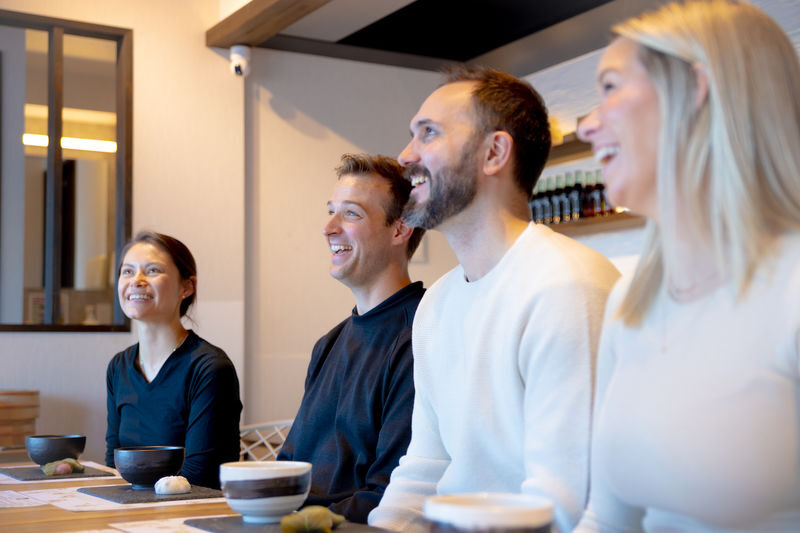
The class begins with an interactive, lighthearted quiz about matcha history. It’s a useful way to get the basic context before the practical part, and it helps keep the experience social rather than turning it into a long talk. You’ll also hear about tea culture and, depending on the instructor and session, how matcha relates to tea ceremony customs and etiquette.
The history portion is not presented as an exhaustive study of Japanese tea. Think of it as an introduction that gives you more to notice when you make and taste the drink. Several instructors are mentioned by name in connection with clear, engaging teaching, including Lala, Ayu, Momo, Fuko, Fujiko, Mayo, Hinata, and Shota. The instructor for your session can vary, but the format is meant to be accessible to English-speaking participants.
Some classes also compare matcha types or grades through smell, touch, or taste. For example, one parent and child tried two different matchas side by side. Such comparisons can make the lesson more than a demonstration: you start to see how matcha can vary, rather than treating every green powder or drink as the same thing. The exact tasting details may depend on the session, so don’t count on a specific selection unless it is confirmed for your booking.
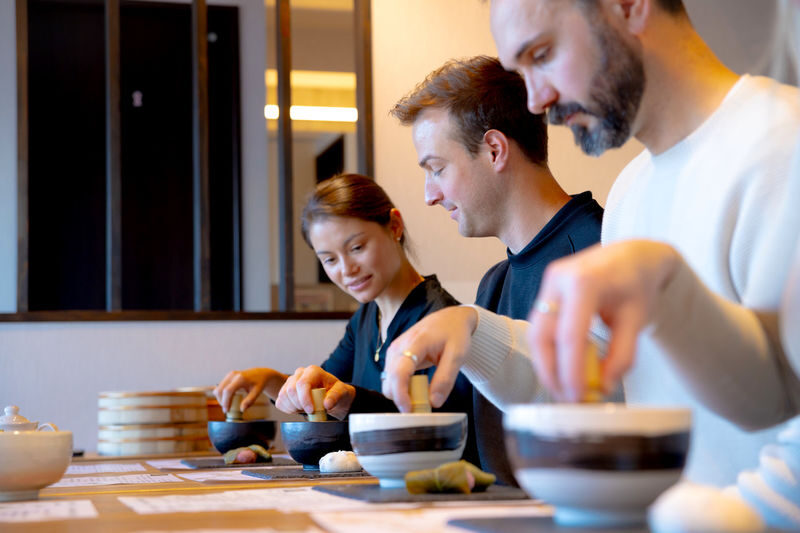
The hands-on section is the heart of the class. Your instructor demonstrates the steps, then guides you as you use traditional tools to whisk your own matcha. The process is taught one step at a time, with help for beginners. You don’t need to arrive with a steady hand or any previous tea-making experience.
You’ll prepare matcha in a tea bowl, known as a chawan, rather than the mug most of us reach for at home. The aim is to make a bowl you can drink and enjoy, not to master every detail of a formal tea ceremony in one sitting. Still, learning the basic technique gives you something practical to take home: a better sense of how matcha is prepared and how to make it yourself later.
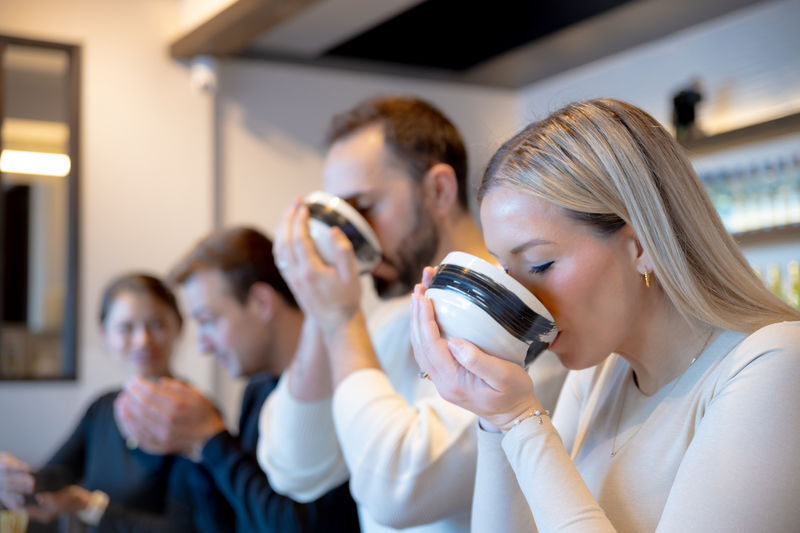
Pay attention to the taste as well as the technique. One account describes the finished tea as frothy, slightly bitter, and fresh. Another person who expected matcha to taste harsh found a smoother, richer flavor in a well-prepared bowl. Matcha is not sweetened with sugar or milk in the traditional preparation described in class, so this is a chance to taste it plainly. If you usually drink matcha as a latte, that difference may surprise you.
There are also pointers that can be useful after you leave. One instructor shared tips for making matcha lattes and cappuccinos at home. That kind of extra advice is a bonus rather than the main point, but it helps connect the traditional preparation to the matcha drinks many people already know.
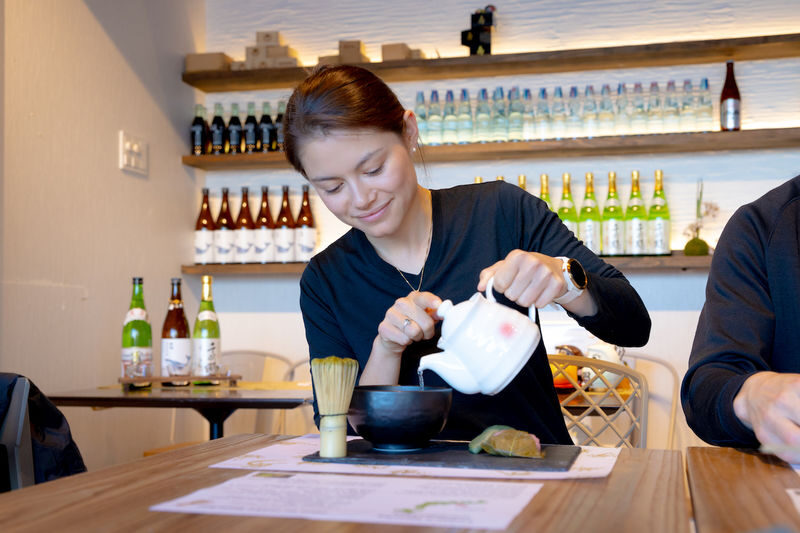
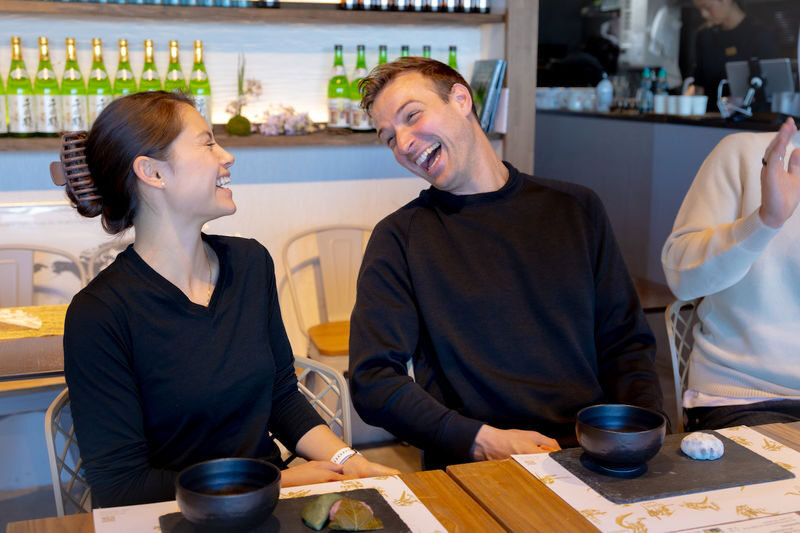
After you make your tea, you drink it with Japanese sweets. This pairing is more than a snack tacked onto the end. The sweetness gives you a contrast with matcha’s grassy, sometimes bitter taste, making it easier to notice the character of the tea. It also brings the class to a natural close: learn, make, taste, and enjoy.
The package named Matcha Making and Japanese Sweets includes the ingredients and the tea activity. There’s no need to bring your own matcha or tools. Hotel pickup and drop-off are not included, so plan to reach the meeting point on your own.
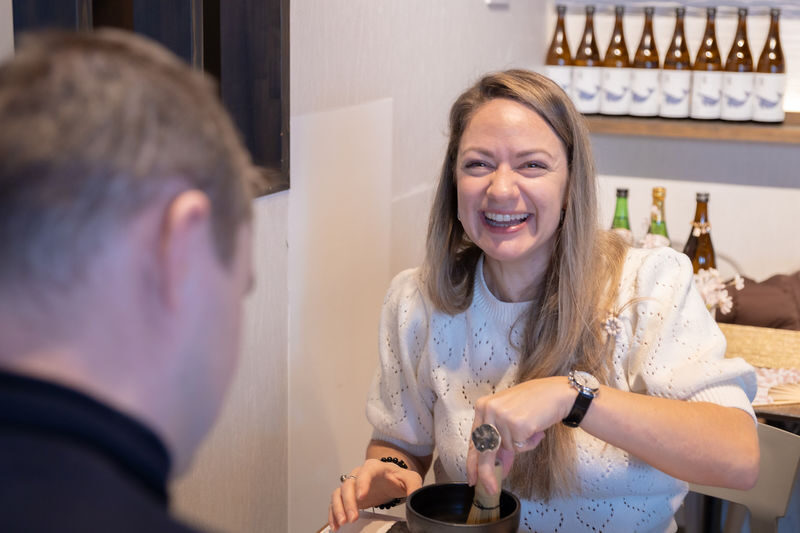
The class welcomes solo participants and groups, and the teaching is meant to be in English. Reports of the atmosphere range from small, almost private sessions to a class shared with other participants. That can make the experience feel personal, but the information provided doesn’t promise a fixed group size. If a quiet, one-to-one lesson is important to you, don’t assume you’ll have the instructor to yourself.
The people leading the class are a big part of its appeal. Participants have singled out instructors such as Lala for making sure everyone could see the demonstration, Momo for clear step-by-step guidance, and Fuko for explaining both the history and the method. The names change by session, but the teaching style is consistently described as patient and encouraging. That matters if you’re traveling with a child, trying matcha for the first time, or simply wary of being asked to perform a delicate ritual without help.
Children aged four and older may take part. They are charged the same rate as adults, so a family should factor that into the total cost. The activity is a practical option for a mixed-age group because it includes a short lesson and a hands-on task, rather than asking children to sit still through a lengthy talk.
Prices start at $20.85. That covers English-speaking staff, ingredients, matcha making, and Japanese sweets. For the cost of a modest meal or a few drinks in central Osaka, you get an instructor-led cultural activity and a taste of matcha prepared with traditional tools. The value is strongest if you want to learn a repeatable skill, not just drink a cup of tea.
It’s also a compact way to add a cultural experience to a busy Osaka schedule. The location is near Dotonbori and Shinsaibashi, so you can pair the class with time in those areas without planning a separate trip across the city. The exact duration is not specified, so check your booking details before arranging a tight schedule.
The price does not include transport or hotel pickup. That’s worth keeping in mind if your accommodation is outside central Osaka, or if you’re traveling with children and prefer door-to-door transport. The meeting point is a specific building and floor, so build in a little extra time to find it.
The address is 3F, Galleria Acca Building, 1-16-20 Higashi-Shinsaibashi, Chuo-ku, Osaka. The location is close to Dotonbori and Shinsaibashi, but it’s still worth checking the building entrance and floor before you leave. One participant found a directions video useful, so check your booking information for any visual guidance provided.
Use the address and map together, and make sure the map pin matches the stated building. This is especially sensible if you’re heading to an evening session or have plans immediately afterward. The class voucher is valid only for its specified date and time, so don’t treat it as a flexible drop-in activity.
Confirmation is expected within minutes of booking. If it doesn’t arrive, contact customer support. Cancellation is eligible for a full refund if you cancel at least 24 hours before the activity date, using destination local time. Those are small planning details, but checking them before you book is easier than sorting them out on the day.
I’d recommend this class if you’re curious about matcha but want more than a café order. It’s a good fit for first-timers, tea drinkers who want to understand how matcha is prepared, and families with children aged four or older. The English-speaking instruction makes it approachable even if you don’t know Japanese.
It’s also a good choice if you like activities that combine a little background with something you can do yourself. The quiz, whisking, and tasting provide a simple progression, and the sweets make the experience feel complete. If you’re already an experienced tea practitioner seeking a formal, in-depth tea ceremony, this may be too introductory. The emphasis here is on an enjoyable, accessible first encounter with matcha.
Food Activity Japan also offers a sushi-making class in Osaka, as well as matcha-making and sushi-making classes in Tokyo. Those are separate activities, not part of this package. If you’re planning a food-focused itinerary, they may be worth comparing, but this class is the better pick if you want a slower, more hands-on break from Osaka’s eating-and-shopping circuit.

Book this class if you want to learn a few basics, make a bowl with traditional tools, and taste matcha with Japanese sweets in central Osaka. Its best qualities are the friendly English-language instruction, the manageable hands-on format, and the chance to understand why matcha can taste different when it’s prepared well.
Think twice if you’re looking for a long, formal tea ceremony or need a guaranteed private lesson. Group size can vary, and the class is an introduction rather than advanced training. For a first matcha experience, especially with a child or a curious companion, the price and practical setting make it an appealing addition to an Osaka visit.
“We went to the Matcha class! This was our first time tasting Matcha Lala taught our group and was extremely informative we learned a bit of history…”
The package includes ingredients, matcha making, Japanese sweets, and English-speaking staff.
Meet at 3F, Galleria Acca Building, 1-16-20 Higashi-Shinsaibashi, Chuo-ku, Osaka.
Yes. English-speaking staff guide participants through the activity.
No. The class is designed for beginners, and the instructor guides you through the steps.
Participants must be at least four years old. Children aged four and older pay the same rate as adults.
No. Hotel pickup and drop-off are not included.
Confirmation is expected within minutes. If it does not arrive, contact customer support.
Yes, if you cancel at least 24 hours before the activity date, based on destination local time.