Physical Address
304 North Cardinal St.
Dorchester Center, MA 02124
Physical Address
304 North Cardinal St.
Dorchester Center, MA 02124

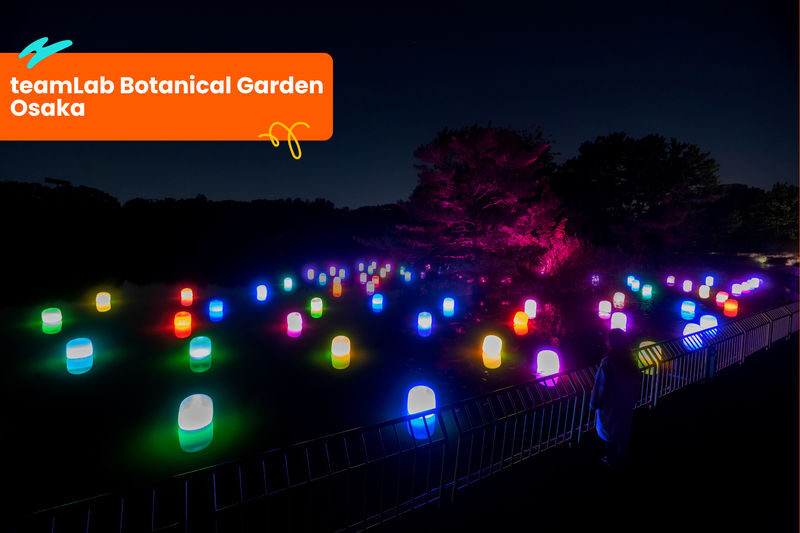
Compare Osaka, Kyoto, Nara and Kobe activities with the Klook Pass Kansai, a flexible 3-to-8-choice pass with a 30-day validity window.
Kansai is a region made for hopping between very different days: Osaka’s high-rise views, Kyoto’s temples, Nara’s park, Kobe’s hillside gardens. The Klook Pass Kansai lets you choose three to eight activities from a changing menu and use them within 30 days, instead of buying every ticket separately.
I like two things in particular: the menu can mix major sights with practical choices such as a JR ticket, and the 30-day window gives you room to spread activities across your trip. The catch is that value depends on your exact picks, and each attraction needs a separate reservation that may sell out.
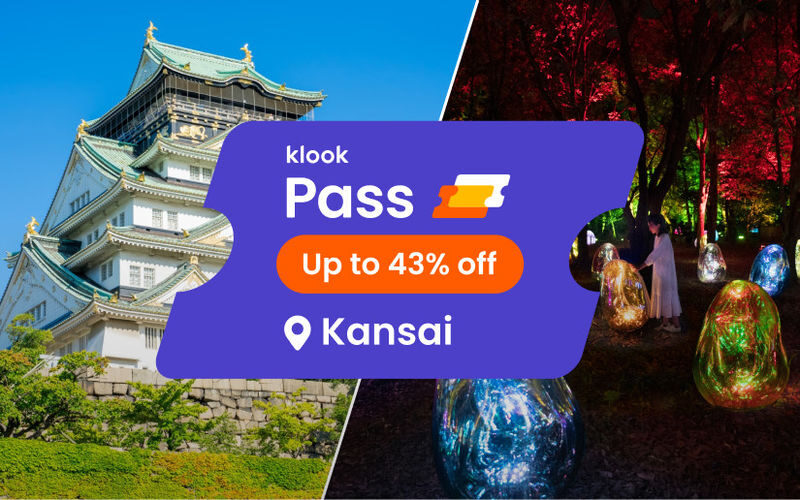
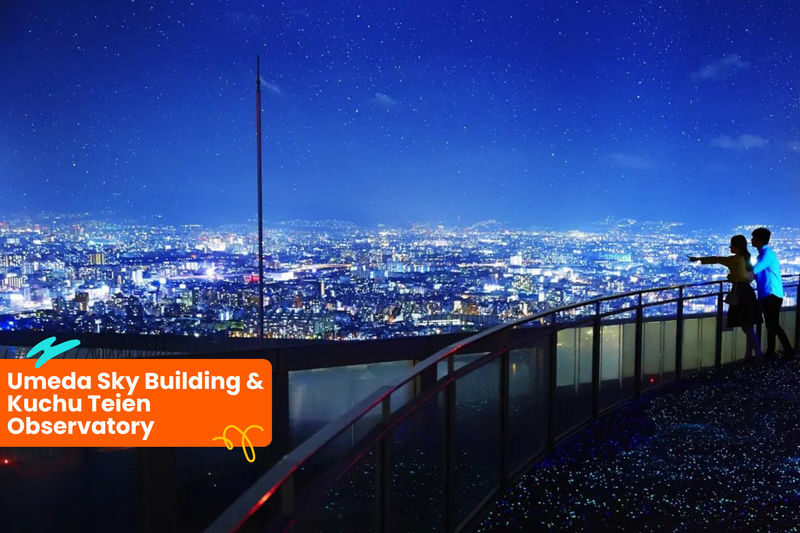
This is a pick-your-own bundle, not a guided tour with one fixed route or meeting time. You select the number of activities, then choose from the available attractions and experiences. The standard menu includes major Osaka sights such as teamLab Botanical Garden Osaka, HARUKAS 300 Observatory, and Umeda Sky Building’s Kuchu Teien Observatory. Depending on the options available when you book, it can also include transport products or guided day tours.
That flexibility is the pass’s main appeal. You could spend one day in Osaka and another in Kyoto, or use your choices for places you have not seen on earlier trips. The 30-day validity window gives you time to fit activities around weather, opening hours, and your own energy. Just remember that flexibility has a limit: each attraction needs a reservation, and a popular date or time may be unavailable.
The package names can be confusing because the same number of activity choices may appear with different add-ons. You may see versions tied to a Kiyomizu Temple, Fushimi Inari Shrine, and Nara Park tour; a Kyoto tour featuring Kinkakuji, Kiyomizu Temple, and Fushimi Inari; or a JR Kansai Area Pass. Read the exact package description before paying. A tour or transport product may take up one of your choices, rather than being an extra thrown in for free.
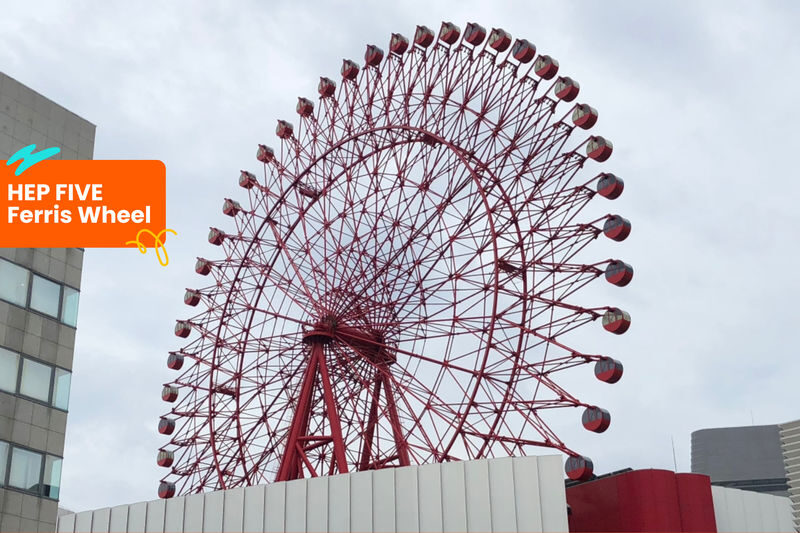
If you want a straightforward start, consider how an Osaka attraction fits into your days. HARUKAS 300 gives you a high-up view over the city, while the Umeda Sky Building offers another observatory option. These are easy-to-understand pass choices: you reserve an entry, visit at the booked time if required, and use one of your attraction slots.
The value is less automatic than the tall buildings make it look. Check the individual ticket prices against the pass price, and do the same for every other choice you plan to use. A pass can be convenient even when the cash saving is modest, but convenience alone may not justify paying more.
teamLab Botanical Garden Osaka adds a different kind of evening or outdoor experience to the menu. Its appeal is that it is not another observation deck or temple ticket, so it can give an Osaka-heavy itinerary some variety. Check the attraction’s current opening hours and reservation rules before building your day around it. The pass does not guarantee entry at any time you choose.
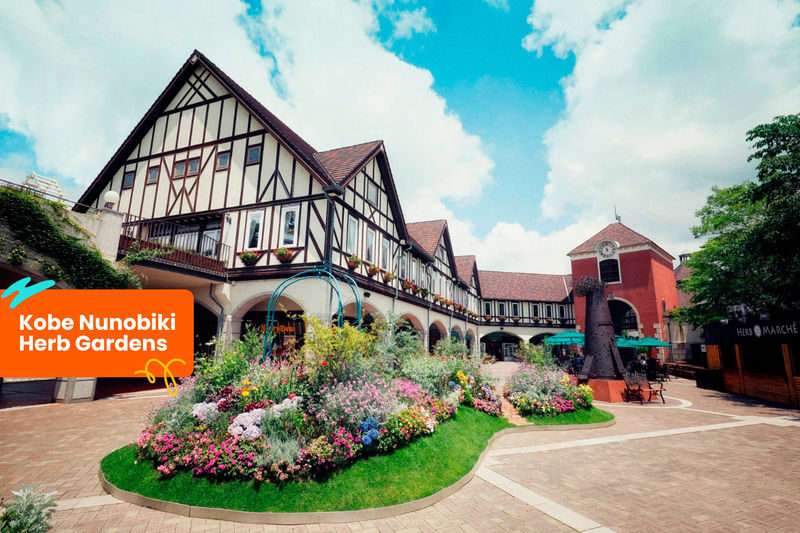
Other activity choices have included places such as an aquarium, an onsen, an expo, and Kobe’s herb garden or ropeway. The menu can suit repeat visitors as well as first-timers: one visitor who had visited Osaka several times chose HARUKAS 300, Kobe Herb Garden, and a Kansai Mini Pass rather than repeating a familiar sightseeing route. The right mix is personal, not a standard checklist.
Some package versions pair the pass with a guided outing to well-known Kyoto and Nara sights. One option lists Kiyomizu Temple, Fushimi Inari Shrine, and Nara Park; another includes Kinkakuji along with Kiyomizu Temple and Fushimi Inari Shrine. These combinations can make sense if you want someone else to connect the stops and explain what you are seeing.
But a day tour is a different commitment from booking three individual attractions. You give up some freedom over timing, and a packed itinerary can feel rushed if you prefer to linger. If you are choosing a tour package, look closely at what is included, how many stops are named, and the schedule shown for that exact departure. Do not assume every package has the same guide, route, or pace.
The pass itself does not tell you how long to spend at a temple or park, nor does it provide a universal itinerary. If you would rather explore Kyoto and Nara at your own speed, an ordinary attraction package may suit you better. If you want a guided day and the stated stops match your priorities, the tour option can simplify the planning.

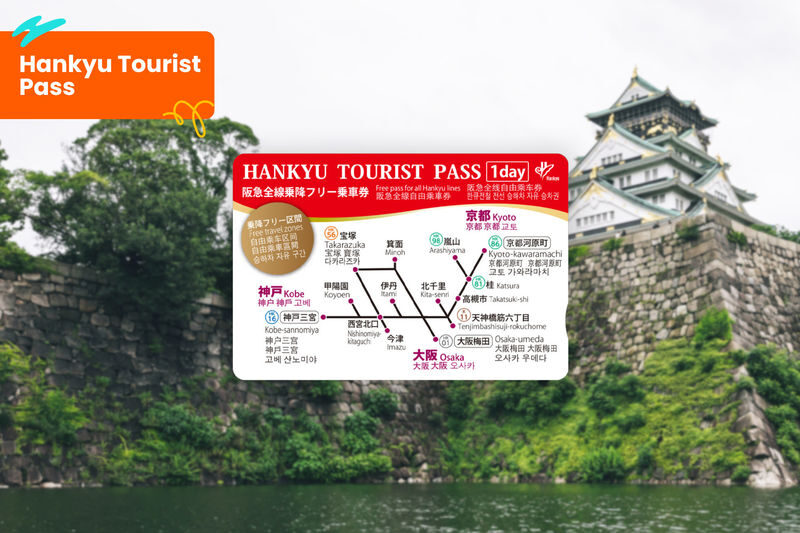
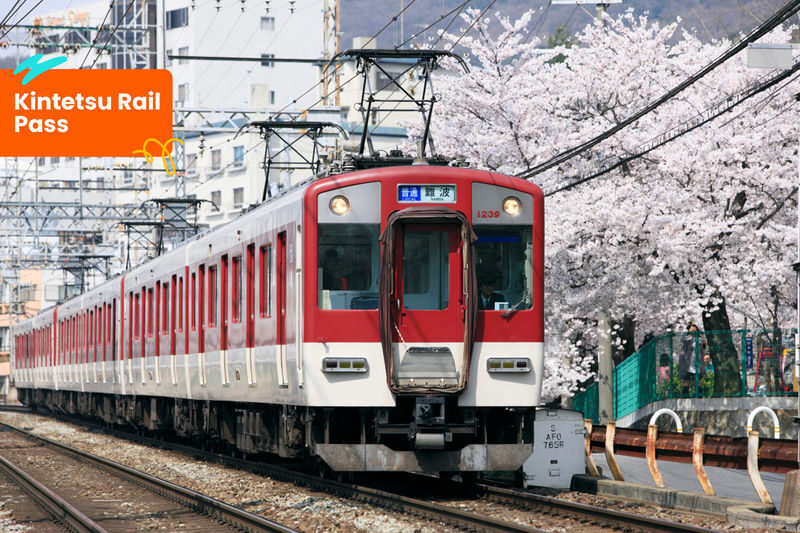
The standard pass does not include general transport. Some package versions offer JR products, and the listed activity choices include the Kansai-Airport Express HARUKA. This distinction matters: a transport ticket is a specific item to select, not a promise that all your Kansai travel is covered.
The HARUKA detail deserves special attention. The stated booking routes are Kansai International Airport to Osaka or Shin-Osaka, and Osaka or Shin-Osaka back to the airport. Do not assume that this ticket takes you directly to Kyoto. A visitor trying to book an airport-to-Kyoto journey found that the offered route did not match that request. Check the exact stations and direction before reserving.
A round-trip HARUKA booking counts as two attractions. That can be a good use of two slots if both legs fit your trip, but it leaves fewer choices for sights. The JR Kansai Area Pass and other rail options also have separate redemption details. If you select one, read those instructions before travel rather than assuming your phone voucher works like an attraction entry ticket.
Some rail products may require a paper-ticket exchange at designated machines or stations. One visitor had trouble distinguishing when to use a paper ticket and when to use an IC card, and found that gate procedures were confusing. Follow the instructions for the exact ticket you booked, and do not tap an IC card automatically if the rail pass requires a different ticket. The pass is not a substitute for checking which trains and lines your chosen product covers.

The starting price is $34.89, but the final cost depends on the package and number of activities. That starting figure is not enough to tell you if a specific bundle is a bargain. Add the individual prices of the activities you genuinely want, then compare the total with the pass price. Include transport only if the package you are considering actually includes the relevant ticket.
The strongest value comes when you use every slot on attractions that would otherwise cost more than the pass’s per-choice share. A combination such as an observatory, a garden or ropeway, and a transport product may work well for one itinerary; another person’s best combination may be an onsen, an aquarium, and an expo. The range is a strength, but it also means you must do a little arithmetic.
The weaker result is easy to picture: you choose three activities because they sound appealing, then discover that your trip only gives you time for one or two, or that individual tickets would have been cheaper. Some people have saved only a small amount after choosing a limited set of sights. The pass can still save the bother of buying separate tickets, but it is not automatically a discount on every possible combination.
There is also a practical cost to flexibility. Reservations are made separately, and tickets are limited and offered on a first-come basis. If your itinerary is fixed, reserve early. If you are hoping to decide at the last minute, check availability before buying rather than assuming every choice will remain open.
After buying the pass, use the reservation button on the reservation page to select a date and time for each facility. You then receive a voucher for that activity. A single attraction can be reserved only once, and each attraction has a one-use limit. Treat the pass as a collection of distinct bookings, not a single QR code that automatically covers every place.
Redemption is often simple when you have the correct voucher ready. Many activities use an e-ticket or QR code, so printing is generally not part of the normal process. But some transport products have their own exchange steps, and selected attractions may require a timeslot reservation. Check the latest opening hours and instructions on the relevant attraction page or official site before setting out.
Booking changes deserve care. Some users have found online booking easy, while others have been frustrated when plans changed and amendments were not allowed. Since changes may not be possible, avoid reserving a time before you are confident you can make it. If a facility is closed or fully booked on your preferred day, choose another eligible activity or date before committing to the package.
The pass is non-transferable. Children aged 6 to 11 are eligible for the multi-attraction pass, while children aged 5 and under may need a separate ticket purchased through the individual attraction page. Klook Credits cannot currently be used for this activity. Confirmation is normally issued within minutes; if it does not arrive, contact customer support.
I would consider this pass if you already have a Kansai itinerary and can name three or more activities you want to do. It is especially useful if your plans cover more than one city, or if you want to combine paid sights with a suitable rail option. The 30-day period gives you room to spread those choices out rather than cram every ticket into one day.
It can also work for someone who has visited Osaka before. You can skip the obvious repeats and choose an onsen, a garden, an aquarium, or another activity that suits this trip. The pass is less useful if you have only one or two paid sights in mind, want to decide everything after arrival, or are counting on a particular train route without checking its exact terms.
Kansai’s cities are close enough to tempt you into ambitious plans, but the pass does not make travel time disappear. Leave room to get between places, and do not stack too many reservations into a day. A pass is a budgeting tool, not a reason to turn a holiday into a ticket-collecting contest.
Book it if the activities you want are on the current menu, you can use all your slots within 30 days, and your price comparison shows a real saving or a worthwhile convenience. Before paying, check each attraction’s price, reservation availability, opening hours, and any transport route details. For rail choices, confirm exactly what stations and lines are covered.
Skip it if you are buying on hope, have not settled on your itinerary, or only want a couple of low-cost sights. The pass can make a Kansai trip simpler and cheaper, but only when your choices fit the trip you are actually taking.
“Good, choose 3 attractions and good to go.”
Package options range from 3 to 8 attractions. Your selected package determines how many activities you can book.
The pass is valid for 30 days. Check the terms shown for your selected package and use it before it expires.
Yes. Select a date and time for each facility using the reservation button on the reservation page. Some activities may require timeslot reservations.
No. Each attraction can be reserved once, and use is limited to one time per attraction.
No, transport is not generally included. Some package options include a specific JR ticket or pass, so check the details of the package you select.
The stated HARUKA booking routes are between Kansai International Airport and Osaka or Shin-Osaka. Check the ticket details carefully, as the listed route does not specify direct airport-to-Kyoto travel.
A round-trip reservation counts as two attractions.
No. The offer is not available to Japanese passport holders.
Children aged 6 to 11 are eligible for the multi-attraction pass. Children aged 5 and under may need a separate ticket, available through the relevant attraction page.
A full refund is available if the pass has not been activated and has not expired.