Physical Address
304 North Cardinal St.
Dorchester Center, MA 02124
Physical Address
304 North Cardinal St.
Dorchester Center, MA 02124

Travel from Fukuoka to Nyoirinji’s wind chimes, Yufuin’s lake and shops, and Beppu’s steaming hells on a full-day bus tour.
Nyoirinji Temple’s summer wind chimes set the tone for a day that swings from a quiet temple courtyard to Yufuin’s storybook shops, then on to Beppu’s steaming geothermal pools. It is a lot of Kyushu in one outing, with the Frog Temple and Beppu’s Hells giving the day two stops you would not mistake for an ordinary sightseeing circuit.
I like the practical combination of door-to-door transport between far-flung stops and a generous 2 hours 20 minutes in Yufuin. I also like that you can see Beppu’s striking hot-spring scenery without arranging local transport or planning separate tickets and routes yourself.
The trade-off is a long day with a fixed pace. Yufuin’s many shops, the Kinrinko Lake water torii and Beppu’s hells all compete for your time, and traffic can cut into the schedule. I would not book dinner, a train or a flight for the evening you return.
The day begins with an 08:30 departure from Lawson Fukuoka Oriental Hotel. Arrive ten minutes early and look for the tour guide flag. The meeting point is in Fukuoka, not Yufuin, so allow time to get there before the group sets off.
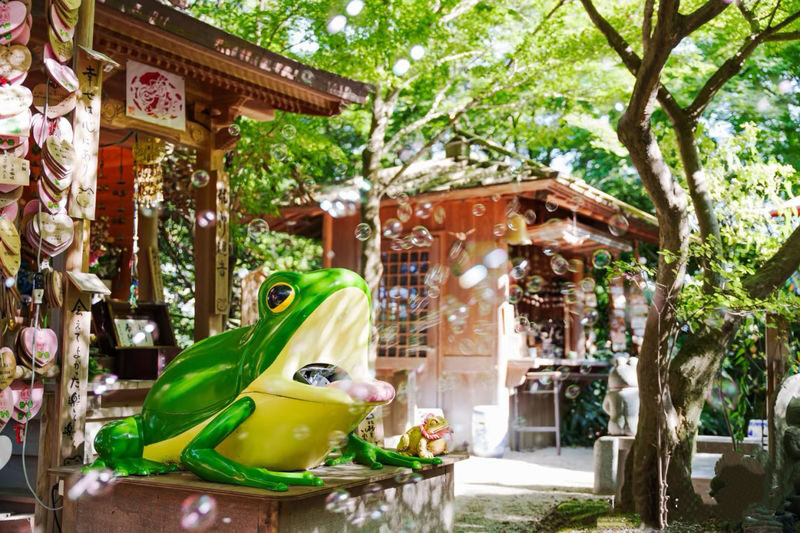
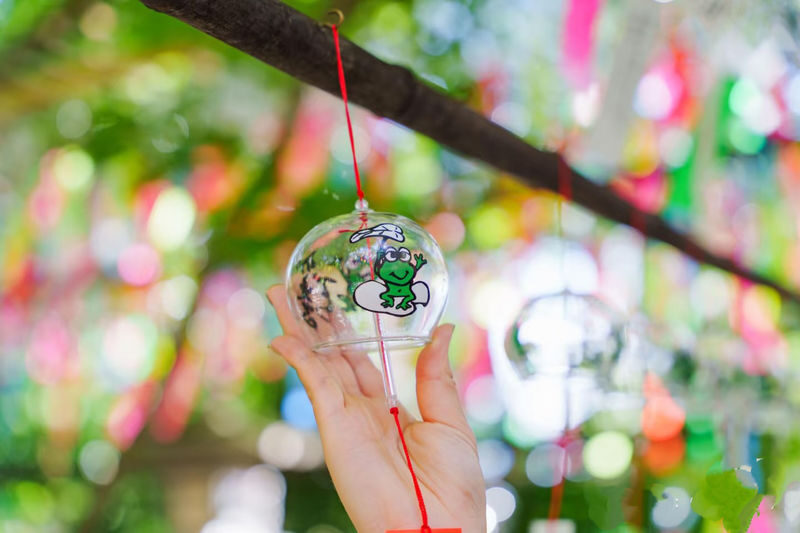
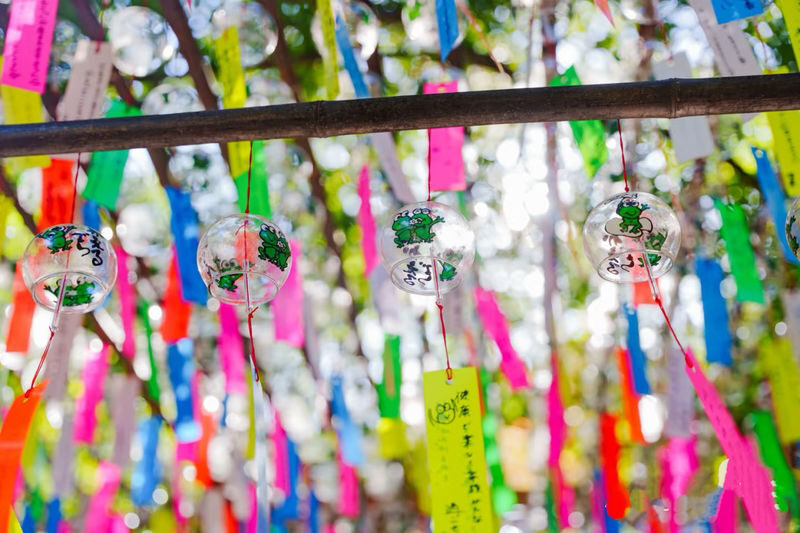
Your first stop is Nyoirinji, often called Frog Temple. The tour allows about 40 minutes for a self-guided visit. That is enough for a short wander and photos, but not a long, unhurried temple visit. The frogs give the grounds a playful character, while the temple’s purpose as a place to pray for the well-being of visitors adds a more reflective note.
The wind chime festival is the seasonal draw. From May through August, thousands of chimes are hung around the temple, their colored paper strips moving in the breeze. The sound is part of the appeal: Japanese summer traditions often treat wind chimes as a cooling sound, and here they lend a gentle contrast to the heat and the day’s busy schedule.
This stop depends on the calendar. If you visit outside festival months, the temple is still on the route, but you should not expect the full display. Even during the season, weather and the timing of your visit affect how the chimes look and sound. Bring a camera if you like, but leave enough time to simply take in the setting.
You might also be interested in these Yufu experiences
The longest stop is Yufuin, from about 11:30 to 13:50. At 2 hours 20 minutes, it gives you room to choose your own priorities rather than follow a guide through every shop. Yufuin is known for its attractive town center, mountain backdrop and mix of art, food and themed shopping.
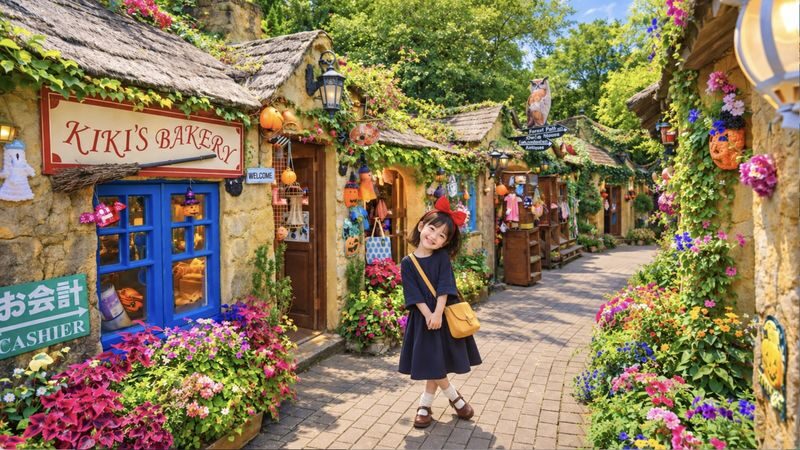
Yufuin Floral Village recreates an English village style and gathers fairy-tale-themed shops, including Alice in Wonderland and Peter Rabbit references. The tour description also points to Ghibli-inspired features and an Owl Forest experience. This is a deliberately playful stop, more themed shopping street than quiet old town. If that sounds fun, browse; if you prefer scenery, keep some of your time for the lake and mountain views.
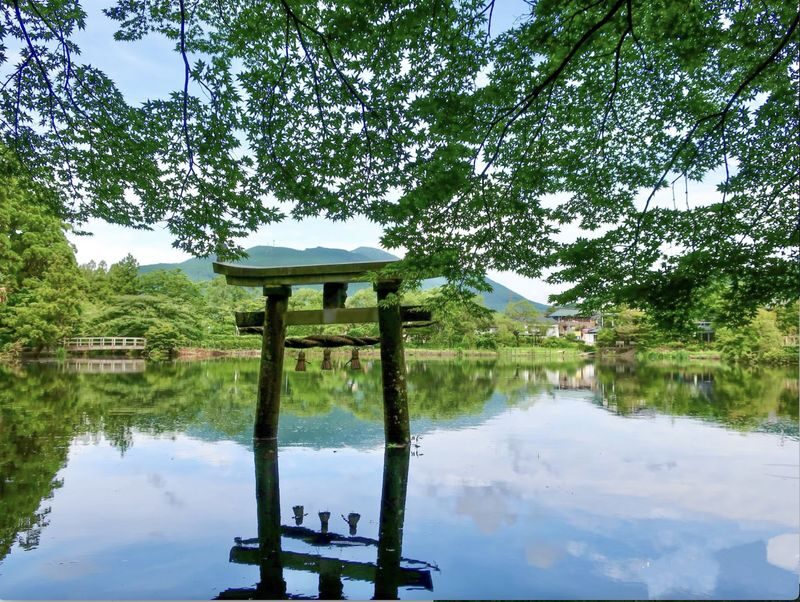
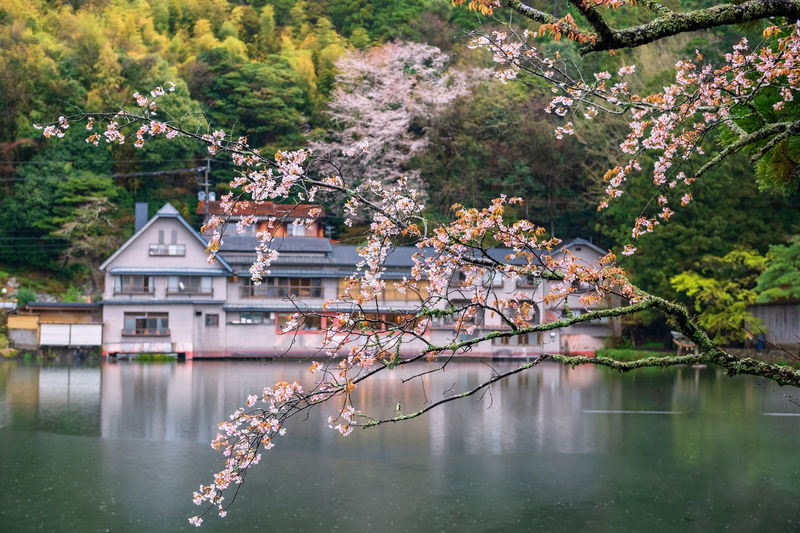
Kinrinko Lake and its water torii are included among the tour’s places to visit, but the schedule does not give the lake its own separate timed stop. Treat it as something to fit into your Yufuin free time, and ask your guide where to head first so you do not spend the whole visit browsing. The same goes for lunch: the stop is long enough to make room for a meal, but you will need to keep an eye on the meeting time.
You can also take a rickshaw ride at your own expense. It is a way to see more with less walking, but it uses both time and extra money, so decide whether you would rather ride or explore on foot. Yufuin’s appeal lies in the choice: shop, eat, look for the lake, or take in the views of the surrounding mountains.
At 14:40 the bus is scheduled to stop at Mount Yufu’s trailhead for about 15 minutes. The volcanic peak changes character with the seasons, with green spring views, autumn color and winter snow mentioned as photo draws. Do not plan on a hike during this short stop. There is also an important access caveat: from June 1, traffic control may mean viewing the mountain from the bus window rather than getting out. In winter, the trailhead may close, and the time in Yufuin may be extended by 30 minutes instead.
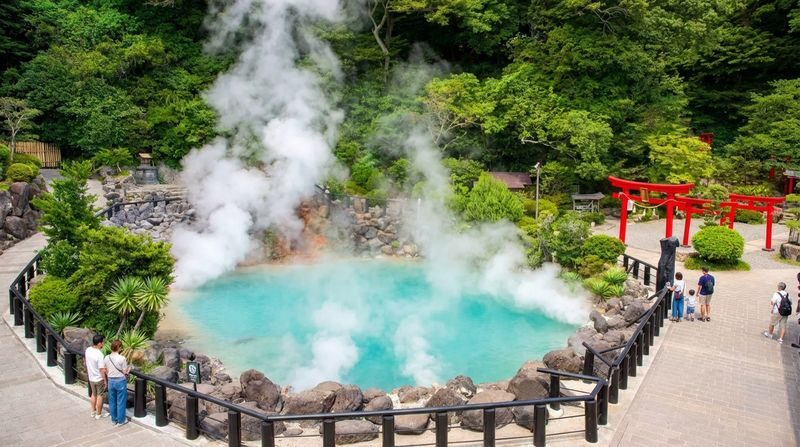
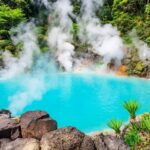
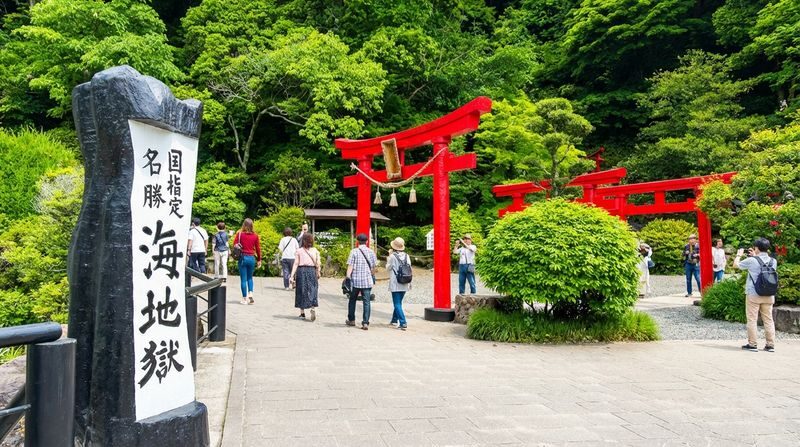
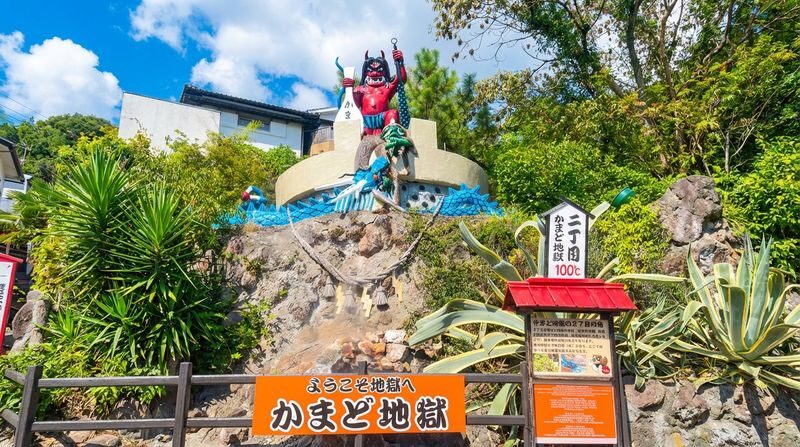
The afternoon moves to Beppu, where the tour spends about an hour at the Hells Hot Springs. The word hell refers to the hot, steaming geothermal pools and vents, not a place to soak. Boiling water, mud and steam rise from the ground, creating a vivid look at Kyushu’s volcanic activity.
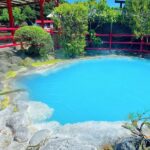
Sea Hell, or Umi Jigoku, is the striking blue pool highlighted by this tour. Kamado Jigoku is also named among the stops. The exact time you spend at each site is not specified, so expect to make choices rather than inspect every corner at leisure. The hells are distinct viewing attractions, and the hour-long visit is a compact introduction, not a full exploration of Beppu.
Admission needs a close look when you book. The general tour information lists a 900-yen Hell ticket as not included, while some package options advertise a free Sea Hell ticket. Check the exact package you select and what it covers. A free Sea Hell ticket should not be assumed to include admission to every hell.
The tour is planned for 08:30 to 18:30, but the return time is an estimate. You cover a broad stretch of northern Kyushu in one day, and road conditions are the main wild card. Weekend and holiday traffic can slow the bus, particularly during Obon, August 13 to 16, and busy flower or autumn-leaf periods. Stops may be shortened or rearranged to keep the day moving.
That makes this a useful tour if you want to see several places but do not want to plan the connections yourself. It also means you should keep your evening open. Bring a light meal or snack, water and a power bank, especially if you are visiting during a crowded season. Comfortable shoes and light clothing make sense, with an extra layer if the weather calls for it.
The vehicle size depends on the number of participants, and groups can be as large as 49. On a small departure, the driver may also act as the attendant, with no separate tour leader. Seat requests can be noted but are not guaranteed; allocation may follow a first-come, first-served approach. If you are sensitive to space or sunlight, arriving promptly and asking the guide about seating is sensible, though the final arrangement is up to the tour team.
The guide can shape how easy this busy day feels. Names associated with departures include Daisy, Nicole, Jimmy and others, but the assigned guide varies. Strong guiding on this route means more than giving facts on the bus: it includes helping you find the meeting point, keeping the group on time, explaining the stops and offering practical suggestions for where to eat or what to see first. Daisy and Nicole are among the guides praised for helpful explanations, while Jimmy is also noted for clear, patient introductions.
Language needs a little care. The activity information describes English-speaking support and mentions Cantonese, Chinese and English options, but another notice says Chinese or Japanese is the default and English must be requested, with arrangements subject to availability. Add your language request when booking and confirm it before departure. The group may include people using other languages, and explanations may be shared across the group.
A pre-trip message is expected between 17:00 and 21:00 on the day before departure. Check your email, including spam, and use the latest message if you receive more than one. If you do not receive details, arrive at the meeting point ten minutes early and ask for the tour guide flag.
The minimum group size is one participant, but the operator may cancel if the required group size is not met; the cancellation notice is due one day before departure. Typhoons or blizzards can also prompt a decision about cancellation the evening before. The tour does not include personal insurance, hotel pickup or luggage storage, so plan your own way to the meeting point and do not bring more bags than you can manage.
Prices start at $44.20, which is appealing for a 10-hour trip linking Fukuoka with Yufuin and Beppu. The value comes mainly from transport and the chance to see several distant places without having to arrange buses or other connections yourself. The tour also makes solo travel straightforward: you can book without finding a companion, and the group format provides a set route and return plan.
The low starting price is not the whole cost. Check whether your chosen package includes Sea Hell admission, and allow for other entrance fees, meals, a possible rickshaw ride and personal purchases. The listed general admission charge for the hells is 900 yen, though package details differ. Compare the actual package inclusions before you decide.
Time is the other part of the bargain. You get a strong overview, not a slow visit to every site. Yufuin’s 2 hours 20 minutes is the day’s best chance to wander at your own pace; the temple and Beppu stops are shorter. If you would rather linger, soak in an onsen or explore Beppu in depth, an overnight stay would suit you better.
I would book it if you want a convenient first look at Yufuin and Beppu, value a guide and shared transport, and are comfortable with a full day on the road. The combination of the Frog Temple’s seasonal chimes, Yufuin’s shops and lake, and Beppu’s geothermal pools gives the day a good range of sights.
I would skip it if you dislike group schedules, need a guaranteed return time, or want several relaxed hours at each stop. For the best chance of enjoying it, go on a less crowded day if your dates allow, confirm your guide language and ticket inclusions, and keep your evening free. That is a fair trade for seeing three very different sides of Kyushu without building the route yourself.
“Well organized with links. Thank you Eiichi-san and Kama-san”
It departs from Lawson Fukuoka Oriental Hotel. Arrive at least ten minutes before the 08:30 departure and look for the tour guide flag.
The planned day runs from 08:30 to 18:30. The return time can change with traffic and weather.
The scheduled stop is 2 hours 20 minutes. You can use the time for Yufuin Floral Village, Kinrinko Lake, food or other independent exploring.
No. The festival is held from May through August. The temple remains a stop outside those months, but the seasonal wind chime display should not be expected.
No. They are geothermal sights for viewing, with hot water, mud and steam. The tour lists Sea Hell and Kamado Jigoku.
It depends on the package. General tour information lists a 900-yen Hell ticket as not included, while some options advertise a free Sea Hell ticket. Check the inclusions for your selected package.
The information is inconsistent. English support is described, but another notice says English must be requested when booking and is subject to availability. Make your language request in advance and confirm it before the tour.
The stated cancellation terms offer a full refund if you cancel at least 24 hours before the activity date, based on the destination’s local time.