Physical Address
304 North Cardinal St.
Dorchester Center, MA 02124
Physical Address
304 North Cardinal St.
Dorchester Center, MA 02124

Compare the Takachiho Gorge and Mount Aso day tour from Kumamoto, with boat and train options, key costs, seasonal changes, and practical advice.
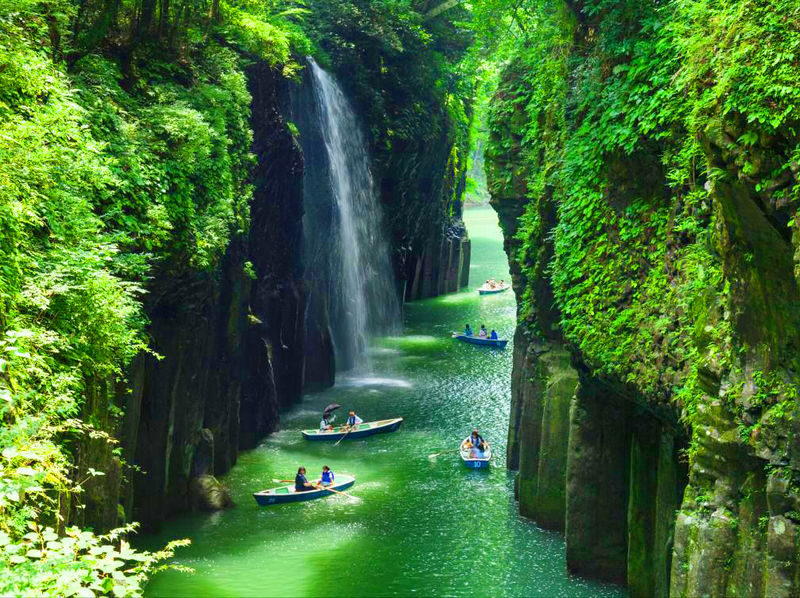
Takachiho Gorge is the kind of place that earns its keep in a photograph: dark columnar cliffs rise above a clear stream, with Manai Falls spilling down between them. This full-day trip pairs that dramatic gorge with Mount Aso and Kusasenri, a lot of Kyushu scenery for one day without having to plan the long connections yourself.
I like two things in particular: the mix of gorge, grassland and volcano gives the day real variety, and the bus makes a difficult public-transport route manageable. Guides such as Sun Peng and Kong have also been praised for lively explanations and thoughtful help with timing, directions and photos.
The trade-off is a long day with a schedule that can change. The boat, train and crater may be unavailable because of ticket capacity, weather, safety alerts or seasonal closures, and the standard package does not include the boat ticket. Confirm the day’s arrangements, and do not book a tight evening connection.
This tour links sights that are spread across a wide area: Takachiho Gorge in Miyazaki Prefecture, the high grasslands below Mount Aso, and the volcano itself. Going independently means working out long drives or less convenient public transport between them. A shared bus solves much of that puzzle and lets you see several major sights in one day.
That convenience comes with a brisk pace. The published plan gives roughly 90 minutes at Takachiho Gorge, an hour at Kusasenri, and shorter stops elsewhere. Traffic, weather and attraction operations can change the order or the time at each place. Think of this as a sampler of the region, not a slow visit with time for every path and viewpoint.
The listed day begins around 8:00 and returns to Kumamoto Station around 18:00. The schedule gives Mount Aso as an early stop, followed by Kusasenri, Takachiho Gorge and a train or shrine visit, though the order may change. Confirm the meeting time and guide details in the message sent before 20:00 the night before.
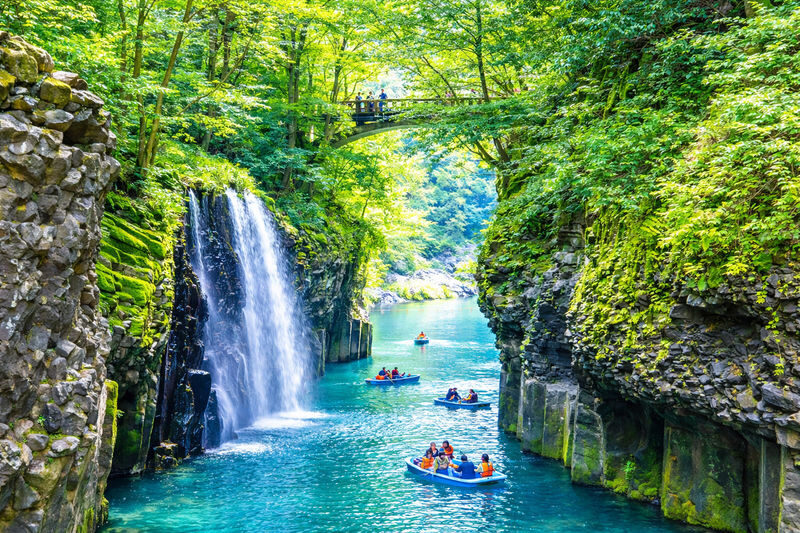
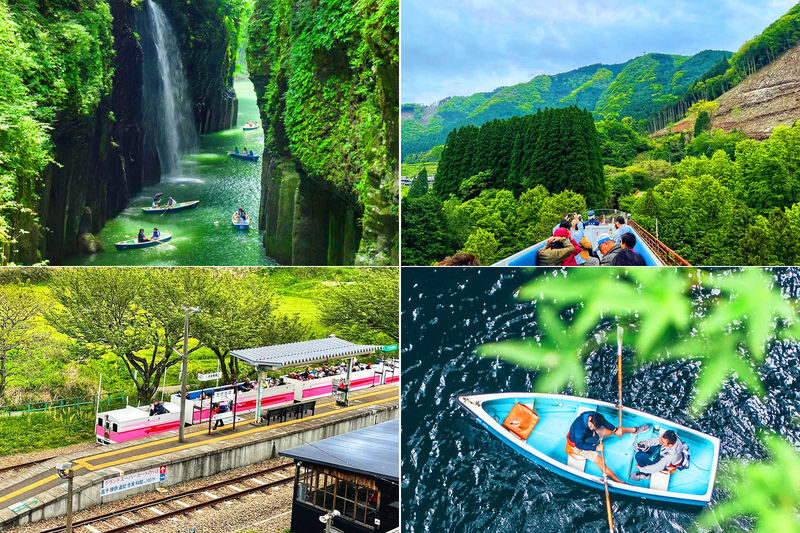
Takachiho Gorge is the day’s most distinctive natural stop. The gorge is known for its steep columnar-jointed rock walls and the stream running below them. Manai Falls drops from the cliff into the gorge, making it the focal point for photos from the trail and, when available, from the water.
You can stroll along the gorge trail, or take a boat to see the cliffs from below. The boat brings you close to the falls and changes the view: instead of looking down into the gorge, you are surrounded by its high rock walls. That is the more memorable option for many people, but it is also the part that needs the most advance attention.
There are two package choices: one includes the Takachiho boat ticket, while the basic day trip does not. Boat tickets can be difficult to secure online and are often not available to buy on site. Even with the boat-included option, the operator says ticket availability cannot be guaranteed; if tickets cannot be obtained, you should be notified in advance. Check the current terms before booking if the boat is central to your plans.
The tour description says solo riders may share a boat with other passengers. Plan on a short walk down to the boarding area and wear shoes with a good grip. The gorge stop is self-guided, so use your allotted time carefully if you want both the trail views and the boat.
Looking for more options in Nishiusuki County? Here are some other experiences worth considering.
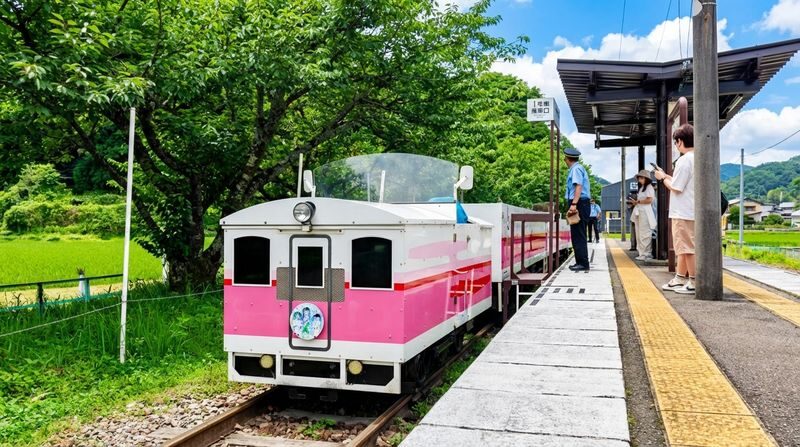
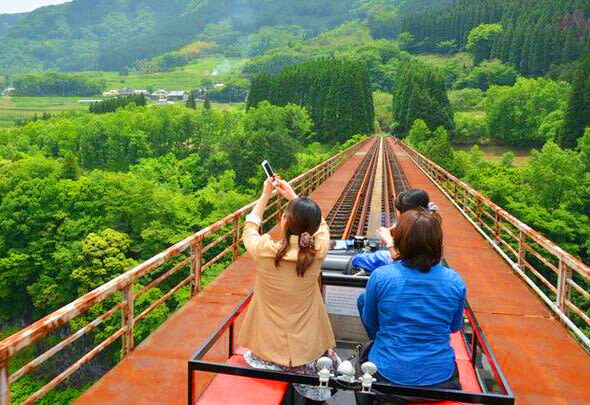
The Takachiho small train adds a different kind of scenery to the day. It moves slowly through mountain and valley country, giving you a calmer look at the forests and stream corridors than the bus window allows. The ride is an optional extra, not part of the stated inclusions. Bring cash for the listed fares: ¥2,300 for adults, ¥1,500 for children and ¥800 for preschoolers.
There are clear exceptions. From December 1 to February 28, the small train is replaced by a visit to Kamishikimi Kumanoza Shrine. The train also does not operate on the third Thursday of each month in 2026, with the itinerary changing to a shrine stop. The tour information also names Takachiho Shrine as an alternative on some closure dates, so confirm which shrine is planned for your specific date.
The shrine alternative shifts the day from a railway ride to a cultural stop. At Kamishikimi Kumanoza Shrine, the route includes the thousand torii gates, a striking setting for a walk and photographs. Neither option is simply a backup to ignore: the train offers moving views through the gorge country, while the shrine provides a quieter visit.
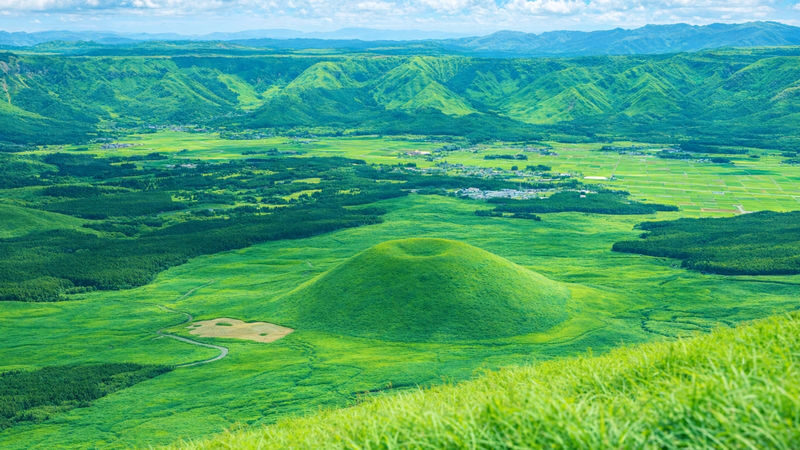
Kusasenri is a broad highland grassland at the foot of Mount Aso, with volcanic peaks visible in the distance. After the narrow gorge, its open space gives the day a welcome change of scale. You have about an hour for a self-guided visit, enough to walk, take photographs and pause for a snack, though not enough for a long wander.
The scenery depends on conditions. Clear weather brings views across the grass toward the surrounding peaks; rain or mist can reduce visibility and make the stop less rewarding. Take a light rain layer if the forecast calls for showers, and wear comfortable shoes for the paths.
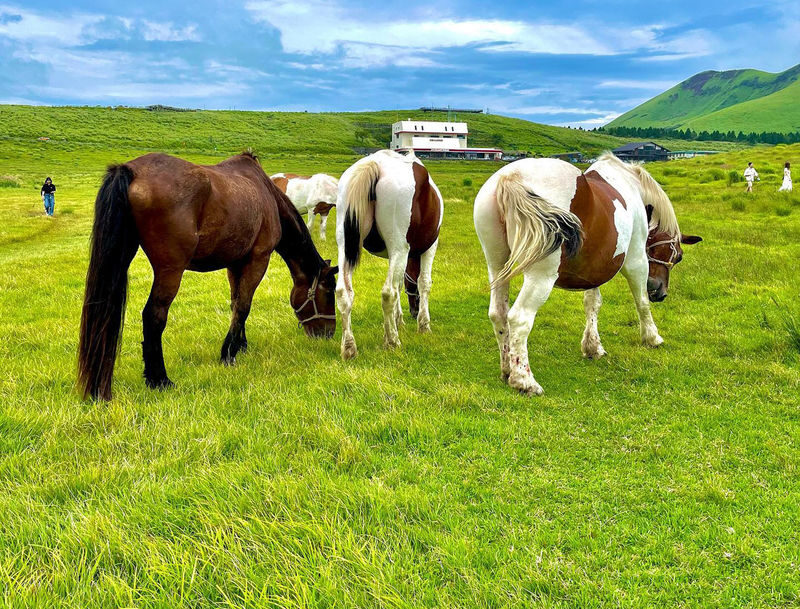
The tour information mentions the possibility of seeing animals at Kusasenri, but it does not guarantee animal encounters. Treat them as a possible extra, not the reason to choose the trip. The main draw is the open view and the sense of space beneath the volcano.
Mount Aso’s Nakadake crater is an active volcanic area. When it is open, you can approach the crater observation area and see the rugged volcanic terrain at close range. The tour description includes a shuttle bus for crater access, while also describing a direct vehicle transfer intended to reduce walking and waiting. Confirm the exact arrangement for your departure, since access procedures can change.
Safety rules take priority here. The tour information notes that the crater has recently been closed following a helicopter accident, and that visits are expected to resume only if the area reopens. It also says a crater closure may mean a visit to Kamishikimi Kumanoza Shrine instead. Weather, volcanic alerts and other operational limits can also lead to changes or skipped stops.
That uncertainty matters. Do not book this tour solely for a guaranteed crater visit. If Aso is open, it can be a powerful finish to a day of varied scenery. If it is closed, the trip still includes other major sights, but the day will not match the volcano-focused plan.
A Chinese-speaking guide is included. Several guides named in the tour information, including Sun Peng and Kong, have been praised for clear explanations, humor and practical help. Sun Peng has also been noted for sharing local stories about Kumamoto, its food and regional customs, and for helping people find photo spots.
If you do not speak Chinese, set realistic expectations. Some English-speaking participants have received written summaries, messages or personal explanations from guides who made an effort to help. Others have found that the main commentary was directed to the Chinese-speaking group, with written English notes a poor substitute if they get carsick when reading on the bus. There is no stated guarantee of English-language guiding.
Before booking, consider how much live commentary matters to you. If you are content with the scenery and basic instructions, the trip may still suit you. If detailed spoken information in English is essential, ask the operator what language support is available for your date rather than relying on past arrangements.
The starting price is $44.20, but the final cost depends on the package and what you want to do. The lower-priced day-trip option excludes the Takachiho boat ticket. The alternative package includes the boat ticket, while the small train remains an extra paid in cash at the listed fares.
The value is mainly in transport and coordination. Takachiho, Kusasenri and Mount Aso are far apart, and public transport is not especially convenient for visiting all of them in one day. A shared vehicle saves you from piecing together several connections and lets you fit the main sights into roughly ten hours. The group can range from one to 49 people, so the feel of the trip may vary with the number booked.
Meals, drinks, personal expenses and insurance are not included. Bring snacks for the long day, and budget separately for any optional activity not covered by your chosen package. The price is attractive if you want the transport and a broad overview, but less compelling if you expect a private, flexible day or guaranteed access to every listed attraction.
Arrive at the meeting point 10 minutes early. The departure time may be adjusted, so check your email before 20:00 the evening before and make sure the contact app you supplied can receive messages in Japan. The vehicle is assigned based on group size, and seats are allocated on a first-come basis.
This tour involves walking at the gorge and outdoor stops at higher elevations. Comfortable shoes are a must; bring warm clothing in winter or for the mountain stops. Keep a power bank and snacks handy, particularly on busy weekends and public holidays, when road delays can affect the return time.
Children and infants must be included in the passenger count. Participants must be under 70. If you need to bring luggage, tell the operator in advance, since the tour information warns that unannounced luggage may prevent boarding.
The stated cancellation terms allow a full refund when you cancel at least 24 hours before the activity date. Changes are also allowed until 24 hours before departure, subject to listed exceptions. Weather, road conditions and safety closures can change the day’s plan, so leave room in your evening schedule rather than booking a tight train, flight or dinner reservation.
Book it if you have one day in Kumamoto, want to see both Takachiho Gorge and the Aso area, and value having transport arranged over a fully flexible schedule. Choose the boat-included package if rowing beneath Manai Falls is a priority, and check the train or shrine plan for your date.
Think twice if you need English commentary, want a guaranteed crater visit, or prefer to spend several unhurried hours at each stop. The best way to approach this trip is as a practical, scenery-packed introduction to Kyushu: varied, convenient and rewarding when the weather and access conditions cooperate.
“Tour itinerary order: Kusasenri – Mount Aso (October 10, 2026, could not visit due to Level 2 alert) – Kumanoimasu Shrine – Sky Train (optional ite…”
The tour lasts about 10 hours. It departs from Kumamoto at around 8:00 and is scheduled to return to Kumamoto Station around 18:00, though traffic and weather may affect the timing.
Only in the package that specifically includes the boat ticket. The standard Kumamoto day-trip option excludes it. Even with the ticket-included option, boat access can depend on ticket availability and operating conditions.
The tour information says buying tickets on site is usually not possible. If you want to take the boat, choose the package that includes the ticket and check the operator’s notice before departure.
No. The small train is an optional extra. The listed cash fares are ¥2,300 for adults, ¥1,500 for children and ¥800 for preschoolers.
From December 1 to February 28, the train visit is replaced with a visit to Kamishikimi Kumanoza Shrine.
No. In 2026, it is closed on the third Thursday of each month, except August 20, when it is scheduled to operate normally. The itinerary changes to a shrine visit on closure days.
No. Access depends on safety and operating conditions. If the crater is closed, the itinerary may change to a shrine visit or another stop.
The included guide is Chinese-speaking. English support has varied, with some guides providing written notes or brief explanations, but English-language guiding is not guaranteed.
Wear comfortable walking shoes, bring snacks for the long day, and pack warm clothing for winter or mountain conditions. A power bank is also recommended, especially during busy travel periods.
Infants and children must be included in the passenger count. Participants must be under 70 years old.