Physical Address
304 North Cardinal St.
Dorchester Center, MA 02124
Physical Address
304 North Cardinal St.
Dorchester Center, MA 02124

See Kyoto’s torii gates, Golden Pavilion and Arashiyama on a full-day bus tour from Osaka, with a guide, translation tools and optional lunch.
Kyoto’s famous sights are spread across the city, and this 10.5-hour bus tour links several of them in one long day from Osaka. You get the orange gates of Fushimi Inari, the Golden Pavilion at Kinkaku-ji, and time around Arashiyama, with a guide handling the transfers between stops.
I like two things in particular: the bus saves you from piecing together Kyoto’s local transport, and guides such as Jewel, Yuki, Naomi and Mako have been praised for clear directions and help with photos. The main compromise is time. Four major areas in one day means you’ll need to keep moving, and the stated schedule does not clearly show how much time is set aside for Kiyomizu-dera.
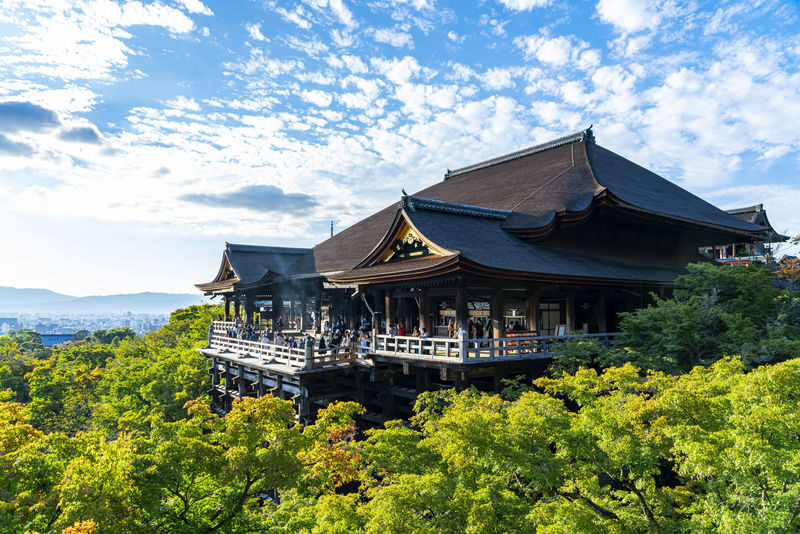
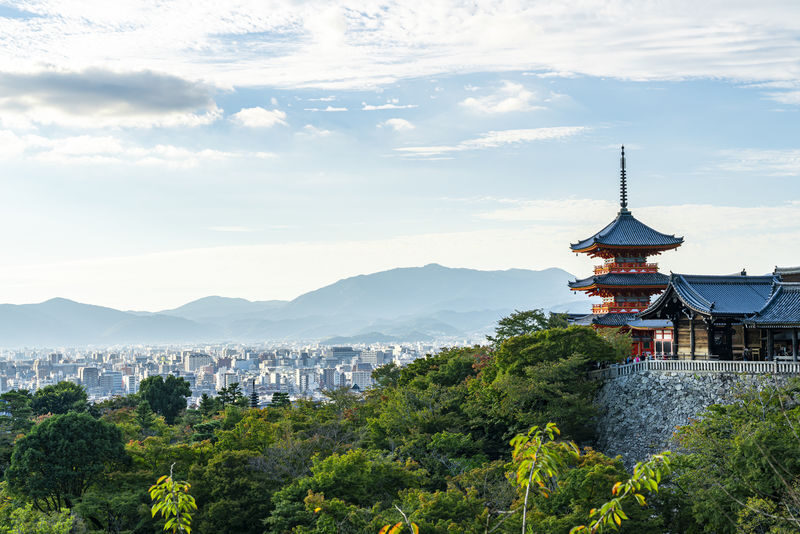
This is a practical way to see Kyoto’s headline sights if you are staying in Osaka and have only one day to spare. You trade the freedom to linger for a driver, a planned route and a guide who can explain where to go when you step off the bus.
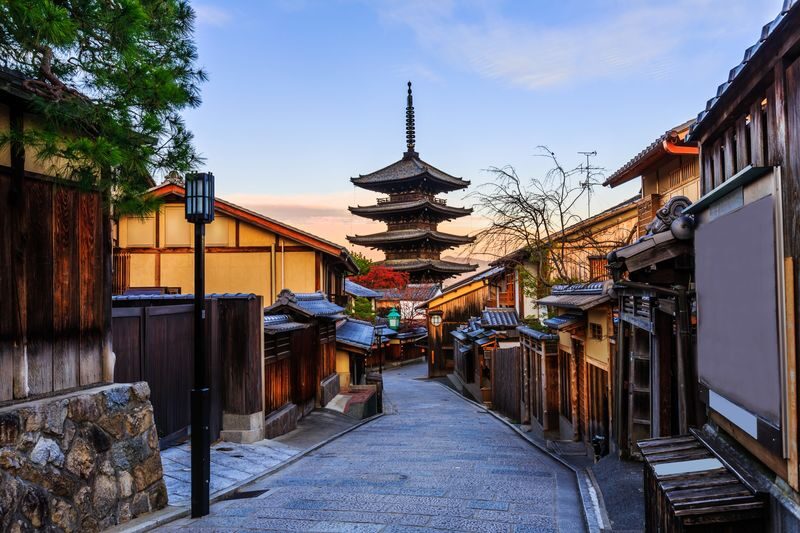
That trade can be worthwhile. Kyoto’s sights are not all clustered together, and managing the day by train or local bus takes planning. Here, the bus links the stops and gives you a chance to rest between walks. The route also brings together distinct moods: wooded trails and orange gates at Fushimi Inari, a gold-covered temple at Kinkaku-ji, and the scenic setting of Arashiyama.
But this is a sampler, not a slow visit. At Kinkaku-ji, the scheduled stop is 45 minutes. Arashiyama gets 1 hour 20 minutes, and Fushimi Inari gets the same. Those blocks include walking, finding the group, and taking in the sights, so you may need to choose between a relaxed pace and seeing every corner.
The overall schedule is 8:00 to 18:20, departing and returning to Osaka. Traffic or weather can change the timing. You should think of the plan as a full day out with a fixed rhythm, not a promise that every stop will unfold to the minute.
Looking for more options in Kyoto? Here are some other experiences worth considering.
Kinkaku-ji is the Golden Pavilion, a Zen temple best known for its gold-leaf exterior beside a pond and carefully kept gardens. It is an easy place to understand at a glance: the building, its reflection and the surrounding grounds make a striking scene.
The scheduled visit is 45 minutes, which gives you time to see the main view and walk through the garden route, but not to linger. The grounds are popular, and a busy day can make it harder to move freely or pause for photos. If this temple is high on your list, arrive ready to follow the route rather than expecting a quiet stretch of contemplation.
One important booking detail: the tour information gives mixed signals about admission. The timed schedule says the Kinkaku-ji entrance fee is not included for the bus-only tour, while the inclusions and package names also refer to admission tickets. Check the exact package you select and do not assume every fare covers entry.
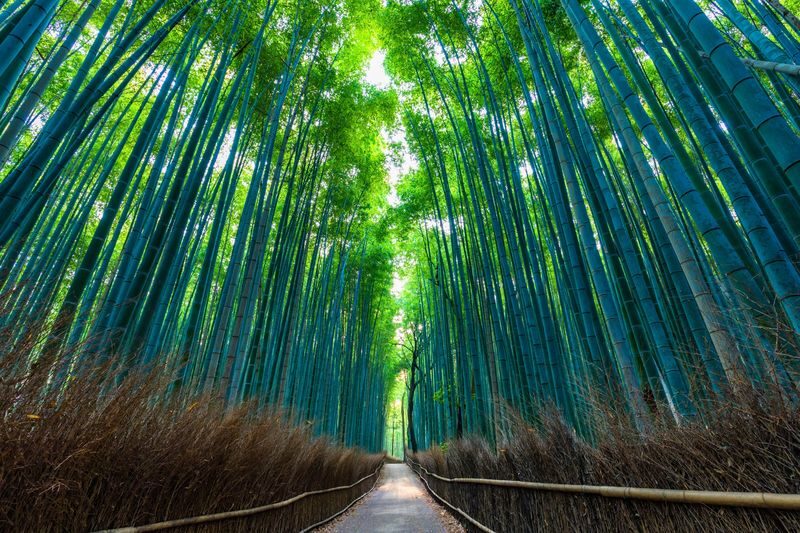
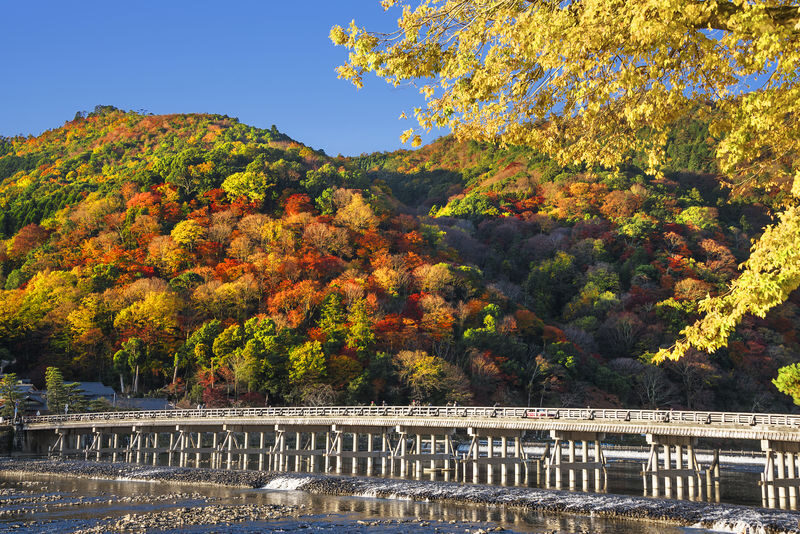
Arashiyama sits in western Kyoto and is known for its bamboo forest, scenic bridge and surrounding sights. The tour allows 1 hour 20 minutes here. That is enough for a brisk visit to the central area, but Arashiyama has more to explore than a single bamboo-path photo stop.
Mind the walk: it takes about 20 minutes, or 1.3 kilometres, from the bus stop to Arashiyama Torokko Station. That distance matters when your time is limited. You may need to focus on the main sights near your route rather than adding extra stops or browsing at length.
This is one of the stops where the tour’s value and its limits are clearest. The bus gets you into the area without a chain of transfers, but a short visit cannot do justice to everything nearby. If you want a slower day among Arashiyama’s sights, consider setting aside a separate visit instead of trying to fit it all into this route.
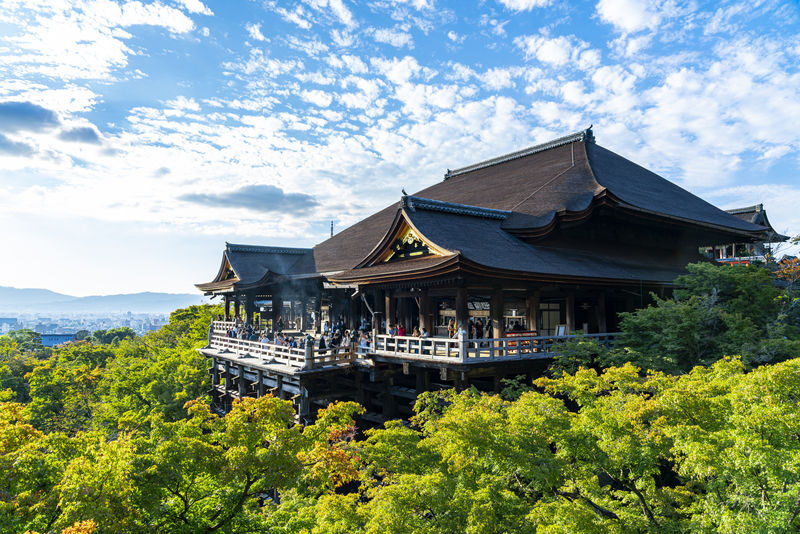
The tour allows 1 hour 10 minutes for a meal. Depending on the package, lunch may be a buffet or a chicken or tempura set meal, or you may choose an option without lunch. The tour description also suggests eating at Kiyomizu-dera or choosing a local place nearby.
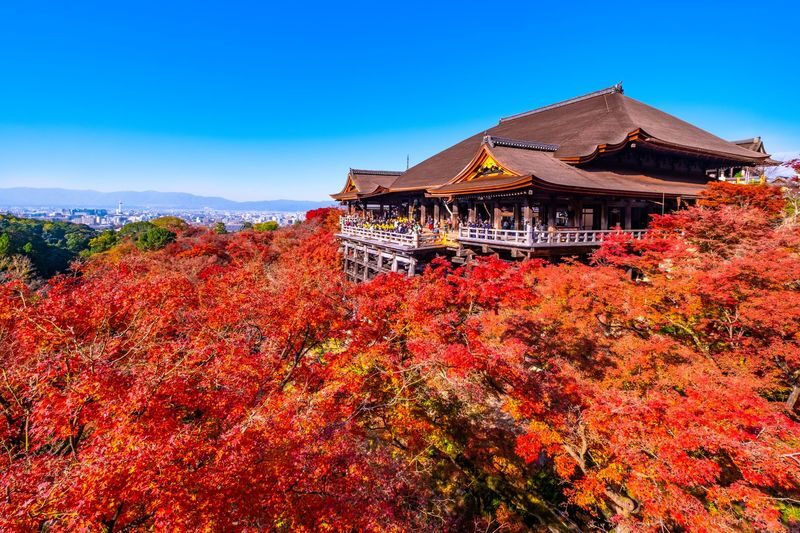
Here is the point to clarify before booking: Kiyomizu-dera appears among the tour’s advertised sights and is named as an included admission in the general inclusions, but the timed schedule does not give it a clear, separate stop. It lists Kinkaku-ji, Arashiyama, a meal and Fushimi Inari. Since the schedule’s meal entry is the only timed item connected to Kiyomizu-dera, confirm whether your selected departure and package include a proper visit there, and how long you will have.
If you choose a meal package, the included food may make the day easier to manage. But lunch options are not suitable for everyone: halal and vegan meals are not available. If you need either, choose a package without lunch and bring your own food.

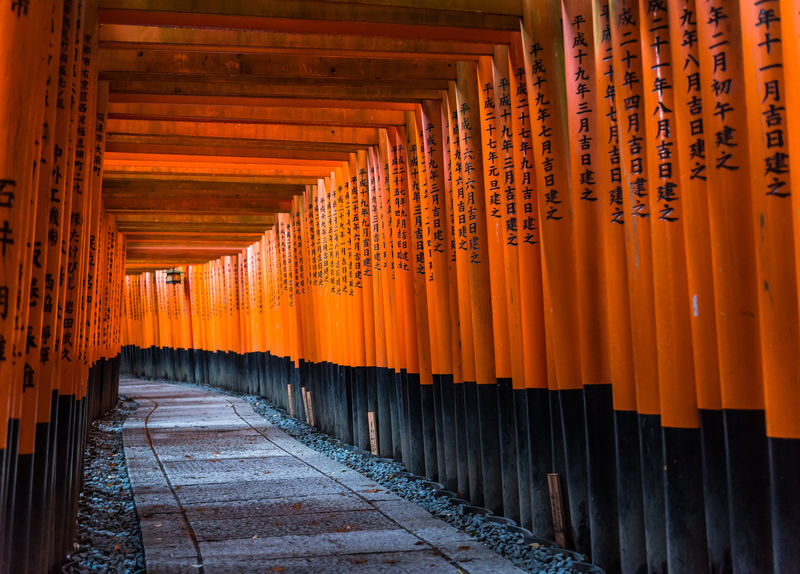
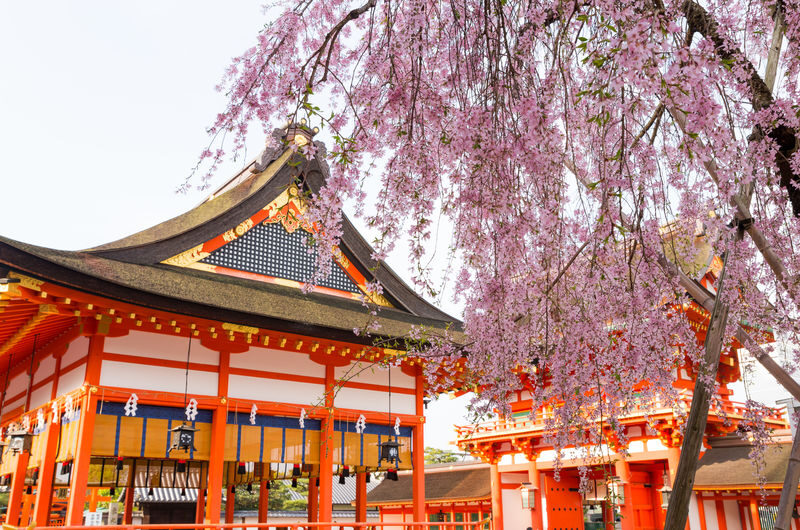
Fushimi Inari Taisha is the Kyoto headquarters of a network of shrines dedicated to Inari. Its famous rows of orange torii gates wind through wooded hillsides, creating one of Japan’s most recognizable walking routes.
The allotted 1 hour 20 minutes is enough to enter the shrine grounds and walk through part of the gates. It is not enough to take your time over every stretch, especially if you want to climb farther into the wooded area. Set a turnaround point that fits the group’s meeting time, and keep an eye on the clock.
The scale of the shrine grounds makes this stop feel different from Kinkaku-ji. The Golden Pavilion is a focused view with a garden walk; Fushimi Inari invites you along a route that can keep going. You will get more from the visit if you are comfortable walking and do not expect to reach every section.
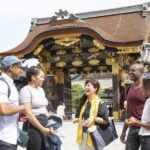
The guide is an important part of a day with several quick stops. Guides named by past participants include Jewel or Jewell, Yuki, Naomi, Mako, Maria and Riko. Names change with the date, but the traits worth looking for are consistent: clear instructions about meeting points and return times, useful background during the drive, and help getting oriented at each site.
Some guides have also helped with family photos and pointed out good picture spots. That can be a real plus when you are trying to make the most of a short stop. Other accounts describe less detailed commentary, and one group found that commentary in two languages at once was distracting. Your experience will depend on the guide, group arrangement and language setup that day.
The translation tool connects to your smartphone and supports speech and text in more than 75 languages. Bring your own earphones, and make sure your phone is charged. A portable battery is sensible because the service uses your phone throughout the day. The tool is a useful bridge for following instructions, though it does not replace checking the guide’s meeting time and location yourself.
The bus is the other major convenience. It removes the need to navigate transfers between distant sights, and the ride offers a break after walking. Some departures may use a bus shared with another language group, so the amount of English commentary can vary. One practical downside is that the bus parking area may be some distance from a sight, adding walking at the start or end of a stop.
The tour starts at $56.85, but the price depends on the package. Options include admission tickets, buffet lunch with admissions, and chicken set meal with admissions. Other versions are described as bus-only or transport-only, so compare the inclusions rather than judging by the starting figure.
At the lower end, you are mainly paying for the transport plan and the ability to cover several far-flung sights in one day. That can be good value if you are short on time, travelling with family, or would rather not work out Kyoto’s connections yourself. Admission and meals can add cost, so check the final total for the package you want.
The guided bus is not a bargain if your ideal Kyoto day means lingering at one temple, wandering side streets or taking a long lunch. You are paying for reach and convenience, not a private guide or unlimited time. The best value comes when you treat the route as an introduction and accept that you will leave some places wanting more.
I would consider this tour if you are based in Osaka, want to see Kyoto’s best-known sights, and have only one day available. It can also suit a family group or a party that prefers a single transport plan over managing several changes between local services. The guide’s instructions and help at stops can make the day less taxing to organize.
It is less suitable if you have limited stamina for walking, dislike a tight schedule, or want substantial time at each place. Young children under three can join free if they do not occupy a separate seat; they must sit on an adult’s lap, and only foldable strollers are allowed. The stroller is stored under the bus.
Bring comfortable footwear, earphones, a charged phone and a portable battery. If you are not taking a meal package, bring food that works for your needs. Be at the Hearton Hotel Nishiumeda meeting point 10 minutes before departure; late arrivals and no-shows are not refunded. Free cancellation is available with at least 48 hours’ notice.
Book this tour if your priority is seeing several famous Kyoto sights in one day without arranging the transport yourself. Its strongest points are the broad route, the direct bus connection from Osaka, and guides who often make the short stops easier with clear directions and photo help.
Skip it if you would rather spend a half day at one or two places, or if you need a firm, detailed plan for Kiyomizu-dera before paying. First confirm the chosen package’s admissions and meal, and ask how the Kiyomizu-dera visit fits into the day. If those details suit you, this is a useful Kyoto sampler. Just leave room in your plans for a return visit.
“Staying at the Hatton Hotel made it very convenient for pick-up and drop-off. Our tour guide, Yuki-san, explained all the important details to us o…”
The Umeda departure meets in front of Hearton Hotel Nishiumeda. Look for staff holding a sign marked LIMON, and arrive 10 minutes early. Other package versions may have a different departure point.
The stated schedule is 8:00 to 18:20, with a return to the Hearton Hotel Nishiumeda area. Traffic and weather may change the schedule.
The tour information names Kinkaku-ji, Arashiyama, Fushimi Inari Taisha and Kiyomizu-dera. The timed schedule does not clearly assign Kiyomizu-dera its own stop, so confirm its place in the day before booking.
Admission depends on the package. The available options include admission tickets, but the bus-only instructions say Kinkaku-ji entry is not included. Check your chosen fare carefully.
Some packages include a buffet or a set meal, while other options do not include lunch. Halal and vegan meals are not available; choose a no-lunch option and bring your own food if needed.
Bring a smartphone and your own earphones. A portable battery is advised because the real-time translation tool connects to your phone and uses it during the tour.
Children aged 0 to 2 can join free if they do not need a separate seat. They must sit on an adult’s lap, and only foldable strollers are allowed; strollers are stored under the bus.