Physical Address
304 North Cardinal St.
Dorchester Center, MA 02124
Physical Address
304 North Cardinal St.
Dorchester Center, MA 02124

Compare Hakone’s lakeside shrine, pirate ship, ropeway, volcanic vents, and Fuji viewpoints on a full-day trip from Tokyo.
Lake Ashi, a red torii gate, and Mount Fuji can make a fine trio, but this tour’s appeal is the range: in one long day you move from shrine steps to a lake cruise, ride the Hakone Ropeway above volcanic terrain, then finish at Fuji-viewing spots in Yamanashi. It is a lot of Japan in a single outing.
I like two things in particular: the mix of scenery and culture, and the chance to see Fuji from several settings rather than relying on one viewpoint. The ropeway ticket is included, and the bus connects places that would take more planning to link on your own. The trade-off is a packed schedule, with extra costs for the boat and meals, and Fuji itself may be hidden by cloud.
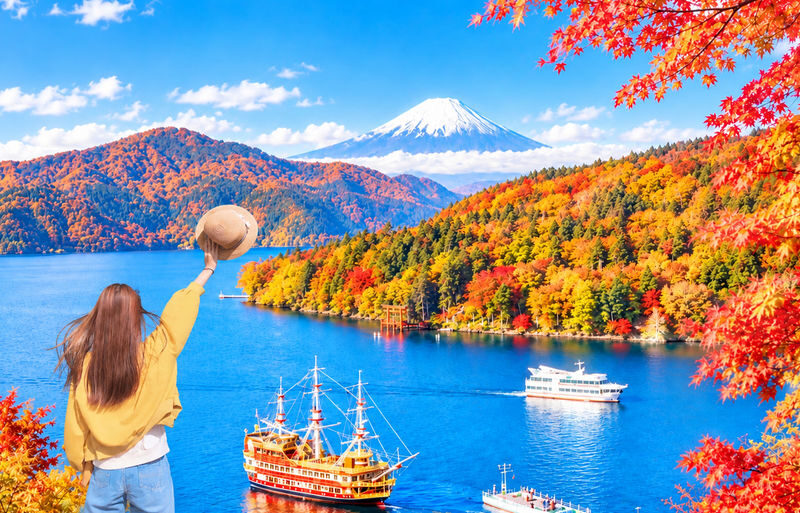
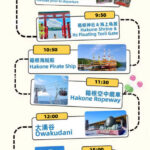
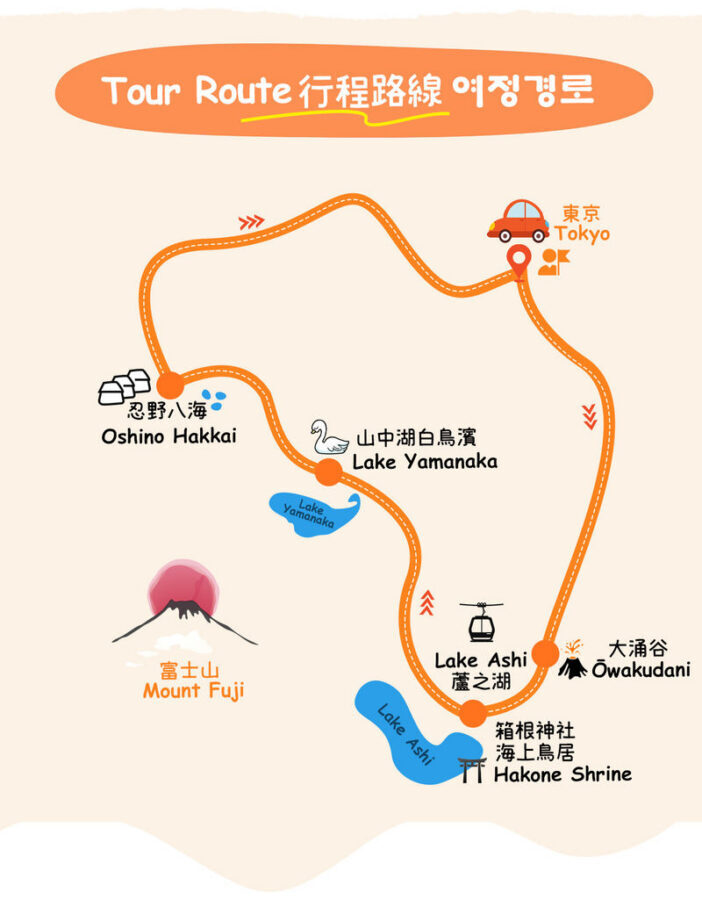
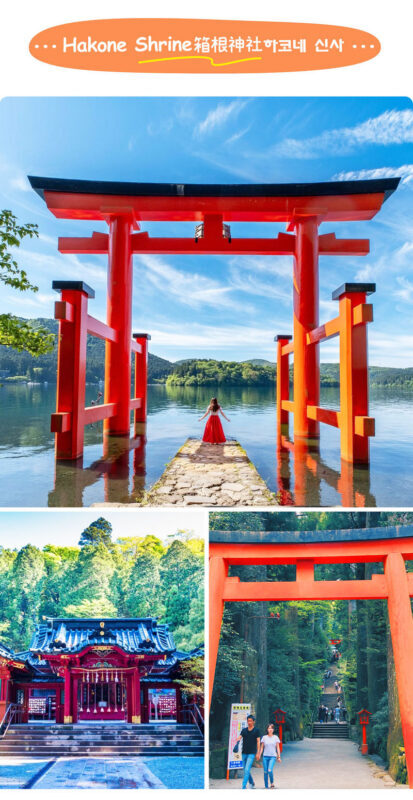
The day begins at Hakone Shrine, a wooded sanctuary known for its cedar-lined approach and long association with mountain worship. The itinerary allows about an hour here, so you can take in the shrine setting and walk among the trees, but you will need to keep an eye on the time if you want both a thoughtful visit and photos.
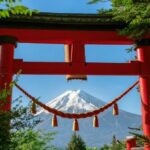
The famous red Heiwa no Torii stands at the lake’s edge, appearing to rise from the water. The tour information notes that access to this attraction is closed at present and that the gate can only be photographed from a distance. Check current conditions before you go, and don’t build your whole day around walking up to the torii.
The shrine stop is a useful cultural counterpoint to the day’s natural sights. It also gives you a chance to slow down before the busier transport-and-viewpoint sequence begins. Still, an hour is not a leisurely shrine visit if crowds are heavy or you want to explore every path.
Looking for more options in Fujiyoshida? Here are some other experiences worth considering.
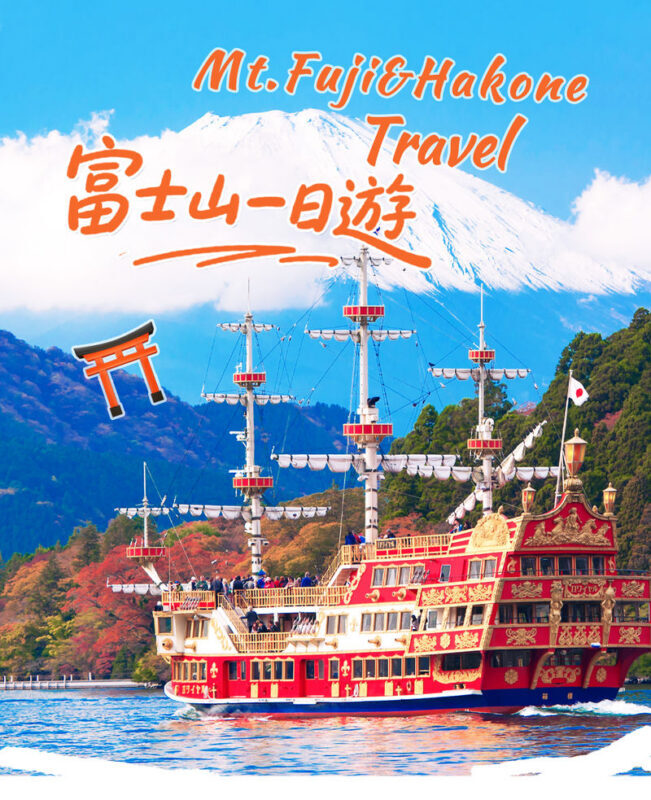
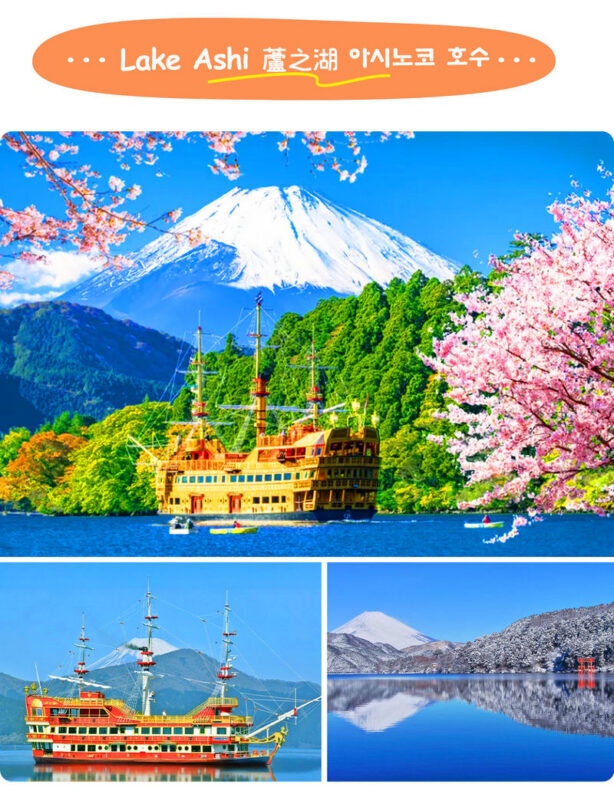
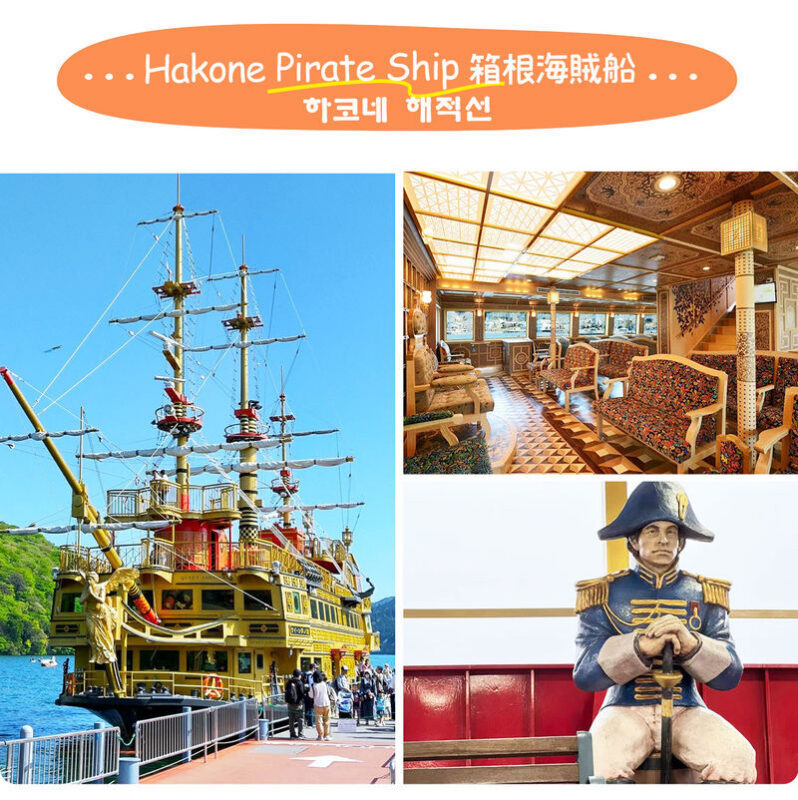
From Moto-Hakone, the plan is to board the Hakone Sightseeing Cruise for a roughly 30-minute ride to Togendai. The ornate pirate-ship style is playful, but the practical appeal is the view: you get a different perspective on the lake, its wooded shores, and, when visibility cooperates, Mount Fuji.
The cruise is not included in the tour price. The stated one-way fare is ¥1,700 per person, so add that to your budget if the boat is part of the day you want. If you skip it, the group travels by vehicle to Togendai Ropeway Station instead.
That choice matters because the schedule is tight. Taking the boat adds a memorable stretch on the water, while driving may preserve more time for the later stops if delays have already eaten into the day. The boat is one of the tour’s signature elements, but there is no need to treat it as compulsory if you would rather save the fare or prefer to keep the day moving.
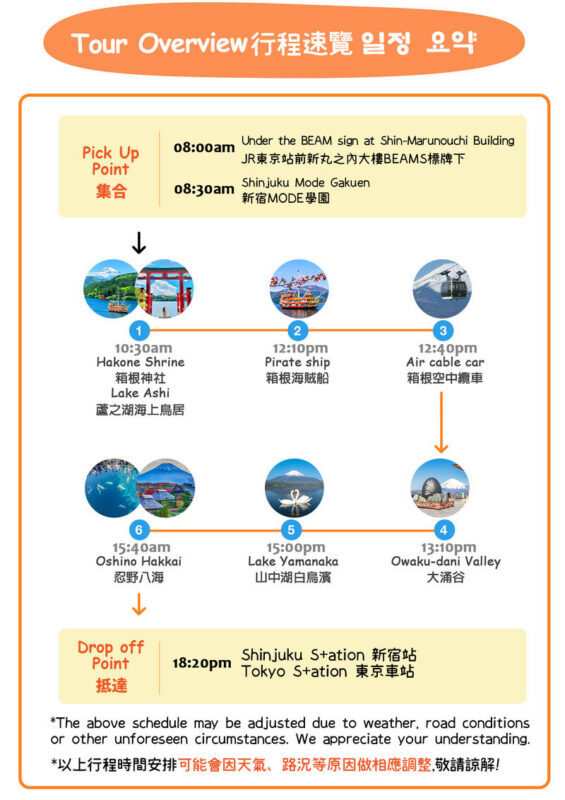
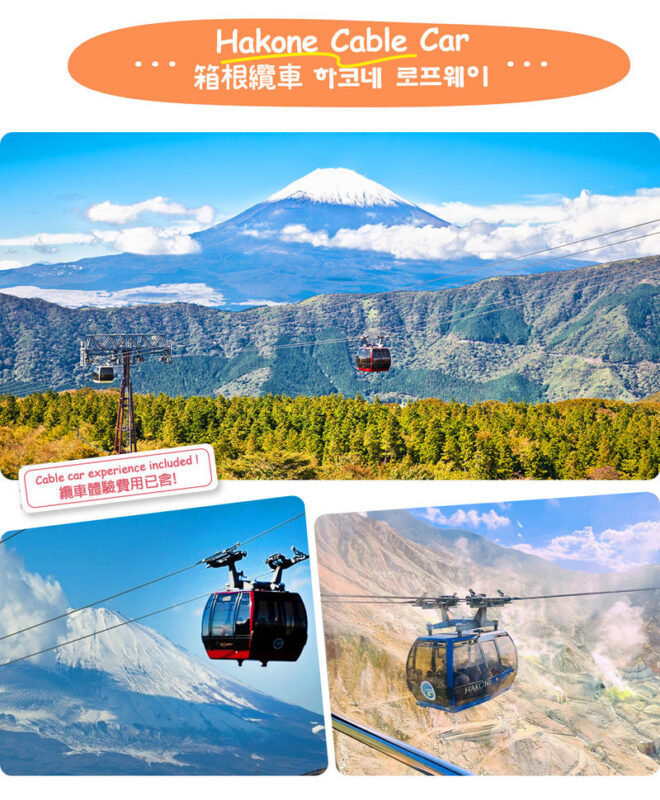
The ropeway from Togendai toward Owakudani is included, and it gives you an elevated view across Hakone’s volcanic terrain. On a clear day, the ride may also reveal Mount Fuji. The itinerary allows around 30 minutes for this leg, followed by about 50 minutes at Owakudani.
Owakudani is the day’s most dramatic stop. Steam rises from geothermal vents, and the rough crater terrain makes the area feel unlike the calm lakeside settings earlier on. You can buy the famous black eggs here, cooked in the area’s hot springs. The story that each egg adds seven years to your life is local folklore, not a medical guarantee, but it makes a fine snack with a story attached.
Lunch may also be available at Owakudani, though the schedule places a separate lunch break later. Follow the guide’s instructions about timing and meeting points, especially if you leave the group area to buy food. The ropeway and volcanic site are among the best reasons to choose this tour over a simple drive to Fuji photo stops, but weather or operations can affect the ride.
The schedule includes roughly 50 minutes for lunch, with the precise location and timing arranged on the day. The guide may recommend restaurants, and listed meal choices include fried chicken or a vegetarian meal for ¥1,500, and wagyu beef or eel for ¥3,000. Drinks are listed at ¥500 for an all-you-can-drink option. These are extra costs, and menu availability may vary.
You can also bring your own lunch or buy food at Oshino Hakkai. That flexibility is worth using if you have dietary needs, want to control spending, or would rather not risk a rushed meal. One reported meal experience involved an unpleasant eating area, so I would not treat the set lunch as a reason to book. Ask what the current arrangement is, or pack something simple.
A short lunch stop also means this is not the day for a slow sit-down meal. If you want to spend more time eating, you may have to give up some time at a sightseeing stop, depending on how the group schedule is running.
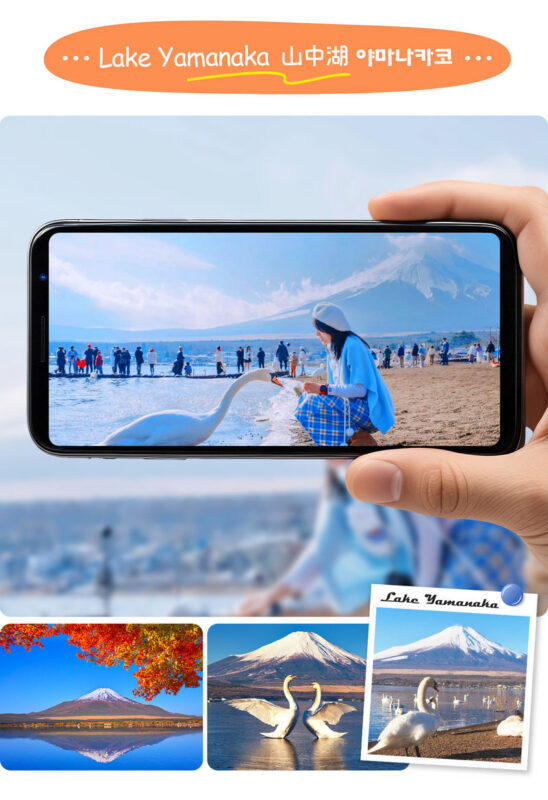
In the afternoon, the tour stops at Shiratori Hama, often called Swan Beach, on Lake Yamanaka. The planned visit is about 20 minutes. Swans gather by the shore, and the lake gives you another chance to frame Mount Fuji behind the water and birds.
This is a compact photo stop, not a long lakeside walk. If Fuji is visible, the combination of swans, lake, and mountain can be especially appealing. But the mountain’s visibility changes with weather and season, and summer is noted as a period when views are less reliable. Even the best itinerary cannot make clouds move on schedule.
Keep your camera ready, but don’t spend every minute trying to force the perfect shot. A quick look at the lake and birds is part of the point. The stop offers a gentler change of pace after Owakudani’s steam and rocky ground.
The final sightseeing stop is Oshino Hakkai, where eight clear springs are fed by snowmelt filtered through Mount Fuji. The tour allows around 40 minutes. The pools, small village setting, and mountain views give the stop a different feel from the wide-open lake viewpoints.
The clear water is the main attraction, reflecting sky and, when conditions allow, Fuji. It is a good place to slow your pace for a few minutes, though the short visit means you should decide what matters most: seeing the springs, browsing the village, or taking photos. Some people would happily spend longer here, so be prepared to move on when the guide calls the group.
Oshino Hakkai is also a useful final stop because it brings the day back to Fuji’s connection with the region’s water. The eight springs are not just pretty ponds; their water comes from the mountain’s snowmelt. That makes the site a fitting close to a day built around Fuji’s presence, even if the summit stays behind cloud.
The advertised starting price is $49.29, but the actual package price can vary. At that level, the value comes from round-trip transport from Tokyo, a guide, and an itinerary that links several widely spaced stops. The Hakone Ropeway admission is included. The Lake Ashi cruise, meals, drinks, and personal purchases are not.
Add the boat fare of ¥1,700 if you want to cruise between Moto-Hakone and Togendai. Then decide whether you want to buy lunch or bring your own. The headline fare can be good value if you use the transport and ropeway, but it is not an all-inclusive day.
The group size is listed as 4 to 48, and the vehicle type depends on the number of people. Some packages offer a small-group hotel pickup or a chartered vehicle, while meeting-point options may use a shared vehicle. Read the details for the exact package you select: the private-car wording in the tour description does not apply to every option.
Guide quality can shape the day, especially when the schedule is fast. The guide names vary, but Jack, James, Yuan Yang, and Zhan Jie have been associated with helpful explanations, lively commentary, clear coordination, and taking photos for the group. A separate account of a chartered-car tour described a driver rushing the stops and offering little explanation. That is a useful reminder to check whether you are booking a guided group package or a transport-focused private option, rather than assuming they are the same service.
The planned return begins around 17:45, with arrival estimated between 17:45 and 19:00. That window is only an estimate. The tour covers a long distance, and traffic or weather can push the return later, so leave your evening open. Do not schedule a timed attraction, dinner reservation, or train connection that depends on arriving at the early end of the estimate.
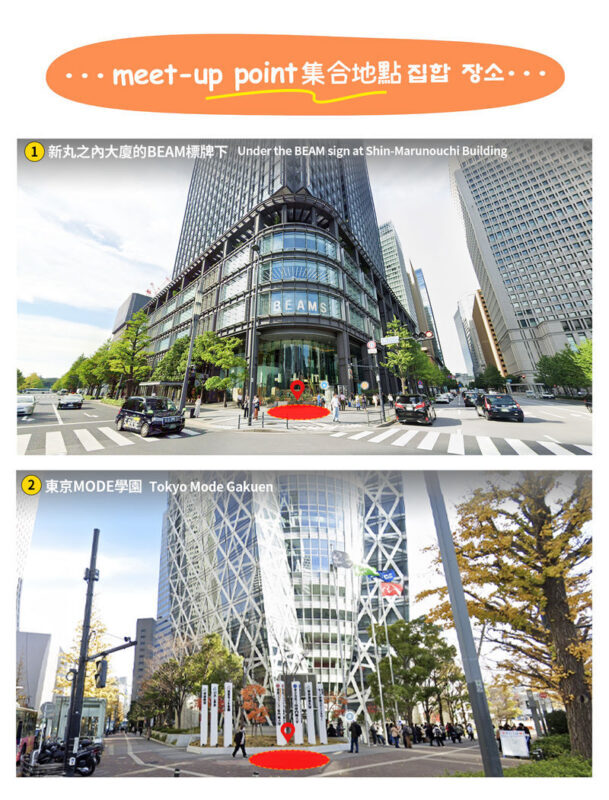
Pickup details need special care because the tour offers different meeting points and departure times. Options listed include Tokyo Station at 08:00 and Shinjuku at 08:30, while the broader schedule also gives a 07:30 departure. The stated return location is Tokyo Station, and the tour information says drop-off is at the same location as pickup. Confirm the exact point and time attached to your chosen package, then check the email sent the evening before for the guide and vehicle details. Arrive 10 minutes early; late arrivals and no-shows are not refunded.
The tour is changeable, and a full refund is available if you cancel at least 24 hours before the activity date. That helps if plans shift, but weather is the bigger uncertainty: Fuji views are never guaranteed, and severe conditions may alter the route or stop operations.
Book this tour if you want to cover Hakone’s shrine, lake, ropeway, volcanic area, and two Fuji-viewing locations without arranging transport between them yourself. It suits first-time visitors who value variety and can accept short stops, a long coach day, and a schedule that may change. Families can bring children aged three and older at the adult rate; children under three ride free if they do not need their own seat.
Choose a slower or more focused plan if you want extended time at the shrine, a long lunch, or an unhurried visit to Oshino Hakkai. And if a clear Fuji view is your main reason for going, keep expectations flexible: the tour gives you several chances, not a promise. For a broad sampling of Hakone and Fuji country at a comparatively low starting price, the combination is compelling, as long as you budget for the boat and food and leave your return evening free.
“I recommend this trip if you want to see mount fuji and you have to visit swan lake”
No. The one-way ride from Moto-Hakone Port to Togendai Port is listed at ¥1,700 per person. If you do not take the boat, the group travels by car to the ropeway station.
Yes. Admission to the Hakone Ropeway is included in the tour.
The tour is listed as 10.5 hours. The return to Tokyo is estimated between 17:45 and 19:00, but traffic and weather can cause delays.
No. Visibility depends on weather, and the tour information notes that views are less reliable in summer.
Meals and drinks are not included. Listed options include fried chicken or a vegetarian meal for ¥1,500, wagyu beef or eel for ¥3,000, and an all-you-can-drink option for ¥500. You can also bring lunch or buy food at Oshino Hakkai.
Meeting-point options include Tokyo Station and Shinjuku, with different departure times. Check the details for your chosen package and the email sent the evening before the tour for the confirmed meeting point and vehicle information.
A full refund is available if you cancel at least 24 hours before the activity date. Changes are allowed until 24 hours before the activity starts, subject to the stated booking conditions.