Physical Address
304 North Cardinal St.
Dorchester Center, MA 02124
Physical Address
304 North Cardinal St.
Dorchester Center, MA 02124

Is Osaka Amazing Pass worth it? Compare transport, attractions, timing rules, digital ticket tips, and the best way to plan a value-packed day.
Osaka Amazing Pass is less a tour than a city-sized ticket wallet: it bundles eligible public transport with admission to dozens of sights, from Osaka Castle to Tsutenkaku Tower. The fun is choosing your own route, then letting the pass take some of the cost and ticket-buying fuss out of the day.
I like two things in particular: one pass can cover both rides and attraction entry, and the range of included sights makes it easy to shape a day around your interests. The trade-off is that value depends on your pace and planning, and the digital pass needs a live internet connection when you use it.
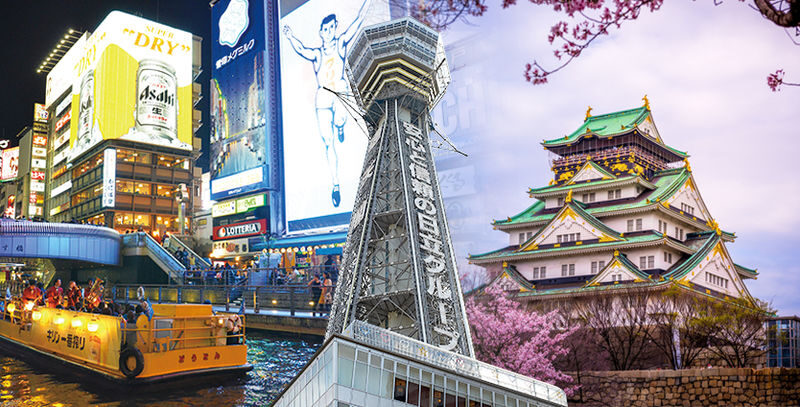

The basic idea is simple: use one digital pass for eligible transport and participating attractions during its validity period. That can be a fine deal in a city where the fun may involve crossing town between a castle, a tower, an observatory, and a river cruise.
The pass covers Osaka Metro, Osaka Municipal Bus on most, but not all, routes, and selected private railway lines: Hankyu, Hanshin, Keihan, Kintetsu, and Nankai. The listed routes are limited to Osaka City, so check the route details before treating the pass as a general Kansai travel card. JR is excluded, an important catch if your itinerary depends on JR trains.
You can choose from 1-day and 2-day options, along with special versions. The 28-hour option described here includes a one-way Nankai Railway ride from Kansai Airport to Namba. Other choices add Osaka Monorail and Expo ’70 Commemorative Park access, or offer the standard city pass without those extras. The exact package matters, so compare inclusions rather than buying by the name alone.
The listed starting price is $20.75, but that is not enough on its own to judge value. Compare the cost of the specific pass you want with the admission fees for the places you plan to visit, then factor in how many eligible rides you expect to take. There is no magic number that makes it worthwhile for everyone. The more you use it, the better the arithmetic tends to look.
Looking for more options in Osaka? Here are some other experiences worth considering.
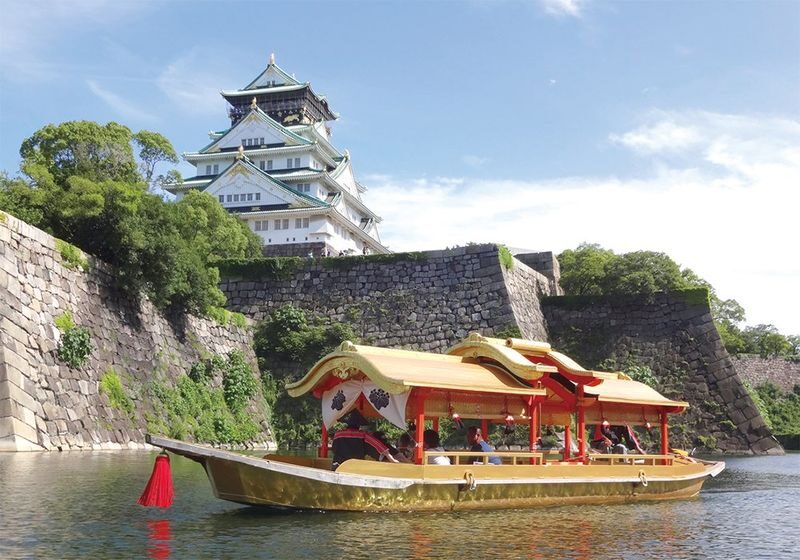
A classic pass day could start at Osaka Castle. The pass includes entry to Osaka Castle Tower, and the nearby Gozabune boat offers a different view of the castle and its moat. One visitor’s route paired the castle with a ride on the boat, which takes about 20 minutes. That combination makes sense: you see the landmark from inside and then from the water, without spending half the day on one stop.
Next, you could head toward Umeda for the Floating Garden Observatory at the Umeda Sky Building. It is a popular choice, but the pass’s free-entry window ends at 15:00. If you arrive later, you can get a 10% discount on admission instead. Put this stop early in the day if it is a priority, and check the building’s current hours before setting out.
The route can continue south to Tsutenkaku Tower and the surrounding Shinsekai area. A pass holder described visiting the observation deck and taking the tower’s slide down to the first basement level. That slide is an optional extra to the tower visit, not the sort of thing to squeeze in if you are already racing the clock. The area also gives you a chance to step away from the grand landmarks and see another side of the city.
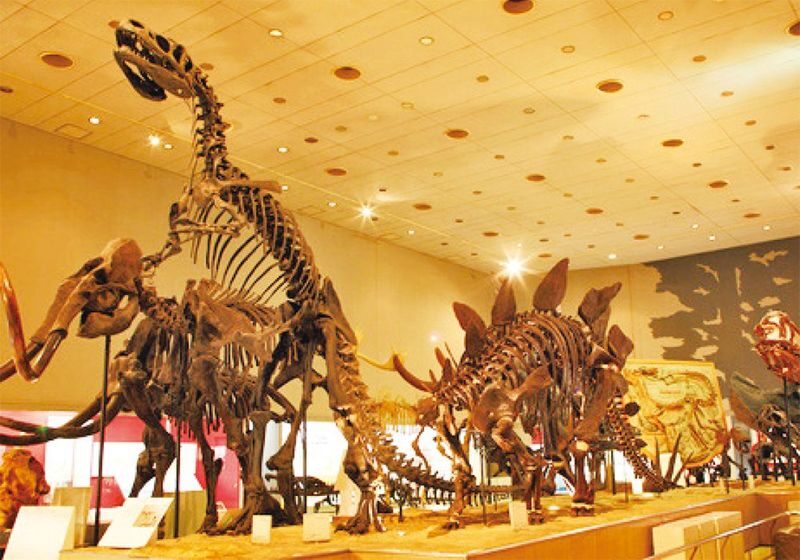
Other named attractions include Tennoji Zoo and Nagai Botanical Gardens. They suit a slower day better than a rapid checklist: an outdoor visit needs room for weather, walking, and a little wandering. The pass gives you flexibility, but it does not make distances or opening hours disappear.
The pass is useful for more than land-based sightseeing. A Dotonbori river cruise is one of the experiences included among the attractions and benefits described, and it can be a pleasant change of pace after a day of towers and train platforms. Some departures may require advance booking or a reservation at the ticket office. One visitor went to the office at 10:00 to book, but availability and procedures can vary, so check the cruise operator’s current instructions.
That detail points to the pass’s main planning challenge: an included attraction is not always a walk-up attraction. Some places, events, or specific experiences may require reservations. Check official attraction websites before you build your day around them, especially if a particular cruise departure or timed visit matters to you.
The same goes for opening times and regular holidays. They can change, and special year-end or New Year schedules may apply. A pass is most useful when you check the day’s practical details in advance, then keep enough slack in the itinerary to handle a missed departure or a longer visit than expected.
The digital pass is activated by opening the voucher and pressing the button to show or scan the QR code. Simply opening the voucher link does not start it. For the 28-hour package, the clock begins on first use and runs for 28 consecutive hours. The pass’s inclusions, including transport and attractions, activate together.
That is a different arrangement from a simple calendar-day ticket, and it is worth paying close attention to the exact package you select. The product menu also includes 1-day and 2-day passes, while the specific package details here describe a 28-hour pass. Do not assume that every option has the same duration or activation rules. Check the validity terms for your chosen version before activating it.
There have been reports of confusion about a 2-day pass appearing to expire after the first day. To reduce the risk of a costly mistake, read the validity instructions for your exact ticket, save the user guide somewhere handy, and avoid activating until your planned start. If you have any doubt, ask the seller or support team before you click the activation button.
You need a smartphone with a camera and internet access, and the QR code must be displayed live. Screenshots and printed copies are not accepted. A weak connection, dead battery, lost phone, or malfunction can leave you unable to use the pass, with no reissue or refund in those cases. Turn off dark mode when showing the code. On iPhone, the stated requirement is iOS 15 or newer with the latest Safari; Android requires version 10 or newer and the latest Chrome. Naver is not recommended as a browser.
If you are travelling with children or companions who do not have their own phones, up to four passes in one booking can be used on a single smartphone. But all passes in that booking activate together, and the passes cannot be transferred. If members of your group will travel separately, buy their passes in separate bookings.

The 28-hour package described here includes one one-way Nankai Railway journey from Kansai Airport Station to Namba Station. It is a helpful arrival extra if Namba is where you need to go, but it is not an all-purpose airport transit pass. The journey is valid toward Namba only, and stopovers between Kansai Airport Station and Sakai Station are not permitted.
The Itami version is a different choice. It adds the Osaka Monorail route between Osaka Itami Airport and Bampaku-kinen-koen Station, along with entry to Expo ’70 Commemorative Park and the Osaka Wheel. The Wheel is currently closed after a lightning strike, with no reopening date given, so do not buy this version expecting to ride it unless you have confirmed it has reopened.
These special versions are worth considering only if their added route and attraction match your plans. If you are arriving through another airport, or have no reason to visit Expo ’70 Commemorative Park, the extra inclusions may not help you.
A pass can simplify small decisions. You can hop on eligible transport without buying a separate fare each time, and participating attractions do not require you to purchase individual admission tickets at the door. That can save time as well as money, particularly if you have several stops planned.
But the pass does not cover every line or every attraction in Osaka. You still need to check whether a route is included, find a QR-enabled ticket gate for trains, and follow each venue’s entry procedure. The private railway list is useful, but JR remains outside the deal. A low-cost journey on an excluded line can still mean a separate ticket.
Nor does unlimited travel mean an unlimited schedule. One visitor’s day included Umeda Sky Building, HEP FIVE Ferris wheel, Osaka Castle, Gozabune, Tsutenkaku, and a Dotonbori cruise. It is an ambitious circuit, and it shows both the pass’s potential and the need to group stops sensibly. Rushing across the city to collect admissions can turn a bargain into a tiring scavenger hunt.
For a 1-day pass, choose a few priorities in the same general area, then add nearby options if time allows. For a 2-day version, spread out the visits instead of trying to clear the list. The pass is there to make your plan easier, not to turn sightseeing into a race.
I would consider the pass if you want to visit several included attractions and expect to use Osaka’s eligible transport repeatedly. It is especially appealing if you enjoy building your own day around major sights, rather than following a fixed tour schedule. The combination of Osaka Castle, a tower, an observatory, and a cruise can add up quickly when bought separately.
It is less compelling if you have only one paid attraction in mind, plan to spend most of your time in one neighborhood, or expect to rely on JR. It may also be a poor fit if you prefer an unplanned day with no phone-dependent tickets. The pass’s value comes from using its benefits, and you should not buy it simply because the list of inclusions looks long.
Before paying, choose the version that matches your airport and route, check which attractions you truly want, and confirm their hours and reservation rules. Then compare that plan with the price of separate tickets. If the numbers work and you are comfortable using a live QR code, Osaka Amazing Pass can be a practical, flexible way to see more of the city.
“The Osaka Amazing Pass is definitely worth considering if you want to explore Osaka and visit multiple attractions in one day! We were able to maxi…”
No. JR lines are not eligible. The pass covers Osaka Metro, many Osaka Municipal Bus routes, and listed private railways, subject to route limits.
No. The pass is digital and does not require a physical-ticket exchange. Activate it from the voucher by pressing the button to show or scan the QR code.
The pass starts when you activate it by showing the QR code and first use it. The specific 28-hour package remains valid for 28 consecutive hours from first use. Check the terms for your selected 1-day or 2-day option before activating.
No. Screenshots and printed copies are not accepted. You need to display the live QR code on an internet-connected smartphone.
Some attractions, special events, or specific experiences may require reservations. Check the attraction’s official website before your visit.
The described 28-hour package includes one one-way Nankai Railway trip from Kansai Airport Station to Namba Station. It is valid toward Namba only, and stopovers between Kansai Airport Station and Sakai Station are not permitted.