Physical Address
304 North Cardinal St.
Dorchester Center, MA 02124
Physical Address
304 North Cardinal St.
Dorchester Center, MA 02124

Soak in natural hot springs, stroll a rooftop garden in yukata, and add private baths, saunas, dining, or festival games at Osaka’s Solaniwa Onsen.
Solaniwa Onsen turns a bath visit into a half-day outing: you can soak in natural hot spring water, wear a yukata through a rooftop garden, and then settle in for a meal or a rest. I like the choice between public baths and bookable private rooms, and the fact that the garden, baths, and dining are all under one roof.
The trade-off is that this is a lively, theme-park-style spa, not a hushed traditional bathhouse. Extras such as the stone sauna, treatments, and private bathing can add to the entry price, so check what your chosen ticket covers before you book.
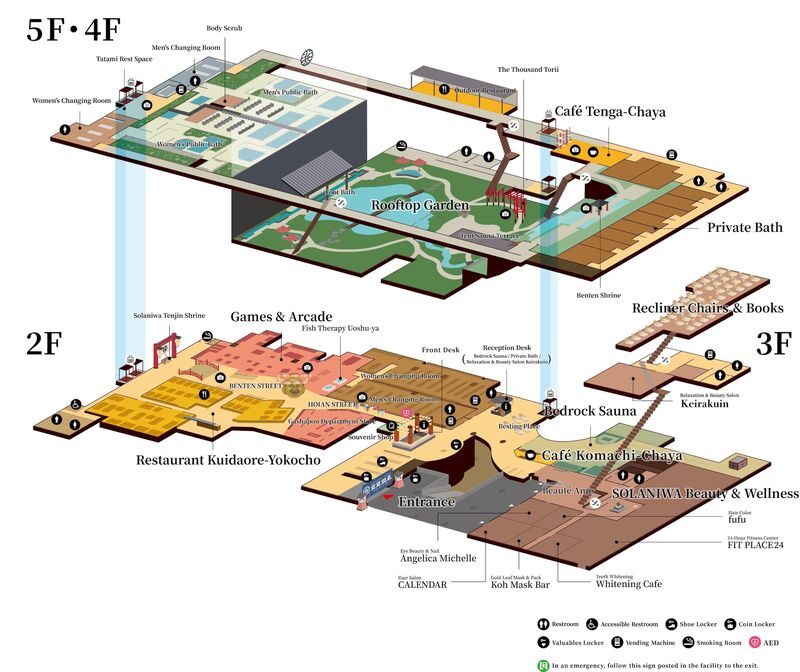
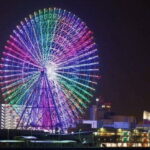
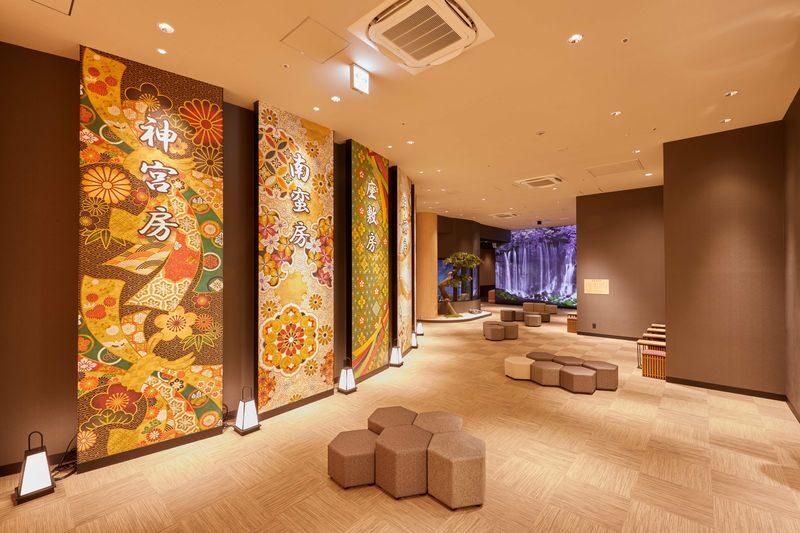
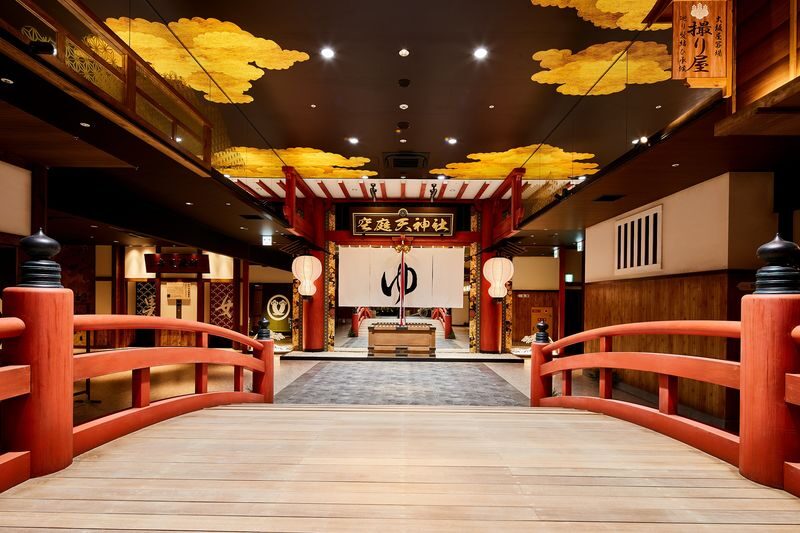
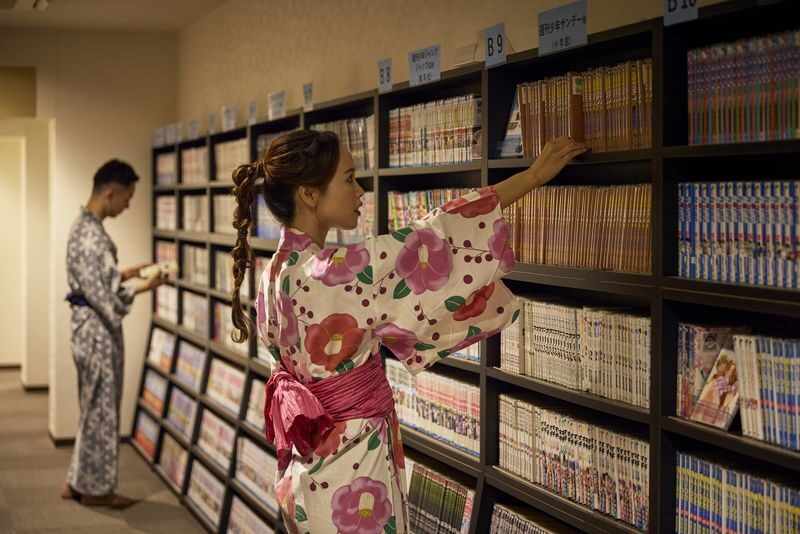
Solaniwa Onsen sits inside Osaka Bay Tower in Benten, a practical location if you want a break from sightseeing without crossing the city. The attraction takes its visual cues from the Azuchi-Momoyama era, with themed interiors and yukata to wear around the facility. It is designed as much for a relaxed outing and photos as for a straightforward soak.
That mix is useful if you are new to Japanese hot springs or travelling with someone who would rather not spend the whole visit in a bath. You can stroll the garden, browse the game area, eat, or rest while still sharing the outing. Families and couples can also reserve private bathing rooms, which may suit people who prefer not to use shared baths.
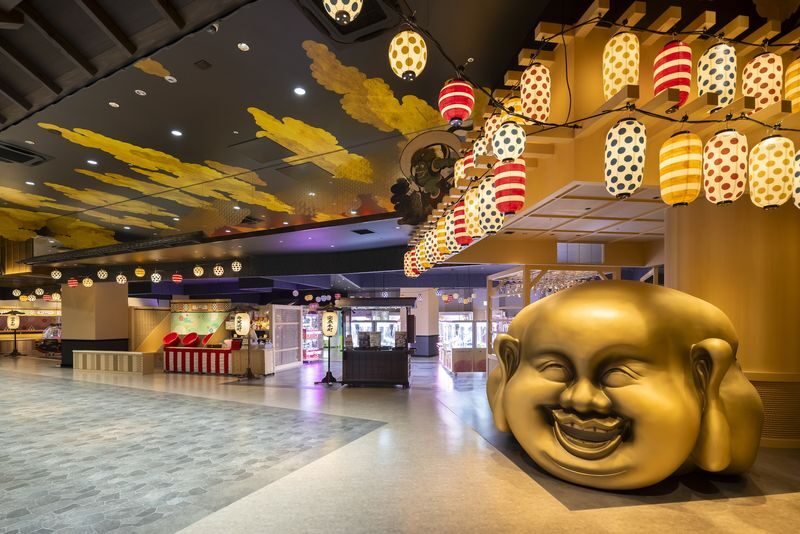
The atmosphere is not uniformly quiet. The main areas include games, restaurants, and live entertainment, so the place can feel more like a Japanese spa complex than a silent retreat. If you want calm above all, plan your visit around the baths and garden, and treat the other attractions as optional.
You might also be interested in these Osaka experiences
The activity begins at Osaka Bay Tower, 1-2-3 Benten, Minato Ward. From JR Bentencho Station, leave through the North Gate, take the stairs on your right, and walk about one minute. From Osaka Metro’s Bentencho Station on the Chuo Line, use the West Gate and Exit 2A, then walk about a minute.
At arrival, present your voucher and exchange it for a physical ticket. You then choose a yukata and change into the indoor wear provided. The experience uses a wristband to keep track of purchases, with charges settled at checkout, so you do not need to carry money from one facility area to another. Keep your voucher accessible when you arrive, and save a screenshot as a backup in case the app is slow to load.
The facility is open daily from 11 a.m. to 11 p.m., with last entry at 10 p.m. Hours and closure dates can change, so check the official information close to your visit. Re-entry is not allowed after you leave. For a comfortable visit, allow at least two hours; three or four gives you time for a bath, the garden, a meal, and a rest without rushing.
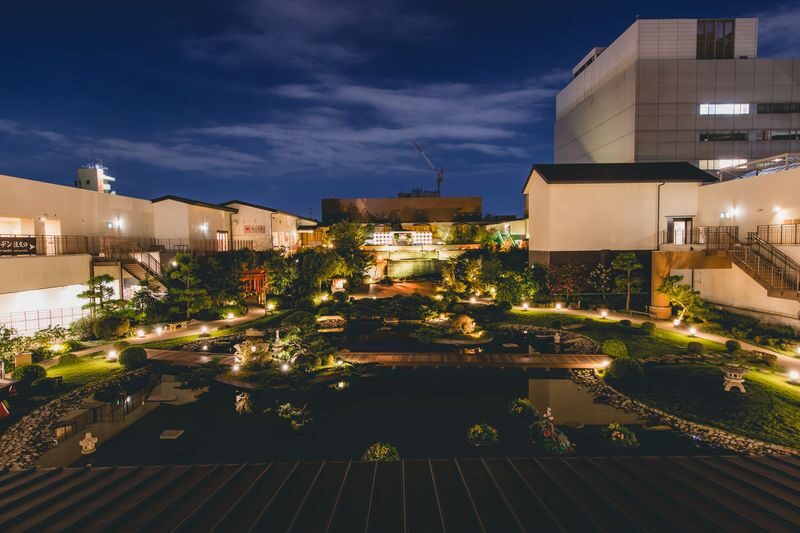
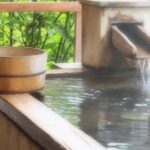
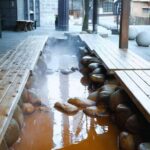
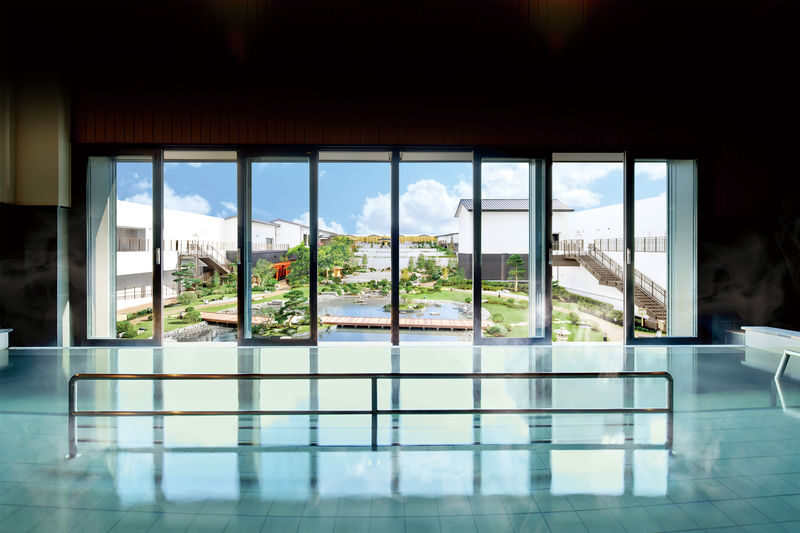
The central draw is the bathing area, which has nine bath types. Solaniwa pumps natural hot spring water from roughly 1,000 metres below ground. The water is described as weakly alkaline, hypotonic, and rich in minerals, and the site calls it the Clear Skin Bath. Those qualities are associated with skin care and relaxation, but think of the soak first as a chance to slow down and ease tired muscles.
Bathing areas are separated for men and women. If you have not used a Japanese public bath before, take a moment to understand the bathing routine and facility rules before you enter. The hot spring areas are for bathing, not eating, and cameras are generally not allowed there to protect other people’s privacy. Follow posted instructions, and save your photos for the garden and designated public areas.
The baths and facilities have drawn praise for cleanliness and convenience, including the availability of towels and toiletries such as shampoo, conditioner, facial cleanser, toner, and lotion. That can make the visit easier if you are fitting it between other Osaka activities. Still, bring a little patience: the building has several zones, and its layout can take a moment to figure out.
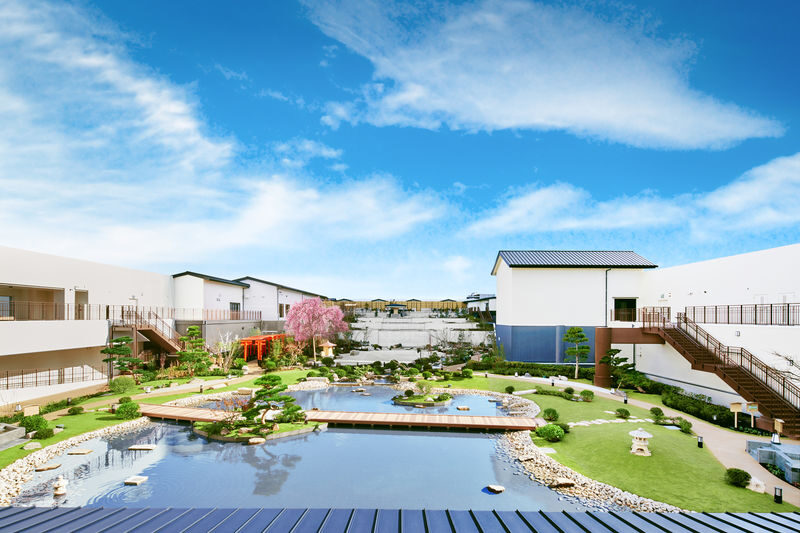
Solaniwa’s garden covers more than 3,000 square metres and gives you a change of pace from the indoor bathing areas. In a yukata, you can stroll among seasonal trees and flowers, pause at the foot bath, and look out across the garden. It is a particularly good part of the visit if you want the feel of a Japanese spa without spending all your time in the water.
The garden is one of the clearest reasons to choose Solaniwa over a simple bath ticket. You get a setting to enjoy between soaks, and the yukata makes even a short wander feel like part of the outing. It also makes a useful stop for families: adults can take in the surroundings while children have something to look at beyond the pools.
Weather matters. The garden is outdoors, so rain can limit how long you want to stay there and how many photos you take. If the forecast looks wet, the indoor baths, lounges, restaurants, and other activities still give you ways to fill the visit.
The base admission includes access to the onsen baths, rooftop garden, and resting areas. The stone sauna, known as the bedrock sauna, is not included in standard admission. Some ticket options bundle admission with sauna access and a drink, while other packages add a meal, games, fish therapy, or a treatment.
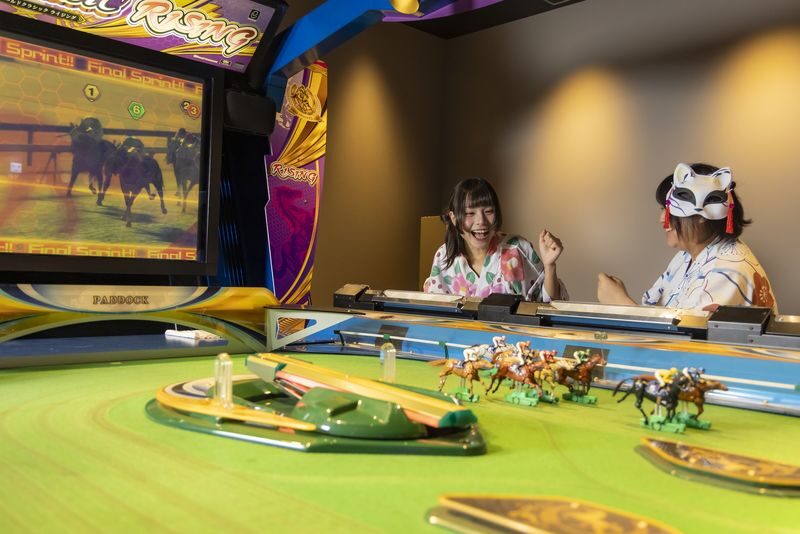
The ticket choices can turn this into a simple soak or a full afternoon. Options include an izakaya meal set, Japanese festival games, a 15-minute fish therapy session, and sauna access. One bundle includes a meal, three game coins, and fish therapy; another meal package lets you choose among dishes such as a pork cutlet set, tempura with zaru soba or udon, tendon, or a children’s meal. Check the exact inclusions for your selected date and ticket, since package details differ.
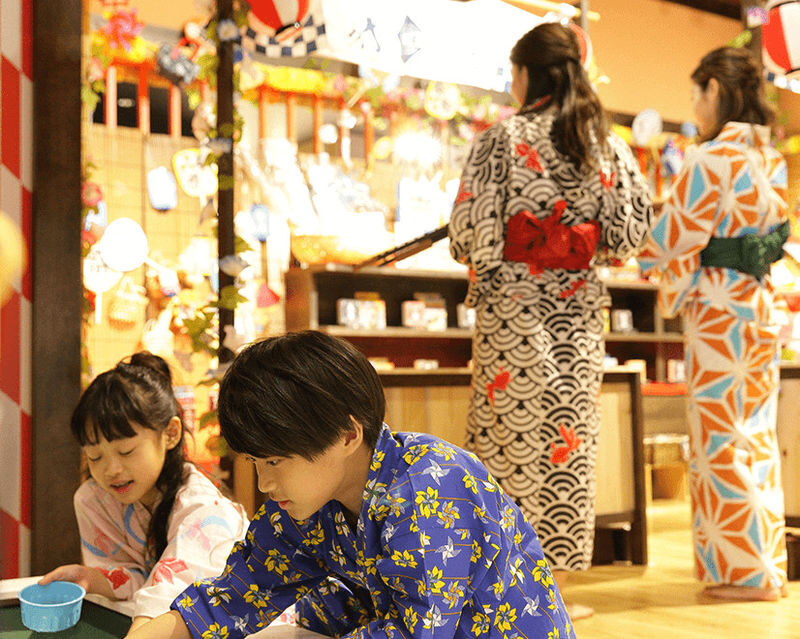
The games add a light, family-friendly interlude, with options such as shooting, ring toss, and goldfish scooping. Fish therapy is a short session in which small fish gently clean the feet. It can feel ticklish, and it may not appeal to everyone. Treatments are another optional route, with more than 30 services described across traditional body care and modern beauty treatments. If you want one, check availability and cost rather than assuming it comes with entry.
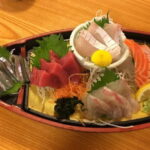
Food is an easy way to extend the visit without leaving the building. The izakaya serves familiar Japanese comfort dishes, and there is also a sake bar. Meal bundles can be good value if you already plan to eat onsite, but check the menu against your needs before paying. If you have allergies, follow religious dietary rules, or need vegetarian or vegan food, verify the meal details before purchase. Refunds may not be available if a meal does not meet dietary needs.
You might also be interested in these Osaka experiences
Solaniwa offers private Japanese-style rooms with a 90-minute open-air bath. Options include Japanese-style rooms and a Western-style room with a tent sauna, with stated capacities ranging from smaller groups to as many as six people. The private setting lets you bathe with your own group rather than in the shared bathing area, then use the room as a quiet place to regroup.
This is the best fit if you are visiting with young children, prefer more privacy, or have tattoos. Tattoos must be fully covered with stickers in shared baths; stickers are available at the front desk. Covering is not required in private baths. If a private room matters to you, reserve ahead, since availability is limited and an on-the-day request may not work out.
Read the room details closely before booking. Private-room packages differ in size and features, and a private bath is an upgrade rather than part of standard admission. Confirm the full price and any time-related conditions before you commit, particularly if your visit extends into the evening.
Admission starts at $14.39, a reasonable entry point for a large indoor facility that combines bathing, a garden, and places to rest. The ticket becomes better value if you plan to spend several hours there and use more than one area. If you only want a quick soak, a package with a meal, games, or fish therapy may be more than you need.
Compare the inclusions, not just the headline price. A basic admission ticket does not include the bedrock sauna, and the adult bathing tax of JPY 150 for ages 13 and older is payable onsite. Additional yukata sets, indoor wear, or towels cost JPY 220 each. Treatments and personal expenses are extra unless your selected package says otherwise.
The bundled offers make sense when they match what you would buy anyway. A meal-and-admission ticket saves the trouble of planning food elsewhere, while a sauna-and-drink option is aimed at visitors who want more time in the wellness areas. For a family or small group, a private room may be worth the higher cost because it gives you a shared space and a more secluded bath. Just compare each package’s exact terms before choosing.
Children aged zero to three can enter free. Solaniwa also describes family bathing options, but check the current rules for the specific area you plan to use. Strollers are not to be brought into the facility, though they can be stored free in the cloakroom. Wheelchairs are available.
The experience is not recommended for people with certain medical conditions, including high blood pressure or epilepsy, for pregnant women, or for seniors. Anyone who appears intoxicated may be refused entry or service, without a refund. These are worth taking seriously: hot baths and saunas are not a good place to test your limits.
Your voucher is valid only on the date you select, and changing booking details requires cancelling and making a new booking. Conditions for cancellation depend on the ticket. Check the current terms before purchase, and do not leave the voucher exchange until the last minute if you are trying to make the most of a short visit.
Book it if you want a relaxing break that is more than a bath, especially after a busy day in Osaka. The best reasons to come are the range of baths, the rooftop garden and foot bath, the easy station access, and the option to add a meal or private room. For a first onsen visit, it offers a manageable way to try the experience while keeping other activities close at hand.
Choose a private-room package if you need privacy, are travelling with family, or have tattoos you cannot cover. Choose basic admission if you mainly want the public baths and garden, and add the sauna or meal only if you know you will use them. If your ideal spa is quiet and traditional, Solaniwa’s games, dining, and live entertainment may feel busy. Go for the variety, not the hush.
“Experience: We came on a family trip. I recommend getting even the family members who don't like hot springs to go in at least once.”
It is at Osaka Bay Tower, 1-2-3 Benten, Minato Ward. From JR Bentencho Station, use the North Gate and take the stairs on your right. From Osaka Metro Bentencho Station, use the West Gate and Exit 2A. Both routes take about one minute on foot.
Solaniwa is listed as open daily from 11 a.m. to 11 p.m., with last entry at 10 p.m. Hours and closure dates can change, so check the latest official information before you go.
Admission includes access to Solaniwa Onsen’s baths, rooftop garden, and resting areas. The bedrock sauna is not included with standard admission. Meals, treatments, and other extras depend on the package you choose.
Yes. Solaniwa offers private rooms with 90-minute open-air baths, including Japanese-style options and a Western-style option with a tent sauna. The rooms need to be reserved, and package details and capacity vary.
You can use the shared baths if your tattoos are fully covered with stickers, which are available at the front desk. Tattoo covering is not required in private baths.
Yes. Children aged zero to three can enter free. Solaniwa also offers family bathing options, but check the facility’s current rules for the area you plan to use.