Physical Address
304 North Cardinal St.
Dorchester Center, MA 02124
Physical Address
304 North Cardinal St.
Dorchester Center, MA 02124

Explore Stone Town, a hands-on Zanzibar spice farm and Prison Island in one full-day tour, with hotel pickup, local guides and lunch options.
Stone Town’s maze of limestone lanes, a spice farm where you can handle and taste the crops, and a boat ride to see giant tortoises: this tour packs three sides of Zanzibar into one day. I like the hands-on farm visit, where guides explain how spices grow and how they are used, and the chance to learn about the island’s past while walking Stone Town with a local guide.
The trade-off is pace. With a farm visit, lunch, town walk and island boat trip in one outing, you may wish you had longer at Prison Island or more time to shop in Stone Town. Shared tours also require at least six participants and can include hotel pickup waits.

This is a useful introduction to Unguja, Zanzibar’s main island, if you want history, food and wildlife in a single outing rather than spending a day on the beach. You get a guided walk through Stone Town, a drive to a spice farm and a boat trip to Prison Island, with hotel pickup and drop-off on the island.
The mix is the tour’s main appeal. Stone Town gives you a sense of Zanzibar’s trading past and layered architecture; the farm turns spices from pantry labels into plants you can smell and touch; and Prison Island offers a close look at Aldabra tortoises. The day is not a slow, open-ended exploration, though. You move between distinct stops, and your time at each one depends on the day’s schedule and group.
The listed price is $68 per person, which can be good value if your chosen option includes lunch, entry tickets and transfers. Confirm those details before booking: the activity information treats lunch and several tickets as option-dependent, rather than universal inclusions. Personal expenses are not included.
You can check availability for your dates here:
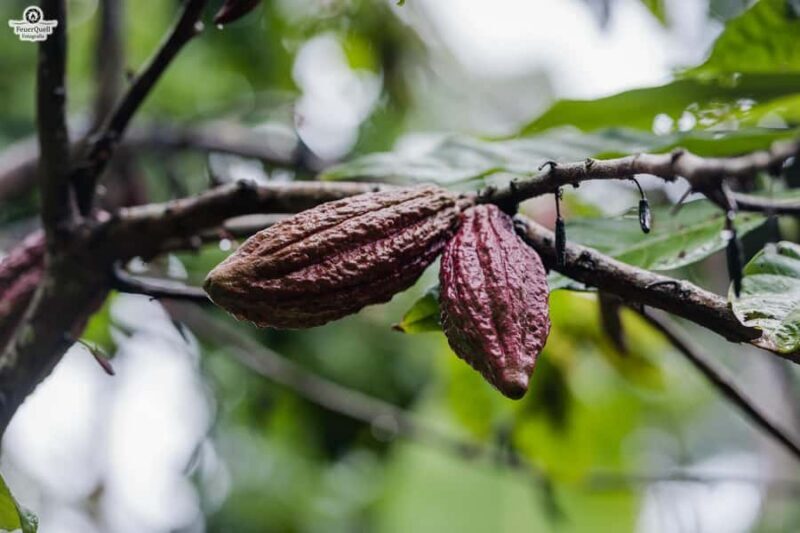
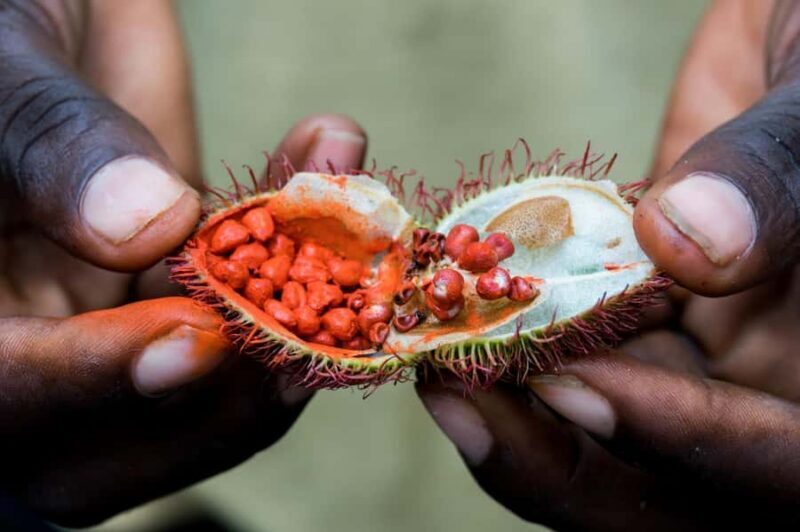
The farm is often the most engaging stop because it makes Zanzibar’s Spice Island reputation tangible. A guide leads you among crops and explains how they are grown and used. You may see or smell cloves, cinnamon, black pepper, turmeric, vanilla, cardamom, nutmeg and lemongrass, along with fruit and other plants such as coconut, papaya and cassava.
There is more to the visit than looking at plants. You can touch and taste some of the produce, and guides may demonstrate how familiar ingredients appear in their natural form. That hands-on approach is especially helpful if you have heard Zanzibar’s spice story before but want to understand what actually grows here. Some guides and farm assistants bring songs, humor or small demonstrations into the visit, so the tone can feel lively as well as informative.
The farm is also a place to buy spices and handmade items such as soap. If you want souvenirs, bring some cash and decide what interests you before browsing. The experience can include a sales element, which some people enjoy as a direct way to support a community farm and others may find more prominent than they expected.
Lunch is served at the farm when included in your option. It is described as traditional Swahili food, with tropical fruit also part of the farm experience. Meals have been a welcome highlight for many, though expectations should stay practical: one visitor found the lunch less satisfying than the tour itself, and another skipped it after a delay. If you have dietary needs, the provided information does not specify menu choices, so ask the operator before you go.
You might also be interested in these Zanzibar City experiences
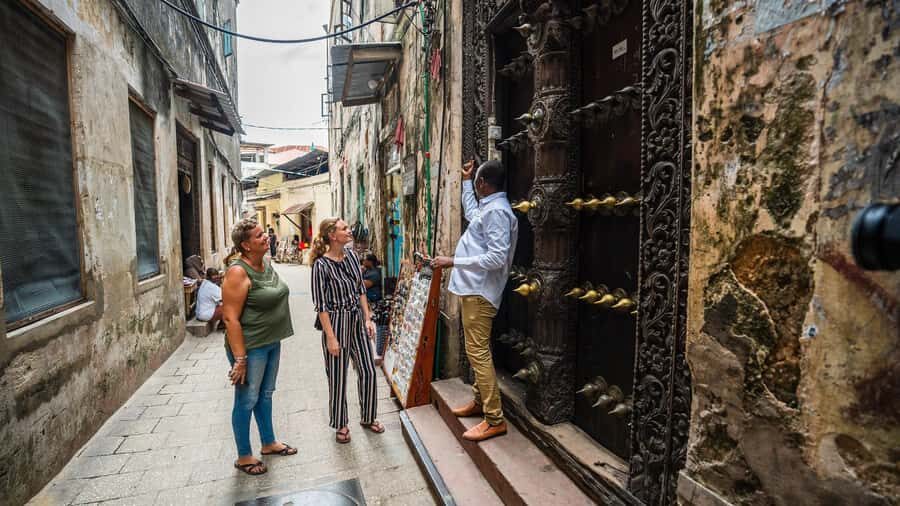
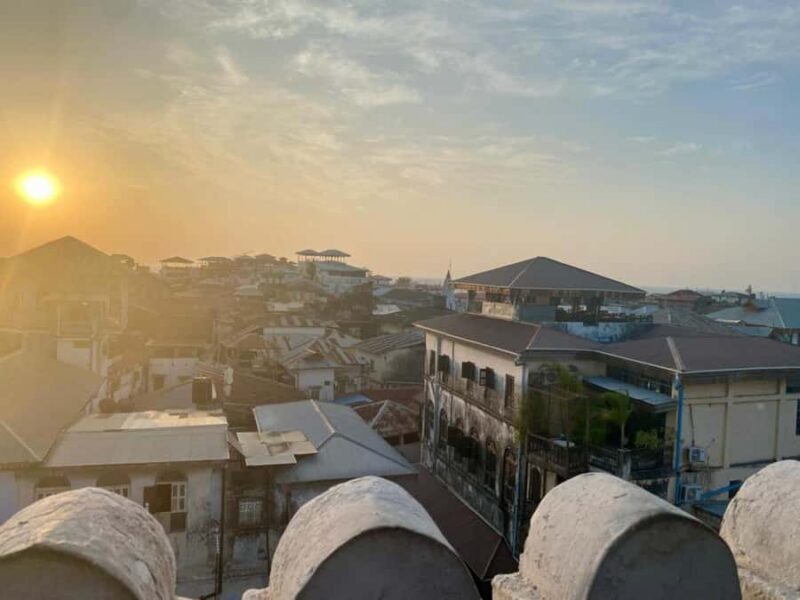
Stone Town is best explored on foot. Its narrow lanes run between tall limestone houses, and the carved hardwood doors are among the details worth slowing down for. Look closely at their shapes and decoration as you walk; they reflect the town’s mix of Arab, Indian, Persian and European influences.
A guide can help the town’s landmarks make sense. The route may include the Old Fort, former palaces and the Sultan’s Palace, as well as daily markets and sites connected with the slave trade. The Palace Museum is named among the landmarks, but the exact route and time spent at each site can vary. The tour also offers opportunities for photos and shopping, and some itineraries include a stop at the former slave market.
The history of enslavement is essential context for understanding Zanzibar’s role as a port and trading center, but it is painful material. If the slave market entry is part of your selected option, allow yourself time to take in the exhibits rather than treating it as just another quick stop. The listed entry fee is $10 per person when selected, so check whether it is included in your booking.
Stone Town can feel crowded, and shopkeepers may approach you as you pass. That is part of walking through a commercial town, but it can interrupt the historical side of the visit. If browsing matters to you, use any free time to explore at your own pace. Some outings allow time for a coffee or shopping; others move briskly to keep the rest of the day on schedule.
The quality of the walk depends in part on your guide. Guides who have led this tour include Hassan, Ibrahim, Ali and Abdullah, though the person assigned to your date may differ. A good guide can connect a doorway, market or palace to the city’s wider story. If Stone Town is your main interest, consider allowing a separate day for it so you can linger, shop and visit sites without watching the clock.
From Stone Town, the boat crossing takes about 20 minutes each way. The ride is short, but the boats are small and can travel quickly; the water may feel rough. Wear sturdy, non-slip shoes or water shoes so you have a safer footing while getting in and out. One visitor noted that their boat did not have safety vests, so if that matters to you, ask the operator about safety equipment before departure.
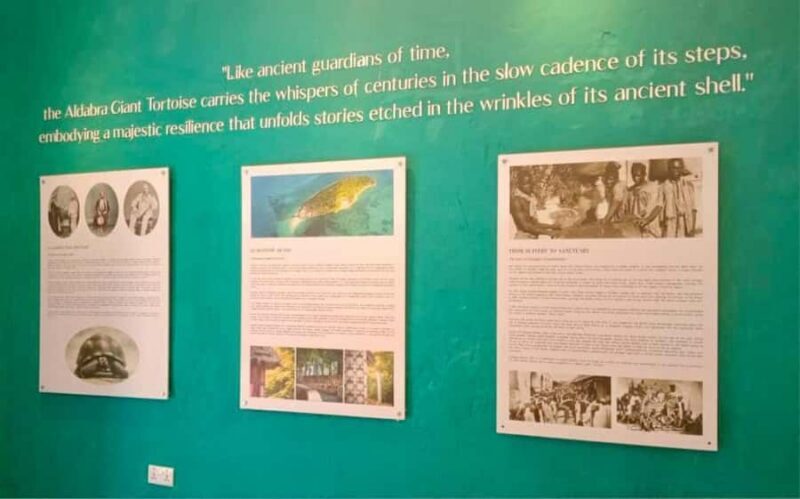
Prison Island, also called Changuu, is known for its Aldabra giant tortoises. They were brought from the Seychelles, and the sanctuary’s oldest resident is said to be about 200 years old. The tortoises can weigh around 200 kilograms and live for more than a century. Seeing them up close is the central reason to make the crossing.
You also get some history. The island was used as a prison for rebellious slaves in the 1860s, and there is a small museum where you can learn more about its past. The setting offers sea views and a change of pace from Stone Town’s tight lanes, but do not expect a long island trek. The visit is listed at about an hour, and the island can feel busy, especially around the tortoises.
That hour can pass quickly between the boat, the tortoises, the museum and photos. If you are keen to sit and enjoy the views, you may find the stop rushed. It is a compact visit, not a full day on an island, and that distinction helps set expectations.
The tour lasts 6 to 9 hours, but the day can stretch beyond the shorter estimate. Pickup times may change, and a shared vehicle has to collect people from several hotels. Be ready in your hotel lobby five minutes before the confirmed departure time, and check any pickup messages carefully. A miscommunication about pickup can mean missing the driver.
Shared tours require a minimum of six participants. If that number is not reached, the coordinator may contact you to reschedule. Shared transport can save money, but it may add waiting time between hotel stops. A private group is available if you prefer a more tailored pace, though the price for a private booking is not specified here.
The tour uses an experienced driver and an English-speaking guide, with different local guides possibly meeting you at the farm and in town. That handoff can expose you to people who know their particular stop well, but the information may sometimes overlap. Visitors have praised drivers for being punctual and helpful, and guides for answering questions and adjusting the pace. Names that have come up include farm guide Ussman and Stone Town guide Hassan, but staffing varies.
The route may be arranged with the spice farm first, followed by Stone Town and Prison Island, though the day’s exact order can vary. The provided stop timings list roughly three hours for the farm, including lunch, two hours in Stone Town and one hour on Prison Island, plus boat crossings and transfers. This is why the outing can feel full even when each individual stop seems short.
More Great Tours Nearby
Bring a hat, sunglasses and sunscreen. Zanzibar’s sun can make long walks and time outdoors tiring, while water and food are listed as items to bring even though bottled water and lunch may be provided. It is sensible to carry extra water and a small amount of cash for personal purchases or tips.
Choose comfortable, non-slip footwear rather than smooth-soled sandals. You will walk through Stone Town and around the farm, then step on and off a boat. Water shoes are specifically recommended for the crossing. People with mobility impairments and wheelchair users are not considered suitable for this tour, and the activity also lists age-related restrictions for people over 75, 80 and 95. Since those age limits overlap and are stated inconsistently, clarify eligibility with the operator if relevant.
This outing suits first-time visitors who want an efficient introduction to Zanzibar, especially if you like food, history and animals in equal measure. It is also a good break from beach days. If you are traveling with a young child, a private group may make it easier to fit the day around your family’s needs; one family with a two-year-old found the private arrangement useful. The shared version is less flexible, and the total time in the vehicle and at stops may be a lot for anyone who tires easily.
I would book it if you have one open day and want to see more than one side of Zanzibar without arranging separate transport and guides. The strongest combination is the farm’s sensory, local focus and the historical detail of Stone Town, with Prison Island adding a memorable wildlife encounter. At $68, it can be solid value, particularly when the option you choose includes lunch and entry fees.
I would skip the combined tour if Stone Town is your priority and you want time to explore its museums, markets and shops at leisure. The day’s packed schedule means you trade depth for variety, and the Prison Island visit can feel brief. Before paying, check precisely which tickets and meal are included, confirm your pickup time and ask about boat safety equipment if that is important to you. If those terms suit your plans, this is a practical way to get a broad first look at Zanzibar in one busy day.
“The day started with the spice tour and it was great, it was fun and our guides were so knowledgeable. We had a fantastic time and a wonderful lunc…”
The stated duration is 6 to 9 hours. Some outings can run longer, so avoid scheduling a tight commitment immediately afterward.
The tour includes Stone Town, a spice farm and Prison Island, with boat transportation to and from the island.
Pickup and drop-off are included at hotels on Zanzibar island. Be ready in your hotel lobby five minutes before the departure time you are given.
They are included only with selected options. Check your chosen option for lunch, Prison Island entry and the $10-per-person slave market entry ticket.
Bring sunglasses, a hat, sunscreen, water and sturdy non-slip or water shoes. Extra food and water may be useful for convenience.
The shared tour requires at least six participants. If the minimum is not reached, the coordinator may contact you to reschedule.
You can check availability for your dates here: