Physical Address
304 North Cardinal St.
Dorchester Center, MA 02124
Physical Address
304 North Cardinal St.
Dorchester Center, MA 02124

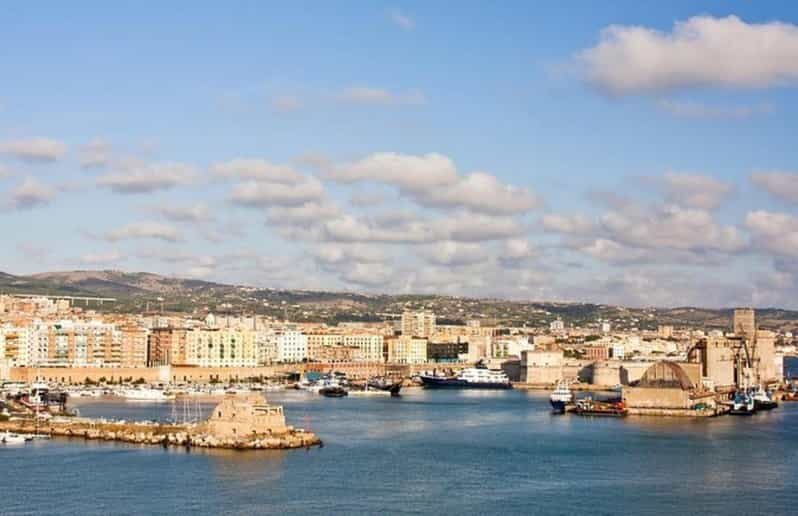
Review of the Civitavecchia to Rome rail connection: fares, station choices, timing, ticket rules, and practical advice for cruise passengers.
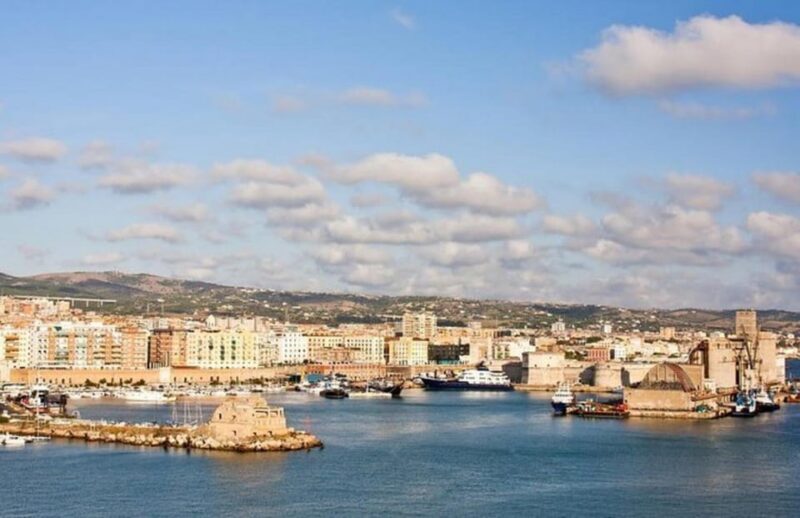
Civitavecchia’s cruise port is not Rome, and getting between the two is the first task of a day ashore. This pre-booked rail connection gives you a simple way to reach the city, with trains timed around cruise schedules and a choice of Rome Termini or Ostiense.
I like two things in particular: the fare is low for a trip of about an hour, and you can skip the ticket line with a digital ticket for your selected departure. The train also avoids highway delays, which matters when your time in Rome is limited.
The main catch is that your train ticket does not get you from the ship to Civitavecchia station. You must make that short but important connection yourself, then keep a close eye on departure boards and your return timing. Trains can be crowded, and Rome’s stations take time to cross.
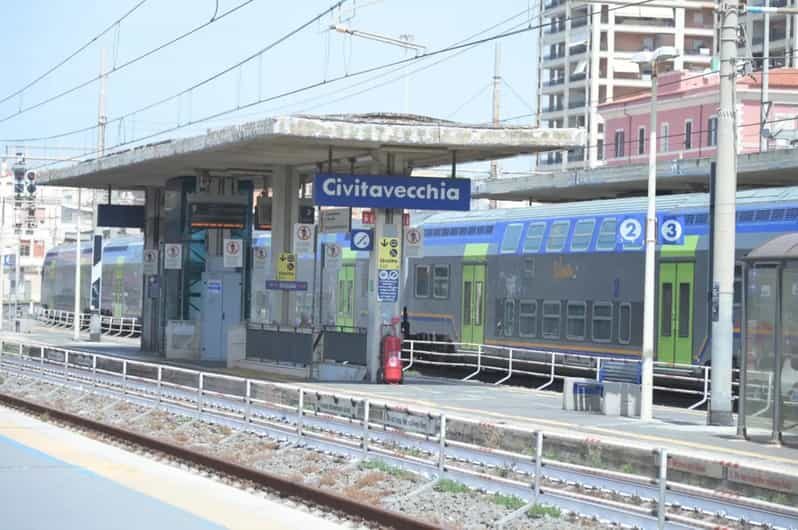
The rail journey starts at Civitavecchia station, not at the cruise ship. That distinction is easy to miss when you are planning a Rome day from the port. You will need to get from your pier to the station before boarding, and the train ticket does not include that transfer.
Some passengers walk to the station, while others use a port shuttle. One reported shuttle fare was €6, and another passenger described the walk as about 15 minutes. The distance and time can depend on where your ship is berthed, so check the pier details and the day’s port arrangements rather than assuming the train platform is just outside the ship.
Allow extra time for leaving the ship, finding your way through the port, and reaching the station. One passenger made a booked train with only five minutes to spare after disembarking, but that is a narrow margin, not a plan I’d recommend. A cruise port can be busy, and a small delay at the pier can become a missed train.
The booking is designed around cruise arrivals and departures, which helps simplify the day. Still, a scheduled rail departure is not a personal pickup. You are responsible for getting to the right station and boarding the selected train.
Looking for more options in Civitavecchia? Here are some other experiences worth considering.
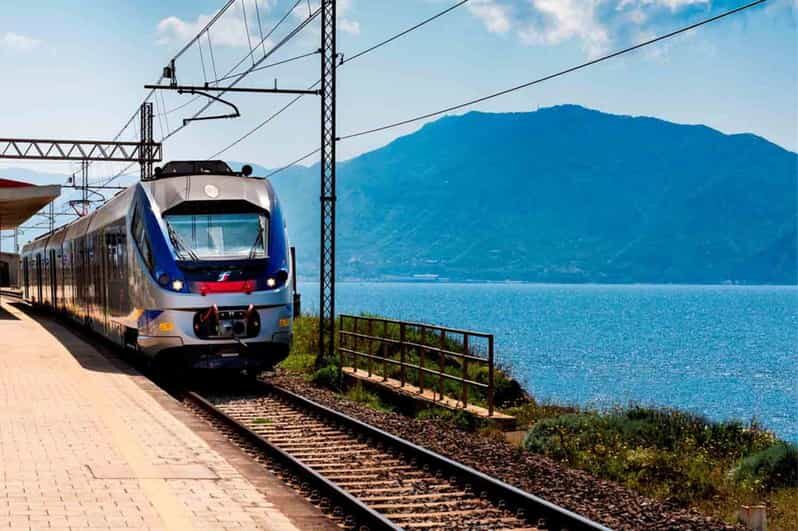
Once at Civitavecchia station, you board a regional train for Rome. The stated journey time is between one hour and 80 minutes, a useful range to keep in mind when planning a short visit. It is fast enough to make a Rome excursion practical, but not so quick that you should forget to build rail time into your sightseeing plan.
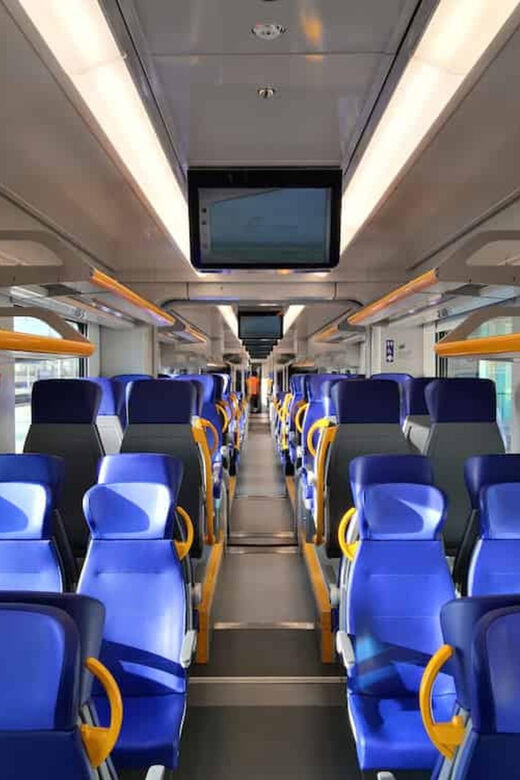
I like the train for the straightforward trade-off: a low fare and a predictable route, without sitting in road traffic. The service includes a pre-booked regional rail seat on cruise-timed departures. But do not assume the train will feel spacious. During busy periods, especially in summer, trains can fill up, and luggage may be awkward to manage.
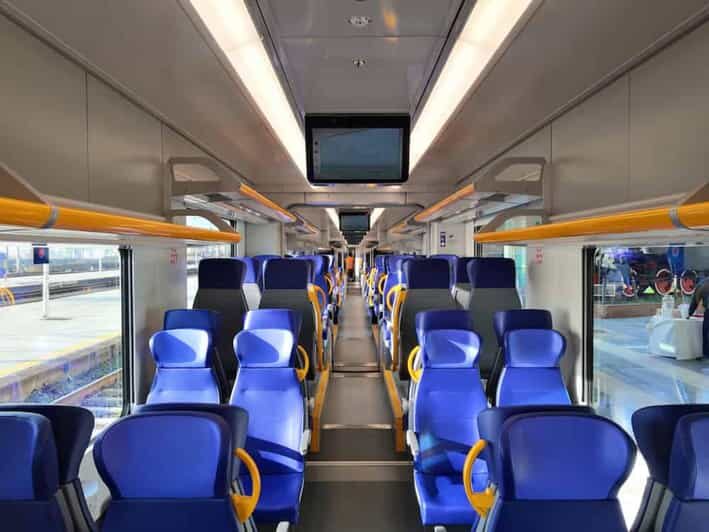
The ride itself has drawn praise for being comfortable, clean, air-conditioned, and on time. Those are useful qualities when you are starting an early port day or returning after walking around Rome. There are also less comfortable possibilities: a crowded carriage can feel warm, and one passenger wished for a water dispenser during hot weather. Bring water with you, especially in summer.
Large suitcase storage is another practical concern. People travelling with cruise luggage have found there is not always a dedicated place for it, and bags can take up seats or floor space. If you are making a day trip without your full cruise luggage, this is less of a problem. If you have large bags, plan for limited storage rather than expecting a luggage compartment.
The service offers a choice of Rome Termini or Rome Ostiense. Termini is the central option named for access to sights such as the Colosseum, Trevi Fountain, and other central landmarks. It is a major station, and the size of it is part of the practical calculation: you may have a substantial walk between your train platform and the station exit or your next connection.
Ostiense gives you a second arrival point, which may suit your plans better. The information provided does not spell out which Rome neighbourhoods or sights are best reached from Ostiense, so check your own route before choosing. Pick the station that makes sense for your first stop and your return journey, not simply the one with the most familiar name.
At Termini, finding the correct platform can take attention. Platform assignments may appear only shortly before departure, and platforms in the 25 to 29 range have been used. These are a long way along the station, so keep watching the departure screens and do not wait until the last minute to start walking. One passenger advised allowing at least 20 minutes to reach a far platform.
The station can feel hectic, particularly at the end of a sightseeing day. Staff can help, and one passenger found the English-speaking staff friendly, but you should still leave yourself time to read the boards and find your train. Rome’s big station is not a place to arrive casually just before departure.
This connection is transport, not a guided sightseeing tour. There is no guide named in the activity details, no narrated visit, and no included admission to Rome’s sights. You choose what to see and how to get around once you arrive.
That freedom is a plus if you already have a plan. You can focus on the Colosseum, Trevi Fountain, St. Peter’s, or a mix of central sights, then use local transport or walk between them. The train connection gives you the city access; it does not remove the need to decide how much Rome you can reasonably cover in a day.
For a port call, I would build the plan around a few priorities rather than trying to collect every famous sight. The train ride itself takes up a significant part of the day, and so do the port-to-station connection and the walk through Termini. If St. Peter’s is your final stop, one passenger found it useful to walk to San Pietro station, about 15 minutes away, and take a train back from there. That may suit some itineraries, but check the available train and ticket details for your own return before relying on it.
Your ship’s departure time should set the limit for the day. A return rail journey can take longer than the trip into Rome, and delays or missed connections can shrink your buffer. One passenger reached the ship with only 30 minutes to spare after a slower return train. I would not treat that as comfortable slack. Aim to get back to the port with time to spare, rather than making the final train your only way aboard.
If you miss the selected train, the ticket rules matter. The digital ticket is valid only for the departure you chose, but you can update the date or time before the scheduled departure, before automatic validation takes place. A passenger who missed a train after delays at the port was able to book another train separately, but that should not be taken as a promise that your existing ticket will cover a different departure.
More Great Tours Nearby
Your ticket is issued in your name, cannot be transferred, and requires matching photo ID. Bring your passport or national ID card, and be ready to show the barcode on your phone if train staff ask. The ticket validates automatically at the scheduled departure time, so the selected train is not a loose suggestion.
A few passengers had trouble getting tickets to display in the booking app but could retrieve them through a browser. My practical advice is to open the ticket before travel, check that the barcode is visible, and keep the confirmation accessible. If the ticket does not appear, resolve that before you reach the platform. Passengers without a valid barcode and matching ID may face a fine under local rail rules.
You may change the departure date or time before the selected train’s scheduled departure, while the ticket is not yet automatically validated. Name changes are not permitted once the booking is made. Since the activity is non-refundable, check the passenger names, travel date, and train time carefully before completing the purchase.
The advertised price is $6 per person, with the agency booking fee included. That is a very low-cost way to cover the rail leg between Civitavecchia and Rome, especially compared with arranging a private road transfer. The value is strongest if you are comfortable using public transport and can manage the port-to-station connection on your own.
Keep the fare in perspective. It covers the pre-booked rail seat on a cruise-timed departure, not every part of your day. You may need to pay separately for transport from the pier to Civitavecchia station, local transport in Rome, food, or entrance tickets. A passenger reported paying €6 for the port shuttle, but that is an individual example, not a fixed part of this booking.
The low price also comes with less hand-holding. You will need to read station boards, find the platform, keep your ticket ready, and give yourself a safe return margin. If you value a driver waiting at the ship and taking you directly to a chosen destination, this rail option may not suit you, even if the price is tempting.
I would choose this service if you want an inexpensive, independent way to reach Rome and are comfortable navigating train stations. It suits people with a clear sightseeing plan, light day bags, and enough time to handle the station transfer without rushing. It can also work well for passengers who want to avoid road traffic and prefer a scheduled rail journey.
It is less suited to anyone who needs a fully escorted excursion, has a tight ship schedule, or would be stressed by platform changes and crowded trains. It is also worth reconsidering if you are travelling with bulky luggage. The rail link is simple in concept, but the details at each end matter.
The overall rating is 4.1 from 339 reviews, which fits the picture: the journey is often praised for its price, ease, comfort, and punctuality, while station navigation, crowding, ticket access, and return timing are the weak points. Most of those problems are manageable if you arrive early and keep your plans flexible. A failed ticket or disrupted service, however, can turn a cheap connection into a scramble.
Book this rail connection if low cost and independent travel are your priorities, and you can leave a generous buffer around the train schedule. Check the port-to-station transfer, choose Termini or Ostiense to suit your route, and have your barcode and ID ready before boarding.
Skip it if you want door-to-door transport, dislike busy stations, or cannot risk a tight return to the ship. For a confident rail user, it is a practical way to reach Rome. For everyone else, the savings may not outweigh the extra planning.
“Long distance to get to Pier 28, but the train was on time, comfortable, and easy to access”
The stated journey duration is between one hour and 80 minutes. The exact time depends on the selected departure.
You can choose to disembark at Rome Termini or Rome Ostiense. Termini is listed as an option for access to sights such as the Colosseum and Trevi Fountain.
No. The rail connection departs from Civitavecchia station, so you need to arrange your own transfer from the port to the station.
Show the digital ticket barcode on your mobile device if requested, along with a passport or national ID card that matches the name on the ticket.
You can update the departure date or time before the scheduled departure, as long as automatic ticket validation has not yet occurred. Name changes are not permitted.
No. This activity is non-refundable.
No. The digital ticket is valid strictly for the selected train departure and validates automatically at its scheduled departure time.
Dedicated storage for large luggage is not guaranteed. Passengers have found luggage space limited, so plan for bags to take up room in the carriage.
You can check availability for your dates here: