Physical Address
304 North Cardinal St.
Dorchester Center, MA 02124
Physical Address
304 North Cardinal St.
Dorchester Center, MA 02124

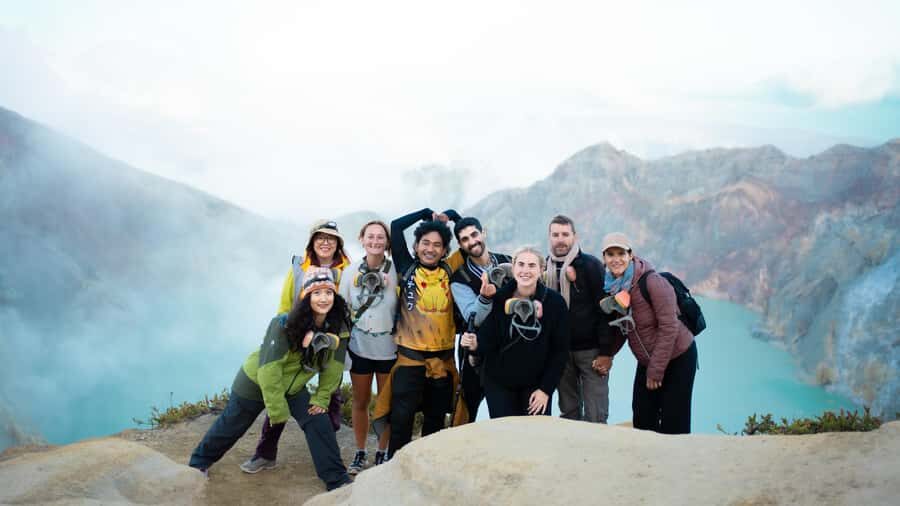
Trek Ijen by night for blue fire, sulfur miners and sunrise over the turquoise crater lake, with Banyuwangi pickup, safety gear and a local guide.
Ijen’s Blue Fire is the reason to leave Banyuwangi in the middle of the night. The sight is rare, but the trek is real work: you climb in darkness, then negotiate a steep, rocky route near sulfur fumes before sunrise.
I like two things about this trip: the guide and safety gear are included, and you get more than a night hike. The plan combines the Blue Fire, a sunrise view of the turquoise crater lake and a look at sulfur miners’ work.
The catch is the effort. This is a strenuous outing, not a casual stroll, and the gas, narrow paths and early start deserve respect. If you have respiratory problems or limited fitness, this is not the right trip.
The tour lasts about nine hours, including round-trip transport between Banyuwangi and Kawah Ijen. Your pickup time is arranged by WhatsApp, so confirm it before the night of the hike. Past groups have left around midnight and begun walking near 2 a.m., but use your provider’s confirmed schedule rather than treating those times as fixed.
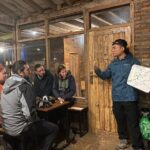
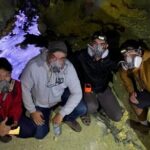
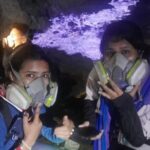
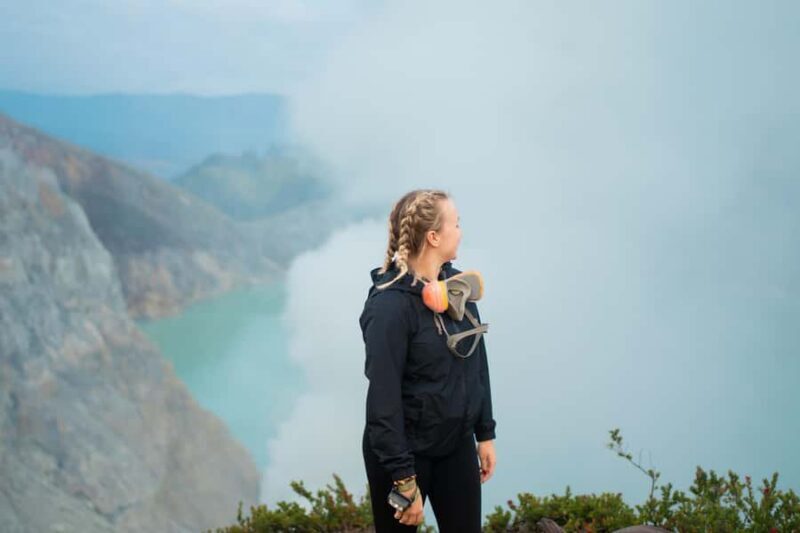
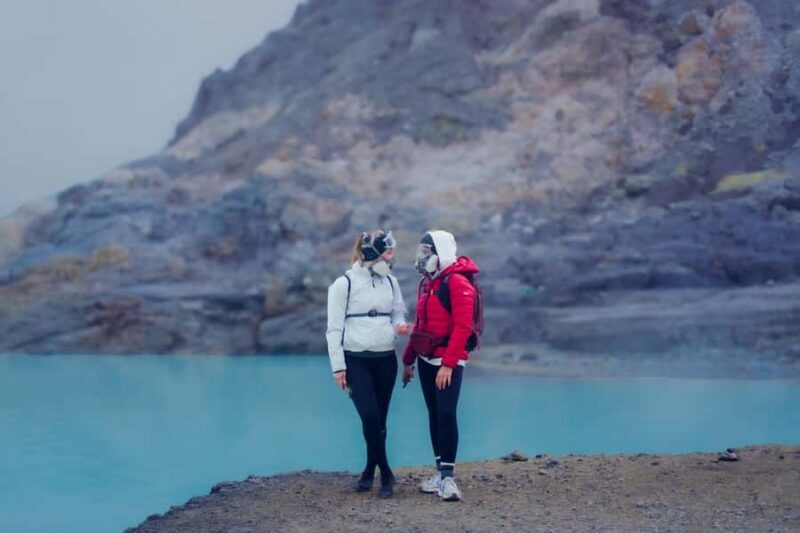
The drive gets you to the trail starting point, where your guide gives a safety briefing and hands out a headlamp and gas mask. The tour also includes first aid and a portable oxygen tank. These are useful provisions in a place where darkness, steep paths and sulfur gases are part of the outing, not theatrical extras.
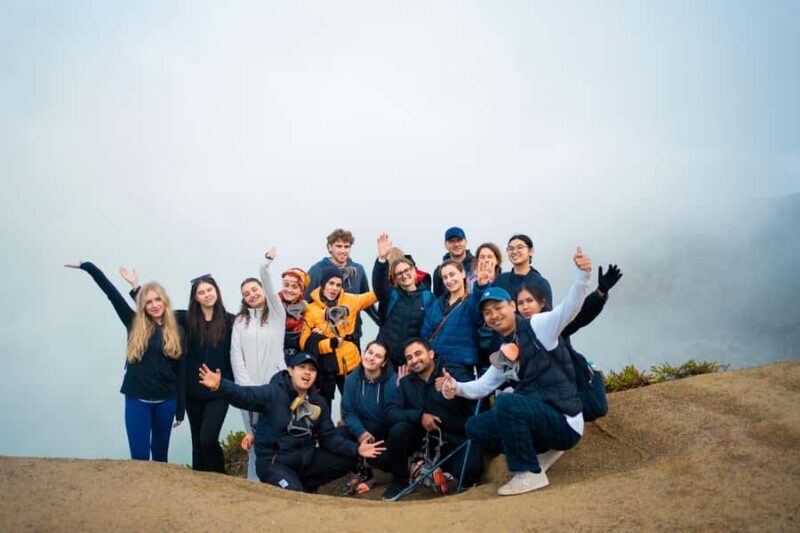
You’ll be joining a combined group package, not booking a private guide by default. Small groups are available, but ask what group size applies to your date. Some guides sort people by pace, with faster and slower groups, so tell the guide honestly how you feel about hiking. A speedy ascent may help you reach the Blue Fire before crowds build, but there is little value in choosing a pace that leaves you struggling.
You can check availability for your dates here:
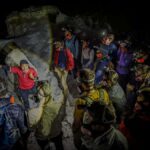
The climb begins in the cool night air, often beneath a starry sky. The darkness makes a headlamp essential, and the long uphill walk can feel tougher than its distance suggests. One account describes roughly eight miles round trip and more than a mile of total elevation change. Treat that as a useful indication of the challenge, not a guaranteed route measurement for every outing.
Your guide’s role matters here. Guides including Sopi, Surai, Nido, Uzi and Ashari have led groups on this trip; assignments vary. The strongest guides keep an eye on the group, explain the route and safety rules clearly, and encourage people who need to slow down. Some have also helped with photos or carried a backpack when someone was struggling. That sort of care can turn a hard trek into a manageable one, but you still need to arrive ready to walk.
I would bring shoes with reliable grip, warm layers, water if you want extra, and a small snack. The tour provides mineral water and a morning snack, but the official advice also recommends bringing snacks. Hiking poles and goggles are useful suggestions from people who have done the route; they are not listed as included equipment. Keep jewelry at home, and leave strollers and baby carriages behind. Neither belongs on this trail.
If you prefer having a local expert, these guided Banyuwangi experiences could work well
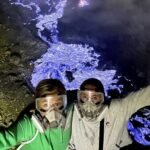
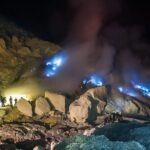
The Blue Fire is the first major goal. Ijen is one of only two places in the world where this phenomenon can be seen, and the dark makes its glow easier to notice. Your guide leads you toward the viewing area and helps you navigate the route.
This is also the most demanding and serious part of the trip. The descent is steep, narrow and uneven, and sulfur gas can be present near the crater. Wear the supplied gas mask when instructed and follow your guide’s directions. The mask is safety equipment, not a reason to ignore discomfort or push on if you feel unwell.
The Blue Fire is a natural sight, so don’t treat it as a guaranteed photo opportunity. Conditions and visibility can vary, and crowds may affect your view. Guides know the area and can help you reach suitable spots, but no one controls the gas, weather or other people on the trail. Be patient, keep your footing, and don’t put a photograph ahead of safety.
The sulfur miners are part of what makes Ijen more than a dramatic backdrop. You can observe their work in the crater, but remember that this is a workplace as well as a natural attraction. Give miners room on the narrow route, follow your guide’s advice and avoid treating people at work as props.
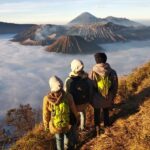
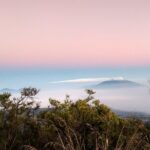
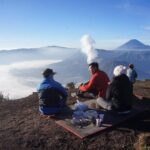
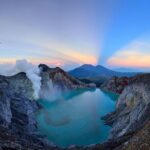
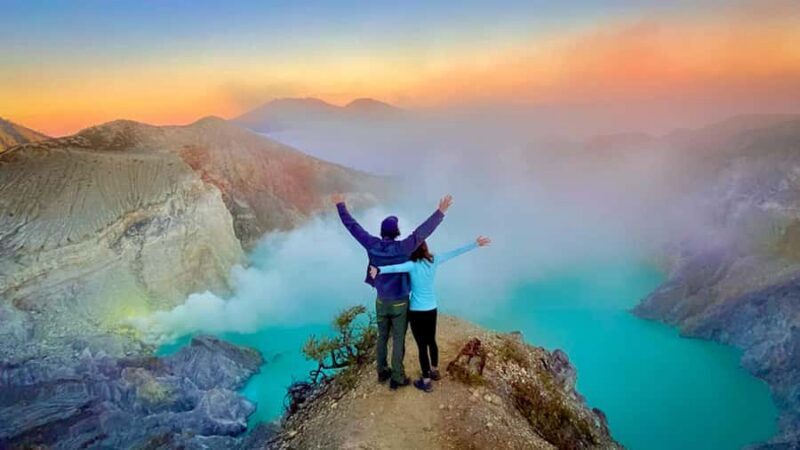
After the crater visit, the route takes you back up toward the top for sunrise. The first daylight reveals the scale of the crater and the turquoise lake below. The shift from a dark hike to a bright view is a strong reason to do the outing, even if the Blue Fire is obscured or the weather softens the colors.
The timing can be tight. Groups aim to see the Blue Fire and then make it out in time for sunrise, so the hike’s pace and the crowd both matter. Your guide may point out places for photographs and help take pictures. Still, leave a little attention for the view itself. The lake, crater rim and surrounding peaks are the reward for getting up long before dawn.
Cold air can feel sharper after a sweaty climb, so keep a warm layer handy. Some guides have carried a small stove and made tea or coffee at the top. That is a welcome extra, but it is not listed as a guaranteed inclusion. The stated morning snack and mineral water are the provisions to count on.
The descent returns you to the starting point, with broad views of the surrounding area as daylight grows. Going down is not automatically easy. Loose or uneven ground can tire your legs, and the route near the crater calls for care. Stay with your group and keep enough energy in reserve for the way back.
Once you reach the starting point, there is time to rest and refresh. Local vendors may sell snacks or drinks, and the trip includes a morning snack. Then the vehicle takes you back to Banyuwangi and your hotel.
The tour is organized around a full night and morning, so plan the rest of your day accordingly. You may be tired after the climb and the early start. I wouldn’t schedule a demanding activity immediately afterward if you can avoid it.
More Great Tours Nearby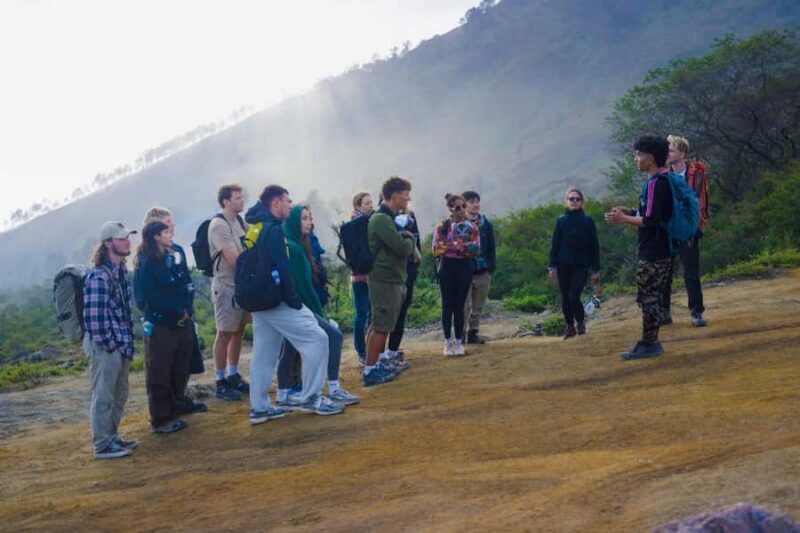
At the stated price of $12 per person, this is unusually strong value if the inclusions remain as listed. Round-trip transport from Banyuwangi, the Ijen entrance ticket, crater insurance, an experienced local guide, gas mask, headlamp, first aid, portable oxygen, water and a morning snack are all included. Arranging transport and equipment separately could add up quickly, and a guide is especially useful on a dark route with sulfur gas and a difficult crater descent.
The price does not include a medical certificate or personal expenses. Ijen requires a copy of your passport and a recent medical statement confirming you are fit to hike. The certificate must be no more than three days old. If you arrive without one, the operator can help arrange registration at a nearby clinic for IDR 35,000 per person, paid directly to the clinic. That clinic fee is separate from the tour.
The listed price can change, so check the current amount and what is included when you book. Free cancellation up to 24 hours before departure and a reserve-now, pay-later option are available. Those terms help with flexible plans, but the certificate and closure rules still need checking before you set off.
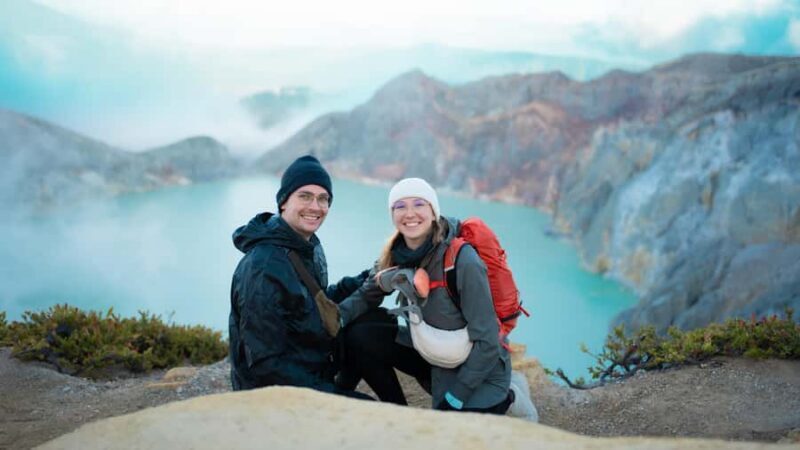
This outing suits you if you enjoy strenuous hikes, can handle a very early start and want to see Ijen with someone who knows the route. It also works well if you value a guide who can explain the volcano and mining activity, keep the group together and help with the practical details in the dark. English, Indonesian and Malay are offered.
It is not suitable for children under three, babies under one, pregnant women, people with respiratory problems, people over 70, those with low fitness, or people without hiking experience. The medical requirement is not a box-ticking formality. Be candid about your health, especially asthma or other breathing trouble, and don’t go if you’re unwell.
I also wouldn’t choose this simply because the price is low. You need to be comfortable with a long, steep hike and a route where sulfur fumes and uneven rock require attention. The guide and equipment help, but they do not remove the physical demands.
Ijen is closed every Friday in the first week. In practical terms, a night hike from Thursday into Friday will not run, so check your date carefully. Contact the operator by WhatsApp to confirm pickup time, group arrangements and the medical-certificate process.
Bring your passport or a copy, your medical statement, a camera and any snacks you want beyond the included provisions. A small day pack is more useful than carrying extra weight. Keep your hands free where possible, and follow the guide’s instructions around the crater.
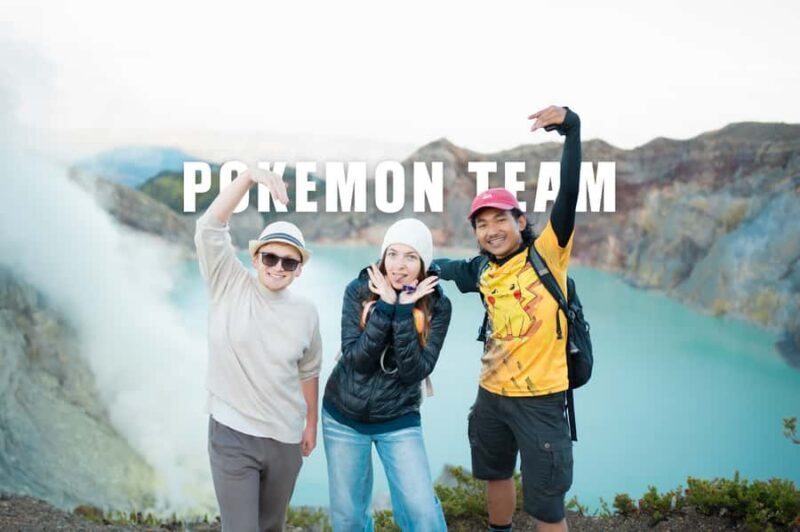
Book it if you’re fit enough for a demanding night hike and the Blue Fire, crater lake and miners’ work are worth an early alarm to you. The included transport, entry, gear and guide make the stated $12 fare excellent value, while attentive guides such as Sopi and Surai have helped make the trek feel organized and encouraging.
Skip it if you have respiratory issues, poor fitness or little hiking experience. And go with realistic expectations: the sunrise and Blue Fire are extraordinary possibilities, not a reason to take risks on a steep, sulfurous trail.
“Amazing guide, provided us with gear, snacks, water and plenty of information on the sites”
The full activity lasts about nine hours, including transport between Banyuwangi and Kawah Ijen. The visit and hike at Ijen take about six hours.
The tour includes round-trip transport from Banyuwangi, the Ijen entrance ticket and crater insurance, a local guide, gas mask, headlamp, first aid, portable oxygen, mineral water and a morning snack.
Yes. You need a medical statement confirming you are fit to hike, dated no more than three days before the trek. If you do not have one, the operator can help arrange a clinic visit for IDR 35,000 per person, paid directly to the clinic.
Bring your passport or a copy, plus your medical statement. A camera and snacks are also on the recommended packing list.
No. It is not suitable for children under three, babies under one, pregnant women, people with respiratory problems, people over 70, people with low fitness or people without hiking experience.
Ijen is closed every Friday in the first week. A hike that starts Thursday night and continues into Friday cannot go ahead, so check your date before booking.
You can check availability for your dates here: