Physical Address
304 North Cardinal St.
Dorchester Center, MA 02124
Physical Address
304 North Cardinal St.
Dorchester Center, MA 02124

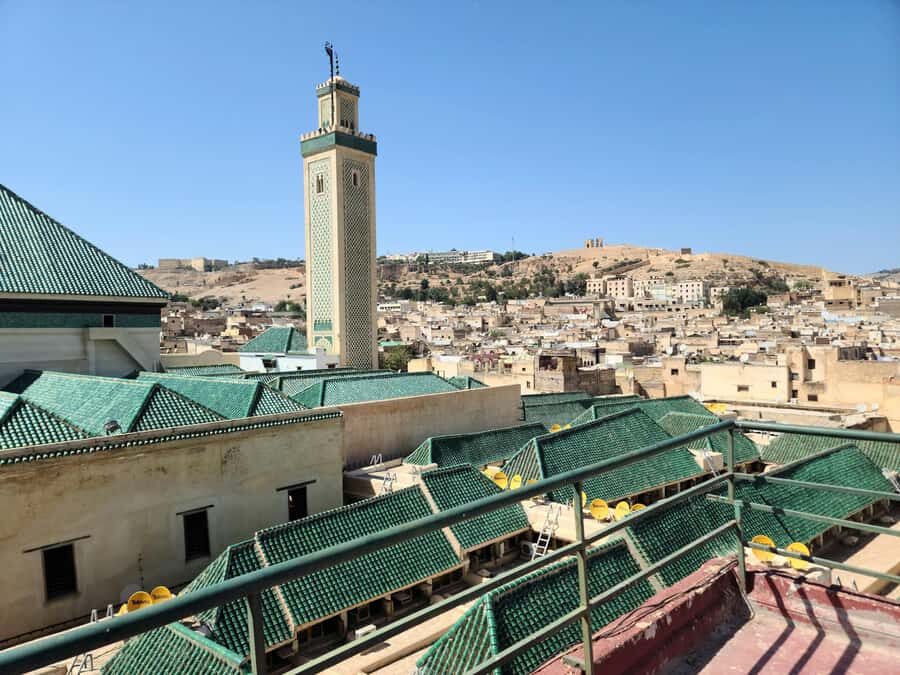
Explore Fez’s medina with a local guide, visit madrasas, tanneries and workshops, taste Moroccan food, and get practical advice before you book.
Fez’s medina is a maze best understood with someone who knows its lanes, people and working traditions. This walking tour pairs landmarks such as Bou Inania Madrasa with everyday scenes: leatherworkers, market stalls and craft workshops you might not find or feel confident entering alone.
I like two things in particular: the chance to see artisans at work, not just finished goods for sale, and the local perspective guides such as Abdul bring to the walk. He grew up in the medina and often connects the city’s past with his family and neighborhood life. You also get time for Moroccan food and browsing the souks.
The main drawback is the timing. The advertised duration is four hours, but the itinerary also describes six hours, and some walks stretch longer. You’ll cover plenty of ground on foot, so wear sturdy shoes and avoid booking a tight appointment straight afterward.
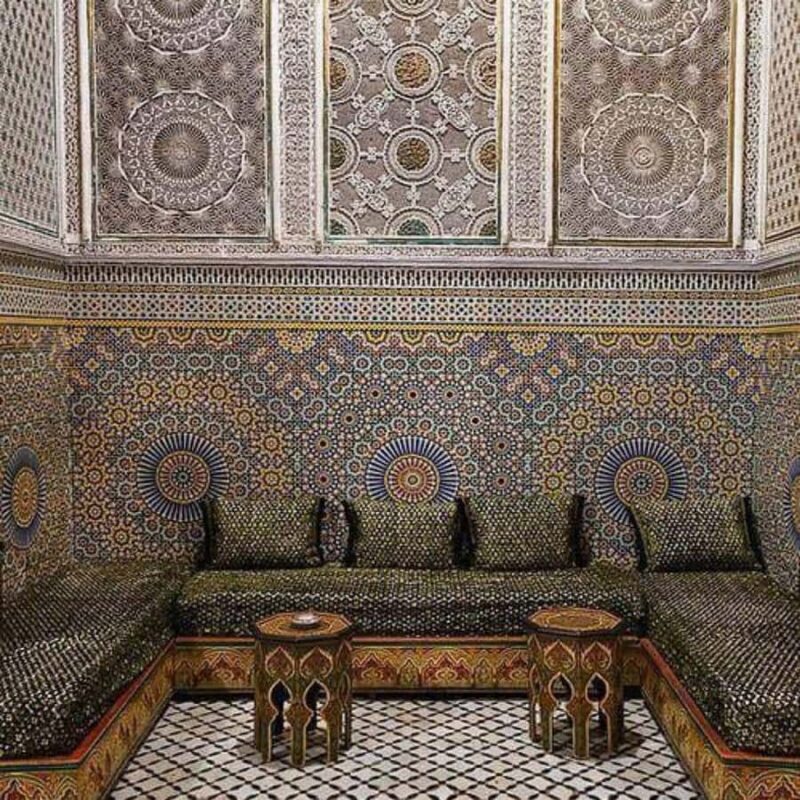
Meet beneath the arch at Bab Guisa, on the northern edge of Fez’s old city. Check your confirmation for the start time, then look for the guide wearing a uniform or carrying a sign with the activity provider’s logo. Hotel pickup and drop-off are not included, so arrange your own way to the meeting point.
The opening minutes matter in a place as intricate as the medina. A short briefing gives you the shape of the day and helps you settle into the walk before the lanes narrow and the city’s many sounds compete for your attention.
Your guide is more than a human map. Guides named Abdul, Abdel, Ahmed and Reda have led walks here, and the strongest feature of the experience is their local connection. Abdul, in particular, is described as someone raised in the medina who shares personal stories about his family and neighborhood. That kind of context helps the city feel lived in, not staged for a visitor.
The route is not simply a march between famous buildings. Guides have taken people through working markets, less-touristed districts, scenic viewpoints and neighborhood streets. The precise route can vary, so think of the plan as a framework rather than a minute-by-minute schedule.
You can check availability for your dates here: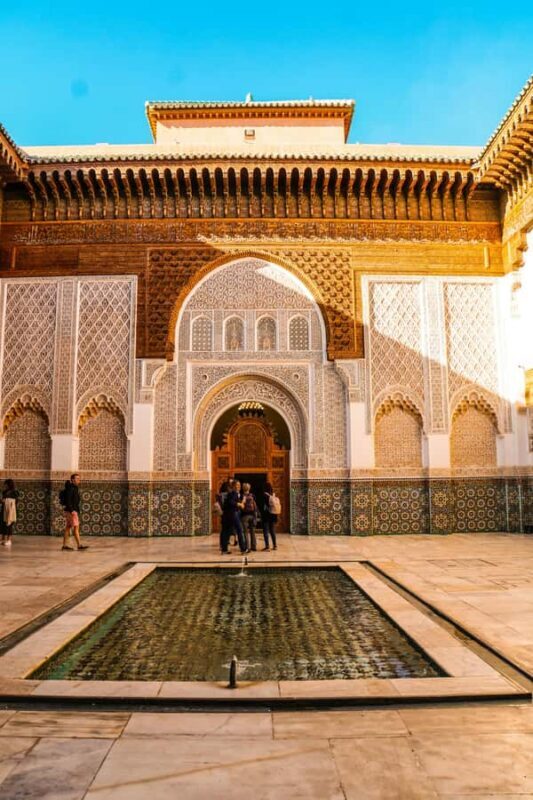
Bou Inania Madrasa and Al-Attarine Madrasa are among the historic stops. These religious schools are valued for their architecture, and your guide explains their place in the city’s story as you take in the detail. The point is not only to admire carved surfaces and building design, but to understand why these places matter in Fez.
A guide’s explanation can turn a beautiful façade into something more legible. You’ll hear about the buildings’ history and how they fit into the medina around them. If you’re keen on architecture, take your time looking closely rather than treating the madrasas as quick photo stops.
The tour information names visits to both sites, but it does not specify whether entry fees are included. The listed inclusions are the guide, walking tour and workshop visits, so check what is covered if paid admission is important to your plans.
Some visitors choose to return to historic sites on their own after the guided walk. That can work well: use the tour to get oriented and learn the context, then revisit a place at your own pace if you want a longer look.
If you enjoy exploring Fes on foot, these walking tours might also suit your style
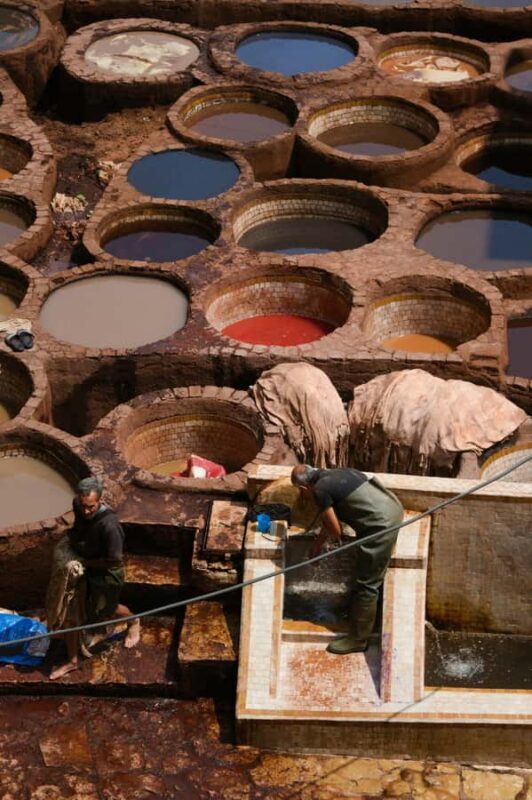
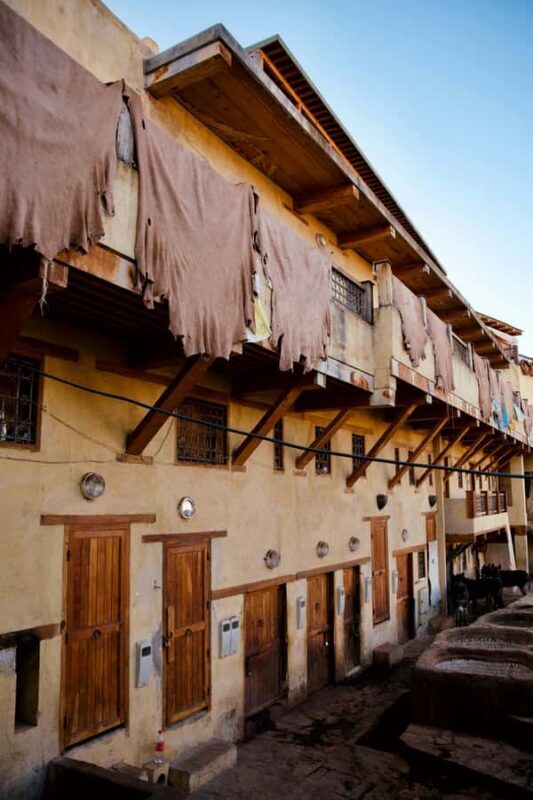
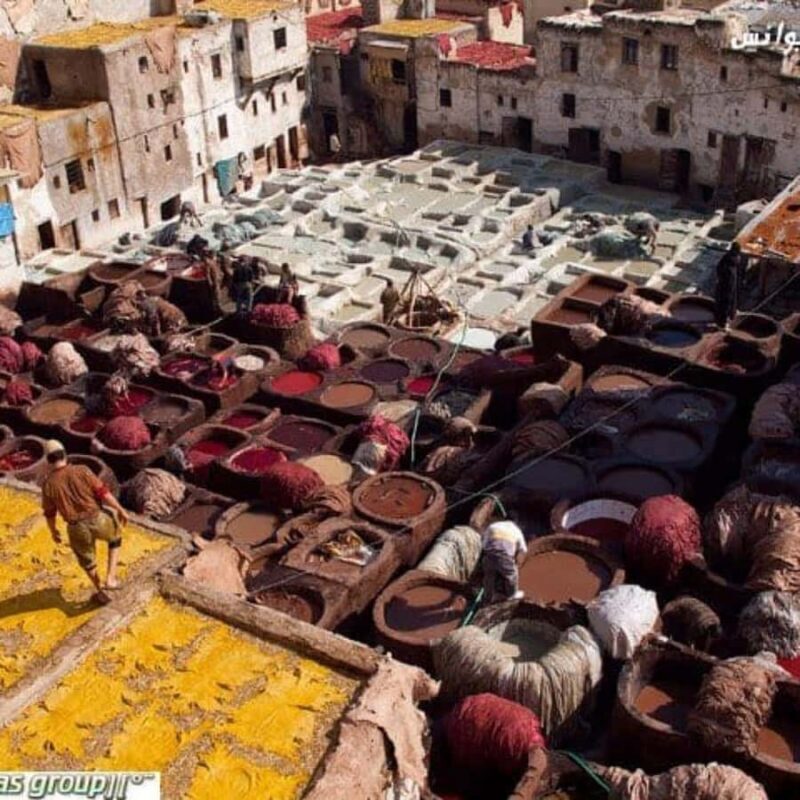
Fez’s traditional tanneries are a highlight because they show leather processing as a working craft, not just as a product on a shop shelf. You’ll see techniques passed down through generations and get a clearer sense of the time and skill behind the leather goods sold around the medina.
This visit also gives you a practical way to think about shopping. When you have seen the work involved, it is easier to judge a finished item with care and ask better questions about how it was made. You are not obliged to buy anything as part of the tour.
Expect activity and close quarters rather than a quiet museum visit. The appeal is the chance to watch a trade in its real setting, while your guide helps explain what you’re seeing. If you have a particular interest in craft, this is a good point in the walk to slow down and ask questions.
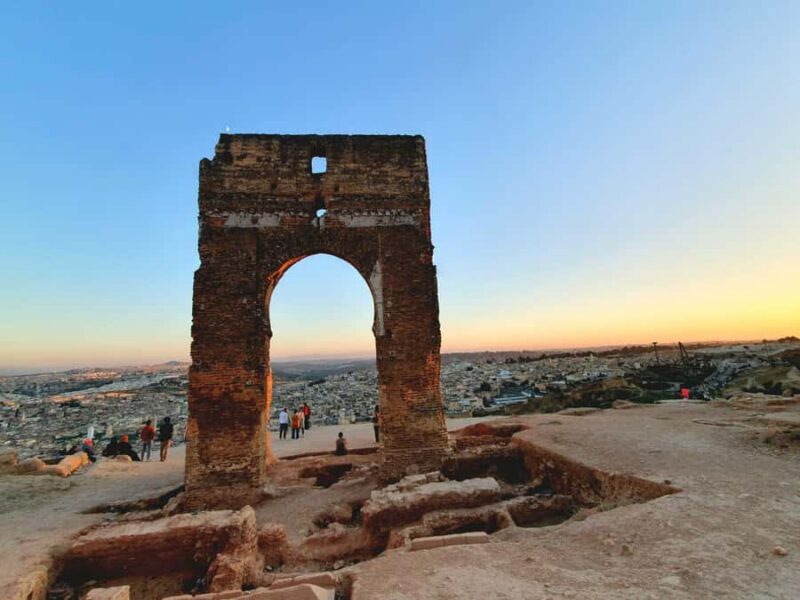
The souks are not a single market with one entrance and exit. They are a web of lanes where stalls, workshops and local errands share space. With a guide, you can spend less energy trying to work out where you are and more time noticing what is happening around you.
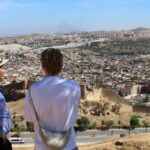
Guides have led groups into markets used mainly by locals, as well as quieter parts of the medina beyond the busiest visitor streets. You may also pass viewpoints or neighborhood places that give the route a wider sense of Fez. The precise stops depend on the walk, but the guiding idea is consistent: connect major sights with the city people live and work in.
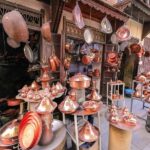
There is time to browse and shop, but you need not treat every shop visit as a sales pitch. The tour includes visits to artisan workshops, and people who have taken the walk describe being able to talk with makers without pressure to buy. If you do want a souvenir, ask questions, compare items and take your time. Some guides have also helped with bargaining or later shopping advice, though that should not be assumed as a standard service.
Bring cash or another preferred way to pay if you plan to shop, and keep your purchases manageable. Large bags and luggage are not allowed on the tour, and a bulky souvenir is no fun to carry through narrow lanes.
Workshop visits are one of the most useful parts of the walk. You can see skilled craftspeople at work and learn how traditional handicrafts are made, rather than encountering only the finished objects displayed for sale. That makes the craft easier to appreciate and gives you a better basis for deciding what, if anything, you want to take home.
A local guide can make these encounters more natural. Abdul is described as having good relationships with people around the city, which can open the door to conversations that would be harder to start alone. The aim is not a private demonstration guaranteed at each stop, but a chance to see the work and hear about it in context.
You may find that the workshop visits take longer than you expect. That is part of their value, but it is another reason not to plan a strict departure immediately after the tour. If you are not interested in shopping, you can still focus on the methods, materials and time involved.
More Great Tours Nearby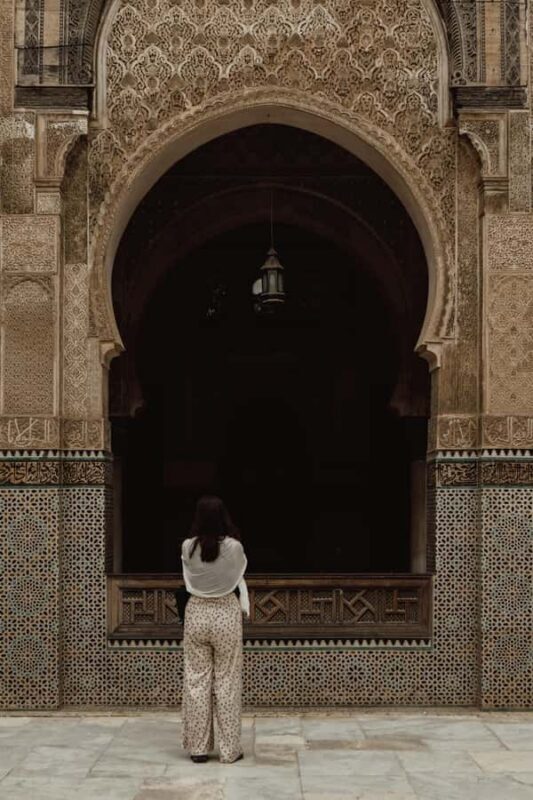
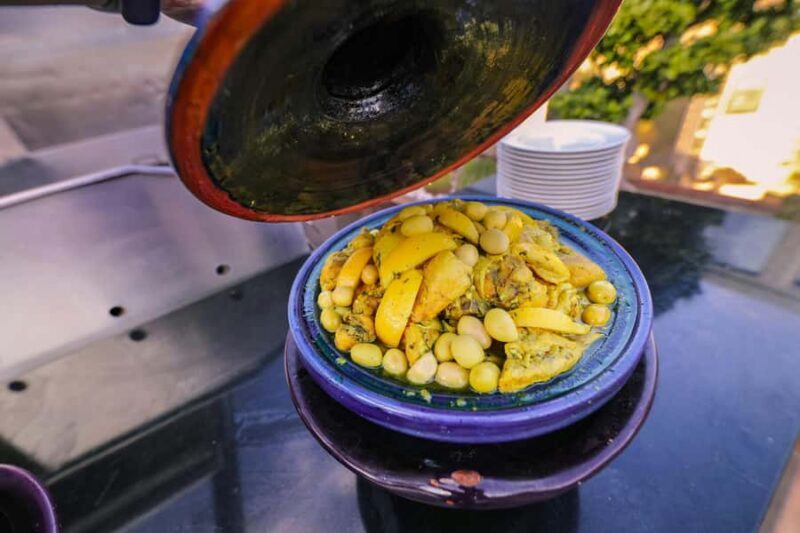
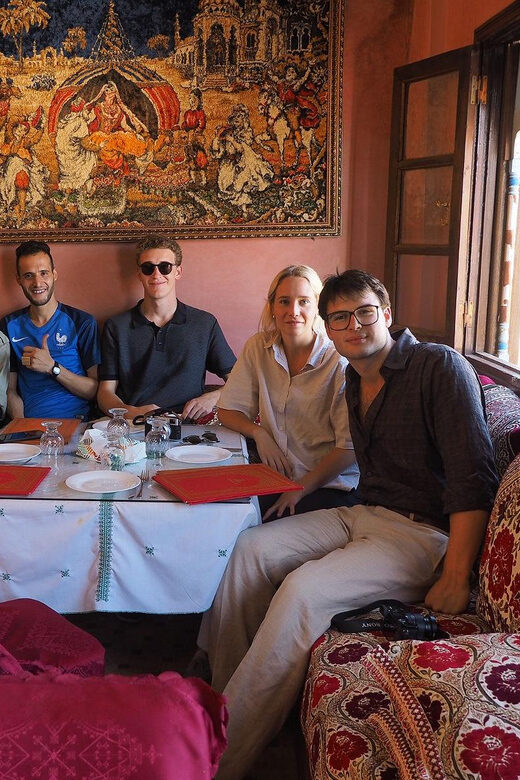
The route includes a stop for Moroccan lunch at a local restaurant, and the tour description also highlights local food. Some walks have included street-food tastings and small samples such as sweets, nuts, fruit or pancakes. The exact food and stop can vary, so do not count on a particular dish or tasting.
One detail worth noting before you book: lunch is described as part of the day, but it is not listed among the included items. The published inclusions are the guide, walking tour and workshop visits. Budget separately for food and ask the provider if you need to know whether a meal is covered.
After the guided portion, you can return to your hotel or keep exploring the medina on your own. The tour ends back at Bab Guisa, which gives you a clear point to retrace your steps from. If you are comfortable continuing, use the free time to revisit a souk or shop for a particular item. If the lanes still feel confusing, ask your guide for practical orientation before you part ways.
If you prefer having a local expert, these guided Fes experiences could work well
The advertised duration is four hours, but the itinerary also gives a six-hour figure, and the walk has sometimes lasted five, six or even more hours. Some guides appear willing to spend extra time when the group wants to keep exploring. That flexibility can be a gift, but it makes the stated duration a poor basis for a tightly packed day.
Ask about the expected finish when you meet, and tell your guide if you have a hard stop. A flexible schedule lets you enjoy a longer visit without watching the clock. If you need to be somewhere later, plan a generous buffer rather than assuming the walk will end exactly on time.
This is a walking tour through a historic medina, not an easy stroll over smooth, open paths. The information says it is not suitable for people with mobility impairments. One family with a stroller found its guide helpful and attentive, but that single experience does not mean every route is stroller-friendly. Contact the provider about your specific needs before booking.
Comfortable shoes are essential. Also bring sun protection, a hat, sunscreen, a charged phone and a camera; an umbrella may be useful depending on the weather. Sleeveless shirts are not allowed, and large bags or luggage are prohibited. A passport or ID is requested, with a copy accepted.
At $22 per person, the price is modest for a guided walk that combines historic sites, the tanneries, workshop visits, local food and time in the souks. Its real value is not the number of stops, but the local knowledge that helps you understand what you are seeing and navigate parts of the medina you might otherwise skip.
The price does not cover everything. Hotel transport is excluded, and the listed inclusions do not mention meals, entry tickets or souvenirs. Set aside money for food and shopping, and check admission arrangements for the madrasas if those are important to your budget.
Languages offered are English, French and Spanish. The group size is not specified, so ask the provider if you have a strong preference about joining a group or having a private walk. The tour allows free cancellation up to 24 hours in advance, and a reserve-now, pay-later option is available.
This is a strong choice if you want more than a route between monuments. It suits first-time visitors who want help finding their way, anyone curious about traditional craft, and people who value personal stories about daily life as much as formal history. Families may appreciate a guide who can adapt the pace, but the medina’s steps and narrow lanes still call for planning.
It is less suited to anyone who needs an exact finish time, wants a short and low-effort walk, or has significant mobility limits. Independent explorers may prefer to wander alone, though a guide can give you a useful first orientation before you set off on your own.
Book it if you can leave the rest of the day open. You’ll get the most from the walk by asking questions, looking closely at the craft and allowing time for the guide’s local detours. If your schedule is tight, confirm the expected duration and route before you commit.
“Abdul was great and spent the time explaining the history of the Medina through his own lived family experience. Wonderful way to learn!”
The tour starts and ends at Bab Guisa. Meet at the arch and look for a guide wearing a uniform or holding a sign with the activity provider’s logo.
The advertised duration is four hours, though the itinerary also gives a six-hour figure and outings can run longer. Keep your schedule flexible and confirm the expected finish with your guide.
Guides are available in English, French and Spanish.
The stated inclusions are a tour guide, walking tour and visits to workshops. Hotel pickup and drop-off are not included. Meals, entry tickets and shopping are not listed as included.
Wear comfortable shoes and bring a sun hat, sunscreen, a charged smartphone and a camera. An umbrella may also be useful. Bring a passport or ID card, or a copy.
Sleeveless shirts and large bags or luggage are not allowed.
No. The tour is listed as unsuitable for people with mobility impairments.
You can check availability for your dates here: