Physical Address
304 North Cardinal St.
Dorchester Center, MA 02124
Physical Address
304 North Cardinal St.
Dorchester Center, MA 02124

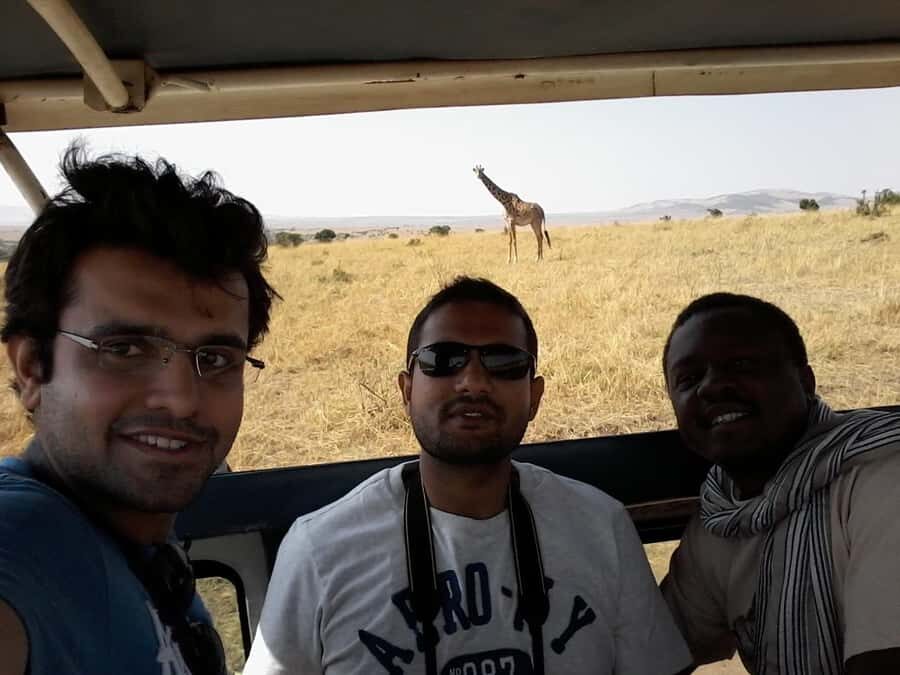
A three-day Maasai Mara safari from Nairobi with game drives, a private ensuite tent, Maasai village option, and park fees to budget for.
The draw here is not just the promise of lions and elephants. You get a sunset drive on arrival, a full day on the Mara plains, and a chance to reach the Mara River, where hippos and crocodiles stay year-round. Wildebeest crossings are seasonal, so a river visit does not guarantee a crossing.
I like two practical things about this trip: the tent has its own shower and toilet, and the small group is capped at 7 to 8 people. Guides such as Sammy, Castro, Paul, and Robert are often praised for sharp animal spotting and patient driving.
The main catch is the extra park fee: the $199 tour price does not include it. The long road journey from Nairobi and basic camp conditions also call for realistic expectations, especially if you are a light sleeper.
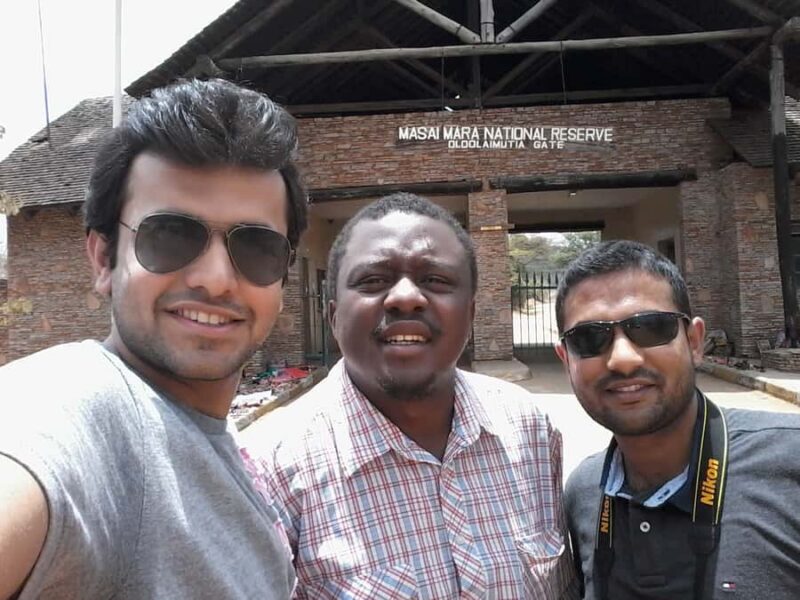
This is a short, budget-minded way to reach the Maasai Mara from Nairobi. The trip is built around two nights at a camp, an evening game drive on day one, a full day in the reserve on day two, and the return drive on day three.
That timetable matters. You do not get three full days of wildlife viewing. The first and last days are mostly for driving, though day one includes an afternoon game drive if you reach camp on schedule. If you want a longer stay or more time to wait patiently at sightings, look at a safari with more nights.
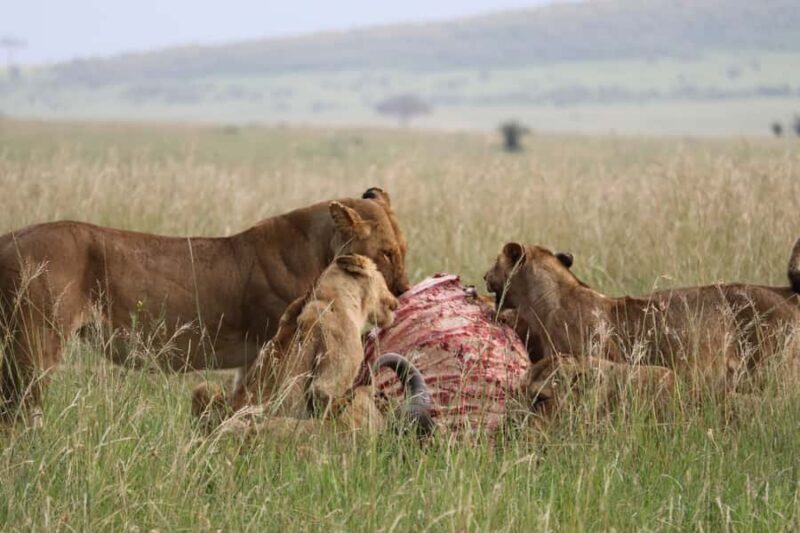
The Mara is famed for its large wildlife populations, including the Big Five: lion, leopard, elephant, buffalo, and rhino. Sightings are never guaranteed, and the tour cannot promise a particular animal. Still, the guide’s ability to read the terrain and share information over the radio can make a real difference. Guides named in recent trips include Sammy, Castro, Paul, Robert, Calvin, and Joe. Individual guides vary, but strong driving and animal spotting are among the most frequently praised parts of this outing.
You can check availability for your dates here: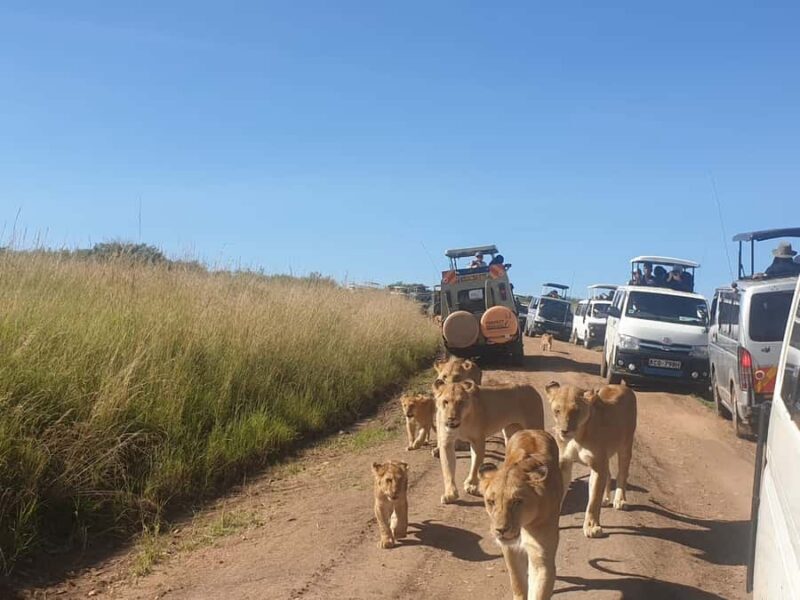
Pickup is at 8:00 a.m. from hotels in Nairobi city center or in Westlands near the highway. Airport pickup is also offered on day one. If your lodging is outside those areas, the stated meeting point is outside City Market on Muindi Mbingu Street.
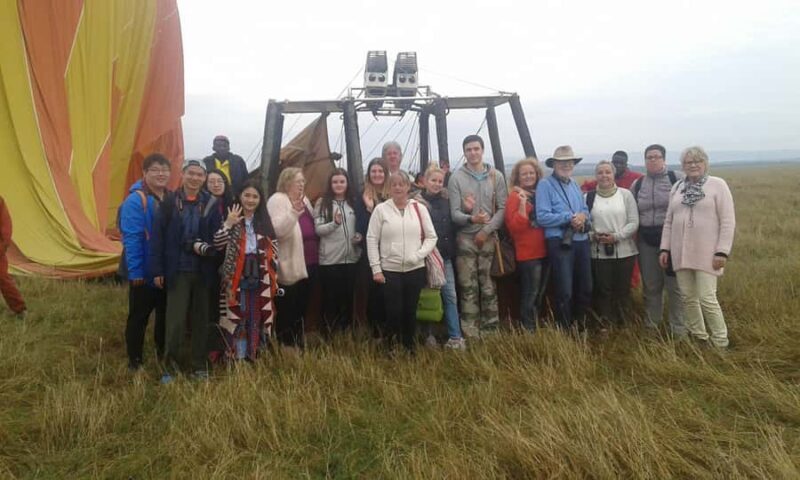
The group is listed as 7 to 8 people. That is small enough to feel more personal than a large bus tour, though you are sharing the vehicle and may need to coordinate seats and stops. One visitor was surprised when two extra people joined after being told the group would be smaller. Confirm the final group size and vehicle arrangement before departure if those details are important to you.
The road heads west from Nairobi, with a stop at the Great Rift Valley viewpoint. It is a useful pause for the wide views and a chance to stretch before the longer leg to the reserve. The drive itself is part of the trade-off: one account puts the trip at about six hours each way, with regular stops for toilets and a short break.
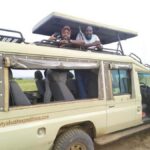
The operator describes the transport as a customized safari vehicle or a 4×4 Land Cruiser with a pop-up roof. Some packages may offer a 4×4 option for an additional charge, so check exactly which vehicle is included in your selected price. A pop-up roof helps you stand for photos and gives you a better view across the grass, but dust and bumpy roads are part of the ride.
You might also be interested in these Nairobi experiences
You should arrive at camp in time for lunch, then head out for the first game drive from about 4:00 to 6:00 p.m. The late-day light can be lovely, and this drive gives you an early introduction to the reserve before the longer outing the next day.
The two-hour drive is a welcome bonus, but it is not a substitute for day two. Wildlife sightings depend on where animals are and how the day unfolds. A good guide will watch for movement and adjust the route, yet no driver can make a leopard appear on cue. Past trips have included sightings of lions, cheetahs, elephants, giraffes, and other animals, but treat each encounter as luck rather than a guarantee.
Dinner is served buffet-style at Rhino Tourist Camp or a similar camp. The exact camp may vary. The food is included, and several people have found it better than expected, with staff taking care of dietary requests in some cases. If you have a specific dietary need, tell the operator ahead of time rather than assuming the kitchen can meet it.
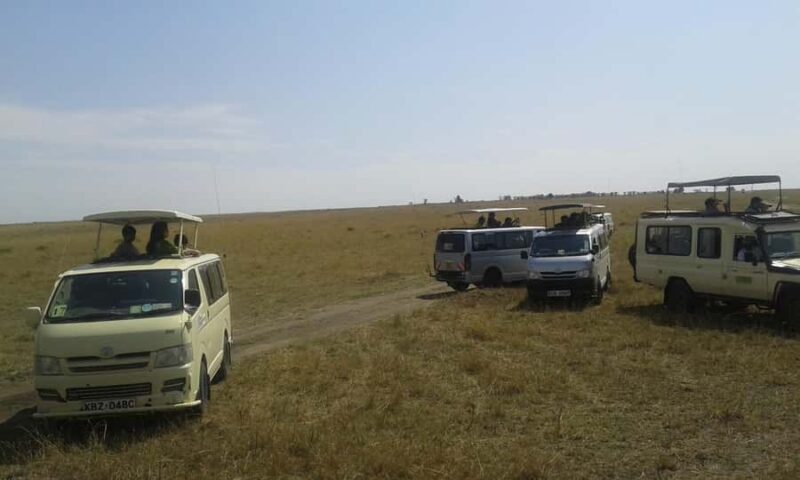
The accommodation is a large private tent with a bed, linen, mosquito net, shower, and toilet inside. Hot water and electricity are available in the evening, with a backup generator used at some camps. For a low-cost safari, having a private bathroom is a meaningful comfort: you do not have to cross a dark camp to find a shared washroom.
Keep the word camp in mind. This is not a polished lodge stay. The tents are functional and have been described as comfortable, but power may be intermittent, and some visitors have found the setting noisy. A church service near one camp began early on a Sunday, for example. If you are a light sleeper or need reliable electricity to charge several devices, bring earplugs and a power bank.
Camp names can vary. Rhino Tourist Camp is named in the meal plan, while some trips have stayed at Giraffe Hill Camp or another similar property. The details may differ, so ask where you will be staying and whether the listed tent facilities apply to that camp. The operator says its camp is privately owned, one reason it can offer daily departures.
After breakfast on day two, you spend the day exploring the reserve in search of the Big Five and other wildlife. This is the heart of the trip. The guide handles the driving and looks for animals, while you scan the plains, riverbanks, and tracks for movement.
There is no reliable way to promise a full set of Big Five sightings. Leopards and rhinos can be particularly elusive. Some groups have seen four or even all five in a day; others have missed one or more. The more useful expectation is a full day in a major wildlife reserve, with the chance to see a wide range of animals and the guide working to improve those odds.
The guide can also shape how much you get from the day. Several guides, including Sammy, Castro, Paul, and Robert, have been singled out for careful driving, animal spotting, and helping people get a clear view for photos. If you want more explanation about animal behavior or the local ecosystem, ask questions as you go. One person felt there could have been more commentary, so it is sensible to speak up rather than expect a running lecture.
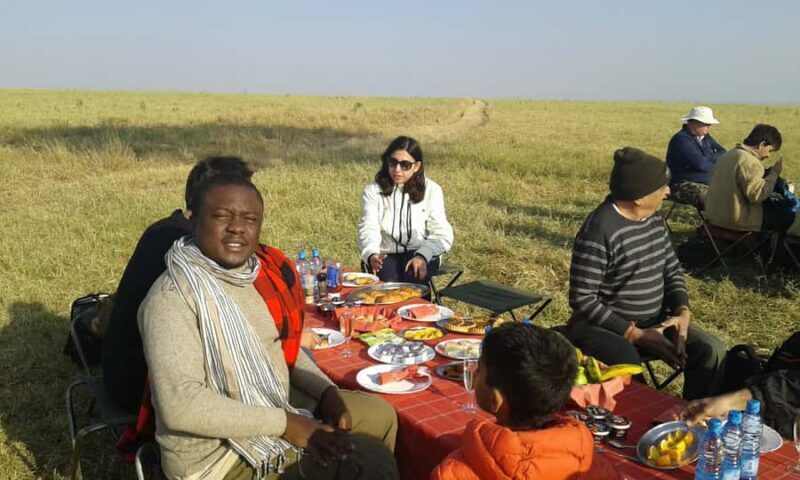
A picnic lunch is packed for the day, allowing you to stay out in the reserve rather than return to camp. You will eat amid the Mara’s open country, then continue the drive. Bottled water is provided in the vehicle, but drinks beyond that are not included. Pack a hat, sunscreen, and a camera with a charged battery; the roof opening helps with viewing, but it also leaves you exposed to sun and dust.
More Great Tours Nearby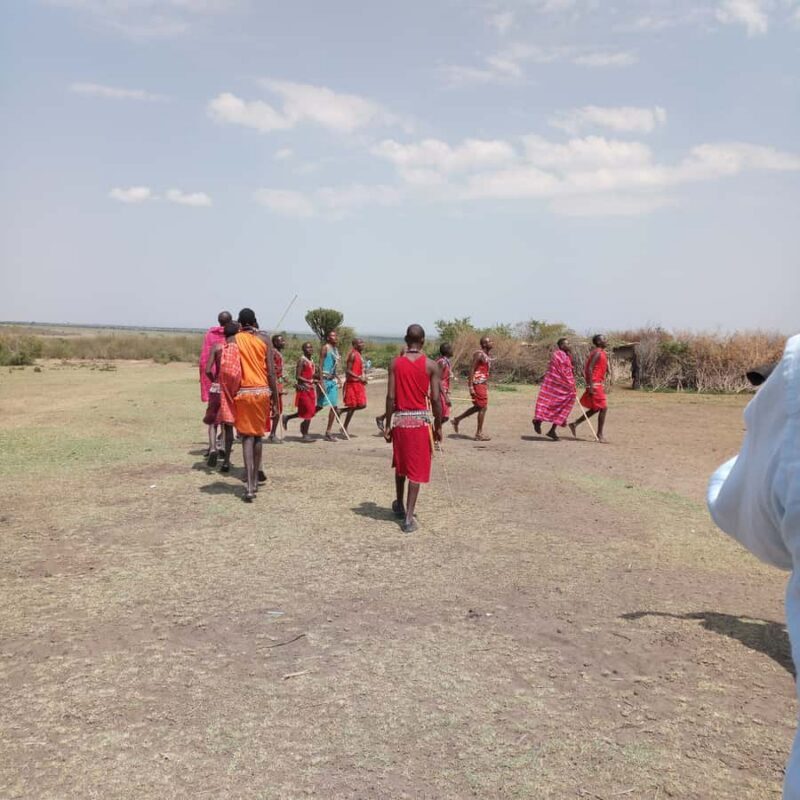
The itinerary takes you to the Mara River, where resident hippos and crocodiles can be seen along the banks throughout the year. It is a worthwhile stop even when there is no migration crossing: the river has its own wildlife, and the banks offer a different setting from the open plains.
Wildebeest move between Tanzania’s Serengeti and Kenya’s Mara as part of their annual migration. Crossings are seasonal and depend on the animals’ movements, so a visit to the river does not mean you will witness one. If the crossing is your main reason for booking, ask the operator about likely timing for your dates, and be prepared for the possibility that it will not happen during your stay.
The river stop also illustrates why a skilled driver matters. Animals may be far off, partly hidden, or visible only from a particular angle. Guides have been praised for spotting wildlife at a distance and positioning the vehicle to help the group see it. That effort can make a long day more rewarding, though you may still spend time waiting or moving between sightings.
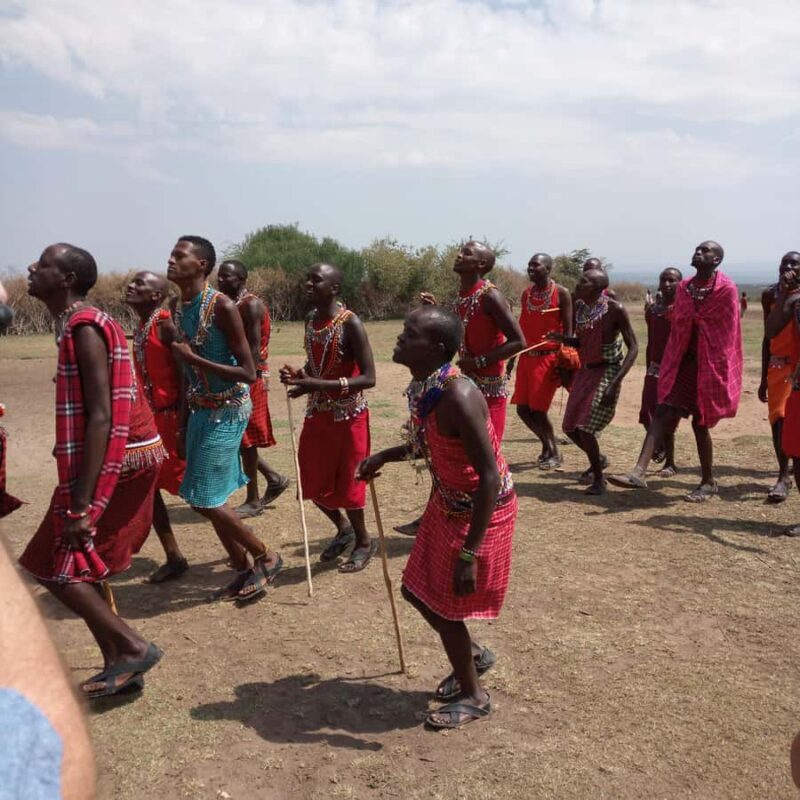
On the return journey, you can add a brief visit to a Maasai village. The visit is described as a chance to meet community members, learn about Maasai culture, and see the inside of traditional houses. It is an optional extra, not part of the base price.
This can be a useful introduction, especially if you have not had another chance to meet Maasai people or learn about their homes. Go with an open mind: some visitors have found the visit welcoming, while others felt the presentation was staged for tourists. That does not make it worthless, but it helps to know what kind of encounter to expect. If you want a longer or less arranged cultural visit, ask the operator what the stop includes before paying.
A hot-air balloon ride is also available if you select that option. It is not included in the standard package. Confirm the price and timing directly before booking so you know how it fits with the game drives.
After breakfast on day three, you check out and start the drive back to Nairobi. There is a simple complimentary lunch stop at a visitor’s motel along the way, followed by drop-off at your hotel. The journey takes much of the day, so avoid making tight onward plans for that evening.
The advertised price is $199 per person, but the park fees are separate and substantial. The stated fee for two nights is $200 per person from January through June and $400 from July through December. That brings the base cost to about $399 or $599 per person before drinks and optional activities. Confirm the current fee and dates with the operator when booking, since park charges can change.
For that total, you get transport, a guide, two nights in a self-contained tent, meals listed in the plan, a picnic lunch on day two, and bottled water in the vehicle. That is solid value if your priority is reaching the Mara on a tight budget and you accept basic camping and shared transport. It is not the right deal if you are comparing only the $199 headline price with a lodge package that includes park admission.
I would consider this trip if you have three days, want a focused introduction to the Mara, and care more about time in the reserve than high-end accommodation. The private bathroom, included meals, and small-group format make the package more comfortable than its low headline price might suggest. The guides’ animal-spotting skills are another strong reason to consider it.
I would look elsewhere if you want several full days on safari, quiet lodge comforts, or a guaranteed migration crossing. Also think twice if a long road journey is hard on you. For a first safari or a short Nairobi-based visit, though, this is a practical way to spend a night under canvas and put a full day toward wildlife.
My booking advice: Compare the full price, including the seasonal park fee, and confirm the vehicle and camp you will get. If the total still fits your budget, and you are happy with a simple camp and a busy travel schedule, this safari offers a lot of Mara time for three days.
“Great experience and highly experienced guide and driver. Robert was amazing…overall good customer service”
No. The stated fee for two nights is $200 per person from January through June and $400 per person from July through December. Confirm the current amount before booking.
Pickup is offered from hotels in Nairobi city center and Westlands near the highway, and airport pickup is offered on day one. If you are staying elsewhere, the stated meeting point is outside City Market on Muindi Mbingu Street.
The stated group size is 7 to 8 people. Ask the operator to confirm the final number and vehicle arrangement for your departure.
The private tent is described as having a bed, linen, mosquito net, shower, and toilet. Hot water and electricity are available in the evening, though power may be intermittent.
Meals listed in the itinerary are included, along with a picnic lunch on day two and a simple complimentary lunch stop on the return drive. Drinks are not included.
No. The village visit is optional and costs extra. It is described as a short cultural visit that includes meeting community members and seeing traditional houses.
No crossing is guaranteed. Hippos and crocodiles are present at the river year-round, but wildebeest crossings are seasonal and depend on the animals’ movements.
You can check availability for your dates here: