Physical Address
304 North Cardinal St.
Dorchester Center, MA 02124
Physical Address
304 North Cardinal St.
Dorchester Center, MA 02124

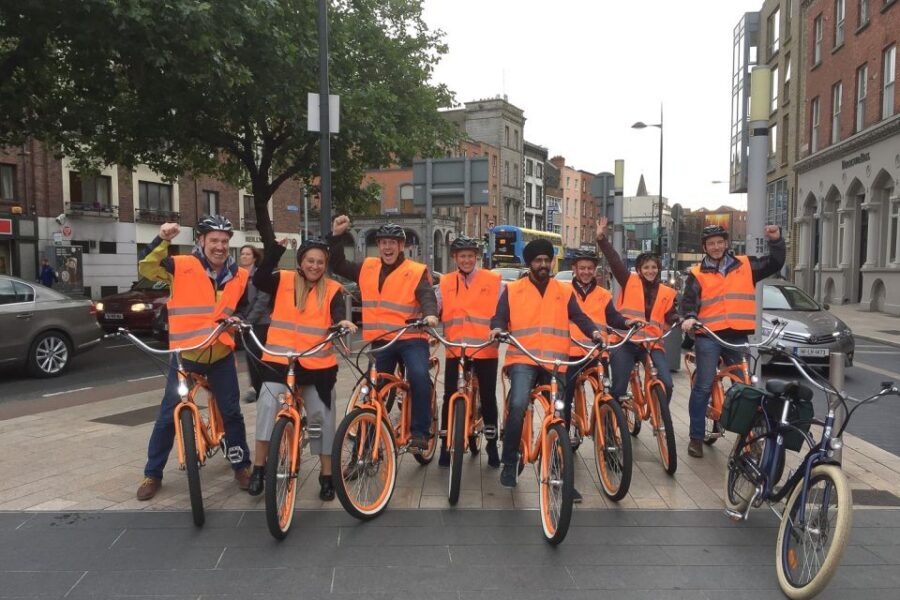
See Dublin’s major sights by bike with a local guide, a small group, and an easy-to-handle route that covers more ground than a walk.
Dublin’s story takes shape quickly from a bike seat. In roughly two to two and a half hours, this guided ride links central landmarks with places farther west, including Kilmainham, giving you a useful first map of the city and its history.
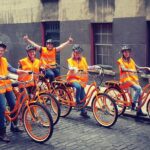
I like two things in particular: you cover far more ground than on foot, and the small group gives you room to ask questions. Guides Laura and Hugh have been praised for lively storytelling and attentive traffic guidance, while the push-bike and e-bike choices let you match the ride to your comfort level.
The main consideration is that this is still a city bike ride, not a traffic-free outing. Some riders find Dublin’s bike lanes and route manageable; others find the streets demanding. You need to be comfortable riding a bike, and the tour is not suitable for children under 14, pregnant women, or wheelchair users.
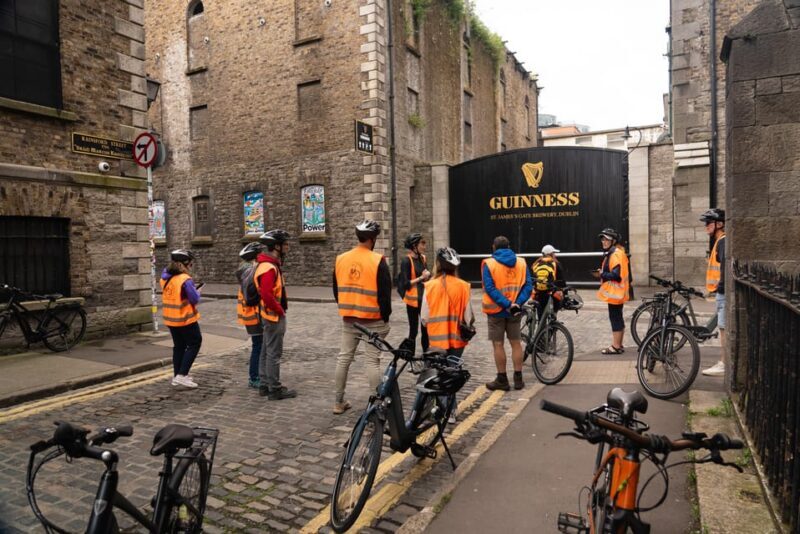
This tour is built around a simple advantage: a bike carries you between far-flung sights without asking you to spend the day walking across town. You get a closer view than from a bus, while still covering enough ground to understand how Dublin’s historic centre connects to its western landmarks.
The route begins and ends at the Lazy Bike Tour Company meeting point in Dublin 2. Before riding, the guide gives a safety briefing, and anyone choosing an e-bike receives an explanation of how to use it. Safety equipment is included.
The group is limited to 12. That matters on a city ride, where the guide needs to keep the group together and where a smaller number makes it easier to stop, listen, and ask a follow-up question. English is the tour language.
There is a small timing wrinkle to plan around. The activity is advertised as two hours, while its description and some accounts of the ride put it closer to two and a half. The listed route has several timed sections, too. If you have a tight connection or a fixed booking afterward, check the duration for your chosen departure rather than assuming the shorter estimate.
You can check availability for your dates here: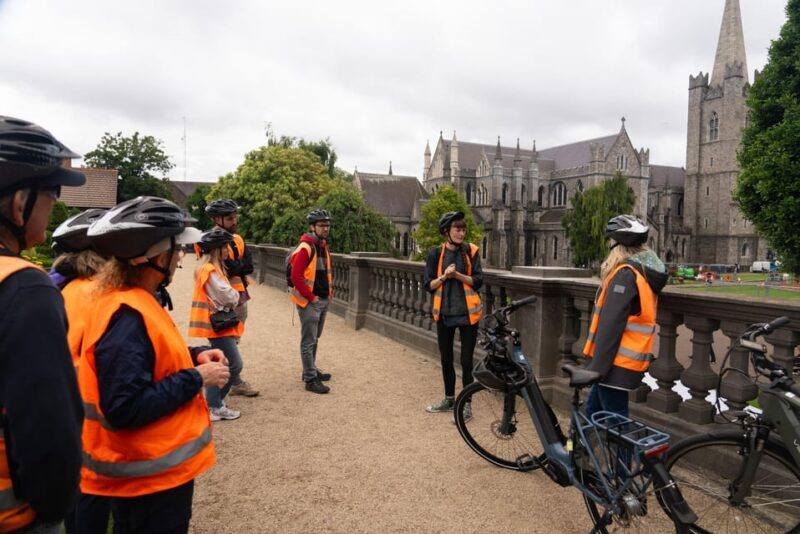
Arrive at least 10 minutes before departure. The meeting point is the bike park inside Drury Street Multi-Story Car Park, Dublin 2. There are two Drury Street car parks, so check that you are heading to the one with bike parking. That distinction is worth taking seriously: a wrong turn at the start can make a short pre-tour wait feel surprisingly rushed.
The guide runs through safety before the group heads out. This is a practical moment to mention any concern about riding in traffic, ask for help adjusting to an e-bike, or make sure you understand the route instructions. If you have not cycled on the left before, allow yourself a few minutes to settle into the rhythm.
The ride uses Dublin streets and bike lanes, and the experience can feel different depending on your cycling confidence and the traffic on the day. Some riders find the route easy and well managed; others describe the city traffic as intense. Take the safety briefing seriously, keep your attention on the road, and follow the guide’s lead.
Cyclists might enjoy these other Dublin biking routes and tours
The first major stop is Dublin Castle, reached on a section listed at about 20 minutes. The castle is a useful starting point for thinking about the city’s political past and the layers of authority that shaped it. Even a short visit or pause here can help orient you to central Dublin before the ride moves farther south and west.
This is a bike tour, not a castle admission visit. The route description calls this a bike-tour stop, so plan on seeing the site from the route rather than setting aside time for a full interior visit. If the castle is high on your list, you can return later and give it more time.
A guide can add the kind of context that makes a landmark easier to remember: how it fits into the city’s story, and what to notice as you pass. The tour’s strength is this steady thread of explanation rather than long, formal visits at each site.
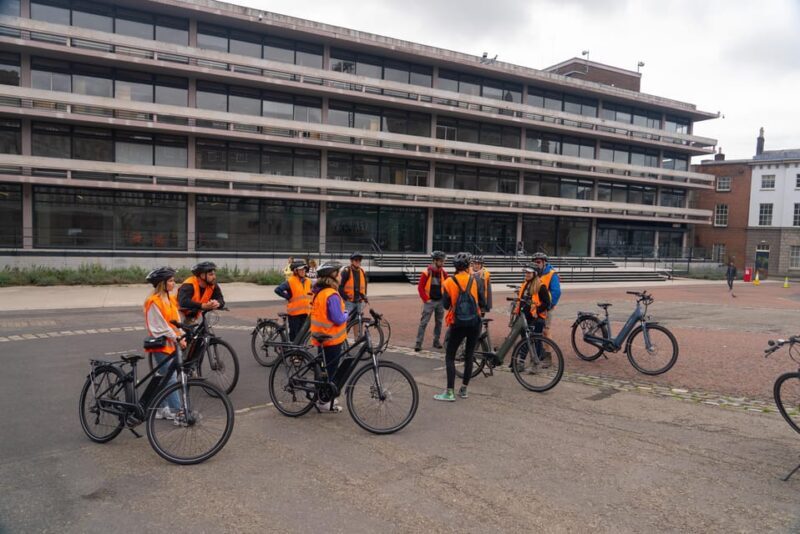
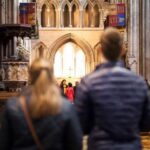
The ride continues to St Patrick’s Cathedral, with about 15 minutes allocated to this section. The cathedral is one of Dublin’s defining historic sights, and its scale makes an impression even during a brief stop. The route gives you a chance to place it in the city’s geography and hear background from your guide.
Next comes St Patrick’s Tower at The Digital Hub, where the schedule allows about 20 minutes for guided sightseeing. This stop adds a different kind of landmark to the day, connecting the city’s older fabric with a more contemporary district. It is also a reminder that Dublin’s story is not confined to its most famous monuments.
The balance here is useful for a first visit. You get a sequence of recognisable places, but the guide can also point out details you might pass without noticing on your own. The trade-off is time: a short stop offers orientation and context, not a deep visit to every site.
The route then reaches the Guinness Storehouse area, with roughly 20 minutes listed for the bike-tour section. Guinness is a major part of Dublin’s public identity, and seeing the Storehouse gives you a sense of how the brewing story sits within the city rather than treating it as a stand-alone attraction.
This is not a Storehouse admission or tasting experience. The tour passes the landmark as part of the cycling route, so you should book a separate visit if you want to go inside. That division works well for a first-day overview: you can see where the attraction is, then decide whether it merits a longer stop later.
The ride helps here because the Storehouse lies beyond the compact central cluster of sights. On foot, reaching it and continuing toward Kilmainham takes more time and energy. A bike lets the guide link these places in one outing, while still leaving you with enough of the day to explore independently.
More Great Tours Nearby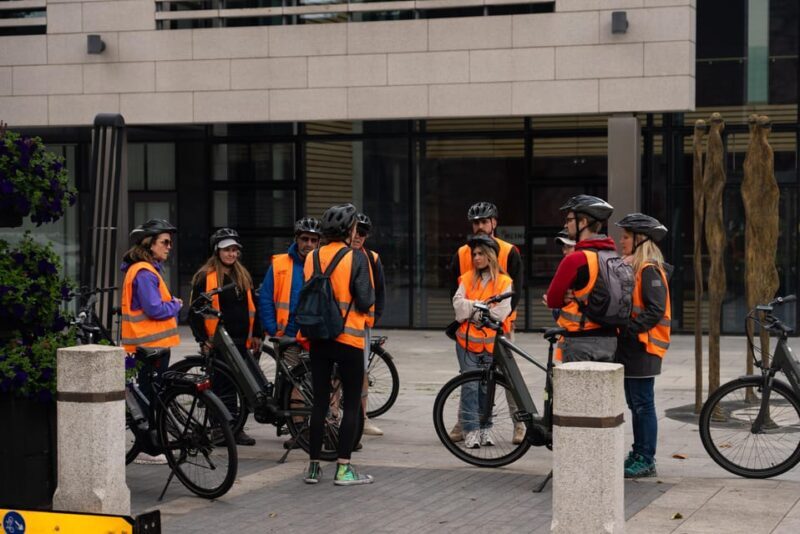
The itinerary next describes a 25-minute ride from the Royal Hospital Kilmainham toward Dublin city centre, followed by a 20-minute bike-tour section at Kilmainham Gaol. The Royal Hospital adds another historic setting to the route, while Kilmainham Gaol gives the guide a chance to connect the city’s architecture with some of its more weighty political history.
As with the other major sights, this is a pass-by and guided cycling experience, not a full prison tour. Kilmainham Gaol is a popular attraction in its own right, so treat this ride as an introduction. If you want to go inside, plan a separate visit rather than expecting the bike tour to include an extended stop.
The final listed landmark is Christ Church Cathedral, with about 20 minutes for the bike-tour section before the group returns to the starting point. By then, you will have seen how the historic centre connects to the city’s western side. That broader mental map is one of the tour’s best practical benefits: later, you can choose which places deserve a slower visit.
If you prefer having a local expert, these guided Dublin experiences could work well
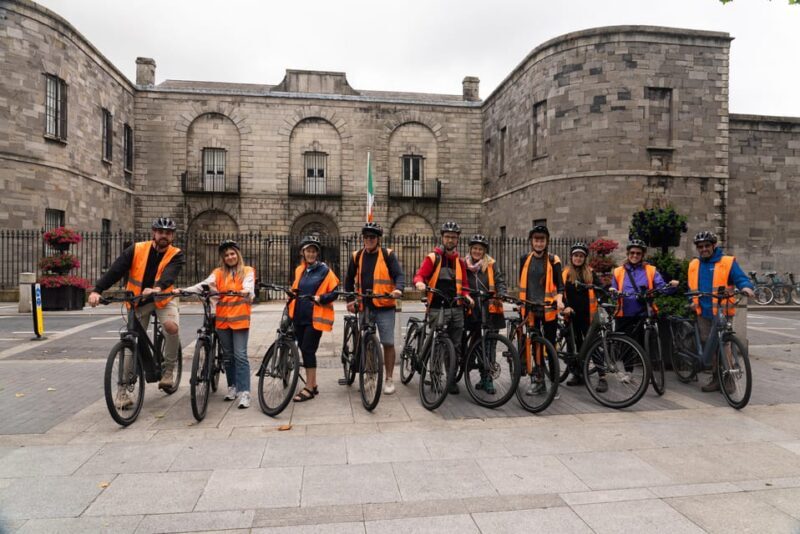
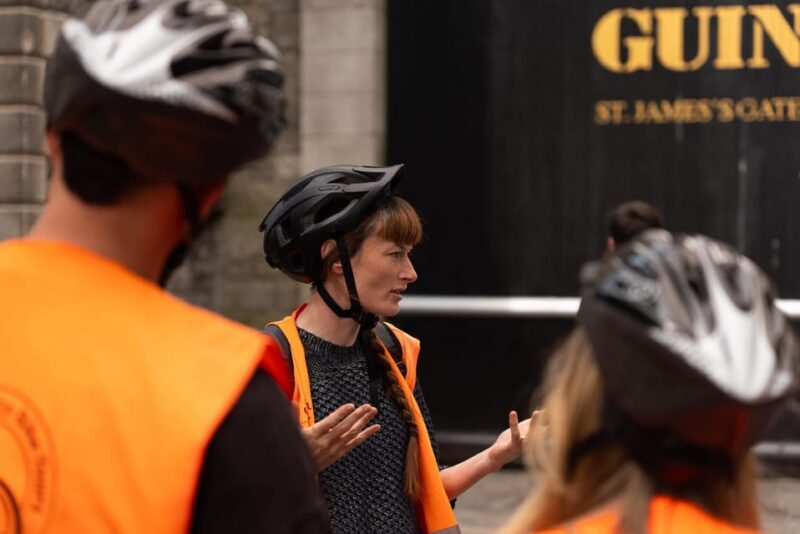
A good local guide makes a fast route feel like more than a checklist. Guides Laura and Hugh are named in accounts of the ride, and both are described as engaging storytellers who answer questions and keep an eye on the group’s safety. Laura is especially noted for combining historical detail with humour and for offering suggestions on places to revisit during the rest of a Dublin stay.
That mix suits the format. You are moving often, so the best commentary is clear and well paced, with enough detail to give a site meaning without turning every stop into a lecture. The small-group limit supports that approach, since you can ask about a detail that caught your attention or request a tip for later.
The guide’s traffic awareness is just as important as the history. If you are new to cycling on the left, having someone lead the way and watch the group can make the ride feel more manageable. It does not remove the need to stay alert, but it gives you a clear point of reference as you navigate the streets.
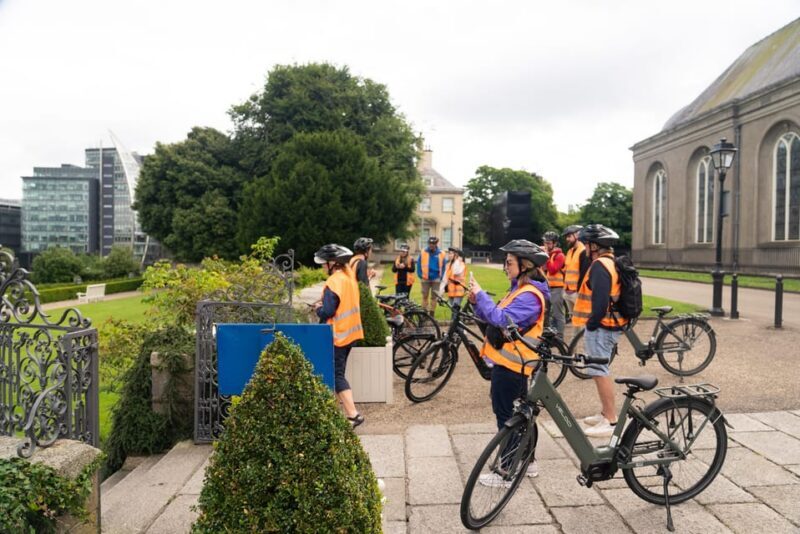
The tour offers both push bikes and e-bikes. An e-bike can reduce the effort of covering a broad route, particularly if you would rather save your energy for sightseeing afterward. The tour includes an orientation for anyone using one.
A standard push bike is also an option, and the route has been described as not especially taxing by riders who found it smooth and manageable. Still, your comfort matters more than someone else’s assessment. If you rarely ride, are uneasy in traffic, or are unsure about cycling in Dublin, consider whether an e-bike will make the outing more comfortable, and be honest with yourself about your road confidence.
The bikes have been described as newer and in good working order. That is reassuring, but do a quick check before setting off: make sure the seat feels right, the brakes work, and you know how to signal or ask for help if needed. Comfortable shoes are on the recommended packing list, and a camera is useful when the group pauses by the sights.
At $32 per person, the value comes from combining transport, a local guide, safety equipment, and a broad city orientation in one outing. You are paying to connect sites that are spread across the centre and west of Dublin, with explanations along the way. For a short first visit, that can be more useful than spending the same time walking between only a few places.
The tour does not include entry to the listed attractions, and there are no food or drink stops. Think of the price as covering the guided ride, not a full day of admission tickets or meals. If you want to visit Dublin Castle, the Guinness Storehouse, or Kilmainham Gaol inside, budget separate time and any applicable entry costs.
The strongest value is likely for someone arriving in Dublin with limited time who wants a quick overview before choosing what to explore in depth. If you already know the city well, or prefer to linger at each site, a bike tour may feel too brisk. Its purpose is orientation, not an exhaustive visit.
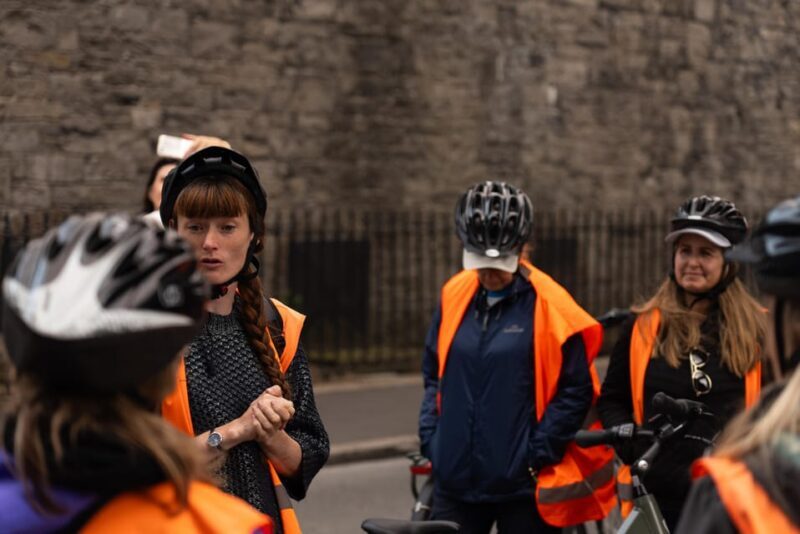
Dress for the weather on the day. Dublin conditions can change, and the tour goes ahead on city streets rather than inside a sheltered attraction. Bring a camera if you want photos at the stops, and have food or a drink before or after the ride because there are no refreshment breaks.
Pets are not allowed. The activity is not suitable for children under 14, pregnant women, or wheelchair users. The language is English, and the group size is capped at 12.
Free cancellation is available up to 24 hours before departure for a full refund, and the reserve-now, pay-later option lets you hold a place without paying immediately. Check the available starting times and confirm the duration when booking, especially if your day is tightly planned.
Book it if you are comfortable on a bike and want an active, friendly introduction to Dublin’s central and western sights. The small group, local commentary, and wide route make it a smart first-day choice, especially if you want to collect ideas for later visits.
Skip it if cycling in traffic would make you tense, if you need a fully accessible activity, or if you want long visits inside the attractions. For everyone else, the mix of practical orientation, history, and easy distance-covering makes $32 a reasonable price for a useful start in Dublin.
“Tour was brilliant! Not very difficult on the bikes, nice and easy route, but also covers a lot of ground in the city.”
The activity is advertised as two hours, while its description and some accounts of the ride give a duration of about two and a half hours. Check the duration shown for your selected departure.
It starts and ends at the Drury Street Multi-Story Car Park bike park in Dublin 2. Be sure to go to the car park with bike parking, as there are two on Drury Street.
The route includes Dublin Castle, St Patrick’s Cathedral, St Patrick’s Tower at The Digital Hub, the Guinness Storehouse area, the Royal Hospital Kilmainham, Kilmainham Gaol, and Christ Church Cathedral.
Yes. You can choose a push bike or an e-bike. An orientation on using the e-bike is included if you select one.
It is not suitable for children under 14.
No. The activity is listed as unsuitable for wheelchair users and pregnant women.
Wear comfortable shoes, bring a camera if you wish, and dress for the weather on the day of the tour.
No. There are no food or drink stops, so plan to eat or have a drink before or after the ride.
You can cancel up to 24 hours in advance for a full refund.
You can check availability for your dates here: