Physical Address
304 North Cardinal St.
Dorchester Center, MA 02124
Physical Address
304 North Cardinal St.
Dorchester Center, MA 02124


Walk Dharavi with a local guide to see its workshops, homes, markets and schools, and learn about the community beyond the usual Mumbai view.
Dharavi is not only a place of crowded lanes and modest homes. It is also a working neighborhood of recycling shops, leather and garment businesses, pottery, schools and markets, best understood with someone who lives there. I like that the guides bring firsthand knowledge, and that the route shows both the work of the community and its daily routines.
One thing to keep in mind: this is a walk through a residential area, not a staged attraction. You will see real living conditions, and the experience can feel moving or uncomfortable. Modest clothing, discretion and respect for residents matter.
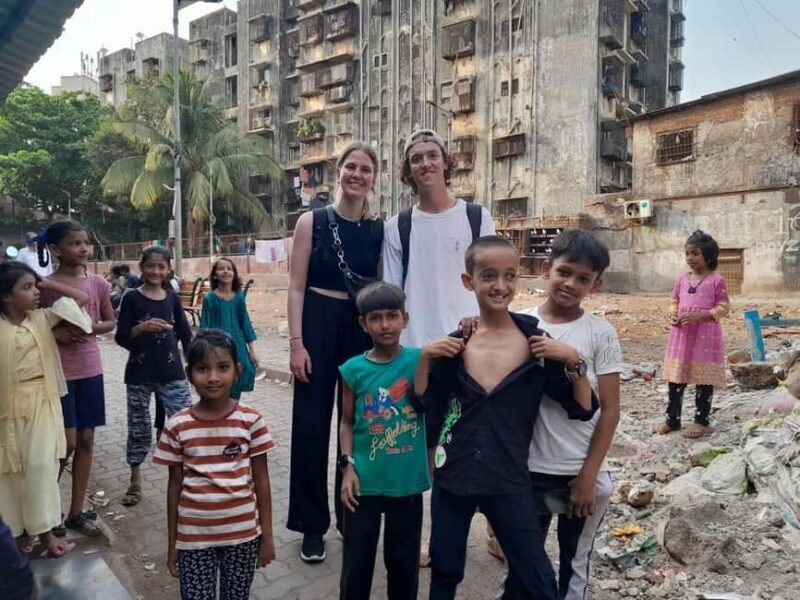
Dharavi is often reduced to one word: slum. A walk here complicates that picture. You move among homes, schools and small businesses, through a dense neighborhood where people from across India live and work, often speaking different languages. The area’s economic activity is striking, but it does not erase the challenges of cramped housing and limited facilities.
The tour describes Dharavi’s economy as generating more than $1 billion a year. That figure is a useful measure of the scale of local enterprise, not a reason to treat the neighborhood as a success story without hardship. The more valuable lesson is how residents make a living, support their families and build a community in a place that outsiders often misunderstand.
I like that this experience is led by local guides who say they have lived in Dharavi for generations. That changes the nature of the visit. Instead of wandering through unfamiliar lanes with no context, you can ask questions and hear how the neighborhood works from someone who knows it as home.
The strongest feature is the balance between industry and everyday life. You are not limited to a row of workshops or a quick look at one residential lane. The route can show production, commerce, education and home life, giving you a broader sense of how the community functions.
If you prefer having a local expert, these guided Mumbai experiences could work well
The meeting point depends on the option you book. If you choose pickup, wait at the main entrance or lobby of your hotel. A driver is expected to arrive at the booked time and call or WhatsApp when they are close, usually about 10 minutes beforehand, then take you to the meeting point where the guide begins the walk.
The local guide is central to the experience. Guides named by visitors include Priscilla, Shivam, Balaji, Siddesh, Sufiyan, Siddhu and Sajid. Your guide will depend on the departure you choose, but the recurring strengths described in their accounts are clear: good English, patient answers, and an ability to explain sensitive subjects such as housing, income and education in plain terms.
That local perspective is useful because the details of a place can be easy to misread. A workshop may look like a small room from the lane, but its role in a wider chain of work is harder to see without explanation. A guide can also help you understand the difference between what you observe and what you might assume.
The advertised duration ranges from two to 3.5 hours, while the guided walk in Dharavi is listed at about two hours. The difference likely reflects the chosen option and any pickup or transfer time, so allow a little flexibility rather than planning a tight connection immediately afterward.
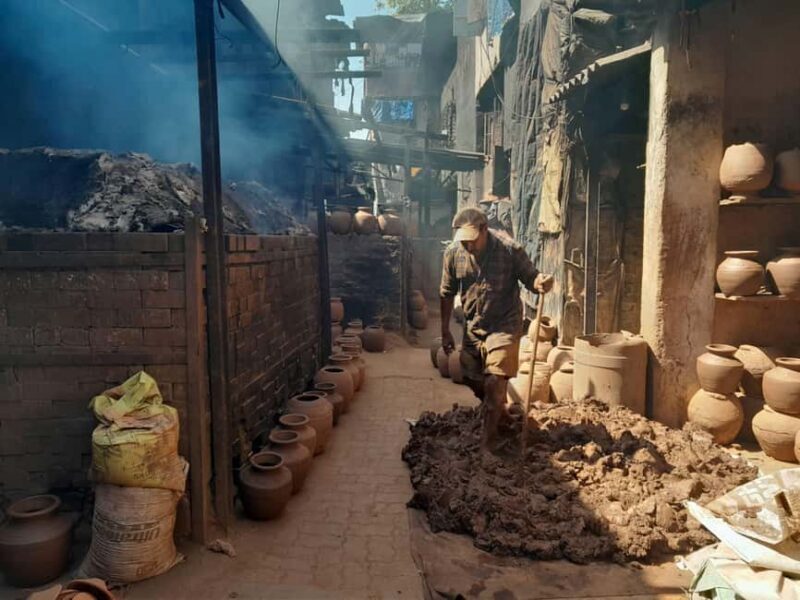
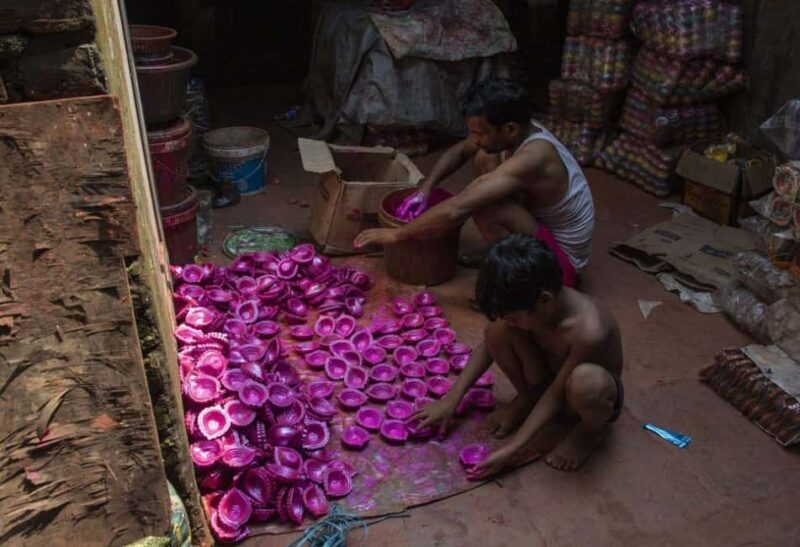
The industrial side of the walk brings you past small-scale businesses and workshops. Depending on the route, these may include recycling industries, a leather factory, garment work and pottery. The point is not simply to look at machinery or products, but to understand how many kinds of work fit into a tightly packed neighborhood.
The range of activity is one of the tour’s most compelling parts. Residents’ businesses help explain why Dharavi is more than a residential area, and why its economy reaches far beyond the boundaries of any single workshop. Guides can connect what you see on the street with the wider network of people making, sorting, repairing or selling goods.
Keep your expectations realistic. This is a working neighborhood, not a factory museum with a fixed display and a guaranteed demonstration at every stop. The exact places you visit may vary, and your guide’s explanations are what make the route meaningful.
The work areas can also prompt questions about income and living conditions. Visitors have found it helpful when guides explain those subjects directly and answer questions patiently. I would ask with curiosity, not as if residents’ lives were a case study set up for your benefit. Your guide is the best person to help you find a respectful way into the conversation.
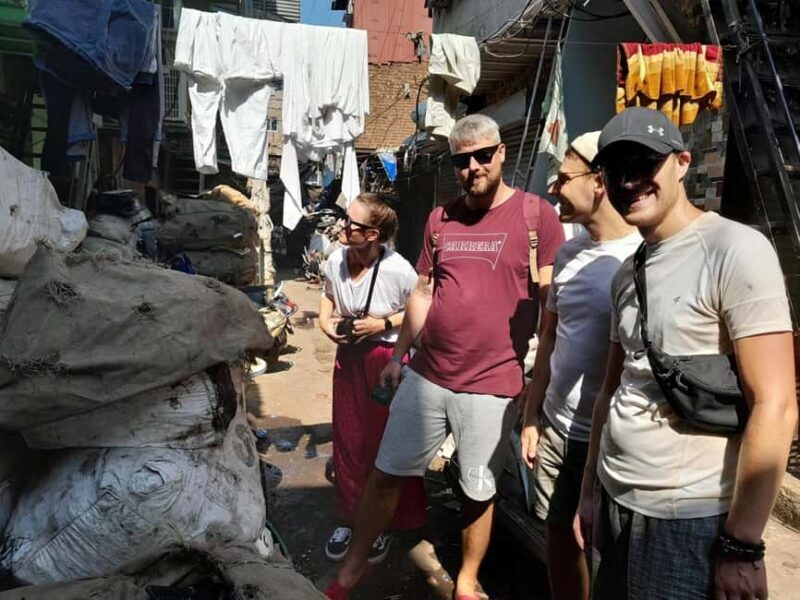
The market offers another view of ordinary local life. It is part of a neighborhood that serves its residents, not a set built for sightseeing. Walk at your guide’s pace, stay aware of people moving around you, and give space to anyone going about their day.
The school and residential areas help round out the picture. The tour can take you through narrow lanes and show the smallest homes, along with places connected to education and family life. These are meaningful parts of the walk, but also the moments when respectful behavior matters most: you are moving through people’s homes and routines, not an open-air exhibit.
The guide’s role is especially important here. A visitor may notice how close the buildings are together, but a local guide can add context about the neighborhood’s history, its residents and daily life. Several guide names are associated with explanations that cover both the industrial and residential sides, rather than treating one as the whole story.
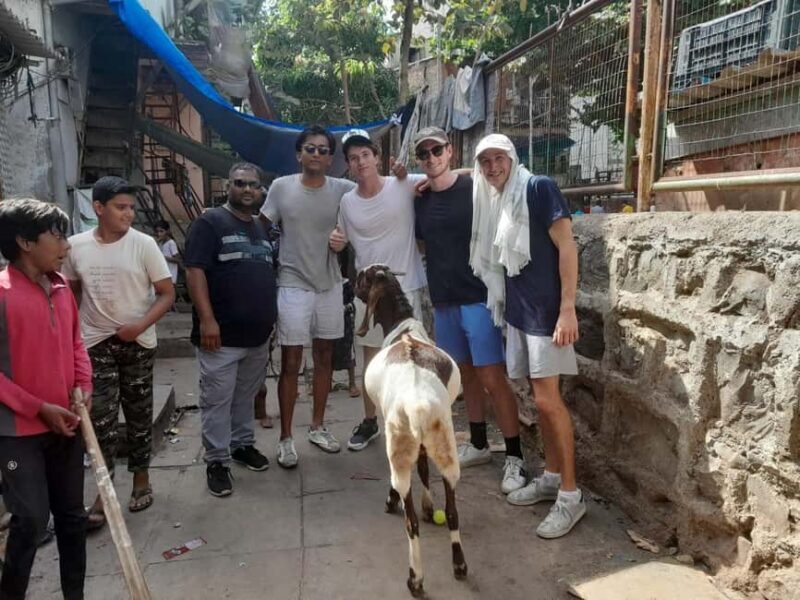
The route also reveals Dharavi’s mix of communities. Families from across India live here and speak different languages, and the tour emphasizes their coexistence and shared neighborhood life. That sense of community is worth noticing without romanticizing it: solidarity and entrepreneurship can be real, while the material difficulties of crowded living remain real too.
More Great Tours Nearby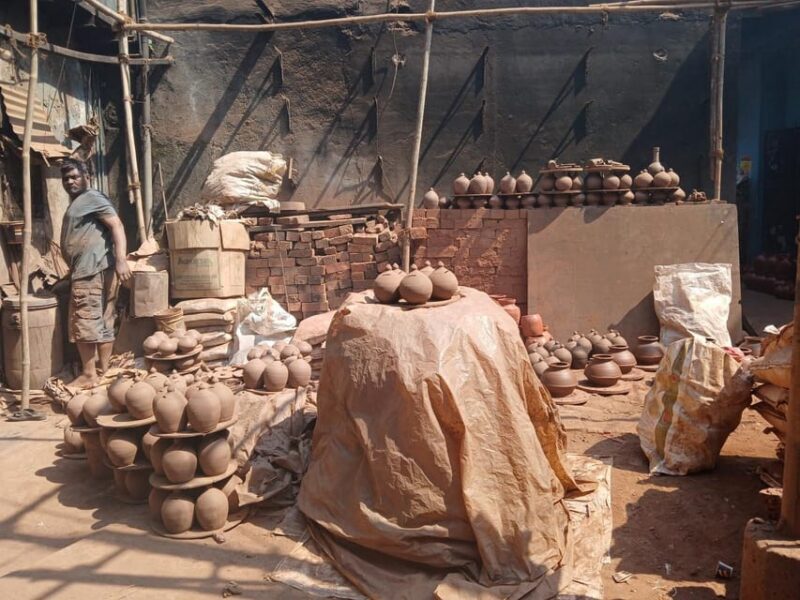
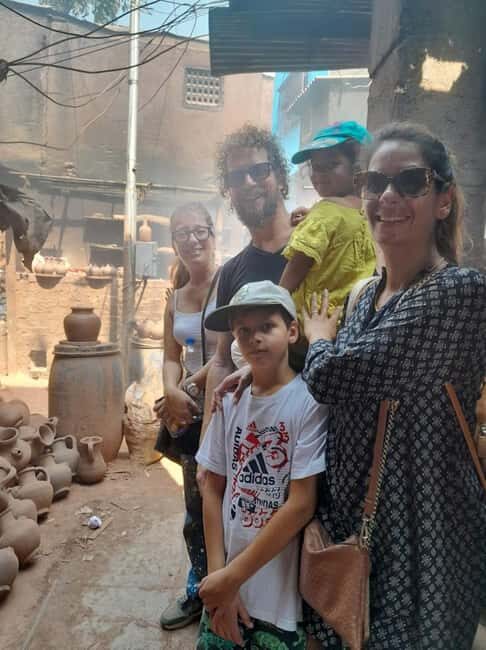
Pottery is one of the specific activities that may feature on the walk. Alongside recycling, leather and garments, it gives you a concrete example of the varied work happening within Dharavi. Seeing more than one kind of business helps prevent the area from being reduced to a single industry or image.
The route’s range is a practical strength. In roughly two hours on foot, you can encounter working areas, residential lanes, a local market, a school and pottery. That makes the tour a useful choice if you have limited time in Mumbai but want more context than a quick drive past the neighborhood could provide.
Still, this is an introduction, not an exhaustive account of Dharavi. You will only see part of a large, complex community, and a short visit cannot explain every local issue or experience. Treat the walk as a starting point for better questions, not as a complete picture of life here.
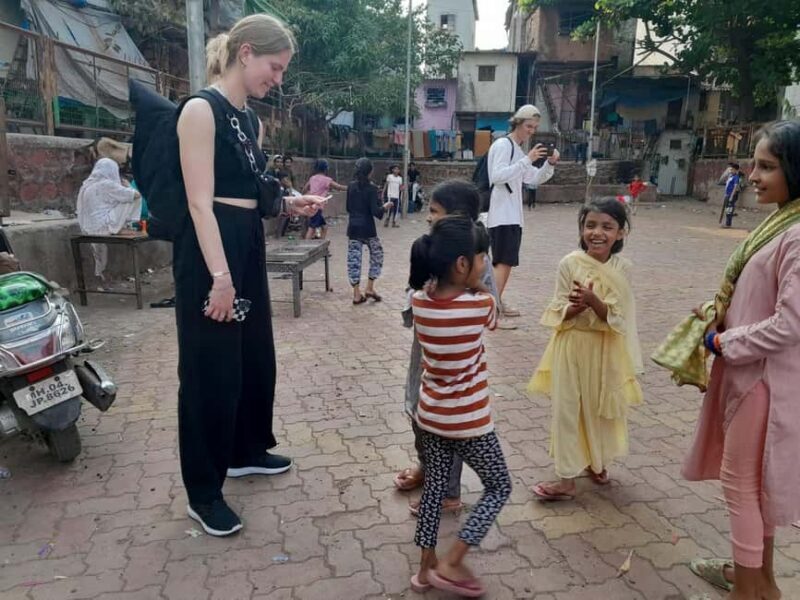
The tour involves narrow lanes and crowded areas, so wear comfortable shoes and keep your belongings secure. Bring water, sunscreen and a sun hat, and dress for the weather. Bottled water is included, but snacks are not, so eat beforehand if you expect to need more than a drink during the walk.
Restroom facilities may be limited along the route. Plan accordingly before you set off, especially if you are joining a longer option or using pickup. The walk is not suitable for wheelchair users or people with visual impairments, which is important to consider before booking.
Dress modestly. Short skirts and sleeveless shirts are not allowed, and professional cameras and flash photography are also prohibited. Those limits are sensible in a residential setting: you are there to learn about a community, not to turn its residents into photographs. Ask your guide before taking pictures, and follow their directions.
The tone can be emotionally complex. A visit may leave you impressed by the enterprise and community spirit you see, while also aware of the strain of crowded housing and uneven access to facilities. The tour is most worthwhile when you can hold both realities in view.
At the listed price of $5 per person, this is a low-cost way to spend about two hours with a local guide. Bottled water is included, and the guided context is the main value: without it, you might see workshops and lanes but miss how they connect to work, housing, education and community life.
Private or small-group options are available, though the exact group size is not specified. If you prefer time to ask questions, check which option you are booking and consider choosing a smaller format if available. Pickup is optional, and the meeting point changes depending on the option, so compare the details before confirming.
The tour also offers free cancellation up to 24 hours in advance and a reserve-now, pay-later option. Those terms can help if your Mumbai plans are still shifting. Just remember that the listed price does not include snacks, and allow for the full 2 to 3.5-hour window rather than counting only the walk.
I would recommend this tour if you want to understand more of Mumbai than its major sights and are ready to visit a residential neighborhood with care. It suits curious visitors who value local voices, have questions about small businesses and everyday life, and can accept that the experience may be sobering as well as interesting.
It may be a poor fit if you want a polished attraction, easy facilities throughout, or a route designed for step-free access. It is also not the right choice if you are unwilling to follow the clothing and photography rules. You will get more from the walk if you listen first, avoid treating hardship as spectacle and let your guide set the tone.
At $5 per person, I see the price as strong value for an English-language guided introduction to Dharavi, particularly if you choose an option that suits your schedule. Book it for the local perspective and the chance to see both work and home life. Do not book it expecting a complete account of the neighborhood, or a comfortable sightseeing stroll.
“The tour provider good insights in Dharavi. It is well thought about tour, going through the industrial part, the residential part, the market, sch…”
The full activity lasts 2 to 3.5 hours, depending on the option booked. The guided walk in Dharavi is listed at about two hours.
The live tour guide speaks English.
The walk can include narrow residential lanes, small homes, a local market, a school, recycling businesses, leather and garment work, and pottery.
Pickup is optional and depends on the option you book. If you choose it, wait at your hotel’s main entrance or lobby.
A tour guide and bottled water are included. Snacks are not included.
Wear comfortable shoes and weather-appropriate clothing. A sun hat, sunscreen and water are recommended. Short skirts and sleeveless shirts are not allowed.
No. The activity is listed as unsuitable for wheelchair users and people with visual impairments.
You can check availability for your dates here: