Physical Address
304 North Cardinal St.
Dorchester Center, MA 02124
Physical Address
304 North Cardinal St.
Dorchester Center, MA 02124

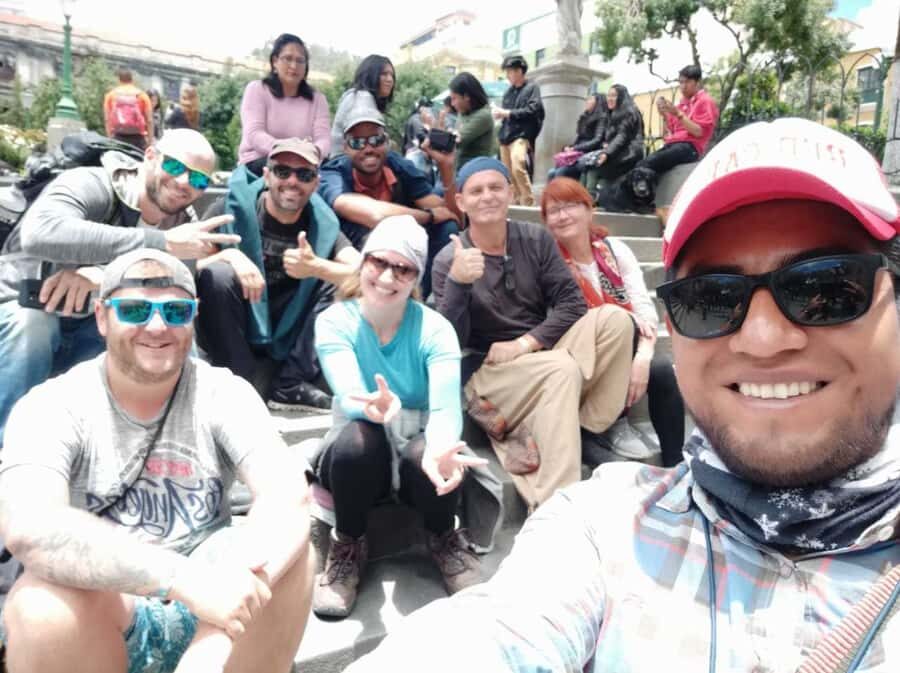
Explore La Paz on a $3 guided walk, from Plaza Murillo to the Witches’ Market, with stories about Bolivian culture, politics and daily life.
La Paz’s street life makes more sense when someone explains what you’re seeing. On this 150-minute walk, a local guide links landmarks such as Plaza Murillo and the Witches’ Market with everyday customs, from women’s hats to masked shoe shiners and the zebras who direct traffic.
I like two things in particular: you get culture and politics alongside the sights, and the $3 price makes a guided introduction unusually accessible. The main consideration is the walking itself: La Paz sits at high altitude, and the route may include uphill stretches. It is not suitable for wheelchair users or people with mobility impairments.

La Paz can feel like a city of contrasts: monumental government buildings, crowded streets, Indigenous traditions and modern daily routines all share a compact central area. A guide helps you connect those parts rather than simply pass them by. Instead of treating a market stall or an unusual street scene as a photo opportunity, you can ask what it means and hear how local history shaped it.
The walk lasts about two to two and a half hours, a practical length for an introduction. You cover key central sights on foot, but this is not a checklist tour designed to race through every landmark. Its value lies in the explanations. The route may include relatively few stops, so expect more attention to stories and context than long visits inside buildings.
That approach suits you best if this is your first day in the city, or if you want a clearer picture of La Paz before exploring independently. One visitor described using the tour to feel more confident about returning to central areas alone. I think that is a real benefit of a well-led city walk: you learn not only what you are looking at, but also how the pieces fit together.
If you enjoy exploring La Paz on foot, these walking tours might also suit your style
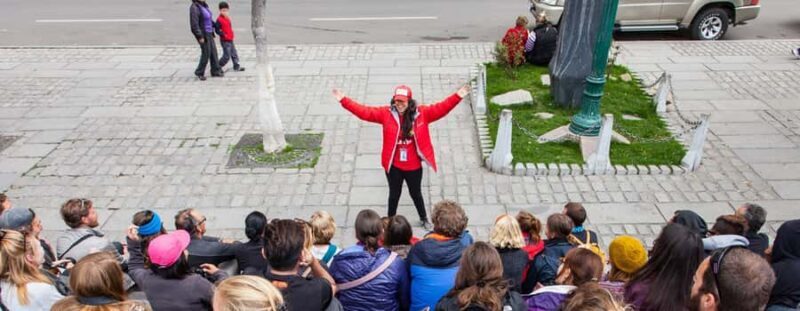
The meeting point is in the center of Plaza San Pedro, also called Plaza Sucre, near the statue. The address is Cañada Strongest, La Paz. Look for a guide wearing a red cap and an I heart La Paz t-shirt. That clear marker should help you spot the group in a busy central area.
The guide speaks English, and the tour is led by local guides. Denise, Max, Daniel, Rem, Matt, Juan, Remberto, Amara and Maru are among the names associated with this tour. Your guide will depend on the departure, so book for the route and format rather than expecting a particular person.
A small practical point: arrive ready to walk, not just stand around in the plaza. Wear comfortable shoes and bring cash. The operator lists a sun hat, sunscreen and rain gear as useful items, a sensible combination in a city where walking outdoors is the main event.
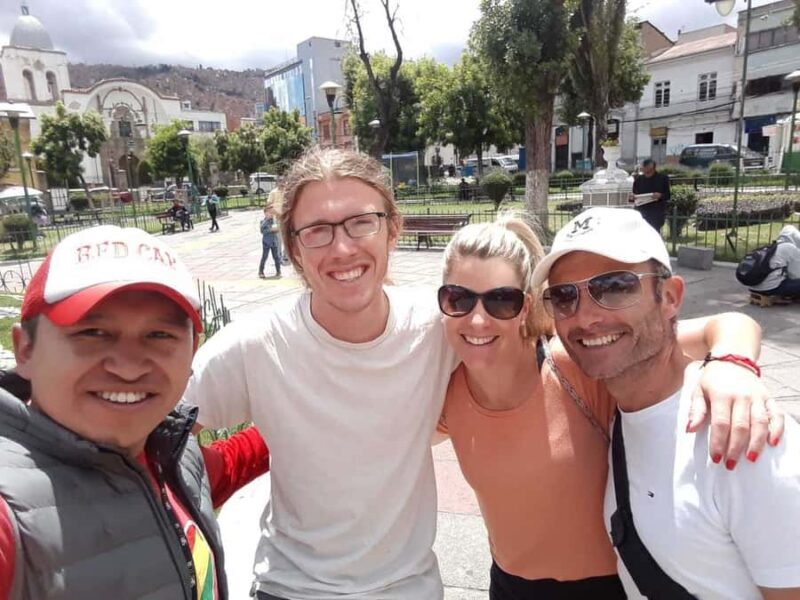
Plaza Murillo is one of the tour’s main historical stops. Here, you can admire the Presidential Palace, the National Congress of Bolivia and the Cathedral of La Paz, along with other monuments. The square is more than a handsome photo backdrop. It puts political and religious institutions side by side in the city center.
The guide’s explanations help give the buildings a human scale. La Paz has experienced substantial political turmoil, and the tour addresses that history as part of the story of the city and its people. If you are curious about how the country’s past shapes public life today, this is a good place to ask questions.
Do not expect a long interior visit to each building. The tour is a walking overview, and the emphasis is on seeing the key sites and understanding their role. That balance is useful if you have limited time, though you may want to return later for a closer look at any place that catches your interest.
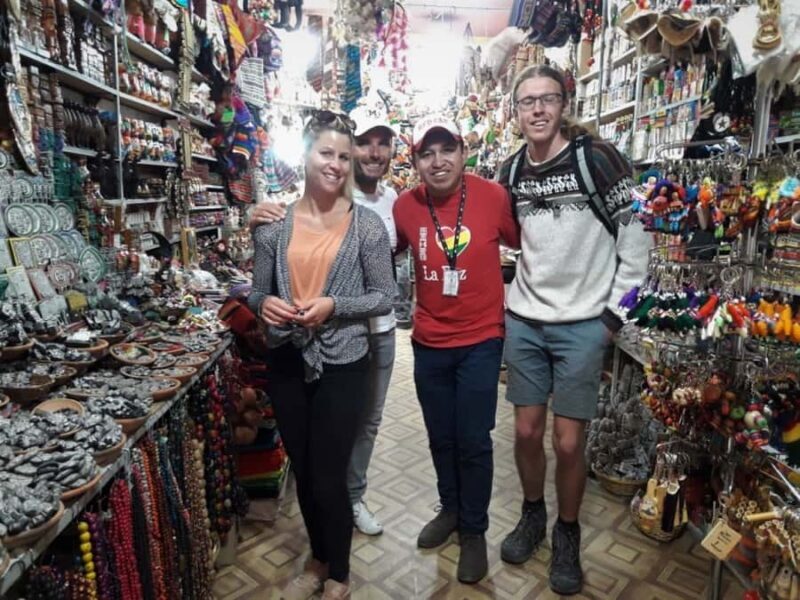
The Witches’ Market is a central highlight, and one of the tour’s most distinctive stops. Its stalls display curious lotions, potions and talismans. Without context, it can be tempting to view the market as a colorful spectacle. A guide can explain how the objects relate to Andean beliefs and traditions, and what kinds of items people might seek there.
That explanation matters. The market is not simply a place to collect an unusual souvenir; it offers a window into spiritual practices that remain part of local culture. You can ask what a particular object is for and how people understand its use. The tour’s aim is to help you look with curiosity rather than reduce the place to its more startling displays.
You should not assume the guide will tell you to buy something, or that every item has a simple explanation. The value is in hearing about the beliefs behind the goods. If you want to shop, bring cash, but remember that meals and drinks are not included, and the tour price does not cover purchases.
More Great Tours NearbySome of the most memorable subjects are not buildings at all. The guide explains why women wear distinctive hats, why shoe shiners cover their faces with masks, and why zebras appear on the streets. These details are easy to notice and hard to interpret from a quick glance. They are exactly the kind of things that make a local guide useful.
The tour also considers how the city’s history and culture shape daily life. That can turn a short walk into a more useful introduction than a list of dates and names. You have room to ask questions, and guides are repeatedly described as approachable and engaging. Denise, in particular, has been praised for making the material funny as well as informative, while guides such as Max, Daniel and Rem have also been singled out for lively storytelling.
The guide’s personality will affect the feel of your outing, as it does on any walking tour. Still, the overall strength of this one is the mix of clear historical information and human stories. If you enjoy learning how a city works, rather than only photographing its most famous facades, you are likely to find this part especially rewarding.
This is a two-and-a-half-hour introduction, not a full city tour by vehicle. You walk between central areas and visit key sights on foot. The exact sequence and pace can depend on the guide and the group, but the main subjects include Plaza Murillo, the Witches’ Market and the stories of La Paz’s people and traditions.
Some visitors have found that the walk covers fewer sights than they expected. That is worth keeping in mind if you want to tick off a long list of attractions. On the other hand, the guide’s explanations are the reason to book. You trade breadth for more context at each stop, and you can use what you learn to decide where to spend more time later.
Walking in La Paz also asks more of you than a stroll at sea level. The altitude can make even ordinary uphill stretches feel demanding. One participant described a guide keeping the pace slow and the route relatively flat, but that should not be treated as a guarantee for every departure. If you have trouble walking uphill, ask about the route before booking. The activity is not suitable for people with mobility impairments or wheelchair users.
At $3 per person, this is an unusually inexpensive way to get an English-speaking local guide for 150 minutes. The price makes sense as an introductory walk, especially if you want orientation and cultural context without committing to a costly private tour. Your money goes toward the guiding, not a meal, drink or souvenir.
A few people who took the tour felt a tip was appropriate, especially given the low starting price and the effort their guide put into the experience. Tipping is not listed as an included cost, so bring cash if you may want to leave one. Treat it as your decision, not a fixed amount promised by the tour details.
The booking terms allow you to reserve without paying immediately, and you can cancel up to 24 hours in advance for a full refund. Starting times vary, so check availability for your date. Those flexible terms are helpful if your plans are still taking shape, but the main decision is whether a guided walk fits your energy and interests.
I would choose this tour early in a stay in La Paz. It gives you a framework for understanding the city, and the central stops make it easy to identify places you might want to revisit. It is particularly suited to curious first-time visitors who like asking questions about culture, politics and ordinary street life.
It can also work well if you have only a short time in the city. In about two and a half hours, you can see major central landmarks and learn enough to make later wandering more rewarding. The guide’s local perspective is the point; if you only want to see buildings quickly, you could walk past many of them on your own.
Think twice if long walks at altitude are difficult for you, or if you need step-free access. The tour is on foot and is explicitly unsuitable for wheelchair users and people with mobility impairments. Otherwise, bring water for yourself, sun protection, rain gear and cash, and be prepared for the weather and walking conditions to shape your comfort.
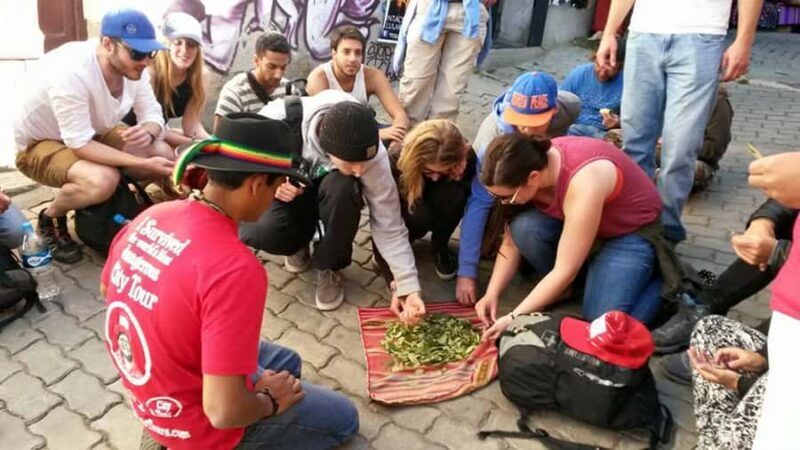
Book it if you want a low-cost, locally guided introduction to La Paz that goes beyond monuments. The Witches’ Market, Plaza Murillo and the stories about hats, shoe shiners and street zebras give the walk a distinctive focus, while the guide’s explanations connect these details to Bolivian culture and politics.
Skip it if you are looking for a long list of stops, an indoor attraction, or a route suited to limited mobility. For most curious, reasonably mobile visitors, though, $3 for an English-speaking guide and a useful first look at the city is strong value. Arrive at Plaza San Pedro, find the red cap, and bring questions.
“It was great! Our tour guide Denise was fantastic. You could really see that she loved her job, and she was excellent at keeping things engaging an…”
The tour lasts 150 minutes, or about two to two and a half hours.
The listed price is $3 per person.
The tour is led in English by a local guide.
Meet in the center of Plaza San Pedro, also called Plaza Sucre, near the statue, at Cañada Strongest in La Paz.
Look for a red cap and an I heart La Paz t-shirt.
The tour includes the Witches’ Market and Plaza Murillo, where you can see the Presidential Palace, National Congress of Bolivia, Cathedral of La Paz and other historic monuments.
Bring comfortable shoes, a sun hat, sunscreen, rain gear and cash.
No. It is not suitable for wheelchair users or people with mobility impairments.
You can check availability for your dates here: