Physical Address
304 North Cardinal St.
Dorchester Center, MA 02124
Physical Address
304 North Cardinal St.
Dorchester Center, MA 02124

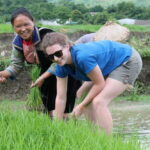
Trek 10 to 12 km through Sapa’s rice terraces and Hmong and Dzay villages, with a local guide and home-cooked lunch.
The day’s best feature is the way the route joins Sapa’s famous terraces to daily life in the villages. You walk past farmers, wooden houses and streams, then sit down for lunch with a local Hmong family. It is more than a viewpoint tour: the walking gives the scenery a human scale.
I like two things in particular: a local English-speaking guide who can explain Hmong and Dzay customs, and a route that moves from open valley views to village paths and a shared meal. At $27, the included guide, entrance tickets and lunch make this a strong-value day out.
The main caution is the trail underfoot. It covers 10 to 12 kilometers, and the opening section can be steep, muddy and slippery, especially after rain. Bring shoes with grip, and be ready to get dirty.
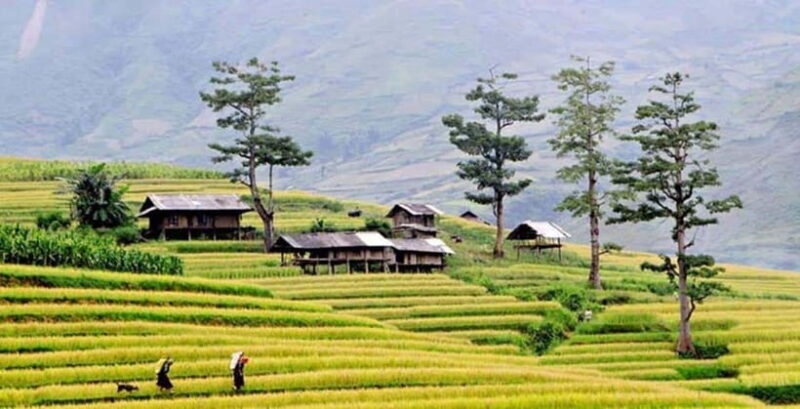
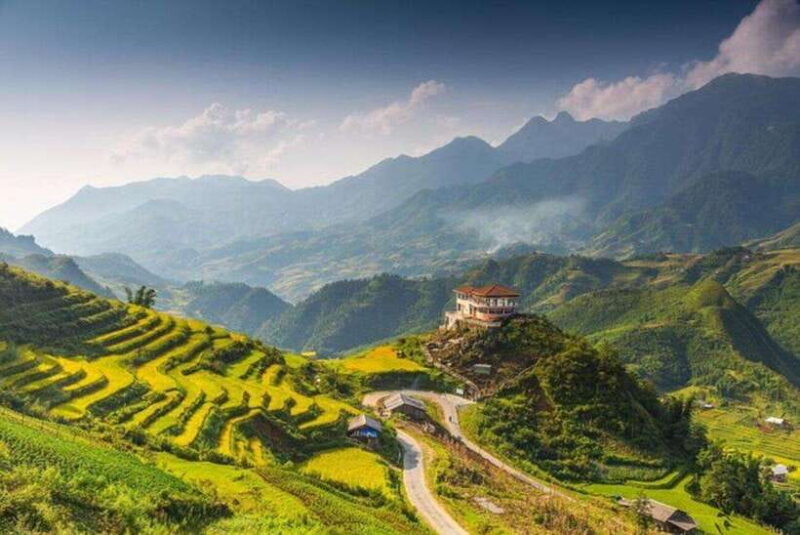
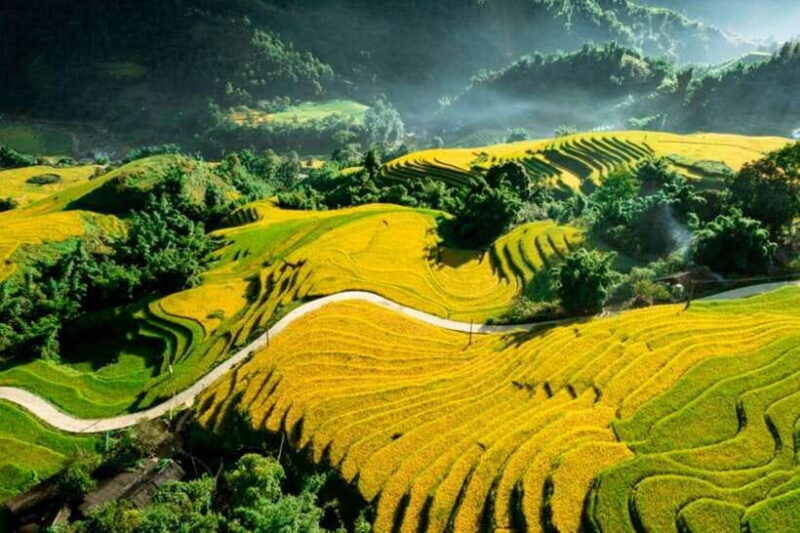
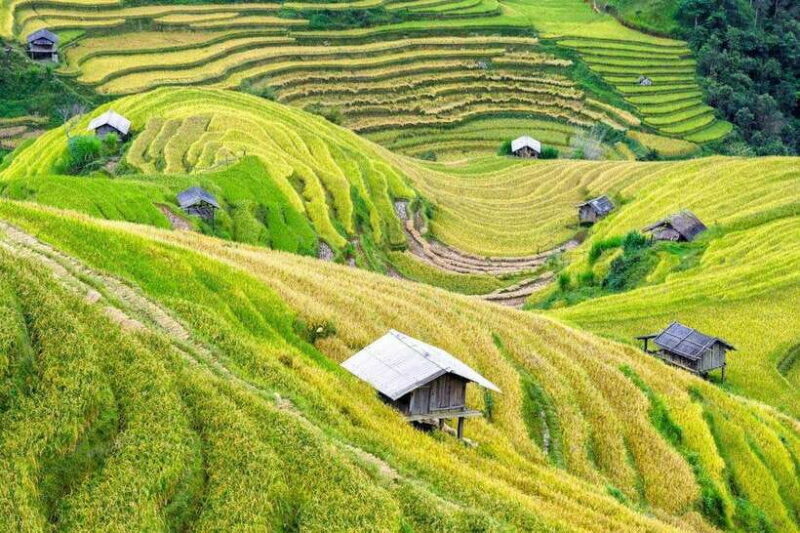
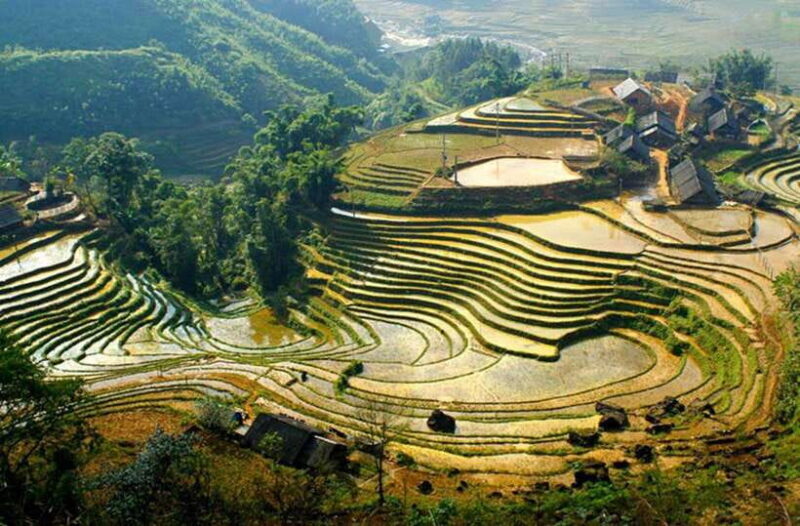
Sapa’s terraces are the headline view, but the reason to choose this trek is that you spend much of the day walking among the places where people live and work. From the town center, the route heads toward Muong Hoa Valley, where stepped rice fields cut across the slopes beneath high mountains.
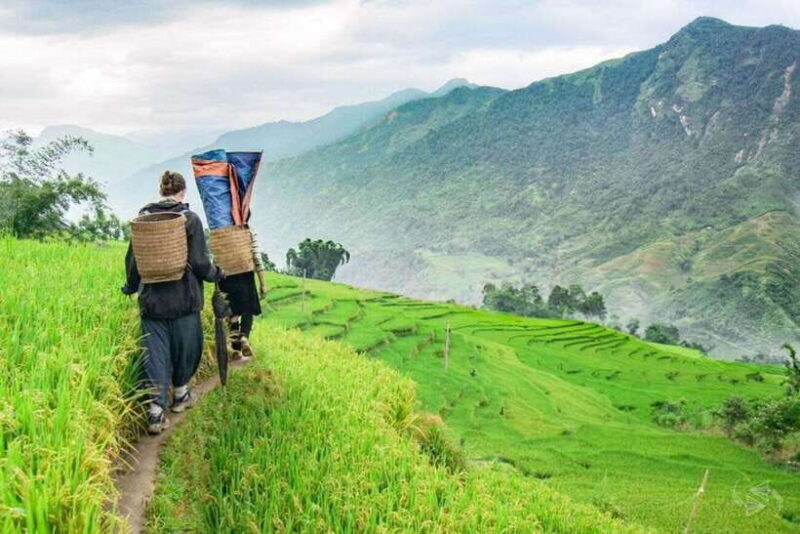
The pace is built around walking, looking and listening, not rushing between photo stops. You pass streams, houses and fields, and your guide can explain what you are seeing and how village life changes through the year. Depending on the season, you may see people planting or harvesting rice.
That local perspective is a real part of the value. Guides such as Chai, Vu, Shou and Chai’s fellow local guides are often singled out for sharing personal stories, explaining customs and answering questions in clear English. The guide’s exact name depends on the day, but you should expect the human side of Sapa to be central to the outing, not a short add-on at the end.
Outdoor enthusiasts can explore more Sa Pa trails with these hiking options
Meet in front of Sapa Church at 9:00 AM. It is a simple central meeting point, but plan your own way there because hotel transfer service is not included. Sharing a WhatsApp number helps the guide contact you if needed.
The first stop is a small hill viewpoint with broad views toward Fansipan Peak. Fog can obscure the mountains, particularly in the morning, so treat the outlook as a bonus rather than a promise. Some days start in mist and clear later; on others, the cloud stays put. The walk and village visits still have value when the peaks disappear.
From the viewpoint, the trail enters Muong Hoa Valley. The first part can be the most demanding, with steeper and more slippery ground than the later village paths. This is not a forest hike. You are walking through open countryside, terraces and settlements, and some sections later in the day may be on paved roads or paths.
That mix matters when you choose footwear. Hiking shoes with good grip are a sensible choice in dry conditions, while muddy stretches may call for boots. Some walkers have rented gumboots near the start. Bring clothes that can get dirty, especially if rain has fallen recently.
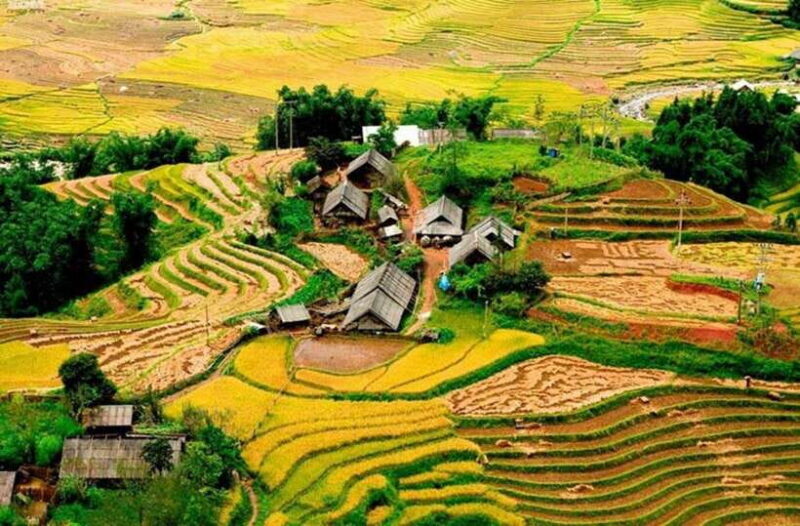
Around 11:00 AM, the route reaches Y Linh Ho, a village associated with the Hmong community. The walk crosses a small bridge over a river, then continues along trails toward Lao Chai Sang, with rice fields and mountain slopes around you.
This is where a guide adds more than directions. A local guide can put daily routines, clothing and traditions into context, and explain how village life relates to the fields and terrain around you. The best conversations often come from asking open questions, while remembering that your guide is sharing personal knowledge, not speaking for every Hmong person.
The route also gives you time to notice the ordinary details: wooden homes, animals around the village and people working in the fields. These are not staged stops, and what you see depends on the day and season. Be respectful when taking photographs, particularly around homes and people at work.
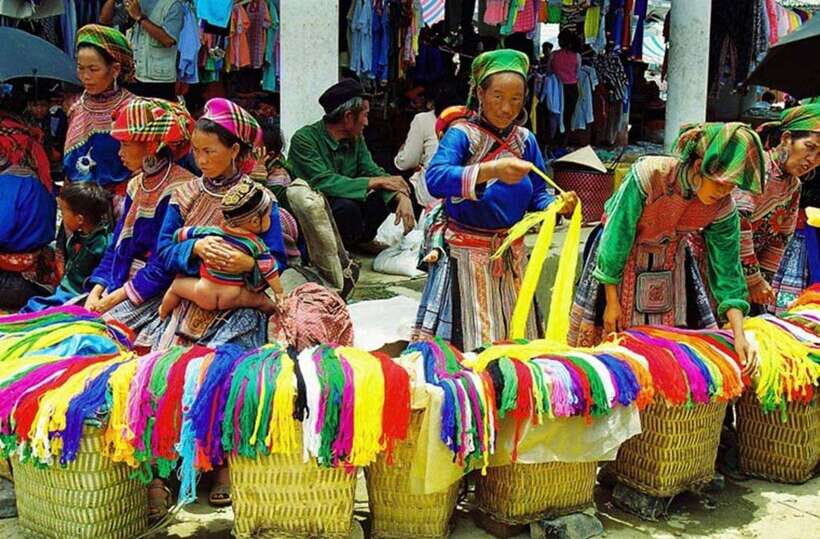
Some local women may walk alongside the group on muddy sections and offer a hand where footing is tricky. They may also sell handmade clothing or bags. You are not required to buy anything, but carrying some cash gives you the option to support their work if you see something you want.
At about 12:30 PM, stop for lunch with a local Hmong family in Lao Chai Sang. The meal is included, and it makes a welcome pause after several hours on foot. You get a taste of local cooking and a chance to sit down in the village rather than simply pass through it.
Food is one of the day’s practical strengths. The meal is often described as a satisfying part of the outing, and vegetarian or vegan options have been available. If you have dietary needs, ask about them when booking or contact the provider ahead of time; drinks are not included, so bring money for anything you want to purchase.
Lunch is also a natural point to rest and take stock. The trek still has more walking ahead, so use the break to drink water, adjust your shoes and check that you are comfortable before setting off again.
More Great Tours Nearby
After lunch, continue toward Lao Chai Village. Depending on the season, you may see villagers planting or harvesting rice. The route then includes a cultural stop focused on Hmong daily life and traditional clothing-making, adding detail to the customs you have been hearing about along the way.
Next comes Ta Van, home to the Dzay people. The shift between villages offers a useful reminder that Sapa is not culturally uniform. You are seeing communities with their own traditions and ways of life, not a single generic version of mountain culture.
The walking becomes easier in places, though footing and route conditions vary. Some sections may be paved, while earlier slopes can remain slick. Guides have helped walkers choose a more manageable path when needed, but this is still a long day on your feet and not a casual stroll.
The return to Sapa is scheduled for around 3:30 PM, although some outings may run later. The tour information does not include hotel transfers, so clarify your return arrangements if you need transport beyond the trek’s stated endpoint.
Think of this as a moderate countryside trek, not a technical mountain climb. The total distance is about 10 to 12 kilometers, and the full activity lasts roughly 390 minutes. You need to be comfortable walking for much of the day and able to manage uneven, occasionally muddy ground.
Rain can make a noticeable difference. Several walkers have found the opening part slippery even when the rest of the route was manageable. If you have weak knees, poor balance or limited walking stamina, this may not be the right outing. The activity is not suitable for people with mobility impairments or wheelchair users, pregnant women, children under five, or people over 75.
The listed exclusions are practical too: drinks and other personal expenses are extra. Pack water, insect repellent and warm clothing, as the mountain weather can feel cool. Good hiking shoes are the safer default; if the trail is muddy, ask about boot rental before the group sets off.
For $27 per person, the price covers an English-speaking local guide, entrance tickets and lunch. That is good value for a full day of guided walking, particularly if you care about understanding the villages as well as seeing the terraces. A small group capped at 10 can also make it easier to hear the guide and ask questions.
It is not an all-inclusive day. You pay separately for drinks, hotel transport and anything else not listed as included. Keep a little cash on hand for personal purchases, including handmade goods if you choose to buy them.
The strongest return on the price is the combination of guide, meal and route. You could see mountain scenery on your own, but without local context, the walk would tell you less about the people and traditions of the valley. Here, the guide’s stories and the village lunch give the scenery a fuller meaning.
Book it if you want an active day outdoors and are curious about Hmong and Dzay life. It suits walkers who can handle 10 to 12 kilometers, enjoy a small-group setting and are comfortable with weather-dependent views and trail conditions. Families with teenagers have enjoyed the outing, but the distance and mud make it a poor choice for very young children.
If your priority is a gentle walk, spotless shoes or guaranteed clear views, look elsewhere. If you are willing to deal with a muddy start and changing weather, this route offers a rewarding mix of countryside, village visits and conversation with a local guide. You can cancel up to 24 hours ahead for a full refund, and the reserve-now, pay-later option keeps plans flexible.
“We had such a beautiful experience trekking through the rice fields in Sapa. Our local guide was incredibly sweet and knowledgeable — she shared …”
Meet your guide in front of Sapa Church in the center of Sapa. Provide a WhatsApp number so the guide can contact you easily.
The trek begins at 9:00 AM. The return to Sapa is expected at around 3:30 PM, though timing can vary.
The activity lasts about 390 minutes, or six and a half hours. The walking distance is approximately 10 to 12 kilometers.
The route passes through Y Linh Ho, Lao Chai and Ta Van, with a stop near Lao Chai Sang for lunch.
The price includes an English-speaking local ethnic guide, entrance tickets and lunch.
No. Drinks, hotel transfer service and other expenses not specifically listed as included cost extra.
Bring warm clothing, hiking shoes and insect repellent. Choose footwear with good grip, and expect muddy clothes if the trails are wet.
The activity is not suitable for children under five, pregnant women, people with mobility impairments, wheelchair users or people over 75.
You can check availability for your dates here: