Physical Address
304 North Cardinal St.
Dorchester Center, MA 02124
Physical Address
304 North Cardinal St.
Dorchester Center, MA 02124

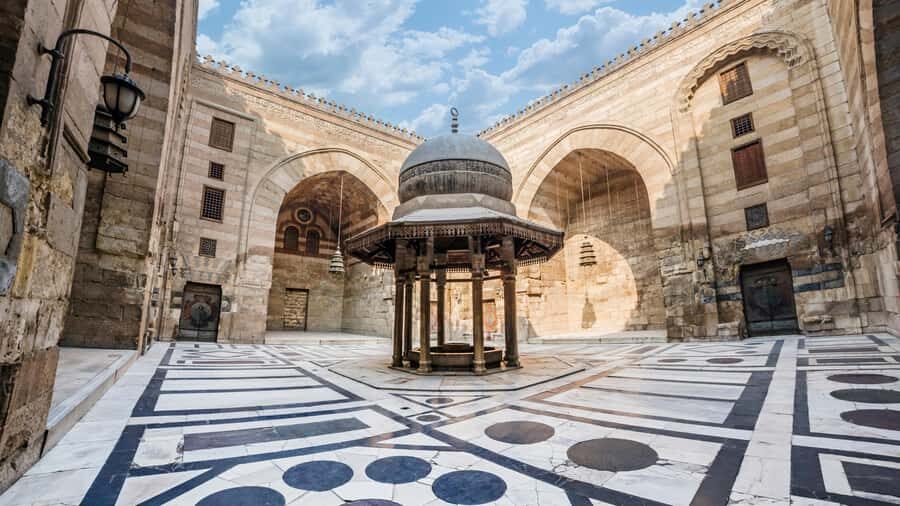
Walk Old Cairo with an Egyptologist, visit historic mosques and Bayt al-Suhaymi, browse Khan el-Khalili, and sample Egyptian street food.
Old Cairo’s best stories are written in stone: on a 3 to 4-hour walk, you pass through Bab al-Futuh, enter centuries-old mosques and homes, and finish among the spice and jewelry stalls of Khan el-Khalili. Guides including Randa and Nahed bring the buildings to life with history, humor and practical help in the market.
I like two things in particular: the route links major monuments with a traditional Ottoman house, and the price of $31 includes entrance fees, a guide, water and local food. One consideration: this is a real walk over uneven streets and stairs, with limited time at each stop, so comfortable shoes and a bit of stamina matter.
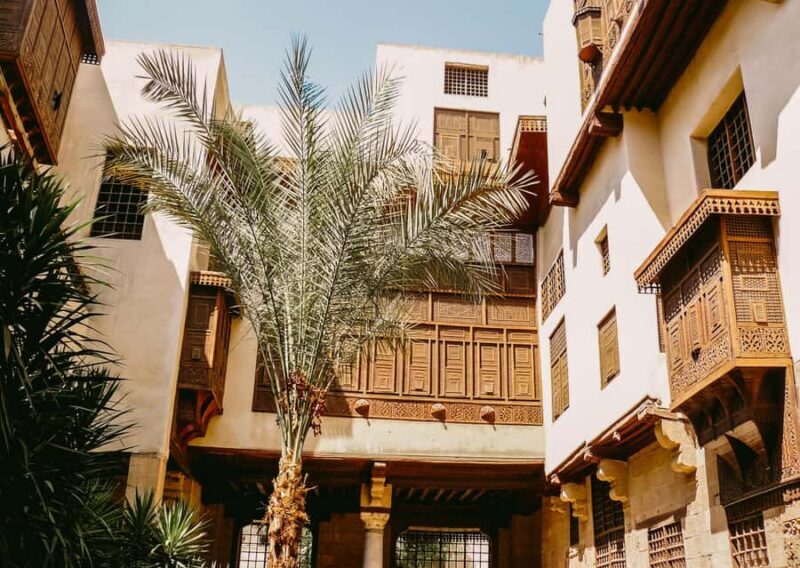
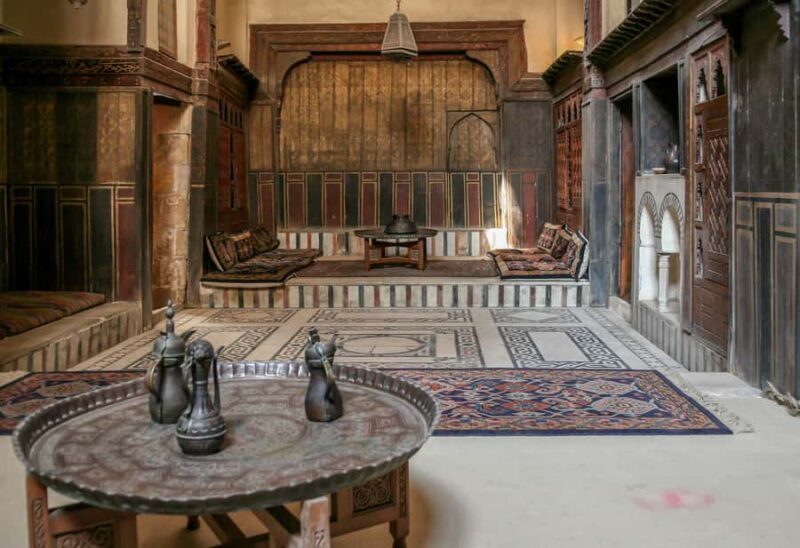
Old Cairo rewards a guide who can connect what you see to how the city has been lived in. A carved doorway, a shaded courtyard or a mosque’s minaret can look impressive on its own. With an Egyptologist explaining its purpose and period, the details begin to form a more useful picture of the city.
This walk takes you through Islamic Cairo’s monuments and streets rather than keeping you inside one attraction. You move between religious buildings, a historic home, shops and food stops. That variety is part of the appeal, but it also means the route is active and the pace can feel brisk.
The tour has a 4.6 rating from 633 reviews, and the recurring strength is the guiding. Names frequently praised include Randa, Nahed, Ruby, Dina and Ehab. The specific guide you get will vary, but the most useful qualities to look for are clear explanations, patience with questions and a willingness to help the group through the market.
If you enjoy exploring Cairo on foot, these walking tours might also suit your style
The meeting point is in front of Bab al-Futuh, one of the main gates in Cairo’s old walls. Arrive on time, especially if you are meeting the guide there rather than using hotel pickup. The gate makes a fitting start: the tour begins with the city’s historic defenses, then heads into the buildings and streets those walls once protected.
The initial visit is about 15 minutes, so treat it as an introduction rather than a long stop. Your guide sets out the area’s history and gives you a sense of what to notice as you walk. If you want to ask detailed questions, this is a good moment to mention them.
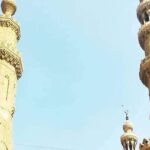
At Al-Hakim Mosque, expect about 25 minutes. It is one of Cairo’s oldest and largest Fatimid mosques, with massive minarets, old stone walls and a courtyard that offers a quieter pause from the streets. This is one of the tour’s strongest stops for understanding how a major religious building shapes the surrounding neighborhood.
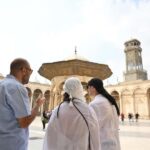
The mosque’s scale is striking, but the short visit calls for attention. Notice the relationship between the courtyard, the walls and the minarets while your guide explains the site’s place in Cairo’s past. Modest clothing is important here: cover shoulders, arms, legs and knees, and bring a scarf if you are a woman entering religious sites.
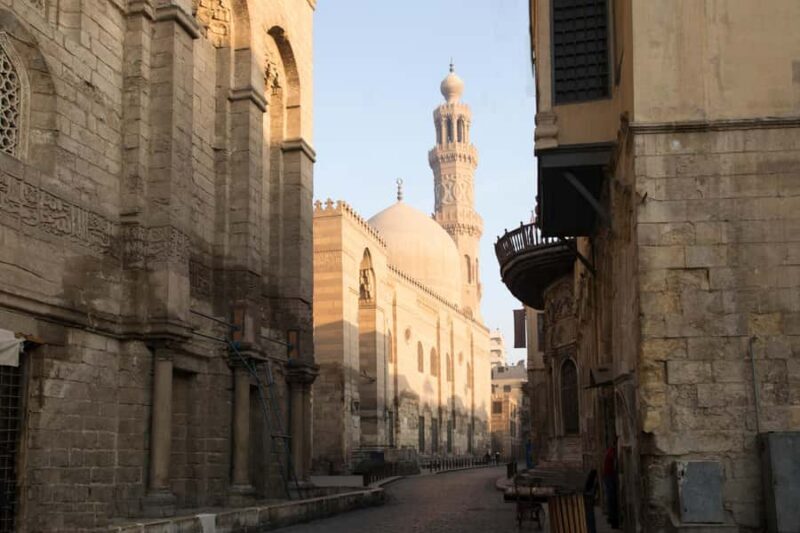
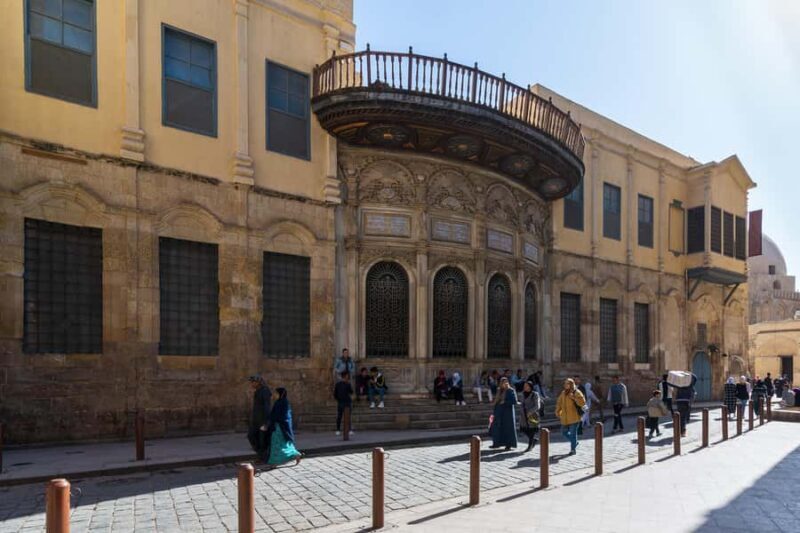
Bayt al-Suhaymi gives the walk a change of pace. This 17th-century Ottoman residence is a fine example of traditional Islamic architecture, and a 25-minute visit lets you look beyond grand public monuments to the way a historic home was arranged.
You’ll see rooms and a courtyard, with your guide explaining how the house reflects domestic life in an earlier Cairo. That context helps balance the mosques and monumental complexes: the city’s history is not only about rulers and religious institutions, but also about homes and daily routines.
The house is a welcome stop, though the overall tour covers a lot of ground in a few hours. If you enjoy architecture, look closely at the layout and details rather than trying to rush through every room. Keep in mind that the schedule may shift if a site is closed.
A short walk along El Moez Street brings the tour back into the flow of the city. This historic route is lined with Islamic architecture, local vendors and cafes, so you see monuments in a setting that still functions as part of everyday Cairo.
The listed stop is about 15 minutes, but the street connects several of the tour’s architectural highlights. Your guide can point out details that are easy to miss when you are watching traffic, negotiating a busy lane or simply trying to keep up with the group.
This is also where a guide’s local knowledge can make the day easier. The streets are not always smooth or spacious, and some parts of the route include stairs. Keep your phone and valuables secure, stay close to the group, and wear shoes that can handle uneven paving.
More Great Tours Nearby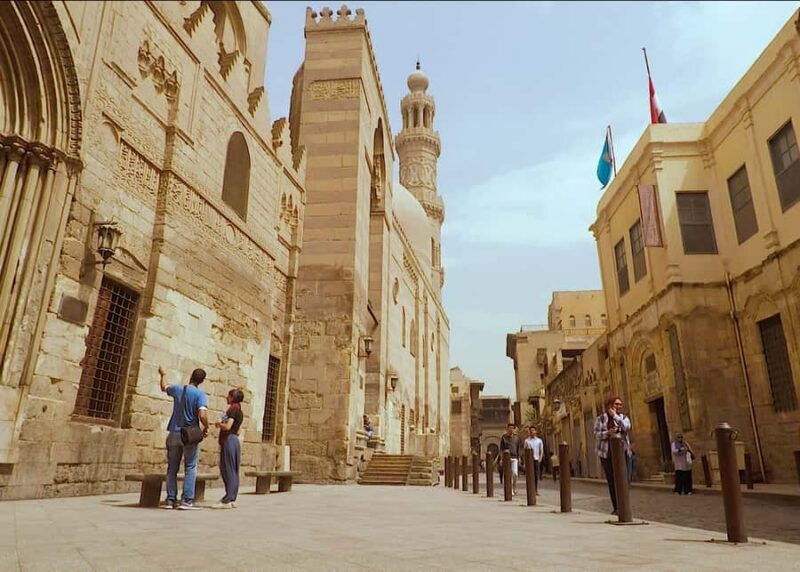
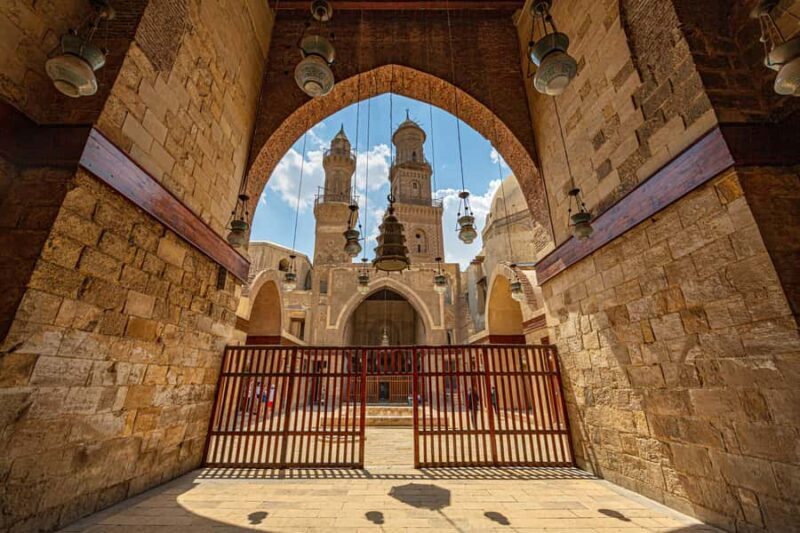
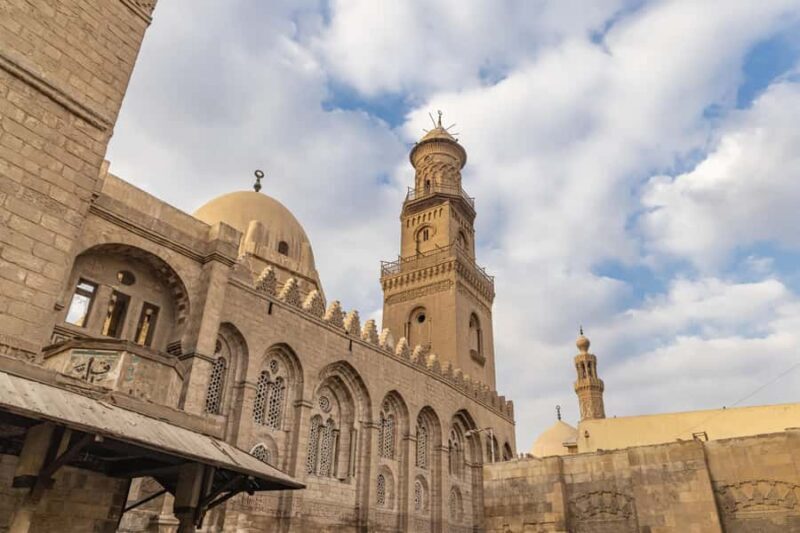
The itinerary includes the Mosque and Khanqah of Al-Nasir Faraj Ibn Barquq, and the tour’s broader description also features Sultan Barquq Mosque. These sites reflect the scale and intricate design associated with Mamluk Cairo. The Barquq complex is described as serving as a mosque, madrasa and Sufi lodge, a reminder that one building could support worship, study and religious life.
Allow about 20 minutes at the Ibn Barquq site. Your guide can help make sense of the architectural details and the different functions of these institutions. The buildings are more rewarding when you pause to notice their decoration rather than viewing them as a quick sequence of stops.
The nearby Qalawun Complex takes about 25 minutes. It contains a mosque, a madrasa and a mausoleum, and is presented as a major expression of medieval Cairo’s architectural and cultural achievement. Seeing the complex after the Barquq sites gives you a useful comparison between related forms and uses.
There is a lot to absorb here, particularly if you enjoy religious architecture. But a half-day schedule cannot offer a long, quiet visit at every monument. If one site especially interests you, ask your guide to focus on the details you care about while there.
If you prefer having a local expert, these guided Cairo experiences could work well

Al-Hussein Mosque provides a more reflective stop in the heart of Islamic Cairo. The visit is scheduled for about 20 minutes, and the mosque’s religious importance makes it a fitting counterpoint to the architectural focus of earlier stops. Follow your guide’s advice on dress and conduct, and remember that this is an active place of worship.
Khan el-Khalili brings a lively change of scene. Its stalls sell spices, jewelry, textiles and souvenirs, and the tour allows time to browse and bargain. The schedule gives the market about 15 minutes, so think of this as a first look rather than an unhurried shopping session.
A guide is especially useful in this crowded part of the route. Some guides help you avoid unwanted sales pressure, point out shops with fair prices and keep the group together. That support can make the market easier to enjoy, though you should still expect to make your own choices and negotiate if you decide to buy.
The published route may place the market before some of the later monuments, while the overall description presents it as the close of the experience. The sequence can change, so don’t build a strict plan around the exact order of stops. The tour also notes that attractions may change if a listed site is closed.
Food is more than a token extra here. The price includes bottled water, a local snack such as zalabya or halabessa, or something similar, plus street food such as koshary or Egyptian pie. The exact choice may vary, so check with the guide if you have dietary needs or would like to know what is being served.
Koshary is a hearty Egyptian dish, while Egyptian pie offers a different kind of local bite. Some visitors describe the pie as a pleasant surprise, and the food is often a memorable part of the walk. A drink or small sweet may also be included, depending on the experience that day.
The meal makes practical sense after several hours on foot, and it adds a taste of everyday food rather than another formal sightseeing stop. If you are vegetarian, the food may still work for you; vegetarian options have been available, but confirm your choice with the guide rather than assuming a particular dish.
At $31 per person, the tour offers strong value if you want an organized introduction to Islamic Cairo. Entrance fees to the listed attractions, a professional Egyptologist guide, bottled water, snacks, street food and service tax are included. That makes the price easier to assess than a low headline rate that adds site fees along the way.
Tipping is not mandatory, and other personal expenses are not included. Bring cash if you plan to shop, buy an extra drink or cover anything outside the package. Bargaining is part of the market visit, but you do not need to buy anything to take part.
Hotel pickup and drop-off are optional for Cairo and Giza. If you book that option, the provider contacts you the day before by WhatsApp, email or phone to confirm the pickup time. This can save you the task of finding the meeting point, though traffic can affect timing. If you have a flight or another appointment later, allow a generous buffer rather than assuming the tour will end exactly on schedule.
Wear comfortable shoes. The walk covers a historic district with rough streets and stairs, and one account notes that the terrain can be demanding. The tour is not suitable for wheelchair users, and baby strollers, luggage and large bags are not allowed.
Dress modestly for the religious sites, covering shoulders, arms, legs and knees. Women should carry a scarf to use when needed. Sunscreen and a hat are sensible, and bottled water is included, though carrying extra water is a good idea if you need it.
The tour runs for three to four hours, with available starting times shown when you check availability. It operates in English, French, Spanish, Arabic and German. Free cancellation is available up to 24 hours in advance, and you can reserve now and pay later.
I’d choose this tour if you want more than a quick look at Old Cairo’s landmarks. It suits first-time visitors, solo visitors and anyone who likes architecture, local food and history explained on the move. The guide can help you understand the sites and handle the market’s busier lanes, while the included fees and food keep the day’s costs clear.
It is less suitable if you need step-free access, dislike walking on uneven streets, or want long stretches of independent time inside each monument. The pace covers many sites, and the market stop is brief. If you are comfortable with a full half-day walk and modest clothing, this is a practical way to see several sides of Islamic Cairo in one outing.
“Mrs. Nahed was very funny and provided us a enjoy tour around old Cairo. That was very funny and we could find many mosques with all the history ex…”
The meeting point is in front of Bab al-Futuh. Hotel pickup is available if you book that option.
The tour lasts about three to four hours.
The price includes entrance fees to the attractions, an Egyptologist guide, bottled water, local snacks, street food and service tax. Tipping and other personal expenses are not included.
Yes. Optional pickup and drop-off are available from hotels or selected locations within Cairo or Giza city limits.
The tour is offered in English, French, Spanish, Arabic and German.
The included street food may be koshary or Egyptian pie, with a snack such as zalabya or halabessa, or something similar.
Wear loose clothing that covers your shoulders, arms, legs and knees. Women should carry a scarf for religious sites.
No. The tour is not suitable for wheelchair users.
No. Baby strollers, luggage and large bags are not allowed.
Yes. You can cancel up to 24 hours in advance for a full refund.
You can check availability for your dates here: