Physical Address
304 North Cardinal St.
Dorchester Center, MA 02124
Physical Address
304 North Cardinal St.
Dorchester Center, MA 02124

See Kyoto’s bamboo grove, temples, castle and torii gates in one 11-hour bus tour, with a bilingual guide and optional admission tickets.
Kyoto’s great sights sit far apart, and this 11-hour bus tour links five of them in one ambitious day: Arashiyama, Kinkaku-ji, Nijo Castle, Kiyomizu-dera and Fushimi Inari. I like that it starts with the bamboo grove, when the paths are meant to be quieter, and leaves time at each stop to wander rather than simply take a photo and climb back aboard.
I also like the balance between guided context and free time. Guides such as Cesar, Angeles and Paula are often praised for clear explanations and for switching between English and Spanish, while the bus handles the long hops across town. The main trade-off is the pace: five major sights, walking at several stops and a full day on the road are a lot to take on, especially in summer heat or if you have mobility limits.

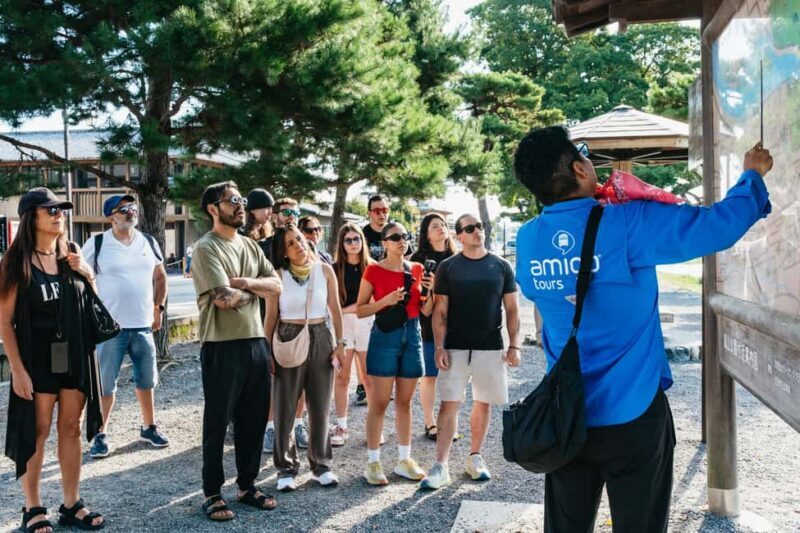
The tour meets outside Hotel Keihan Kyoto Grande, near Kyoto Station. Arrive at least 10 minutes before departure and look for the guide holding an Amigo Tours sign. The starting time varies, so check the available departure when you book.
Kyoto’s headline attractions are spread across different parts of the city. Getting between them by public transport can mean working out bus or rail connections, walking to stops and allowing extra time for transfers. A coach takes care of the main journeys, with travel legs listed at roughly 30 to 40 minutes. That makes this a practical choice if you have just one day, or if you would rather spend your energy exploring than navigating.
The bus is also a useful place to rest between stops. The day is not a nonstop guided walk, but it is not a lazy sightseeing ride either. You will get on and off repeatedly, walk around large temple and castle grounds, and keep track of meeting times.
The tour is listed at $54 per person. At that price, the central value is the transport, the guide and the chance to cover several distant sights in one day. But check which ticket option you are selecting before you pay: the admissions to Kinkaku-ji, Nijo Castle and Kiyomizu-dera are included only when you choose the option with tickets. Food and drinks are not included, so allow for lunch and snacks as well.
If you prefer having a local expert, these guided Kyoto experiences could work well
The first stop is Arashiyama, reached after a bus ride of about 40 minutes. You get 70 minutes of free time, and the early timing is designed to give you a calmer look at the bamboo grove before the crowds build.
The appeal is simple and immediate: tall bamboo rises on either side of the path, and the leafy canopy gives this visit a different feel from the temples and formal gardens later in the day. Take a few photos, but leave yourself time to walk and listen to the rustle of the bamboo. The grove is a well-known spot, so early access can help, but it cannot promise solitude.
Seventy minutes is enough for a pleasant visit, not an open-ended wander through the wider Arashiyama area. If you have a particular shop, garden or side route in mind, this schedule may not leave room for it. For a first visit, though, the short stop gives you a memorable start without using half the day.
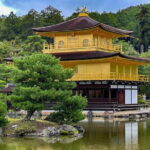
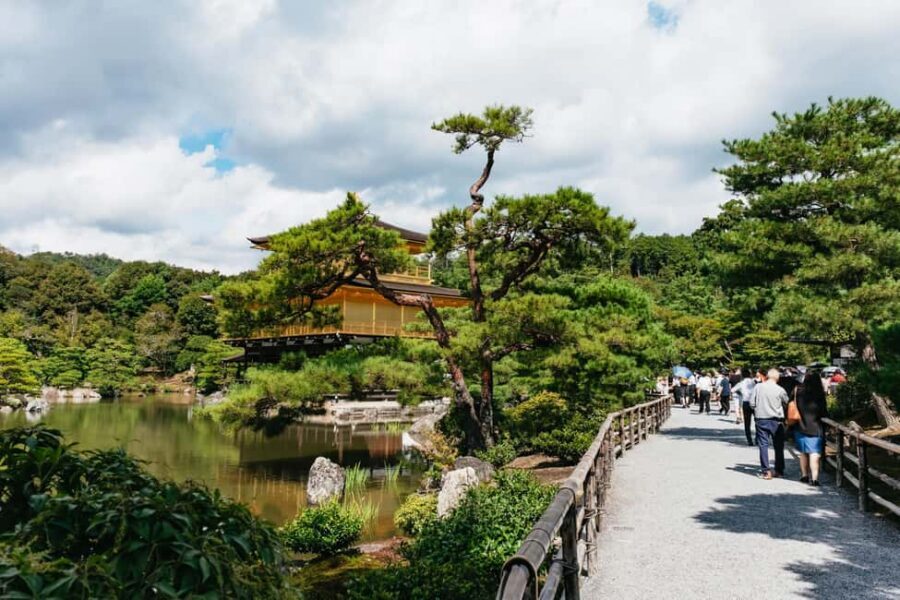
A 30-minute drive brings you to Kinkaku-ji, the Golden Pavilion. You have 45 minutes there, and the admission is included only if you selected the ticket option in advance.
The pavilion’s gold-covered upper levels reflect against the pond and garden, making this one of Kyoto’s most instantly recognizable sights. The setting is composed for viewing, and the walk through the grounds gives you time to appreciate the building against its surroundings rather than treating it as a quick roadside photo.
This is a shorter stop than the castle or Kiyomizu-dera, so keep an eye on the clock. The tour offers a planned visit, not a long stretch to explore the area beyond the temple grounds. If the Golden Pavilion is a priority, confirm that your booking includes its admission.
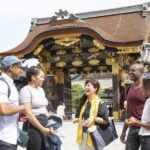
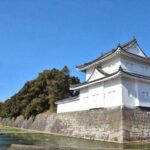
After another bus ride of about 30 minutes, the group reaches Nijo Castle for a 1.5-hour stop. The castle was once a residence of the shogun, and its grounds and traditional rooms offer a change of pace from temple visits.
Inside, look for the so-called nightingale floors, designed to make a sound when walked on. The detail gives the building a practical side: this is not only a grand residence, but a place shaped by concerns about security. The tatami rooms and garden paths help put the site’s political history into a physical setting.
Admission is part of the ticket option, not automatically included in the base price. There is also an important contingency: circumstances beyond the operator’s control can make Nijo Castle inaccessible. If that happens, the tour may visit Sanjusangen-do Temple instead. The itinerary can also change because of traffic, weather, road closures or other conditions on the day.
More Great Tours Nearby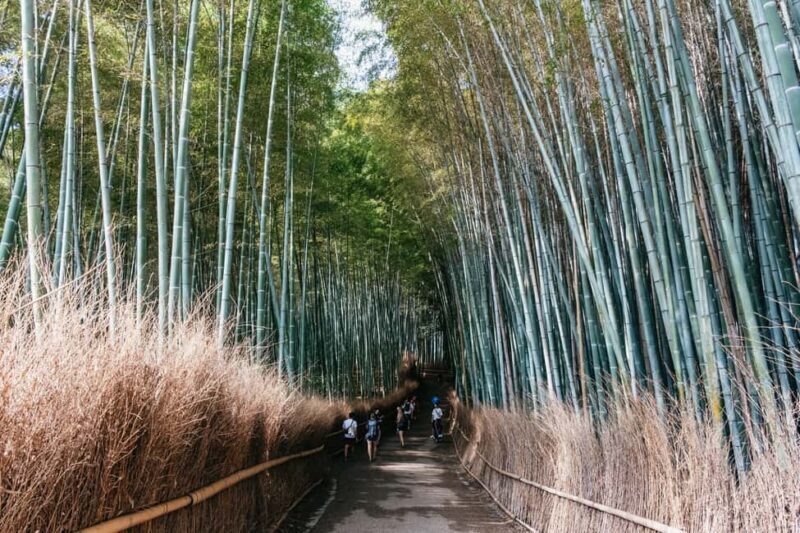
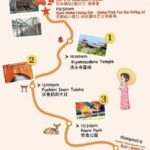
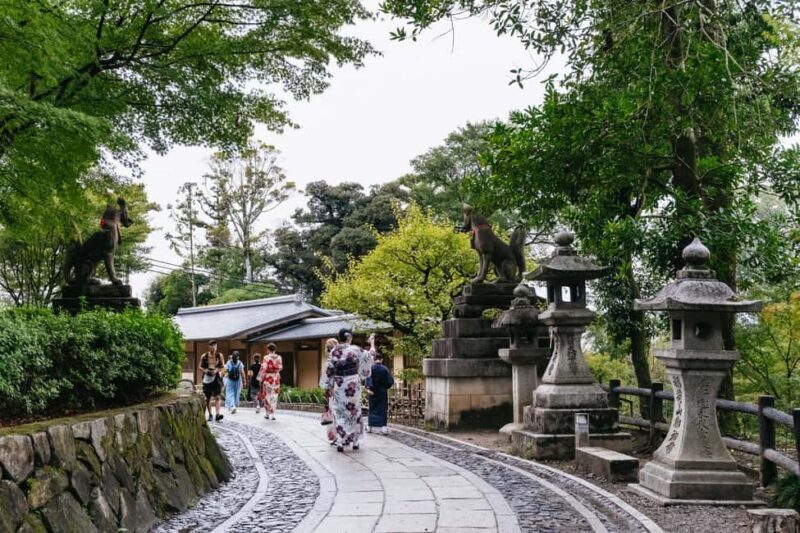
A further 30-minute drive takes you to Kiyomizu-dera, where the schedule gives you 2.5 hours for the temple, lunch and free time. This is the most generous stop of the day, and it gives you space to see the temple and explore the nearby streets at a less hurried pace.
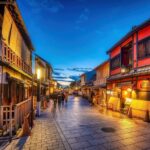
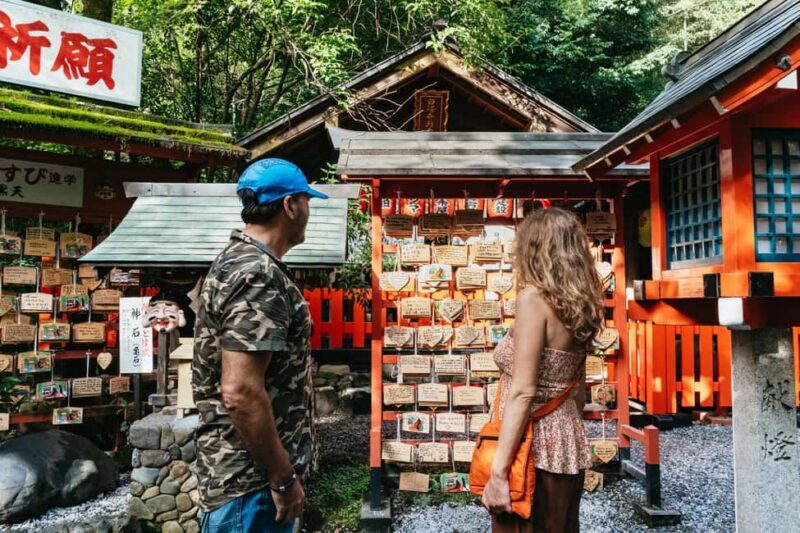
Kiyomizu-dera is known for its wooden stage overlooking the valley, a dramatic viewpoint over Kyoto. The surrounding area adds a more everyday pleasure to the visit: traditional sweets and craft shops line the streets, making this a natural place to pause for a snack or browse between temple grounds and meeting time.
Admission is included only with the ticket option. Food and drinks are not included, so you will need to buy lunch yourself. With 2.5 hours, there is more room here to find a meal than at the shorter stops, but you will still need to return on time. If you want to sit down for a long lunch, check how much time remains for the temple and shops first.
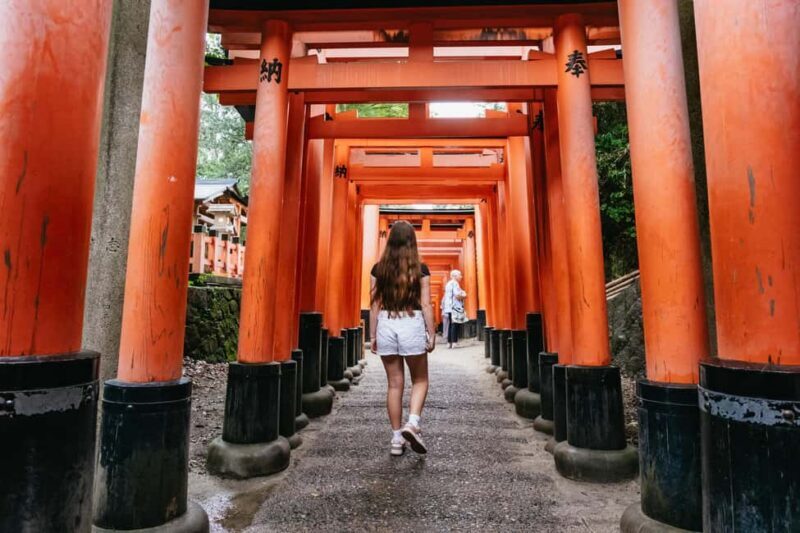
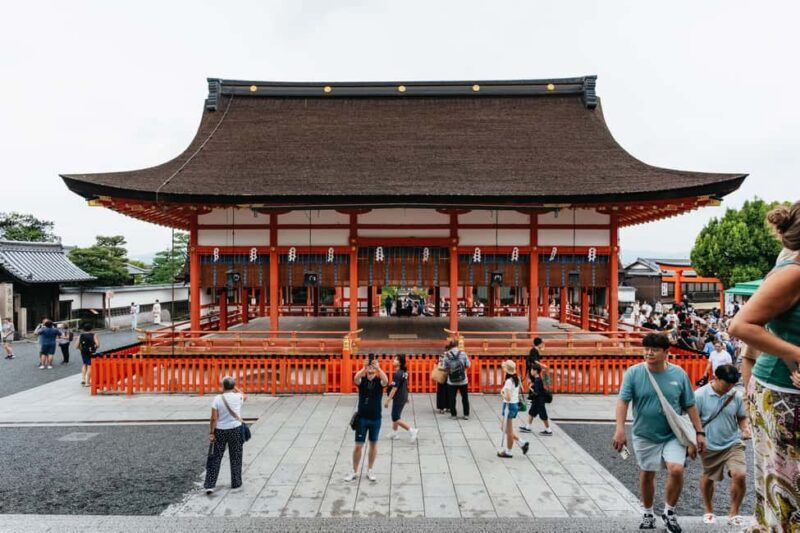
The last major stop is Fushimi Inari Taisha, reached after a bus ride of about 30 minutes. You have 1.5 hours of free time to explore the shrine and its paths lined with red torii gates.
The rows of gates climb the mountainside, creating one of Kyoto’s most striking walking routes. Each gate contributes to the sense of moving through a long, repeating corridor, and the setting feels different from the open gardens and temple buildings earlier in the day. You can set your own pace and decide how far to walk within the time available.
One and a half hours is enough to experience the shrine grounds and walk part of the route, but you should not assume it allows for a leisurely climb all the way up and back. The day is already long, and the trail involves walking. Wear comfortable shoes, carry water and be ready to turn back when needed.
At the end, the tour offers drop-off at either Fushimi Inari Taisha or Kyoto Station. If you plan to continue exploring the shrine, the first option may suit you; if you are ready to return to the station, choose the second.
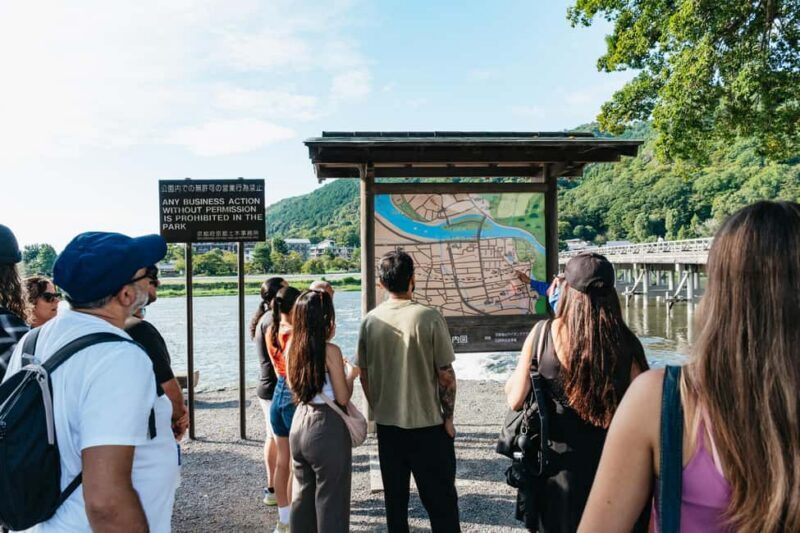
The guide’s role matters on a tour that moves quickly between places with very different stories. The guiding languages are English and Spanish, and the guide provides historical and cultural explanations at the sites. The most frequently praised guides include Cesar, Angeles and Paula, with other guides also leading departures. The individual guide depends on the date.
The strongest value of the commentary is that it connects the stops. Nijo Castle makes more sense as a former seat of shogunal power; the temples and shrine are not just scenic backdrops but places with distinct religious and cultural roles. At the same time, the tour preserves free time at every stop, so you can look around without spending the entire visit following a guide.
Some departures serve English- and Spanish-speaking groups together. If both languages are used, explanations may take longer than they would in a single-language group. Guides are praised for making the switches clearly, but when a site is crowded it can be harder to hear. Stay close during explanations, especially if you want to catch the details.
The driver also shapes the experience. Several accounts describe smooth journeys and a comfortable, clean bus, including useful air conditioning during hot weather. Those details are not a substitute for bringing water and sun protection, but they matter on a day with repeated road trips and outdoor stops.
The obvious drawback is the length. Eleven hours is a full day, and the schedule includes five major sites plus the journeys between them. The bus breaks up the walking, but you will still spend time on your feet and need to keep to agreed meeting times.
Crowds are another reality. The early Arashiyama stop aims to give you a quieter start, but Kinkaku-ji, Kiyomizu-dera and Fushimi Inari are popular places. The bus can simplify getting around; it cannot make busy sights empty. Summer heat can add to the effort, so bring a hat, sunscreen and water, and wear comfortable shoes.
This tour is not suitable for wheelchair users or people with mobility impairments. If that describes you, the schedule and walking at the sites may make the day difficult. It is also not ideal if you prefer deep, unhurried visits to one or two places. The strength here is breadth, not long stretches of solitude.
With a rating of 4.7 from 700 reviews, the tour has a strong record, and its most praised features are the guides, organization and ability to cover the main sights in a single day. That aligns with the format: transport between distant areas, clear meeting points and a guide who can explain what you are seeing.
The $54 starting price can be good value if you want a structured overview and choose the ticket option that fits your plans. Work out the full cost before booking by checking whether admission to all three paid stops is included in your selected option. Add your own lunch and drinks to the calculation.
I would choose this tour if Kyoto is a short stop on a wider Japan trip, or if you want help with the city’s geography and history on your first day. If you have several days in Kyoto, or prefer to explore at your own pace, you may get more from visiting fewer sites independently. For a one-day introduction, this route offers a lot, provided you are ready for a long day and a brisk rhythm.
“Got to see main sites in organized manner. Guide Caesar was exceptional. He could go from English to Spanish to Japanese seamlessly.”
Meet outside Hotel Keihan Kyoto Grande. The guide waits with an Amigo Tours sign, and you should arrive at least 10 minutes before departure for check-in.
The tour lasts about 11 hours. Check the available starting times when booking.
The live guide speaks English and Spanish. The group may include people using both languages.
Admission to Kinkaku-ji, Nijo Castle and Kiyomizu-dera is included only if you select the option with tickets. Check your chosen option before booking.
No. Food and drinks are not included. The Kiyomizu-dera stop includes time for lunch and free time.
If circumstances outside the operator’s control prevent a visit to Nijo Castle, the tour may visit Sanjusangen-do Temple instead.
The listed drop-off choices are Fushimi Inari Taisha and Kyoto Station.
Bring comfortable shoes, a hat, a camera, sunscreen and water. The tour involves walking and time outdoors.
You can check availability for your dates here: