Physical Address
304 North Cardinal St.
Dorchester Center, MA 02124
Physical Address
304 North Cardinal St.
Dorchester Center, MA 02124

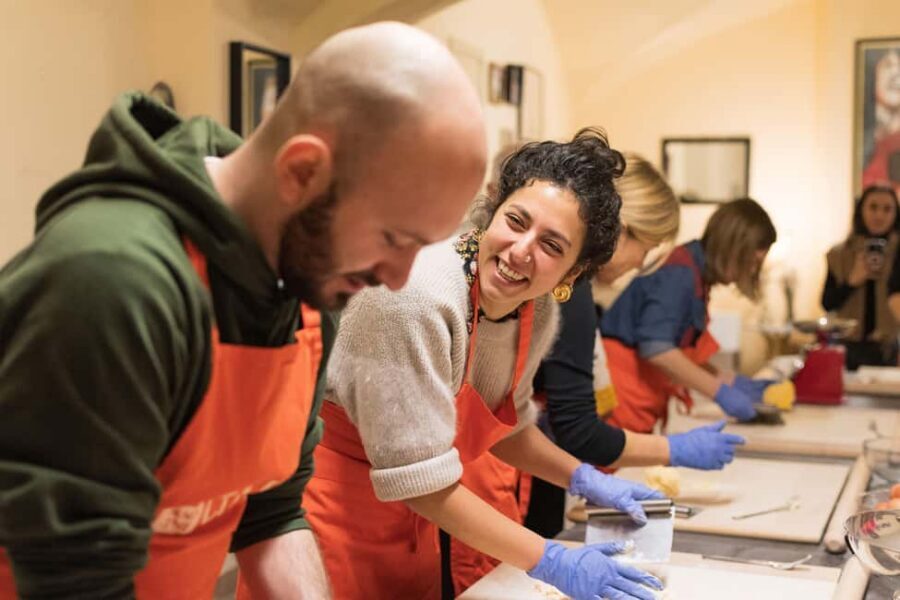
Make tagliatelle by hand in Bologna, mix a local spritz, and sit down to ragù, regional wines, coffee and gelato.
Bologna’s food culture makes most sense when you get flour on your hands. In this three-hour class, you roll and cut tagliatelle by hand, mix a local Casoni spritz, then eat your pasta with house-made ragù and regional wine.
I like two things in particular: the pasta is made from scratch with a rolling pin, and the meal includes more than the dish you cook. You start with piadina, mortadella and Pignoletto, and finish with moka coffee, amaro and gelato with balsamic.
One important limit: you make the pasta, not the ragù. The sauce is prepared ahead of time, and the class is not suitable for vegans, vegetarians or people with gluten intolerance.
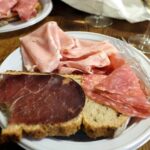
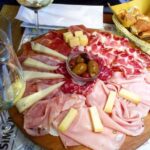
The class opens with a welcome aperitif of piadina, mortadella and Pignoletto, a sparkling white wine from the region. This is more than a snack before the cooking begins. It gives you an easy first taste of Emilia-Romagna and a relaxed chance to meet the people sharing the kitchen.
Piadina is a simple flatbread, while mortadella is one of Bologna’s best-known foods. Together, they make a fitting introduction to a city where eating is part of the daily rhythm. The Pignoletto adds a local toast before the lesson gets hands-on.
The atmosphere is social, not formal. Instructors are known for keeping the class friendly and making the steps clear, with names including Stella, Steffi, Valentina, Roberta and Beatrice among the teaching team. Your instructor depends on the date, but the class is in English.
You can check availability for your dates here: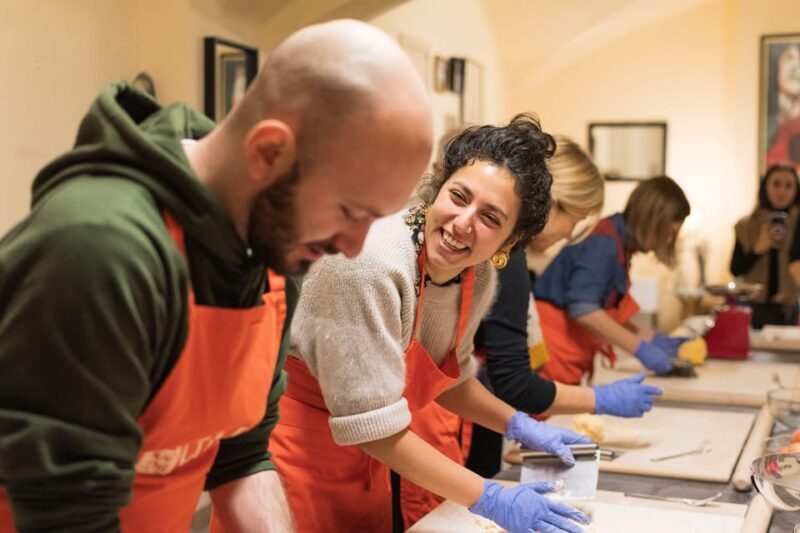
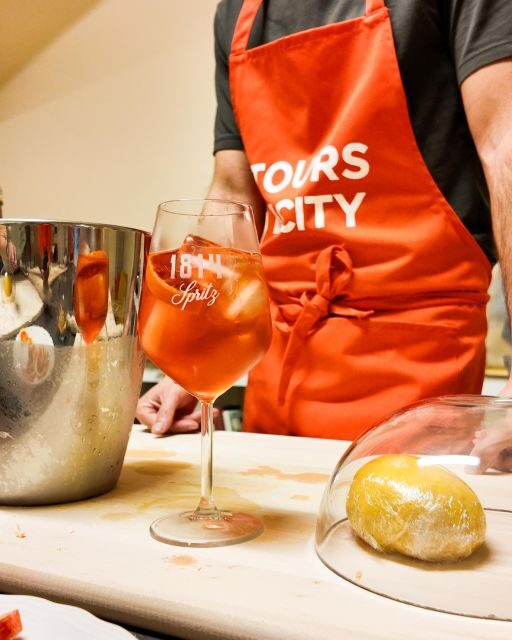
Before the pasta work, you learn to prepare a Casoni spritz, using a local spirit made with herbs and an old regional recipe. It offers a change from the familiar international aperitif brands and gives you something new to try when you are back home.
You can sip your spritz during the class, so this is not a quick demonstration followed by a return to the workbench. It is part of the shared pace of the evening: mix, taste, chat, then get back to the dough. Wine, cocktails or spritz, water and soft drinks are included.
If you do not drink alcohol, the included water and soft drinks are useful alternatives. The class is built around an aperitif and wine, though, so it may feel less suited to you if you prefer an entirely alcohol-free food activity.
Want to bring Bologna flavors home? These cooking classes could be just right
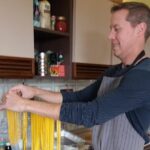
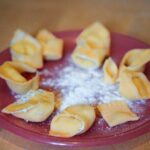
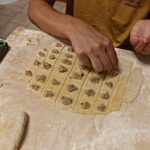
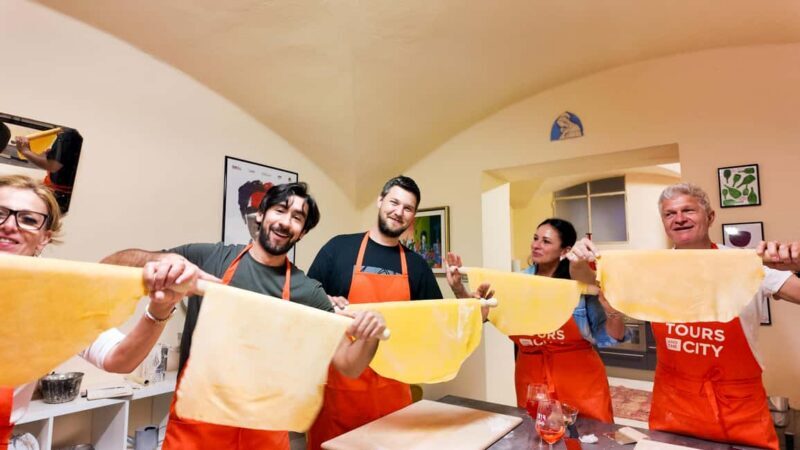
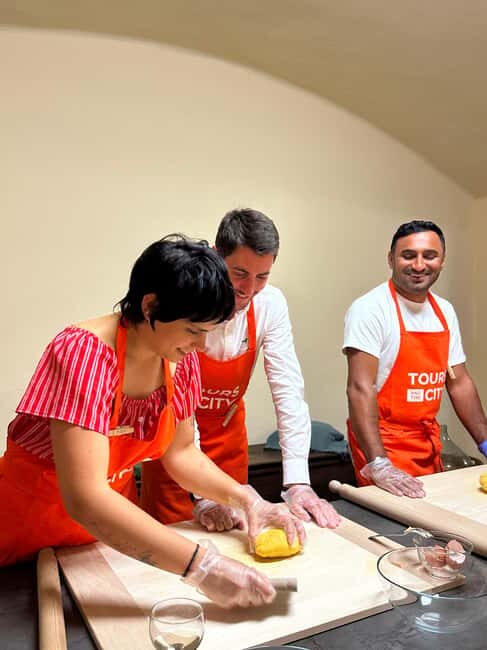
The main lesson is making tagliatelle from scratch. You work with fresh eggs and flour, kneading the dough by hand, then roll it out with a pin and cut the pasta into strips. There are no machines doing the work for you.
That old-fashioned method is part of the appeal. You get a feel for the dough and learn the basic steps in a form you can repeat at home without special equipment. The instructors guide the group through the process, explain what to do and help troubleshoot as needed. First-time pasta makers are welcome.
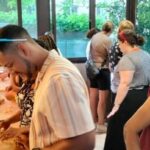
Do not expect a quiet demonstration where you watch a chef do everything. You will be at the table working, and the shared task gives the group a natural way to get talking. The dough needs time to rest before it is cut, so the class includes pauses between steps. That breathing room helps keep the pace manageable, even if you are new to pasta making.
You can take leftover pasta with you, a useful bonus if you would like to cook it later. Recipes are also available as a PDF by email on request, so ask the team if you want a written guide for your kitchen at home.
The tagliatelle is served with house-made ragù, following a family tradition and prepared weekly with care. But the sauce is made in advance. The class focuses on the fresh pasta, so book this for the chance to learn a foundational technique, not for a full lesson in making ragù.
That distinction matters if you are comparing cooking classes. You will make the pasta and then see it cooked and served with a sauce that reflects the local dish. You will not chop, simmer or season the ragù yourself. For many people, that is a sensible trade-off in a three-hour class: you get a substantial hands-on lesson and still sit down to a classic meal.
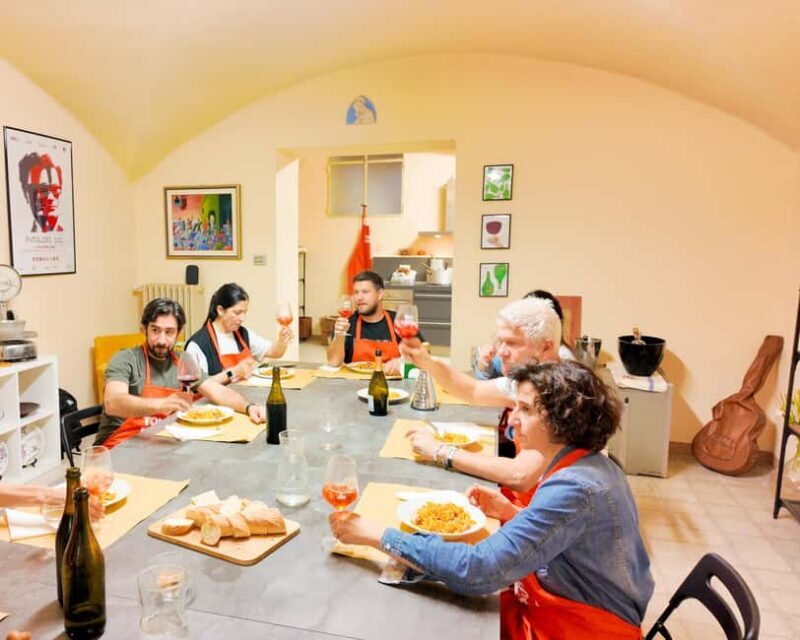
Your finished tagliatelle is topped with 24-month-aged Parmigiano Reggiano and paired with local Sangiovese red wine. The meal is the payoff for the work at the table, and it also lets you taste how fresh pasta, ragù and aged cheese come together in the Bolognese style.
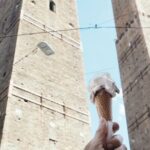
The closing course is not an afterthought. You get moka coffee, a digestif of amaro, and gelato served with balsamic vinegar. That sweet and tangy pairing is a distinctive finish, and a good reason to leave room after the pasta.
The activity is described with Montenegro among the digestif options, and the dessert as gelato with balsamic. The exact gelato flavor is not specified, so you should not count on a particular one. What is clear is that the meal ends with local coffee, a bitter liqueur and a dessert with a regional twist.
This generous finish helps explain why the class is more than a short pasta lesson. You are getting an aperitif, several tastes of local food and wine, a practical cooking session, a sit-down meal and a final coffee and dessert, all within three hours.
More Great Tours Nearby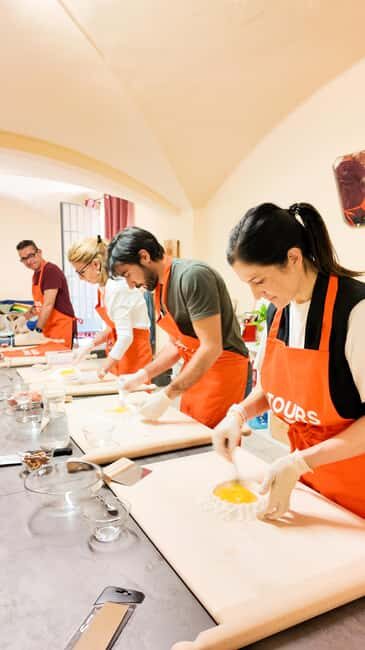
At $79 per person, the value rests on the full meal and the number of inclusions, not just the pasta lesson. The price covers instruction, ingredients, the spritz workshop, welcome snacks, Pignoletto, Sangiovese, tagliatelle with ragù, water and soft drinks, coffee, amaro, gelato and the option to take leftover pasta.
You also get a practical skill. A rolling pin, eggs and flour are easier to find at home than specialist pasta equipment, so the method is useful beyond the class itself. The recipes by email can help you remember the process, though you need to request them.
The ingredients are mostly sourced from nearby small producers. The flour and free-range eggs come from Bologna province, the Parmigiano Reggiano from a local dairy, the coffee from a Modena roastery, and the spirits from Emilia-Romagna. That local supply chain gives the meal a stronger sense of place than a class built around generic ingredients.
The main value caveat is clear: ragù preparation is not included. If you want to learn a full sauce recipe alongside pasta, this is not that class. If your priority is making fresh pasta and enjoying a broad tasting meal in good company, the bundle is compelling.
Wine enthusiasts might appreciate these other Bologna tasting experiences
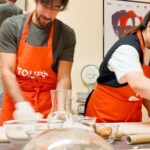
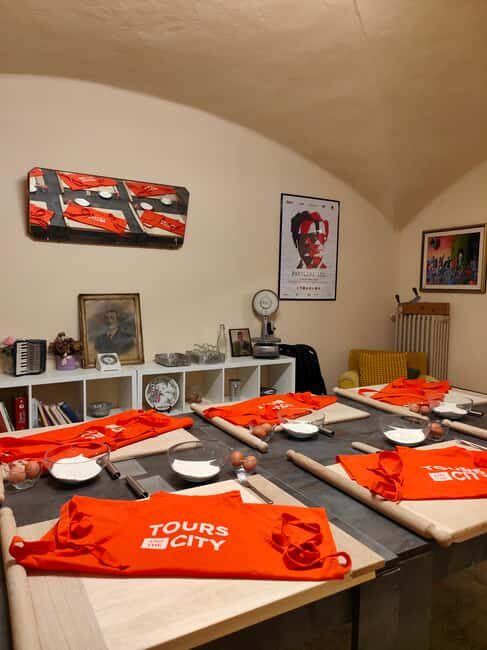
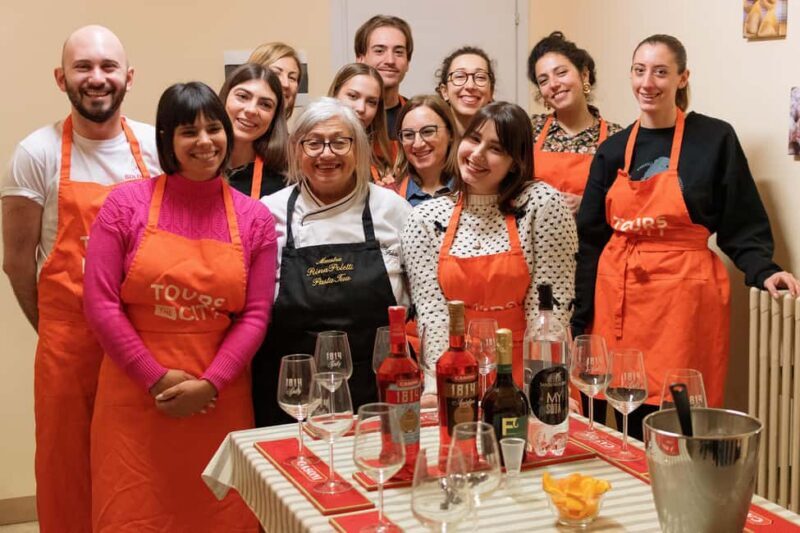
The class takes place in a traditional kitchen in central Bologna. Meet the instructors outside the building at your booked time; they wear orange aprons so you can spot them. Since the group starts together, arrive on time rather than expecting to find your way inside later.
Wear comfortable clothes and shoes. Flour is part of the activity, and you will be standing and working at the table. The venue has a large flight of stairs, so the experience is not recommended for people who need a wheelchair or crutches or have similar mobility needs.
Tell the organizers about dietary requirements before booking. They may not be able to host people with severe food allergies. The menu includes wheat pasta, meat and dairy, so it does not suit vegans, vegetarians or people with gluten intolerance.
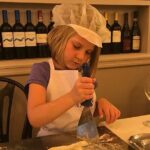
The format also suits solo visitors. Making pasta together gives you an easy way to join the conversation, and the cooking naturally brings the group around the same table. Families can take part too, though children will need to be comfortable following the cooking steps and spending time in a group setting.
I would choose this class if you want a hands-on introduction to fresh pasta, a hearty meal and a chance to meet people over food and drink. It works particularly well if you have limited time in Bologna and would like one activity that combines cooking, local ingredients and a full taste of the region.
It is a good fit for couples, friends, families with children who can join the activity, and solo visitors who enjoy a social setting. You do not need prior pasta-making experience. The instructors explain each step, and the process is designed to be accessible to beginners.
Choose another class if learning to make ragù is essential, or if your diet excludes meat, gluten or animal products. Also consider the stairs before booking if mobility is a concern. The activity allows free cancellation up to 24 hours ahead, and you can reserve now and pay later.
Book this if you want to learn one useful pasta skill and turn it into a relaxed, generous meal. The hand-rolled tagliatelle is the main lesson, while the spritz, regional wines, local ingredients and gelato with balsamic make the three hours feel like a broader introduction to Bologna’s food culture.
Skip it if you want to cook ragù yourself or need a vegetarian, vegan or gluten-free menu. For everyone else, the combination of hands-on cooking, clear instruction and a full meal makes this a strong pick, especially if you want an activity that feels social as well as practical.
“A nice experience for all the family including our children”
The class lasts three hours. Starting times depend on availability.
You make tagliatelle pasta from scratch using flour, fresh eggs and a rolling pin. You also prepare a Casoni spritz.
No. The ragù is prepared in advance and served with the tagliatelle. Making the sauce is not part of the class.
You get a welcome aperitif of piadina and mortadella, Pignoletto, a spritz, Sangiovese, tagliatelle with ragù, water and soft drinks, moka coffee, amaro and gelato with balsamic.
Yes. The instructor teaches in English.
Yes. PDF recipes are available by email on request.
No. The activity is not suitable for vegetarians or vegans.
No. The class is not suitable for people with gluten intolerance. You should also share any dietary requirements or severe food allergies before booking, since the organizers may not be able to accommodate severe allergies.
Meet them outside the building at the exact time of your booking. They wear orange aprons. The venue has a large flight of stairs, and the activity is not recommended for people with significant mobility needs.
You can check availability for your dates here: