Physical Address
304 North Cardinal St.
Dorchester Center, MA 02124
Physical Address
304 North Cardinal St.
Dorchester Center, MA 02124

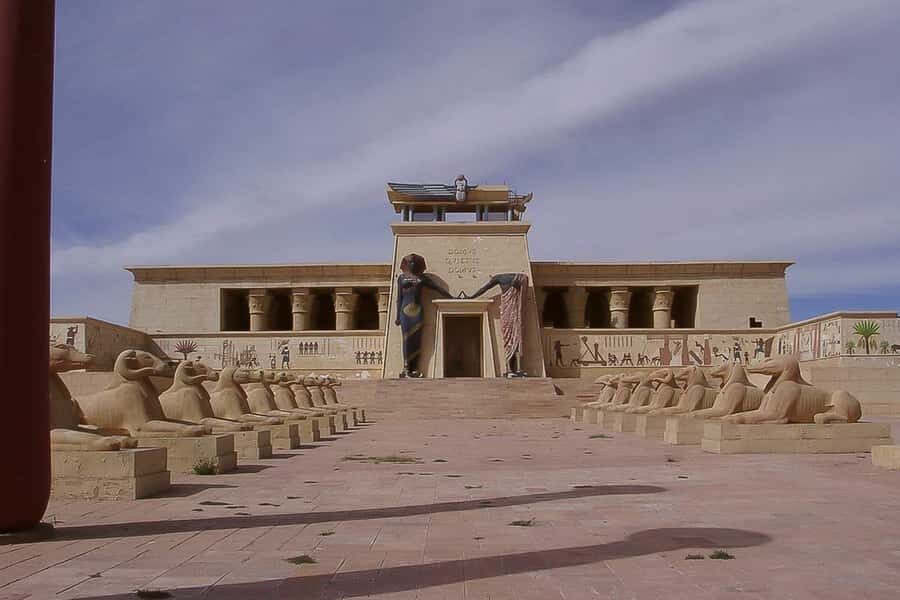
Ride camels at sunset, sleep in a Zagora desert camp, and cross the Atlas Mountains on this value-packed two-day trip from Marrakech.
Zagora gives you a taste of the Sahara without a long expedition from Marrakech: a camel ride at sunset, a night in a desert camp, and another ride into the morning light. I like the contrast between that quiet evening and the day’s journey through the High Atlas Mountains and Ait Ben Haddou.
I also like that the camp stay comes with dinner, breakfast, and campfire entertainment, so the $84 price covers more than transport and a camel ride. The trade-off is real: expect long hours in the van, and don’t picture endless, towering dunes. Around Zagora, the terrain is often rocky, with smaller stretches of sand.
Pickup is offered from Marrakech hotels. If you’re staying in a Medina riad where a van cannot reach, you’ll meet the driver at a nearby accessible point. The exact location is provided in advance, so check your messages the day before and confirm where to wait.
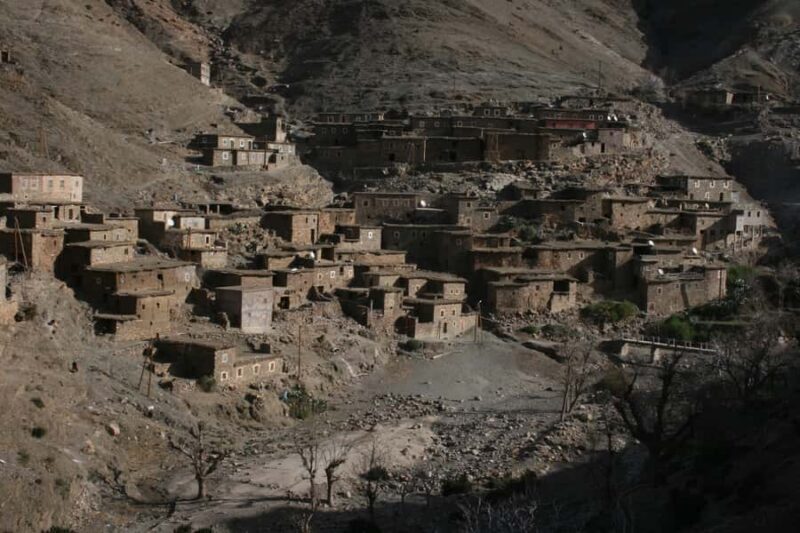
The road out of Marrakech climbs through the High Atlas Mountains before winding toward the south. Mountain views are a highlight in their own right, and in winter, snow can appear on the peaks. The route is scenic, but the narrow, winding sections may be uncomfortable if you’re prone to motion sickness. Sit where you’re most comfortable, keep water handy, and take the planned breaks.
The vehicle is an air-conditioned minibus or van, though the quality of air-conditioning can vary. The driver’s main job is to get the group safely between stops; how much local commentary you hear may vary, too. Drivers named Ibrahim, Laarbi, Badr, and Mohamed Ben Haddou have been praised for being friendly, careful, and helpful, but you can’t count on a particular person being assigned to your departure.
This is a shared trip unless you book a private group. The schedule is full, and the drive can take around six hours in each direction, depending on stops and road conditions. I’d treat the mileage as part of the adventure, not as dead time to be endured before the desert begins.
Looking for more options in Marrakesh? Here are some other experiences worth considering.
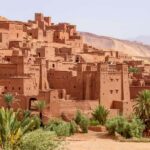
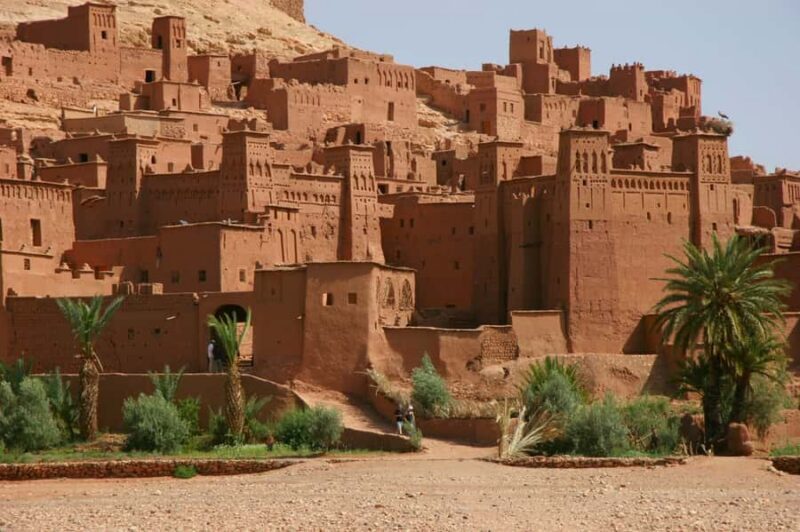
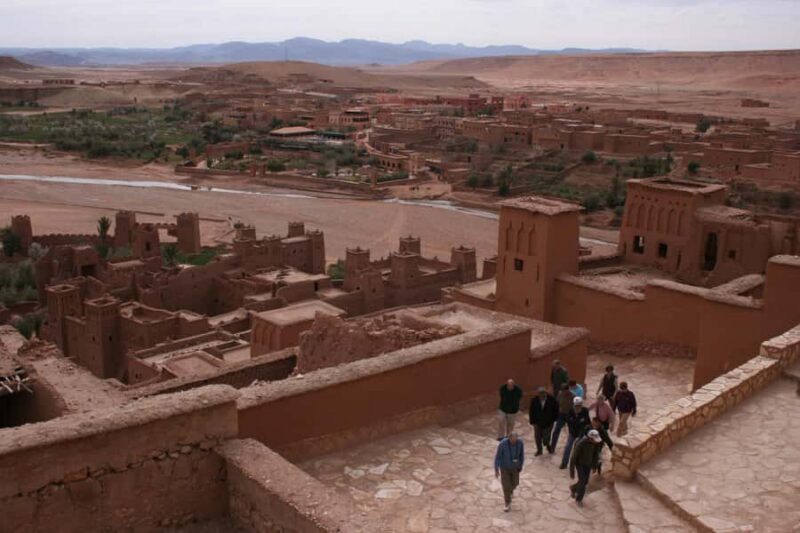
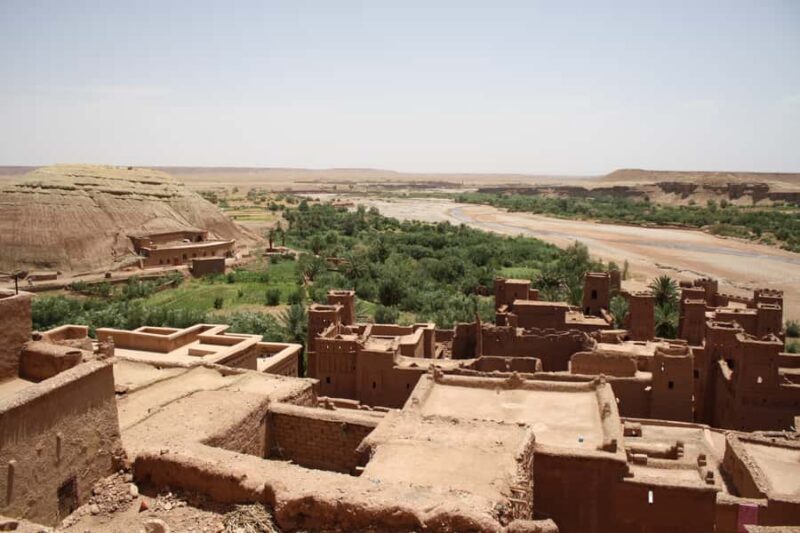
Ait Ben Haddou is a fortified earthen village, or ksar, and a UNESCO World Heritage Site. Its mud-brick buildings rise above the surrounding dry country, and its narrow lanes and walls offer a memorable look at traditional southern Moroccan architecture. You’ll have time to explore and take photos, with broad views from higher up.
The entrance fee is €3 and is not included. A local guide is also not included in the tour price. A guide can add context to the buildings and their history, but the visit may be brisk, so decide whether you’d rather pay for that explanation or wander at your own pace.
Keep expectations practical: this is one stop on a packed two-day route, not a long, leisurely visit. Some departures may have limited free time, and a lunch stop can take up a significant part of the day. If exploring the ksar in depth matters to you, a separate visit with more time would suit you better.
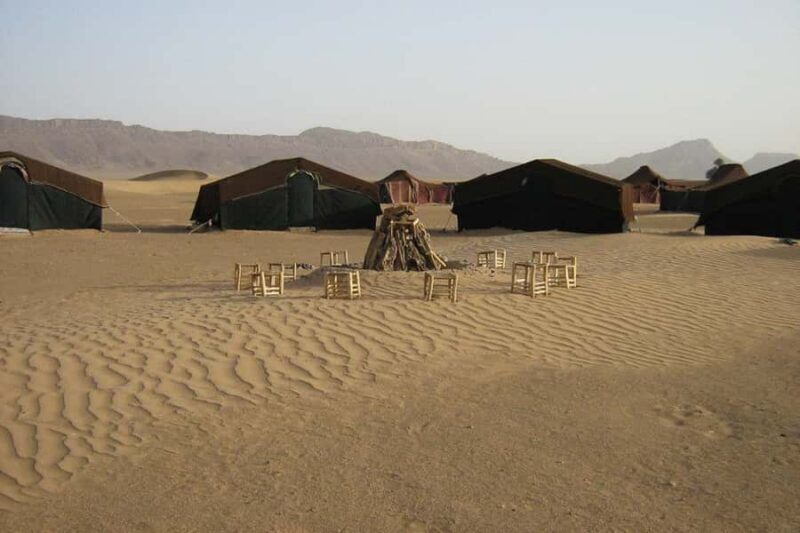
After Ait Ben Haddou, the route continues through the Draa Valley, with palm groves, a river, fortified villages, and kasbahs along the way. The greenery beside the dry surroundings makes for a striking change of scene. From the van, you get a useful sense of how varied southern Morocco can be over a relatively short stretch of road.
There are photo stops along the way, but don’t expect to spend long at every place you pass. The day’s schedule has to cover the distance to Zagora as well as its sightseeing stops. Keep your camera close, and use breaks to stretch rather than assuming you can return to a particular viewpoint later.
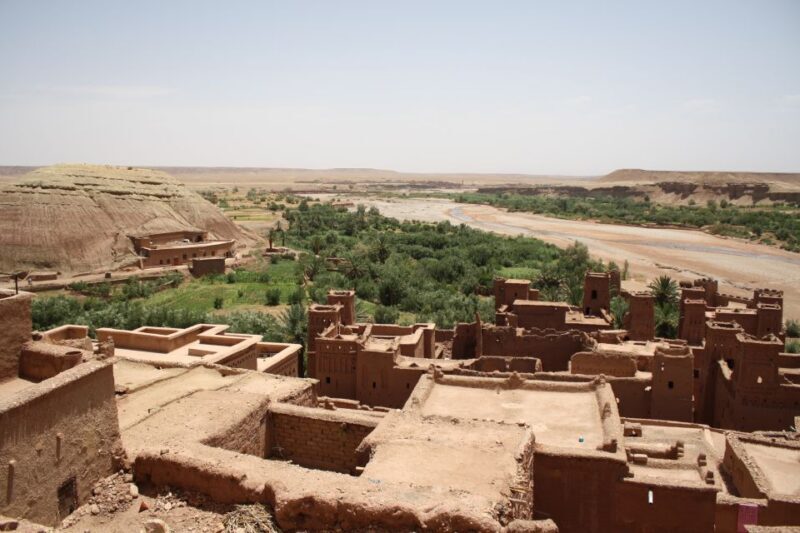
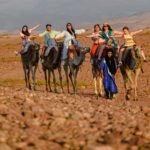
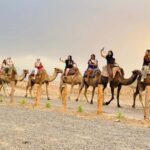
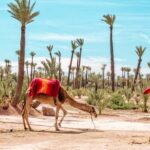
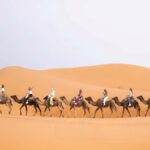
Near Zagora, you leave the van for the camel ride to the camp. The route passes over rocky ground and patches of sand; it is scenic, but this is not the image of a vast sea of high dunes that some people associate with the Sahara. The camel ride is a central part of the trip, and the open views and changing evening light make it memorable.
You’ll ride toward the camp as the sun sets, then settle in before dinner. Follow the local handlers’ instructions and treat the camels gently. If animal welfare is a major concern for you, take that into account before booking; the ride is included, but it is also a working activity involving animals.
The camp experience is the part I’d build the trip around. The tents are described as spacious, with beds, and the site has toilet and shower access. Facilities are basic rather than luxurious. Bring a small bag with what you need for the night, since the bus does not go all the way to camp and you will not want to carry a large suitcase on the camel.
More Great Tours Nearby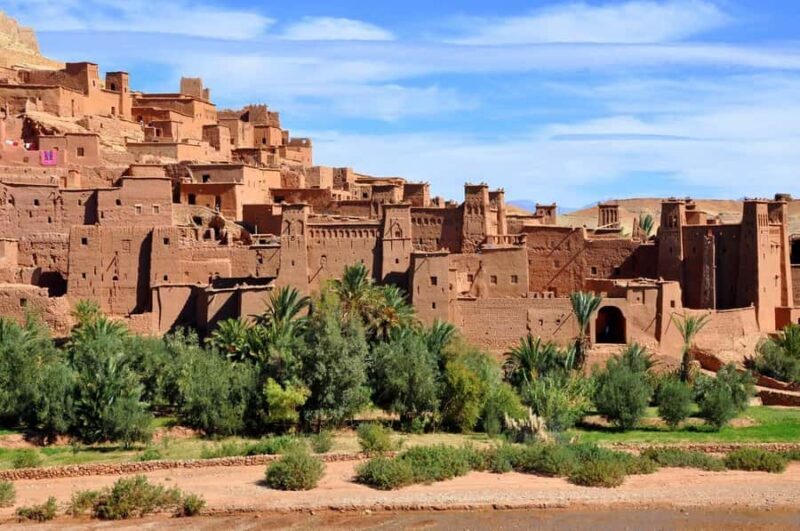
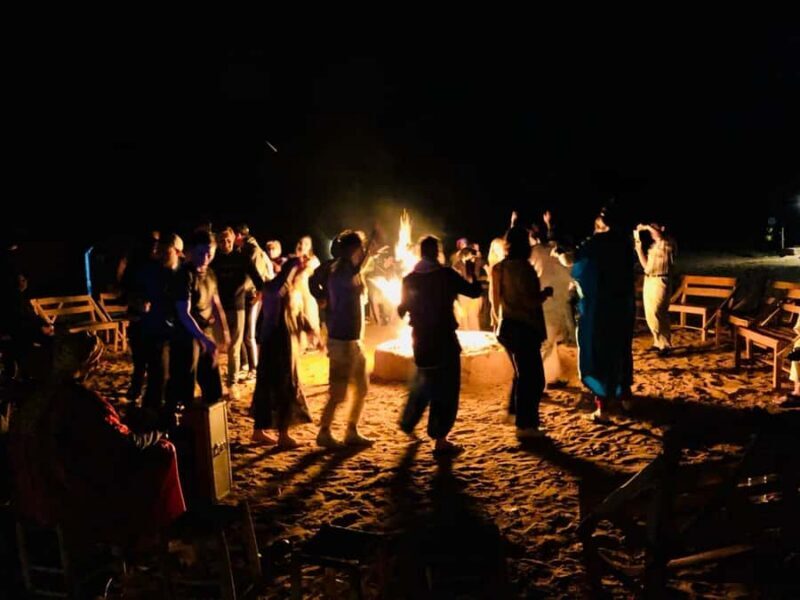
Dinner is included and typically features Moroccan food such as tagine and fresh bread. Breakfast is included the next morning. The meal and welcome from the camp hosts are often a highlight, and the evening continues around a campfire with traditional music and stories. You may have a chance to join in with the drums.
The desert night is a good reason to leave your phone in your pocket for a while. With the campfire behind you and the open sky above, the change of pace from Marrakech feels striking. Weather can affect the view, so clear skies are not guaranteed.
The tents are comfortable by camp standards, but don’t expect hotel bedding. Beds and pillows may feel firm, and mornings can be chilly. Pack a light sweater or scarf, even if the day has been hot, and bring any sleep essentials you know you need.
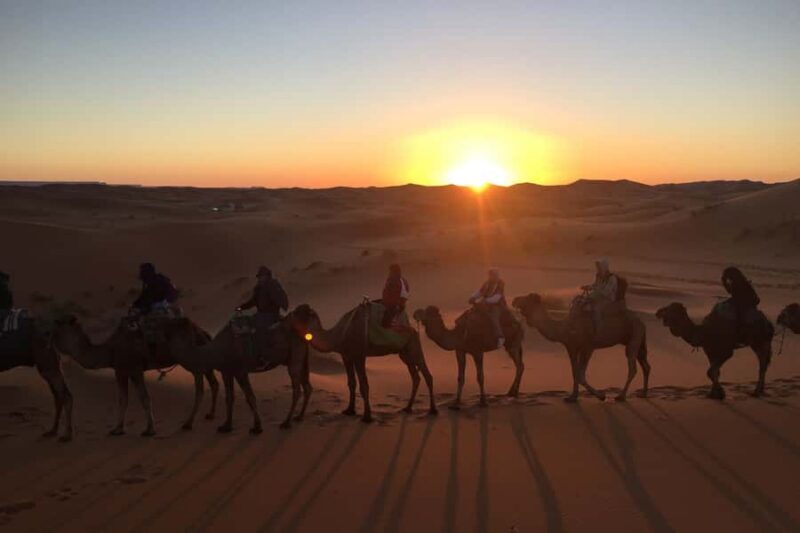
You’ll rise for breakfast and a second camel ride, this time in the early light. The return ride lets you see the desert in a different mood from the sunset journey. Afterward, you’ll board the van for the long drive back toward Marrakech.
The return route includes a stop in Ouarzazate for photos, followed by more mountain scenery and a lunch stop in the Atlas Mountains. Lunch is not included, and food stops are selected along the route, so you may have limited choice. Some visitors find the meals expensive for what they offer. Bring snacks and water, and carry Moroccan dirhams or euros for meals and small purchases.
The overall pace is brisk: there is a lot to see, but little time to linger. A few breaks help make the drive manageable, though the second day still involves many hours on the road. If you want a slow holiday, this is not it. If you have only two days and want a broad sample of the country beyond Marrakech, that packed schedule is exactly the point.
For $84 per person, the package includes hotel or nearby-point pickup in Marrakech, round-trip transport in an air-conditioned vehicle, a bilingual driver, both camel rides, standard camp accommodation, campfire entertainment, dinner, and breakfast. That is good value for a two-day trip with transport across the mountains and an overnight stay.
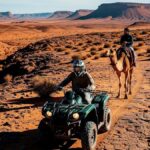
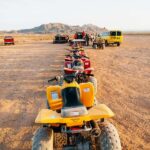
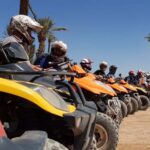
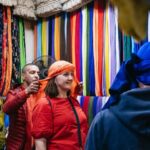
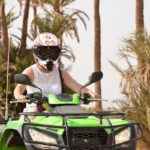
Plan on spending more than the base price. Lunches and drinks are extra, Ait Ben Haddou admission is €3, and a local guide is not included. A quad bike option is listed at €50, subject to availability. You may also want cash for snacks, a scarf, and tips. You are not obliged to buy a scarf at a stop; bring your own if you already have one.
The lunch stops deserve special attention in your budget. There may be little choice about where the group stops, and meals can feel costly. You can bring food with you rather than accepting a set meal, but check with the driver about timing and where you can eat during the break.
This trip suits you if you want to see Ait Ben Haddou, the Atlas Mountains, the Draa Valley, and a desert camp without arranging transport and lodging yourself. It also works well if your time in Morocco is short and you’re comfortable trading long drives for a concentrated look at the south.
Families and groups of friends can enjoy the mix of scenery and activities, but be realistic about the hours in the vehicle and the camp’s simple comforts. If you get carsick, dislike winding roads, need a soft bed, or want to explore each stop at your own pace, consider a slower or longer trip.
The booking has free cancellation up to 24 hours in advance, and you can reserve now and pay later. If booking at the last minute, send your full name and trip name by WhatsApp as requested. The stated driver languages include English, French, Spanish, Arabic, and Portuguese, though the specific language available can depend on the departure.
My call: Book it if you want the camel ride, campfire, dinner, and sunrise, and you’re willing to accept a long, busy road trip to get them. Skip it if your idea of the Sahara requires immense dunes or if you want a relaxed visit with plenty of time at every stop. At $84, it’s a strong-value introduction to southern Morocco, as long as you budget for lunches and go in with the right expectations.
“It was a really good experience. Especially muhammad was really humble and kind driver”
Yes. Pickup is available from Marrakech hotels. If your riad is in a part of the Medina that a van cannot reach, you’ll be given a nearby accessible meeting point.
Dinner at the desert camp and breakfast the next morning are included. Lunches and drinks are not included.
No. The entrance fee is €3, and a local guide is also not included in the tour price.
The tour includes one camel ride at sunset on the way to camp and another at sunrise the next morning.
Yes. Access to a shower and toilet is included. The camp accommodation is described as standard, so expect practical facilities rather than hotel-style comfort.
Bring comfortable shoes, sunglasses, a sun hat, sunscreen, a camera, and long pants. A light layer is useful for the cooler morning, and a small bag is easier to take to camp than a large suitcase.
You can check availability for your dates here: