Physical Address
304 North Cardinal St.
Dorchester Center, MA 02124
Physical Address
304 North Cardinal St.
Dorchester Center, MA 02124

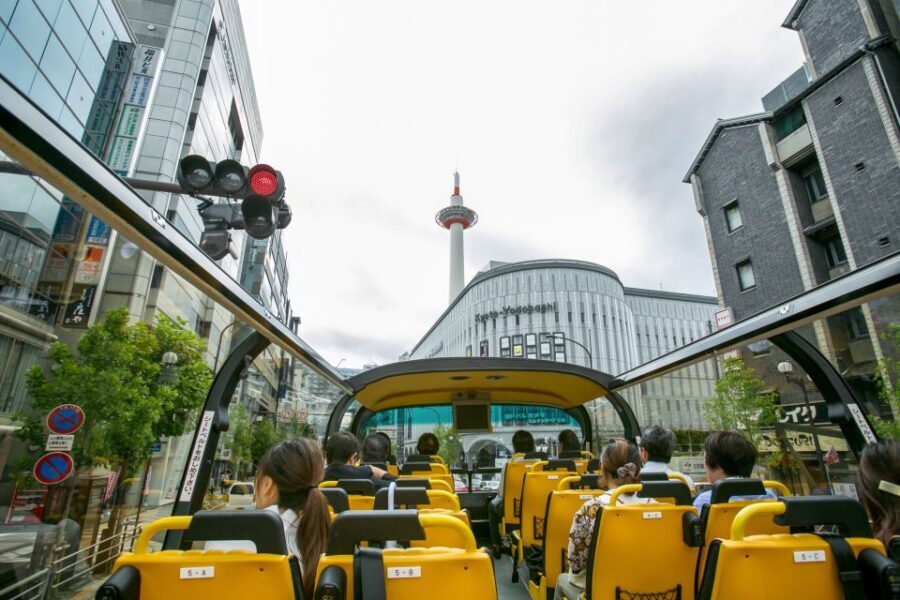
See Kyoto’s major temples, shrines, markets, and castle by open-top bus, with flexible one- or two-day tickets and audio in seven languages.
Kyoto’s landmarks are spread across the city, and this open-top bus links many of them without asking you to puzzle out every local bus or train connection first. I like that you can hop off for a temple or market and continue when you’re ready, rather than commit to a fixed group itinerary.
Two things I especially like: the stops reach both famous sights and useful city areas, including Nishiki Market and Gion, and the two-day pass gives you room to explore instead of racing through. Friendly staff can also help with directions; guides such as Miyuki, Lauren, and Casey have been singled out for their local advice and engaging commentary.
One trade-off: the bus is a helpful connector, not a door-to-door service. Traffic and long gaps between buses can eat into your day, while rain, cold, or strong sun can make the open top less appealing.
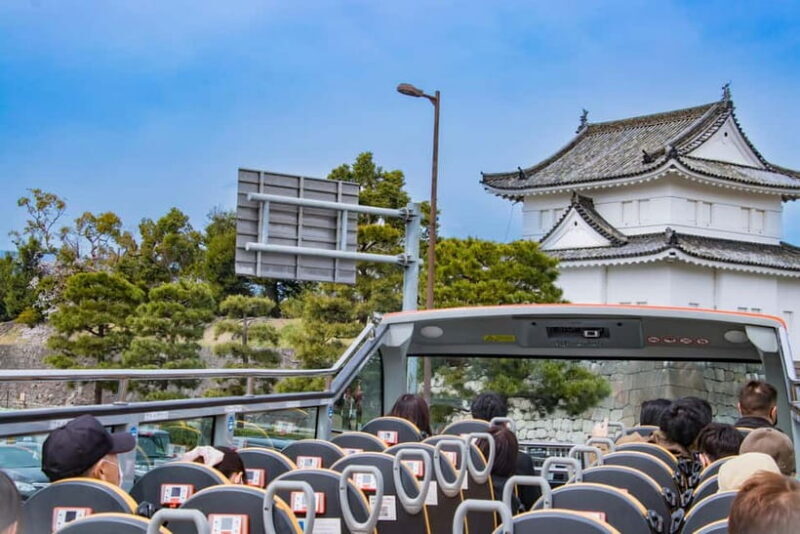
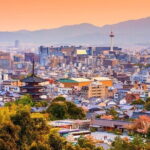
Kyoto can look compact on a map, but its headline sights sit in different parts of the city. This bus helps bridge the distance between places such as Nijo Castle, Kinkakuji in the northwest, Ginkakuji in the northeast, and Kiyomizu-dera in the east. You can spend less energy figuring out transport and more time deciding which places deserve a longer visit.
Your ticket is valid for either one or two days, with unlimited rides during that period. That freedom is the main appeal: take a full loop first, get a feel for the city, then make a second pass and get off where you want to linger. A full circuit has taken around 45 minutes, though traffic can change that.
The service is arranged into red and blue routes. Each covers different stops, so do not assume that every bus serves every attraction. The routes can make it possible to combine a west-side temple visit with an east-side stop, but you’ll need to keep an eye on which line you need next.
You can check availability for your dates here:
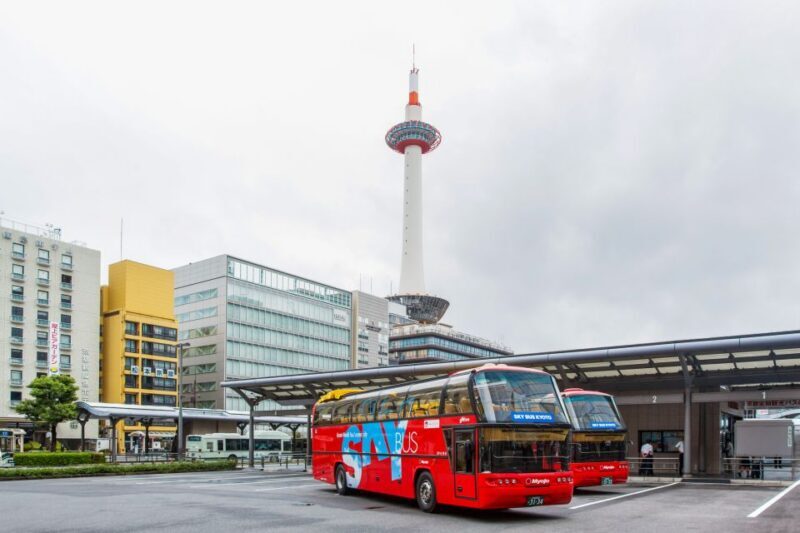
Kyoto Station is the first stop and a useful place to begin. To find the sightseeing bus stop, use the north central exit; it is directly in front of the Isetan department store. If you’re unsure where to queue or which route to take, staff at the stop can help.
Before you board, check the current route information and timetable. Some departures may be widely spaced, and missing one can mean a substantial wait. One reported interval reached about an hour, while another busy period had buses roughly 45 minutes apart. Those are reminders to plan around the timetable, not promises of a fixed frequency.
You can show your mobile voucher when boarding at any stop. If you are new to Kyoto, I’d start by riding one whole loop rather than hopping off immediately. That first ride can help you see how the stops relate to one another and pick out areas you want to revisit. It also makes the two-day ticket particularly useful: day one can be for orientation, day two for slower visits.
You might also be interested in these Kyoto experiences
The Nijo-jo Castle stop gives you access to Nijo Castle, one of the city’s UNESCO World Heritage sites. The bus takes you close to the attraction, but your ticket does not include entry. If you want to go inside, allow time for the visit and check admission details separately rather than treating the stop as a quick photo break.
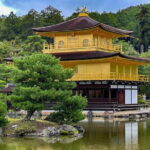
From there, the route continues toward Kitano-tenmangu Shrine and the Kamishichiken area, then Kinkakuji Temple, the Golden Pavilion. Kinkakuji is one of the headline stops, and it can draw large crowds, especially during popular travel periods. Give yourself time not only for the temple visit but also for the walk between the bus stop and the entrance.
Bring cash for Kinkakuji admission. One useful detail for planning: the temple has been reported to accept cash only, with no ATM on the premises. It is better to arrive prepared than to find yourself searching for cash after getting off the bus.
Daitokuji Temple is another stop on this side of the route. These temple stops make the bus useful if you want to see more than the best-known sights, but don’t try to cram every stop into one day. Each time you get off, the actual visit takes longer than the ride between stops.
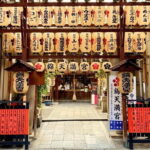
The Shijo Karasuma stop serves Nishiki Market, along with nearby shopping streets. It is a handy change of pace between temple visits: you can browse, eat, or walk around the surrounding area before rejoining the route. Food is not allowed on the bus, so finish any snacks before boarding again.
The Kyoto Imperial Palace stop is near Doshisha University. As with other stops, think of this as access to an area rather than a promise that the attraction is right beside the bus door. Check the walk and opening details before you get off, especially if you are trying to fit several visits into a single day.
Ginkakuji Temple, the Silver Pavilion, gives the route a worthwhile stop in Kyoto’s northeast. It is a useful counterpoint to the Golden Pavilion: if both are on your list, a two-day pass gives you more breathing room to visit them on separate days or combine each with nearby stops. The bus audio offers an introduction, but it is not a substitute for time on site.
Heian-jingu Shrine and Okazaki Park are grouped at another stop. This area adds a different kind of pause to a day built around temples and older landmarks. You can use the stop to break up longer rides and explore at your own speed, then check the timetable before deciding how long to stay.
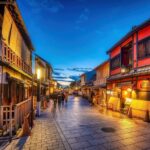
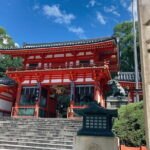
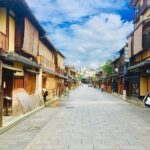
The Gion stop, listed near Kotowa-Kyoto Yasaka, puts you close to one of Kyoto’s best-known districts. It works well as a place to get off for a walk, shop, or meal nearby. The bus is a useful way to connect Gion with sights farther away, though you should not expect the route itself to show you everything worth seeing in the neighborhood.
Gojozaka is the stop for Kiyomizu-dera Temple and Gion. Kiyomizu-dera is among the UNESCO World Heritage sites served by the bus, but there is still ground to cover after you get off. Factor in the walk and the time you want at the temple before planning your next departure.
The final listed area, Sanjusangendo and the Kyoto National Museum, is near the Hyatt Regency Kyoto. These stops add another pair of cultural sights to consider, but admission is separate. If you have only one day, choose the places that matter most to you rather than treating the route as a checklist.
More Great Tours NearbyAudio commentary is included in seven languages: English, French, Japanese, Korean, Chinese, Spanish, and German. It gives you context as you pass the sights, which can make a first circuit more useful than simply riding from stop to stop. Still, treat it as an overview, not a full guided visit. Some commentary may cut off as the bus approaches a stop or switch to directions about which side a sight is on.
Staff can fill in practical gaps. Guides and attendants have included Miyuki, Lauren, Casey, and Frederick, with local tips ranging from where to go near a stop to help finding shops. You may have a different staff member on your ride, of course, but the presence of helpful attendants is a real plus when you are trying to sort out route changes or make the most of limited time.
Onboard Wi-Fi is listed as temporarily suspended, so don’t count on it for checking maps or schedules. Download or save route information in advance, and keep your own phone connection in mind.
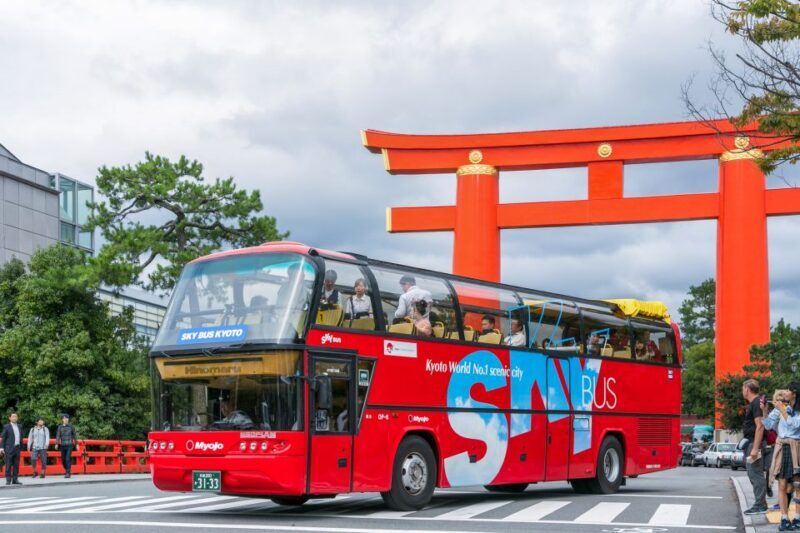
At about $27 per person, the one-day ticket is most useful if you plan to ride between several parts of Kyoto and make at least a few stops. The value comes from the combination of transport and flexibility: you can use the bus for unlimited rides during the ticket period, rather than paying separately for each leg. If you would otherwise take several taxis or spend time navigating unfamiliar connections, that can be a sensible trade.
The two-day option is the stronger fit if you want to visit multiple temples and districts at an unhurried pace. Kyoto’s sights often take longer than a quick stop, and moving between them can consume a surprising portion of the day. Splitting visits across two days reduces the pressure to leave a place just to catch the next bus.
The ticket does not include attraction admission, food, or drinks. Add those costs to your plans, and carry cash for Kinkakuji. The pass is less compelling if you want to visit only one or two nearby places, or if you prefer to set your own transport schedule and are comfortable using the city’s other services.
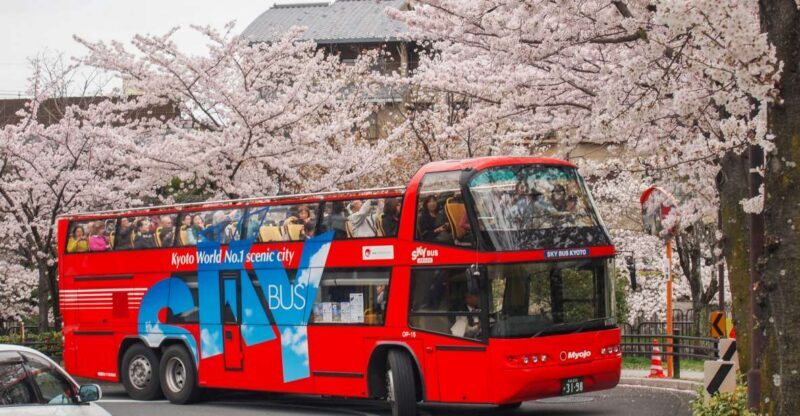
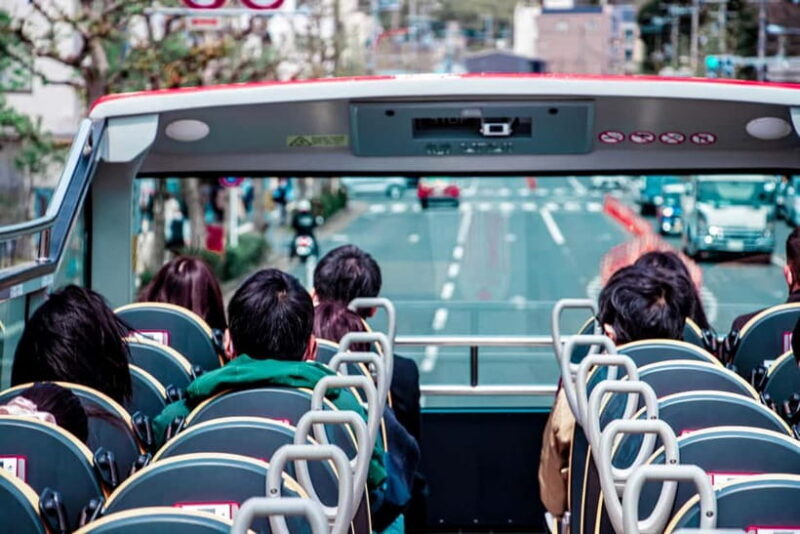
The upper deck gives you open-air views as you ride through Kyoto, but it also means direct sun. In hot weather, the exposure can be tiring; in cold weather, an open ride can feel brisk. Some buses have a covered section on the upper deck, but you should still dress for the conditions rather than assume you’ll be sheltered.
Raincoats are provided in wet weather. Umbrellas are not allowed on the vehicle, and severe weather such as typhoons or thunderstorms may stop the buses from operating. If the forecast looks poor, keep a backup plan. Soft drinks in containers with lids, such as plastic bottles or coffee cups, are allowed; food and alcohol are not. Smoking and selfie sticks are also prohibited.
Children aged five and under do not need a ticket if they sit on an adult ticket holder’s lap, with one such child per ticketed passenger. If your child needs their own seat, check ticket requirements before you go.
I’d recommend this service most to first-time visitors, short-stay visitors, and anyone who wants a simple overview before choosing where to spend more time. It is especially handy if you are unsure how Kyoto’s major sights fit together or would rather avoid making every transfer on local transport yourself. The stops also give you options beyond a single temple corridor, including markets, Gion, and museum areas.
It is less suited to anyone who needs a very frequent service or wants a detailed history of every attraction. Bus gaps can be long, traffic affects the schedule, and the audio is a broad introduction rather than in-depth commentary. The open deck is a pleasure in comfortable weather, but not an automatic win in strong sun, cold, or rain.
Book it if you want a flexible way to link several distant sights, especially with two days available. If you have only one day, choose your must-sees before boarding and use the first circuit to get your bearings. Keep the timetable handy, carry cash for Kinkakuji, and leave room in your plan for a slower Kyoto pace.
“Frederick is a natursl force! Great storyteller and guide!”
You can board at any stop along the route. The first stop is at Kyoto Station, directly in front of Isetan department store at the north central exit.
You can choose a one-day or two-day ticket. The ticket gives you unlimited rides for the duration you select.
The audio commentary is available in English, French, Japanese, Korean, Chinese, Spanish, and German.
No. Entrance fees to temples, castles, and other attractions are not included.
No. Food is not allowed. Soft drinks with lids, including plastic bottles and coffee, can be brought on board.
No. Umbrellas are not allowed on the vehicle. Raincoats are provided in wet weather.
Yes. The bus has an open top, so you can be in direct sunlight. Dress for the weather, and note that severe weather may stop service.
They do not need a ticket if they sit on the lap of an adult passenger with a ticket. The allowance is one child per ticketed adult.
Wi-Fi is listed as temporarily suspended, so you should not rely on having an onboard connection.
You can check availability for your dates here: