Physical Address
304 North Cardinal St.
Dorchester Center, MA 02124
Physical Address
304 North Cardinal St.
Dorchester Center, MA 02124

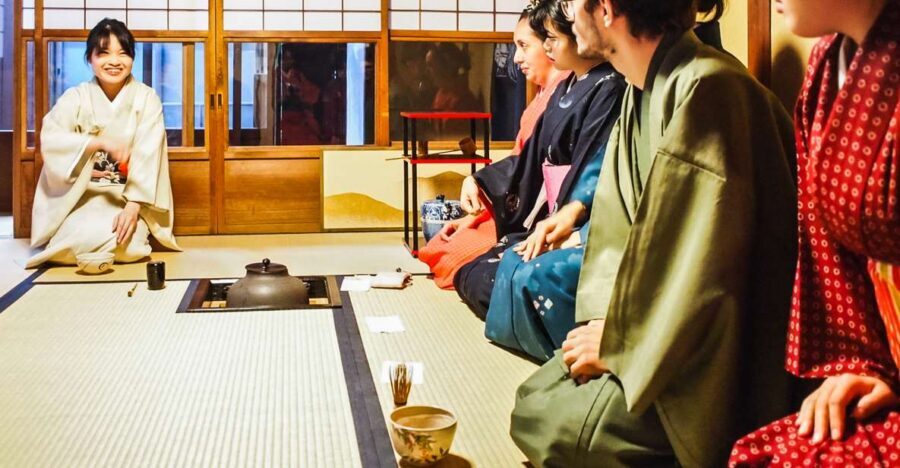
Learn to prepare matcha with a Urasenke tea master in Kyoto, then enjoy Japanese sweets and optional kimono photos near Kinkakuji.
Kyoto’s tea ceremony is less a quick matcha demonstration than a lesson in careful movement, manners, and attention. This 45-minute session teaches the full thin-tea ceremony, rather than a simplified version made just for visitors.
I like two things in particular: an Urasenke tea master explains the ceremony’s history and meaning, and you get to prepare matcha yourself. Two green tea flavors and traditional sweets are included, so the lesson engages your hands and taste buds as well as your attention.
One consideration: the experience is brief and follows traditional rules, so it may feel formal or hurried if you want a long, relaxed cultural workshop. You sit on tatami unless you request a chair, and video recording is not allowed.
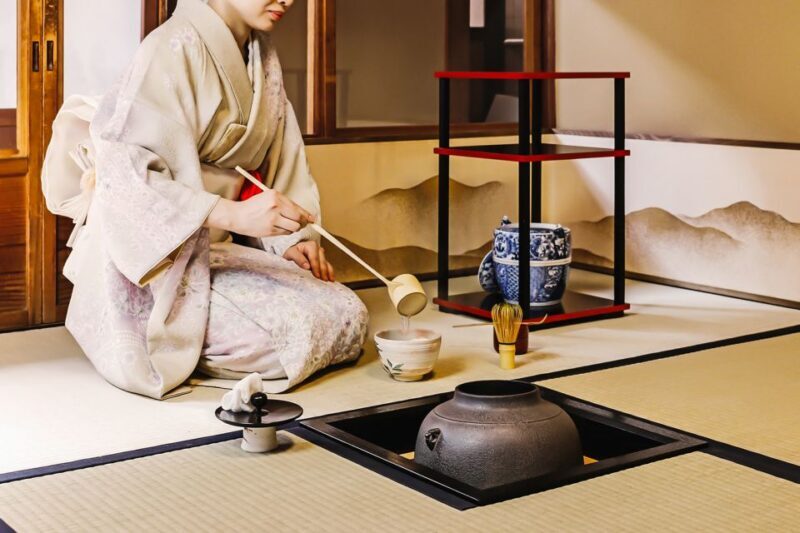
The provider’s approach is straightforward: it teaches the ceremony as Japanese beginners learn it, with its basic rules intact. That makes this a good fit if you want more than a photo in a kimono or a fast introduction to whisking powdered tea.
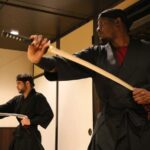
You’ll meet an English-speaking host who is a licensed tea master from Urasenke, Japan’s largest tea ceremony school. The host explains the ceremony’s history and spiritual role, and describes how different preparation methods affect the tea’s flavor. The point is not to memorize every gesture in 45 minutes. It’s to see how the method and manners give the tea its place in the occasion.
That traditional approach brings a useful caveat. You’re expected to pay attention and follow instructions, rather than treat the ceremony as a casual tasting. The supplier provides short videos about what not to do, and asks you to watch them before arriving. Taking a few minutes to prepare should make the session smoother and help you feel at ease with the customs.
You might also be interested in these Kyoto experiences
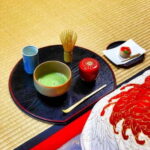
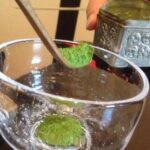
The session begins on tatami, the woven floor mats used in traditional Japanese rooms. The host demonstrates the preparation of matcha, or powdered green tea, while explaining the gestures and their place in the ceremony. If sitting on the floor is difficult for you, contact the provider ahead of time: chairs can be arranged.
Watching first matters. The tea ceremony is a precise sequence, and you’ll have a better sense of what to do when it’s your turn if you notice the order of the movements. The host also explains that the way tea is made affects its flavor, giving the demonstration a practical side alongside its ritual meaning.
Then you try preparing the tea yourself. This is the session’s most hands-on part, and it turns an abstract tradition into something you can follow step by step. You don’t need to arrive knowing the etiquette. The tea master teaches the basic rules and guides you through the process.
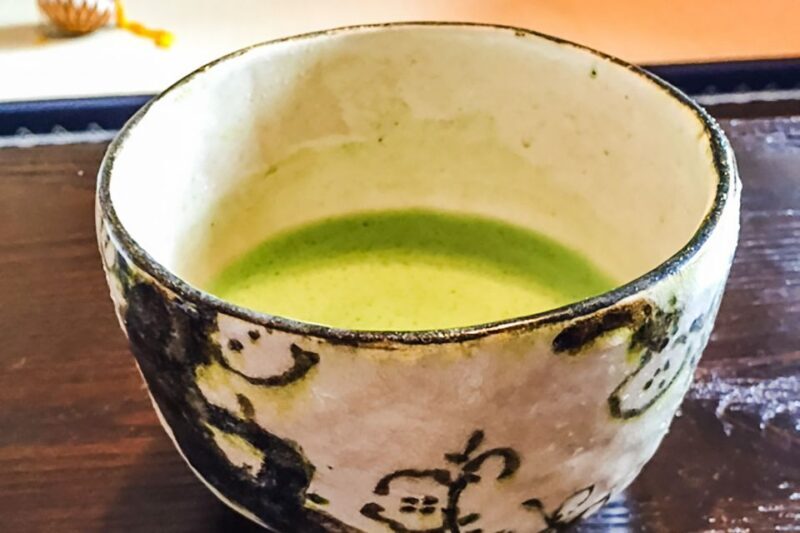
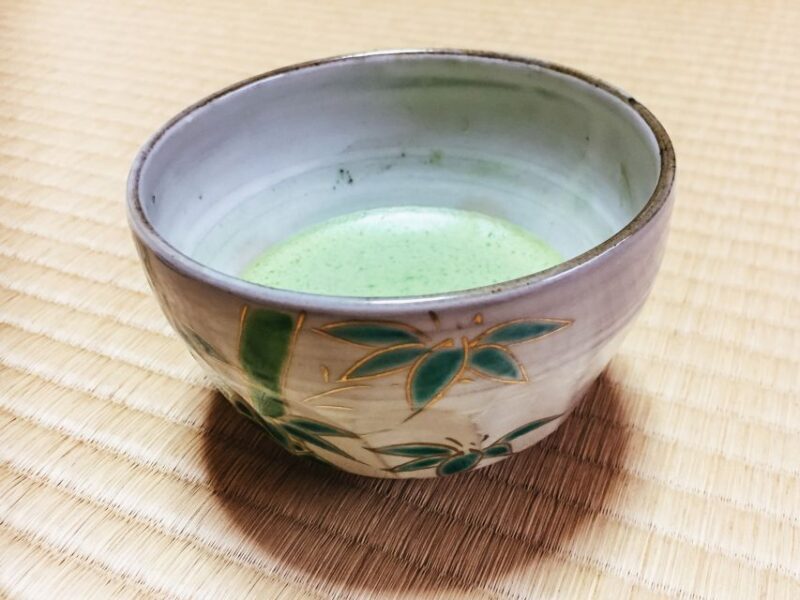
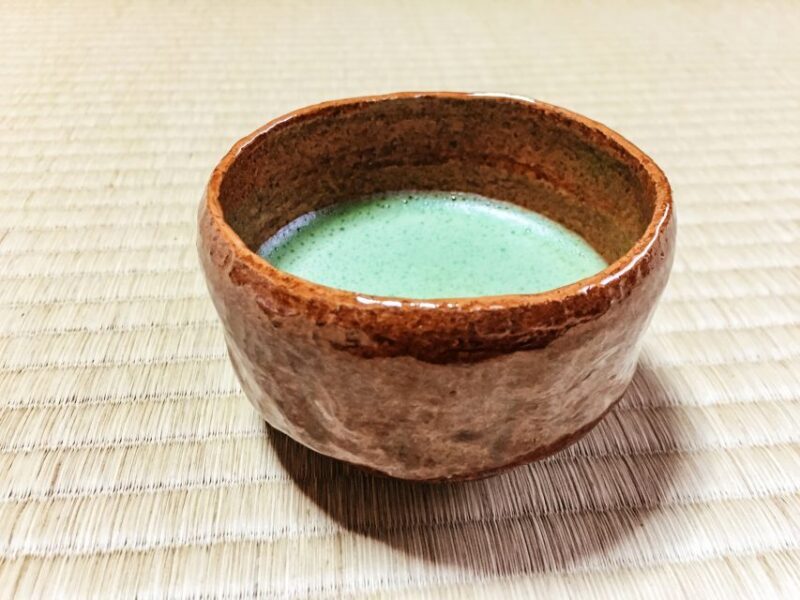
The experience includes two flavors of Japanese green tea and traditional Japanese sweets. The sweet offers a counterpoint to the tea, while tasting two versions gives you a chance to notice differences rather than leave with only a general impression of matcha.
Matcha’s bitterness can be a concern if you’re not already a fan. The tea served here has been described as smooth and sweet-tasting, but taste is personal, and you shouldn’t expect a sugary drink. The tea master talks about how preparation influences flavor, which helps explain why matcha can taste different from one bowl to another.
You can ask questions during the lesson, and the host’s explanations cover both the ceremony and the tea itself. With just 45 minutes, though, there is limited time for a long discussion. If you have a particular question, ask when the moment comes rather than saving several for the end.
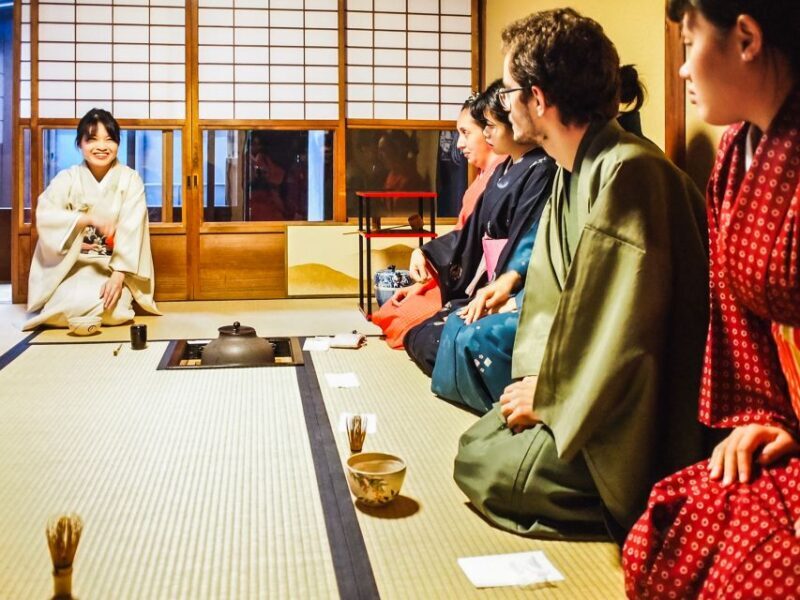
The private option gives you a ceremony just for your group, with closer attention from the tea master and room to move at your own pace. It suits couples, families, or anyone who would rather learn quietly than share the lesson with other participants. Private sessions are also a sensible choice if you’re celebrating a special occasion or have questions you’d like time to ask.
The public option brings you together with a small group. It’s a sociable way to learn, and the format reflects the experience of beginners learning together. You’ll have less one-to-one attention than in a private session, but the shared setting may feel more natural if you’re comfortable learning alongside others.
The candlelight option takes place in the evening and uses traditional candlelight to create a more atmospheric setting. It offers a distinct mood, not a different lesson: you still learn the ceremony’s customs and prepare tea. If you’re choosing between a daytime and evening session, think about whether the quiet, candlelit setting is part of the appeal.
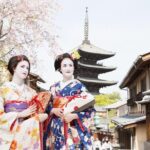
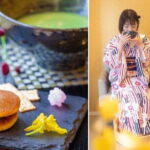
More Great Tours NearbyKimono rental is an optional extra, not part of the $22 base price. You need to reserve it in advance and arrive 20 minutes before the ceremony begins. The host helps you dress, and there’s time after the ceremony to take photos. Hair setting is not included.
The extra clothing time is worth considering when planning your day. A kimono can add a visual and tactile element to the occasion, but the dressing itself is described as quick, and you should not expect an extended styling session. The kimono option is best for someone who wants the photographs and the chance to take part in the ceremony dressed traditionally, not for someone seeking a full wardrobe or hair appointment.
After the ceremony, you can see examples of kimonos and woven textiles made in Kyoto’s Nishijin district. This is a useful extra because it connects the clothing to a local craft tradition, rather than leaving the kimono as a simple costume change. Photos are permitted, but video recording is not.
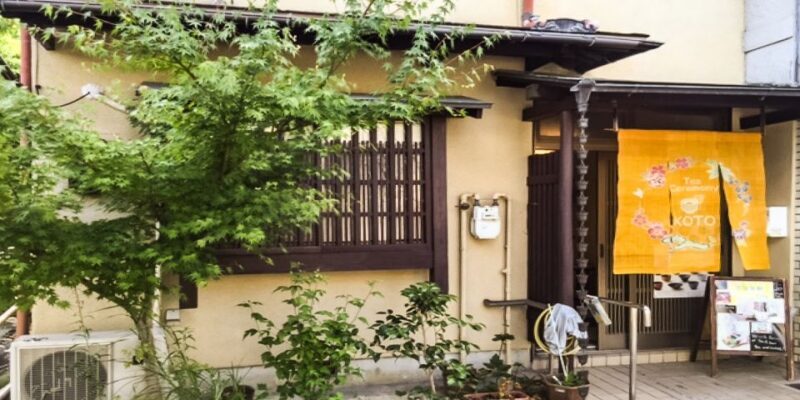
The meeting point is close to Kinkakuji, the Golden Pavilion. It’s a one-minute walk from the temple gate and about the same distance from the Kinkakuji-Michi city bus stop, making the lesson easy to pair with a visit to the temple. Enter through the building’s sliding door with the orange curtain.
From Kitaoji subway station or JR Enmachi, Kyoto city buses 204 and 205 take about 10 to 15 minutes. If you’ve been at Kinkakuji, look for the venue near the bicycle parking area. Give yourself time to find the entrance, especially if you’ve added a kimono and need to arrive early.
One transport detail is worth planning around: the provider says it can be difficult to call a taxi after the session because taxi companies may not answer immediately. A large taxi stand is in front of the location and usually opens around 5:30 p.m. If you’re attending earlier, check your onward route before you arrive rather than assuming you can summon a taxi on the spot.
Forty-five minutes is enough to watch the tea master, hear an introduction to the tradition, prepare matcha, and taste tea and sweets. It’s a compact introduction, not a long course in tea ceremony. The format works well if you want a focused cultural activity that fits around sightseeing.
The short duration can also make the experience feel brisk, particularly if you’re changing into a kimono or have arrived hoping for a slow, contemplative afternoon. One useful way to approach it is to treat the lesson as a concentrated introduction: arrive on time, read the etiquette guidance beforehand, and let the host lead the sequence.
Some participants have found the start and finish a little rushed, while others appreciate that the 45-minute session is long enough to learn the basics without taking over half a day. If you want a more leisurely visit, the private option may be worth considering, though the ceremony itself remains a short lesson.
At $22 per person, the experience includes a tea master’s instruction, a demonstration, the chance to prepare tea, two green tea flavors, and traditional sweets. That is solid value if your goal is to learn the steps and meaning of the ceremony, not just drink matcha. The optional kimono costs extra, and its price is not specified here, so check the booking details before choosing it.
The strongest value is the teaching. You’re not simply handed a bowl of tea: the host explains why the process follows certain rules and how preparation affects taste. That context gives you something to take away beyond a photograph, even if the session is short.
There are also flexible booking terms: you can reserve without paying immediately, and cancellation up to 24 hours in advance is eligible for a full refund. Check current availability and the exact session options when booking, since the start times depend on the date.
Book it if you’re curious about Japanese customs and want to take part rather than watch from the sidelines. It’s especially suitable for first-time visitors to Kyoto, families with older children, couples, and anyone who wants a quiet activity near Kinkakuji. The explanations are in English and Japanese, and private groups are available.
It may be less suitable if you want a casual, free-flowing tasting, dislike formal rules, or need a long workshop. If floor sitting is uncomfortable, ask for a chair in advance. And if you want kimono photos, reserve the add-on early and arrive 20 minutes before the ceremony.
I’d book this if learning the ceremony matters more to you than simply dressing up or snapping a photo. The 45-minute lesson offers a clear introduction, a chance to prepare matcha, and useful context from a licensed Urasenke tea master, all at a modest base price. Choose private for a quieter pace, public for a shared lesson, or candlelight for an evening atmosphere. Skip the kimono add-on unless you specifically want the clothing and photos, and read the etiquette guidance before you go.
“We were able to experience and understand traditional Japanese tea ceremony which was exactly what we were looking for. This is not a typical fun t…”
The experience lasts 45 minutes.
The listed price is $22 per person. Kimono rental is an optional add-on, and its price is not specified here.
You receive two flavors of Japanese green tea and traditional Japanese sweets. The lesson includes a demonstration and the chance to prepare tea yourself.
Yes. The instructor speaks English and Japanese.
Yes. Reserve the kimono add-on when booking, since it may be difficult to arrange one after you arrive. If you book it, arrive 20 minutes before the ceremony.
Yes. You can take photos after the ceremony. Video recording is not allowed.
The ceremony takes place on tatami. If sitting on the floor is difficult, contact the provider in advance to request a chair.
Enter through the sliding door with the orange curtain. The location is a one-minute walk from Kinkakuji’s gate and from the Kinkakuji-Michi bus stop.
You can cancel up to 24 hours in advance for a full refund. The booking option also allows you to reserve now and pay later.
You can check availability for your dates here: