Physical Address
304 North Cardinal St.
Dorchester Center, MA 02124
Physical Address
304 North Cardinal St.
Dorchester Center, MA 02124

See Mt. Fuji from Arakurayama, Lake Kawaguchi, Oishi Park, and a thatched-roof village on a guided day trip from Tokyo.
Mt. Fuji gets several chances to appear on this 10-hour trip from Tokyo: from the pagoda at Arakurayama Sengen Park, beside Lake Kawaguchi, among Oishi Park’s seasonal flowers, and near the thatched roofs of Saiko Iyashi-no-Sato Nenba. The mountain is famously shy in cloud, but the route still gives you a full day of lakeside scenery and rural Fuji-area stops.
I like the mix of iconic views and small-town detail, especially the old-style village and the lakeside paths. I also like that lunch can be chosen to suit your appetite, from local houtou noodles to Japanese beef dishes. One trade-off: this is a packed day, and traffic or a slow-moving crowd can shorten time at individual stops.
This tour is less about reaching one single lookout than seeing the mountain from several settings. That matters because Mt. Fuji can disappear behind clouds, and no one can promise a clear view. A day with poor visibility can still offer a lake, parks, village lanes, and local food, but the famous mountain backdrop is a bonus rather than a sure thing.
The route includes Arakurayama Sengen Park, Hikawa Clock Shop, Arakura Fuji Sengen Shrine, Chureito Pagoda, Lake Kawaguchi, the Maple Corridor, Kawaguchiko Craft Park, Oishi Park, and Saiko Iyashi-no-Sato Nenba. Some stops sit close together or form part of the same visit, so think of this as a guided circuit through the Fuji area, not nine separate long excursions.
The tour costs $54 per person before any lunch option. For that price, the value comes from having air-conditioned transport between widely spaced sights, a guide to keep the day moving, and entry to the restored village. A rental car or public transport can give you more freedom, but planning and connecting the stops yourself takes time. The group tour is a practical choice if you want variety without arranging each leg.
Looking for more options in Tokyo? Here are some other experiences worth considering.
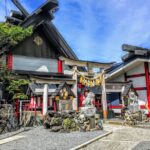
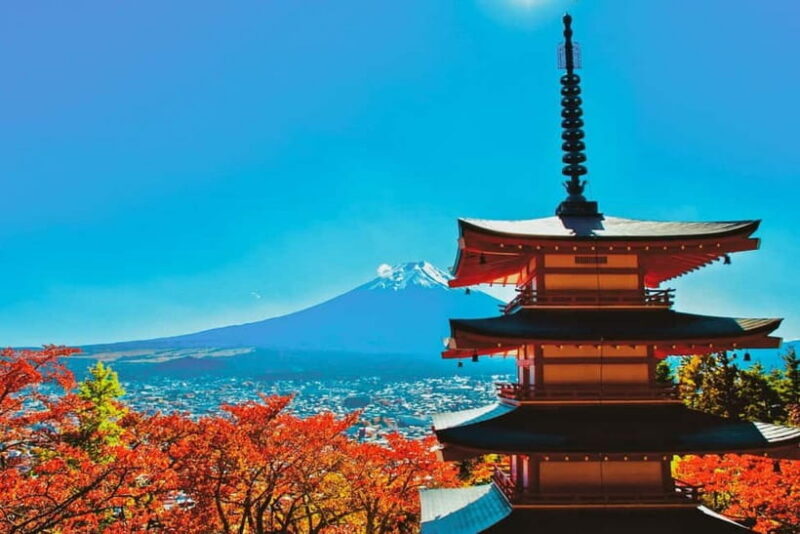
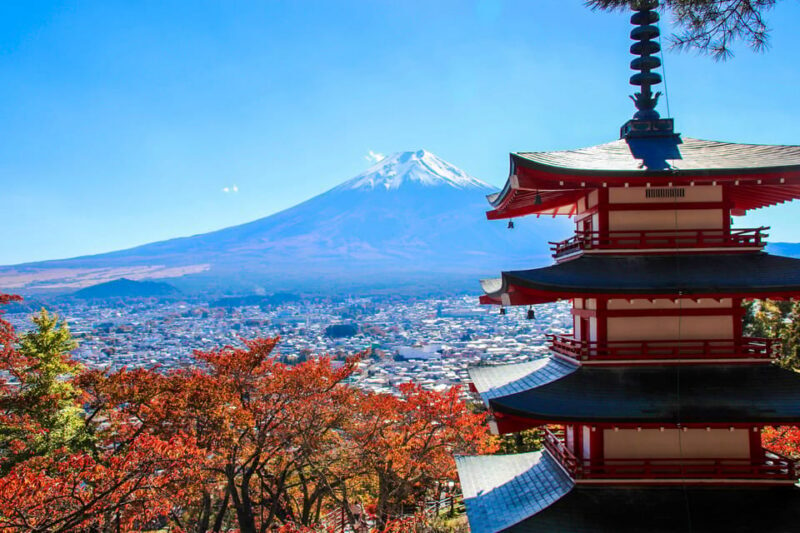
The day’s most famous view is at Arakurayama Sengen Park: Mt. Fuji framed with the red five-story Chureito Pagoda. In spring, cherry trees add another layer to the scene. Around 650 trees bloom here, usually from late March to mid-April, when the park’s Cherry Blossom Festival draws crowds.
The observation deck is reached by climbing 398 stone steps from the park entrance. That climb is a real consideration, particularly if you have limited mobility or would rather save your legs for later. A sloped route is available, according to one account of the visit, but allow time and energy for the ascent either way. The tour groups the park, shrine, and pagoda area into a visit of about 70 minutes, so you may need to choose between lingering at the lookout and exploring the rest.
The view changes with the season. Cherry blossoms make spring the celebrated time, while autumn brings red and gold leaves against the pagoda and, when conditions are clear, Mt. Fuji’s snow-covered peak. In other months, the site is still worthwhile for its high vantage point, but the famous seasonal frame will not be there.
Nearby Hikawa Clock Shop is another photo stop, with a street view that lines up Mt. Fuji in the distance. It is a useful reminder that the area’s scenery is not confined to formal parks. Keep your camera ready, but be considerate around local streets and shops: this is a lived-in town as well as a picture stop.
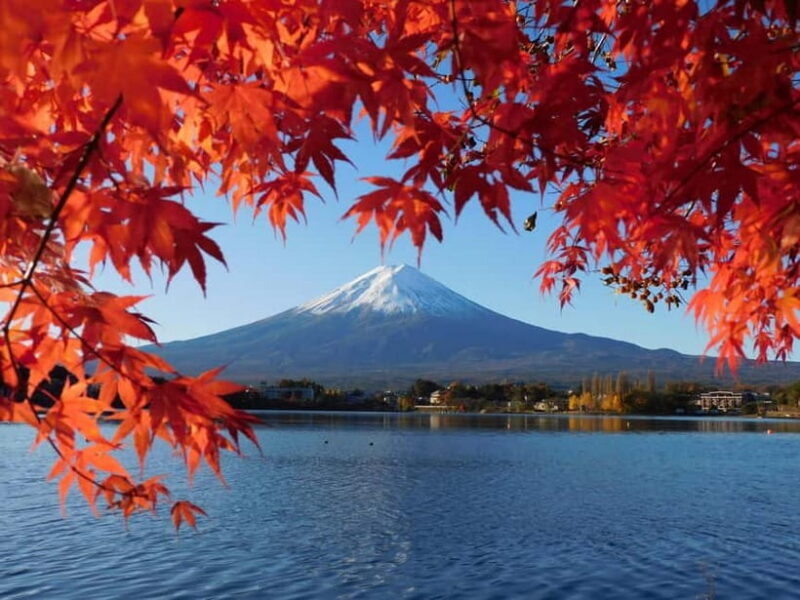
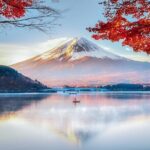
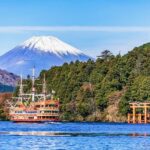
Lake Kawaguchi is the day’s main pause, with about two hours listed for the lake area. The exact balance between walking, lunch, and nearby stops depends on the day’s schedule. This is where you can slow down a little, browse local shops, or head toward the water for the classic view of Mt. Fuji reflected in the lake.
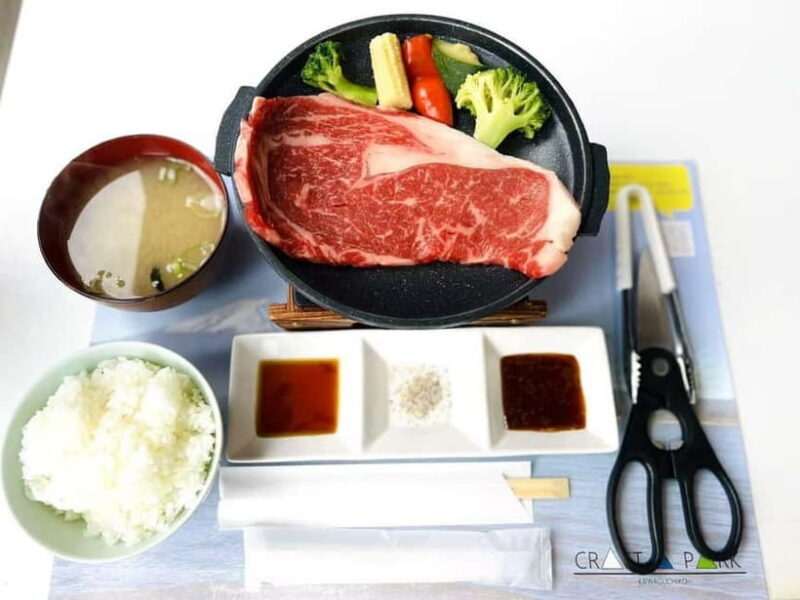
Kawaguchiko Craft Park brings dining, shopping, and hands-on craft activities together near the northern shore. Its open-air seating and dining spaces make it a pleasant place to eat when the weather cooperates, while its souvenir area carries local goods and limited-edition items. The lakeside is only a few minutes’ walk away. It is worth making that short walk if time allows, since the view from beside the water feels different from a framed park lookout.
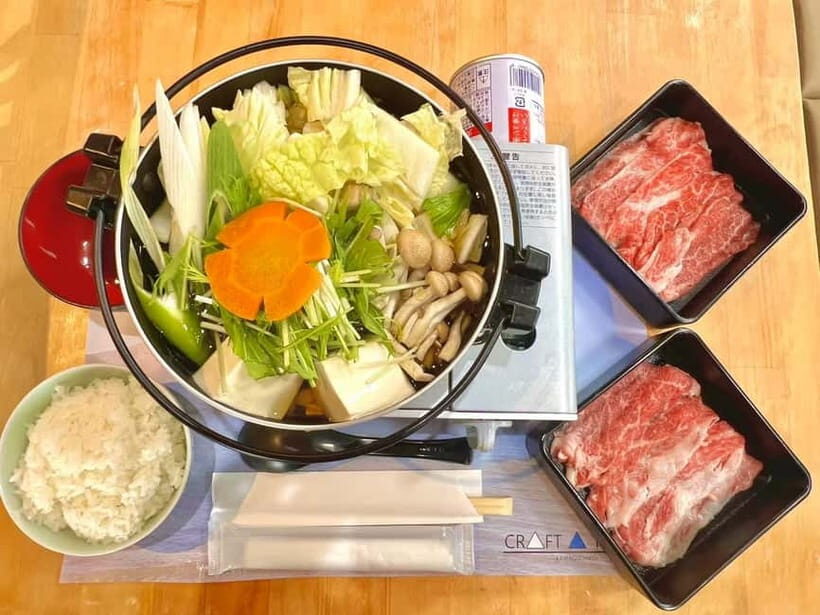
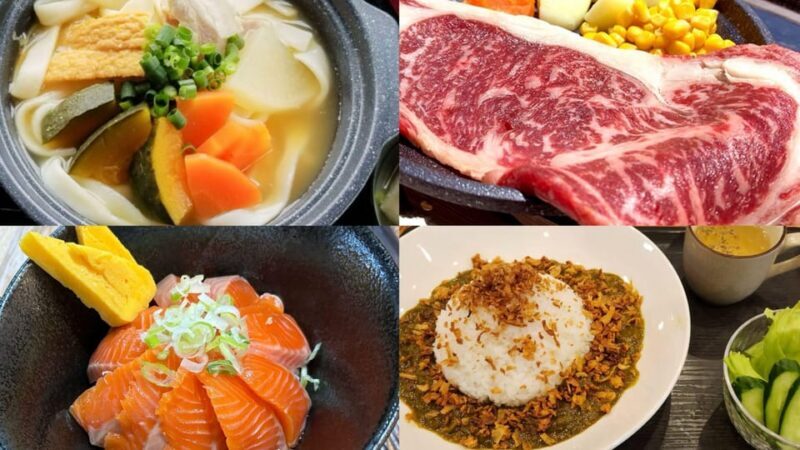
Lunch is a choice, not a guaranteed part of the base fare. Options include A5-grade Japanese black Wagyu shabu-shabu, Koshu wine beef steak, and houtou, thick noodles simmered with vegetables and chicken in miso broth. Houtou is the most local-sounding choice, and it makes a filling meal before the rest of the stops. A vegan lunch option has been available on at least one departure, but dietary arrangements should be confirmed before booking rather than left to chance.
There are also seasonal reasons to linger. Cherry blossoms line parts of the lakeside in spring, and the Maple Corridor nearby is known for autumn foliage. The Craft Park has workshops, but the listed stop time is zero hours, so do not book expecting a dedicated craft session. Treat the area primarily as a lunch, shopping, and lakeside break unless your guide confirms extra time.

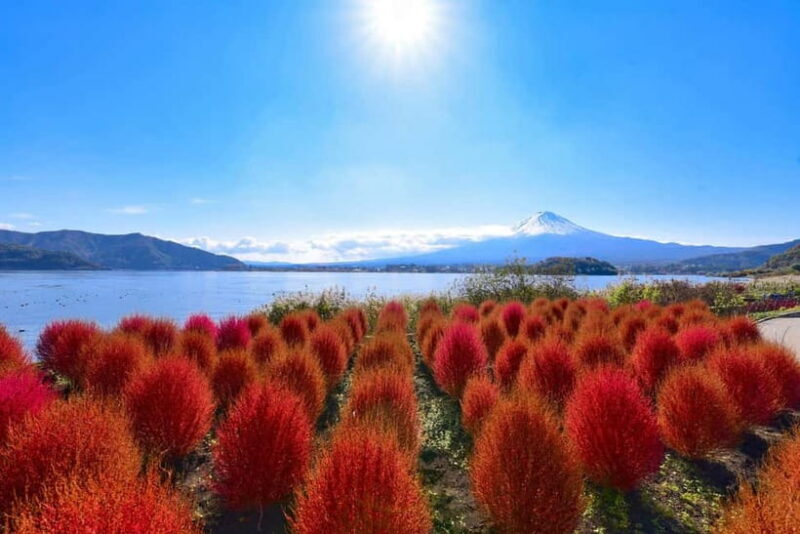
Oishi Park is one of the strongest stops for a broad view of Mt. Fuji and Lake Kawaguchi together. Along the shore, a 350-meter Flower Road changes through the year: tulips in spring, lavender in summer, and kochia in autumn. The Kawaguchiko Herb Festival, usually held from late June to mid-July, brings purple lavender into the foreground.
The stop is listed as about 30 minutes, enough for a walk, photos, and a short pause, but not a long visit. If the mountain is clear, this is a fine place to compare the lake-and-Fuji view with the pagoda scene from earlier. If clouds cover the peak, the seasonal planting still gives the stop its own appeal.
More Great Tours Nearby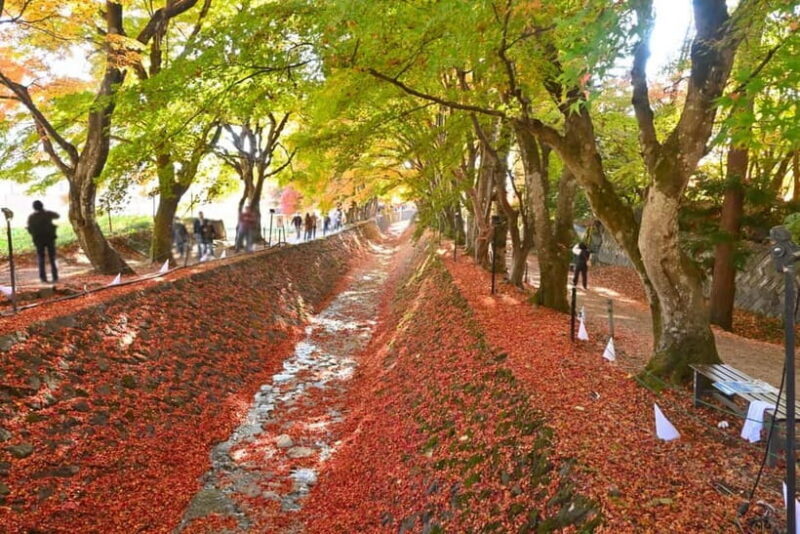
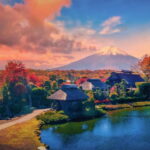
The final major stop is Saiko Iyashi-no-Sato Nenba, a restored village beside Lake Saiko. Its roughly 20 thatched-roof houses recall the traditional farmhouses of Shirakawa-go. Today the buildings serve as craft studios, shops, and eateries, so you can browse and get a sense of rural architecture without treating the place as a museum behind glass.
Admission is included, and the visit is listed at about 50 minutes. That is enough to walk through the village and look inside some of the spaces, but it may feel short if you want to shop, eat, or try a craft activity. Kimono and ninja outfits are available for photographs at the village, with Mt. Fuji as a possible background when visibility permits.
The setting changes through the year. Spring brings blossoms and carp streamers, summer offers green surroundings, autumn brings colored leaves, and winter can bring snow. This stop adds welcome variety to a day otherwise centered on lake views and photo points. If you like traditional buildings and local crafts, it may become a highlight; if you prefer long, unhurried visits, you may wish it had more time.
The tour uses air-conditioned vehicles and includes a live guide in English or Chinese. The guide and driver can make a big difference on a day with several stops and a long return drive. Guides named on different departures include Koji, Omar, Eric, George, and Sumi. Their styles vary, but the strongest accounts describe clear meeting instructions, humor, helpful local context, and practical communication when traffic changes the plan.
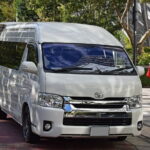
The vehicle size may vary with the number of people and conditions on the day. Visitors booked in different languages may also share a vehicle, so the language arrangement may not feel like a private tour. The guide provides context and directions, while much of the time at each attraction is free time to explore on your own.
The day starts from one of two possible meeting points, depending on the option booked, and ends at Shinjuku Station. Arrive at the assigned meeting point 10 minutes early. The bus leaves on time, and delays from traffic or other unexpected events can lead to shorter stops. The drive back to Tokyo can be slow, so avoid planning a tight connection or evening commitment.
There is walking at nearly every stop, especially at Arakurayama. If you need to leave the group early, tell the guide on the day and complete the departure form. That is a useful option, but it is better to make the plan clear before setting off.
I would book this tour if you want to see several sides of the Fuji area in one day without handling transport and route planning yourself. The strongest reasons are the range of viewpoints, the included village entry, a proper lakeside break, and a guide who keeps the moving parts organized. At $54, it is good value if you use the stops and do not expect a private or leisurely pace.
Book with realistic expectations about visibility and time. Clouds can hide Mt. Fuji, and traffic can cut into stops; neither is within the operator’s control. If seeing the mountain is your only goal, be prepared for the risk. If you also enjoy lakeside scenery, seasonal flowers, local food, and a traditional village, the day has more to offer even when Fuji stays under cover.
“It was really good value for money and the hi light would be going down to the lake facing Mt Fuji. The whole day was very well organised from star…”
The tour lasts 10 hours. Traffic or other unexpected delays can change how long you spend at individual stops.
Live guides are available in English and Chinese. People booked in different languages may be combined in one vehicle on some departures.
Lunch is included only if you select the lunch option. Choices listed include A5-grade Japanese black Wagyu shabu-shabu, Koshu wine beef steak, and houtou noodles.
Admission to Saiko Iyashi-no-Sato Nenba is included. Other inclusions listed are air-conditioned transport and a tour guide.
Arakurayama Sengen Park is listed at about 70 minutes, Lake Kawaguchi at about two hours, Oishi Park at about 30 minutes, and Saiko Iyashi-no-Sato Nenba at about 50 minutes. Traffic can affect stop times.
No. Mt. Fuji can be obscured by clouds or rain, so a clear view cannot be guaranteed.
The meeting point depends on the option booked, with two possible starting locations. The tour finishes at Shinjuku Station.
You can check availability for your dates here: