Physical Address
304 North Cardinal St.
Dorchester Center, MA 02124
Physical Address
304 North Cardinal St.
Dorchester Center, MA 02124

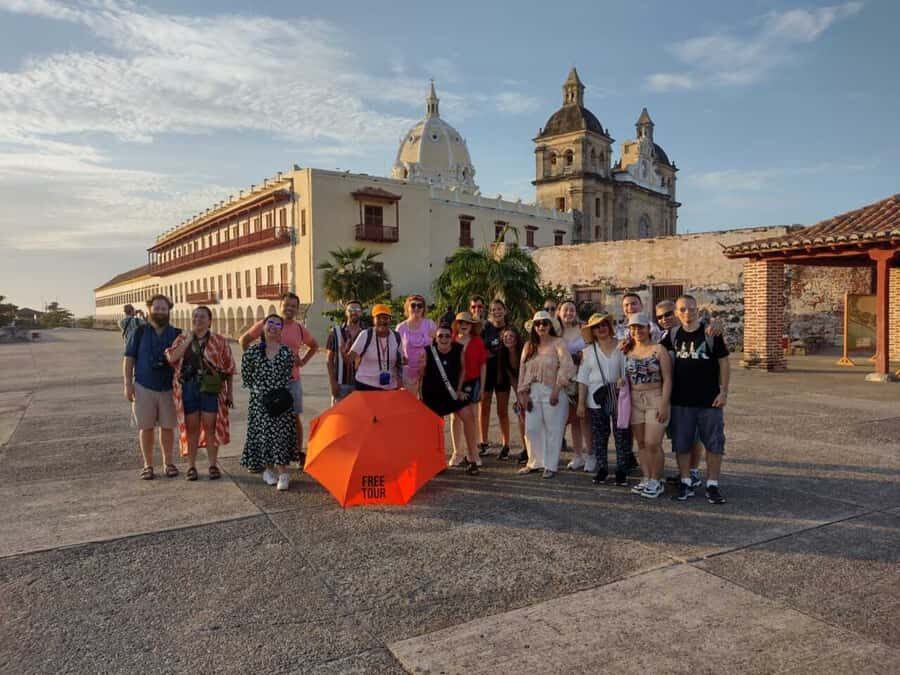
Walk Cartagena’s Walled City and Getsemaní with a local guide, tracing colonial history, independence, African heritage, street art, salsa, and champeta.
Cartagena’s walls tell a story of defense, but the streets inside them hold harder stories too: conquest, enslavement, independence, and the cultures that shaped the city afterward. This shared walking tour connects those chapters with landmarks in the Walled City and a final stretch through Getsemaní, where music, murals, and everyday life bring the past into the present.
I like that the tour treats history as more than a parade of dates, linking places such as San Pedro Claver’s church and the old customs square to Cartagena’s colonial economy. I also like that it continues into Getsemaní, with its street art and cultural ties to salsa and champeta, rather than stopping at the postcard streets.
One thing to plan for: Cartagena’s heat can make a long walk tiring, especially in the afternoon. Guides including Robert and Dani have been praised for seeking shade, but bring water and sun protection anyway. The stated duration is 150 minutes, though the route breakdown describes two hours in the Historic Center and one hour in Getsemaní, so check the start time and expected finish when booking.
This is a useful first activity in Cartagena because the city’s beauty can distract you from the history beneath it. A balcony, church, or stretch of wall looks different once you know what it was built to protect, who lived and worked nearby, and whose labor helped create the colonial city.
The tour begins in the Historic Center and continues into Getsemaní. Along the way, your guide explains the city’s Indigenous roots, Spanish conquest, colonial rule, the slave trade, independence, and the cultural mix that shapes Cartagena today. The route also brings in Gabriel García Márquez, including references to One Hundred Years of Solitude, as a way to connect the city’s stories and myths with its literary life.
You are joining a shared walking tour, not hiring a private guide, so expect to move with a group and listen at outdoor stops. Guides vary by departure. Names who have led recent tours include Dani or Daniela, Legacy, Robert, Alvaro David, Liz, Ingrid, and Rebeca. Their styles differ, but the tour’s strengths are clear: history explained in lively terms, room for questions, and a personal sense of local pride.
You can check availability for your dates here: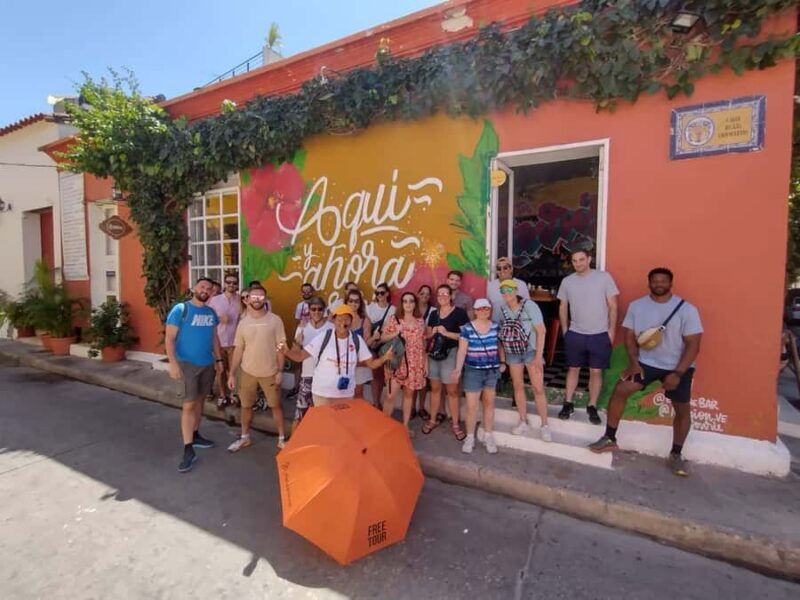
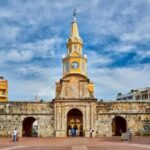
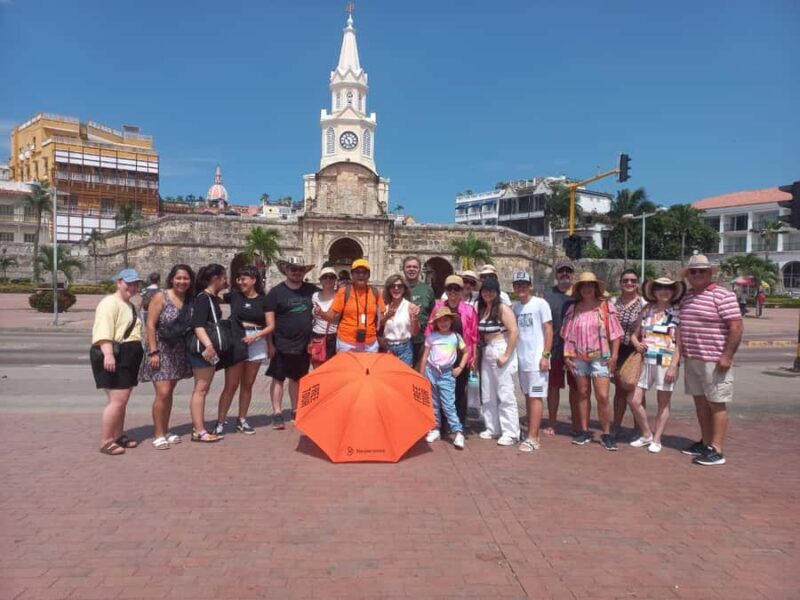
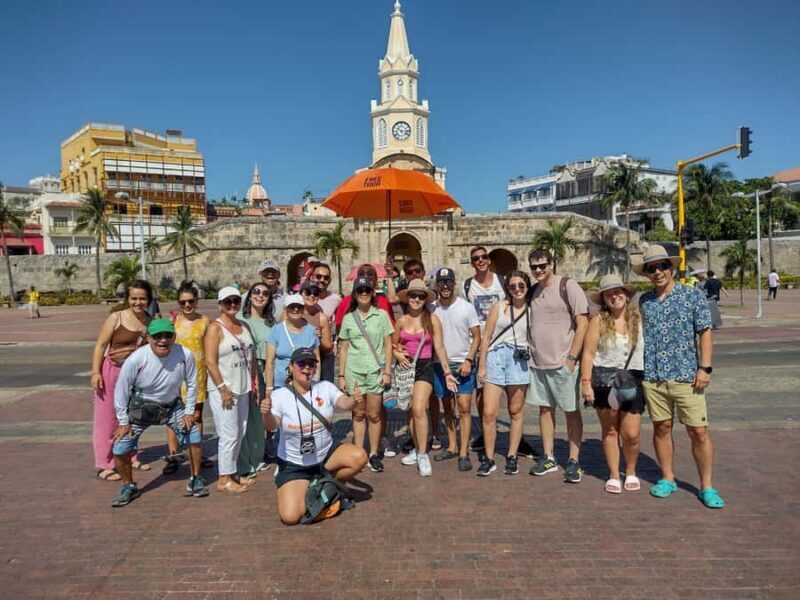
The meeting point is Plaza Cervantes, at the Camellón de los Mártires, in front of the Clock Tower. Look for the orange umbrella. The opening stop introduces the Indigenous people who lived in the area before and during the arrival of the Spanish, giving you an early reminder that Cartagena’s story did not begin with the colonial buildings.
From there, the route heads toward the Clock Tower, known as the Golden Key of Cartagena, and into Plaza del Ecuador, formerly called Plaza del Esclavo. The next streets, including Porto Carrero and Candilejo, are tied to the route of enslavement. These names and places can be easy to pass without context, so hearing their history on site adds weight to what might otherwise look like a pleasant stroll.
Pedro de Heredia, the Spanish founder of Cartagena, enters the story here. The point is not to admire a founder without question, but to understand the people and power involved in the city’s creation. A good guide helps you read the streets as evidence, not just scenery.
If you enjoy exploring Cartagena on foot, these walking tours might also suit your style
The Portal de los Dulces connects the city’s past with traditions that continue today. The tour explains the role of women during slavery and how their descendants have carried on food-selling traditions. It is a compact but meaningful stop: Cartagena’s history is not only held in monuments, but also in work, family knowledge, and daily commerce.
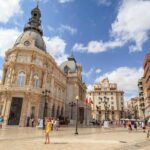
At the old Plaza de la Aduana, the conversation turns to the trade that passed through Cartagena, including the trade in enslaved people. The square’s buildings, among them the Municipal Hall, offer a setting for discussing the city’s role as a center of commerce under Spanish rule. The contrast between the handsome architecture and the human cost of that economy deserves a thoughtful pause.
The tour also passes cultural institutions connected with Caribbean and Latin American art, Indigenous goldwork, and emeralds. The Museum of Modern Art represents art from the 1950s onward; the Gold Museum displays Indigenous pieces from the Colombian Caribbean; and the Emerald Museum focuses on the stones for which Colombia is known. The itinerary does not promise admission to each museum, so treat these as places and collections introduced along the route rather than assume you will have time for a full visit.
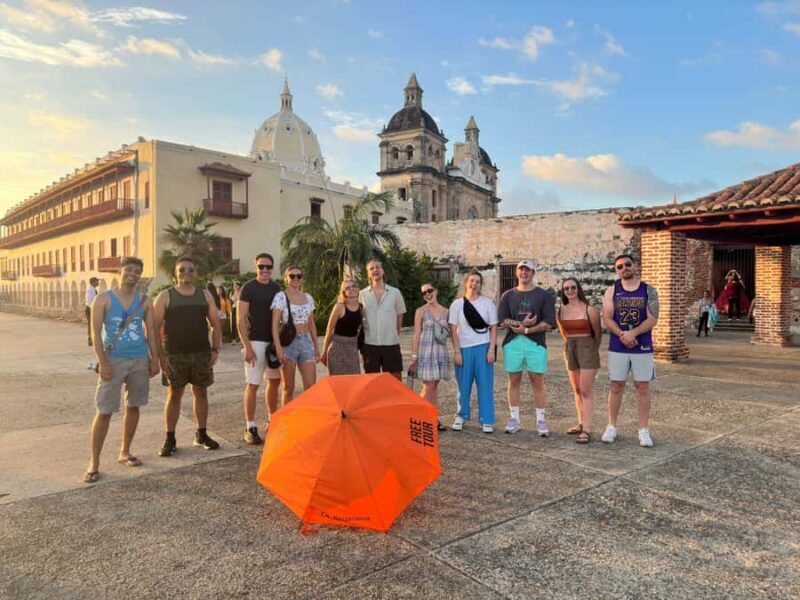
San Pedro Claver’s church and monastery bring the tour to one of Cartagena’s most important religious and human-rights sites. Claver is remembered as the Slave of the Slaves for his work among enslaved people. The church’s architecture and the museum-monastery bearing his name provide a setting for discussing faith, colonial power, and the lives of people who were denied freedom.
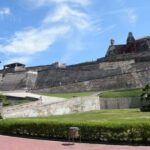
The route then reaches the San Ignacio Bastion, built to defend the Bay of Souls. Here the walls become more than a photogenic backdrop. Your guide explains the Spanish military defenses and the threat of pirates and corsairs, placing the city’s fortifications in the wider contest over trade and control of the Caribbean.
The historic defenses are among the tour’s most useful lessons. Cartagena’s walls were built to protect a valuable port, and their scale makes more sense once you hear what the city was guarding. If you are especially interested in military architecture, this walk gives you an introduction; it is not a substitute for a dedicated visit to every fortification.
Plaza Bolívar offers another change of scene, with the square honoring a leading figure in the independence movement. The tour uses the stop to explain the break from Spanish rule and the people who shaped it. It also gives the group a chance to pause and refresh, though food and drinks are not included.
Next comes Centennial Park, described as one of Cartagena’s important green spaces and a remnant of tropical dry forest. The park occupies the site of a former railway station, adding another layer to its history. Its shade can be welcome after walking through exposed streets, and guides have been praised for positioning groups in cooler spots where possible.
Keep an eye out for the park’s animal life. Sloths, squirrels, and iguanas are specifically mentioned as possible sights, and monkeys have also been spotted on the route. They are a bonus, not a guaranteed show; enjoy them if they appear, but don’t plan the tour around wildlife.
More Great Tours Nearby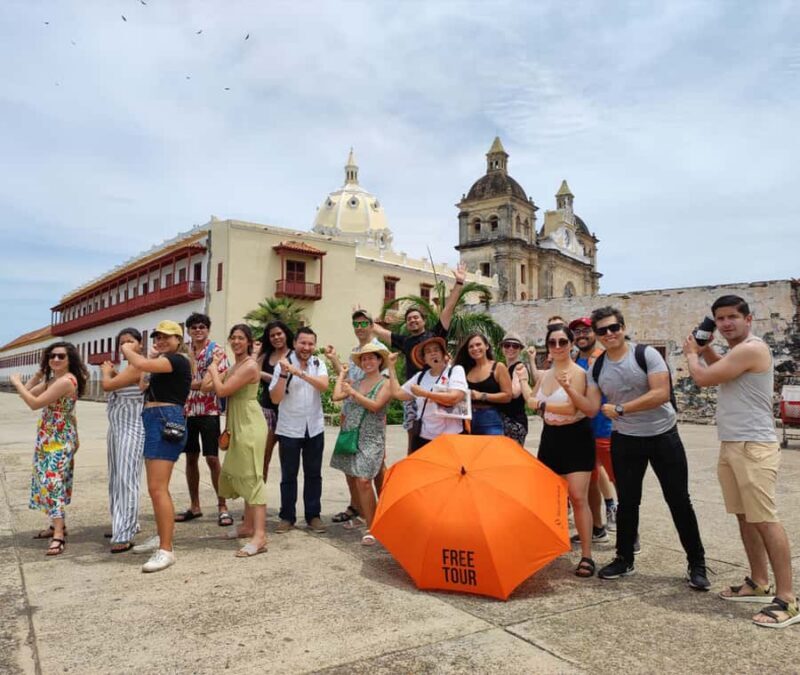
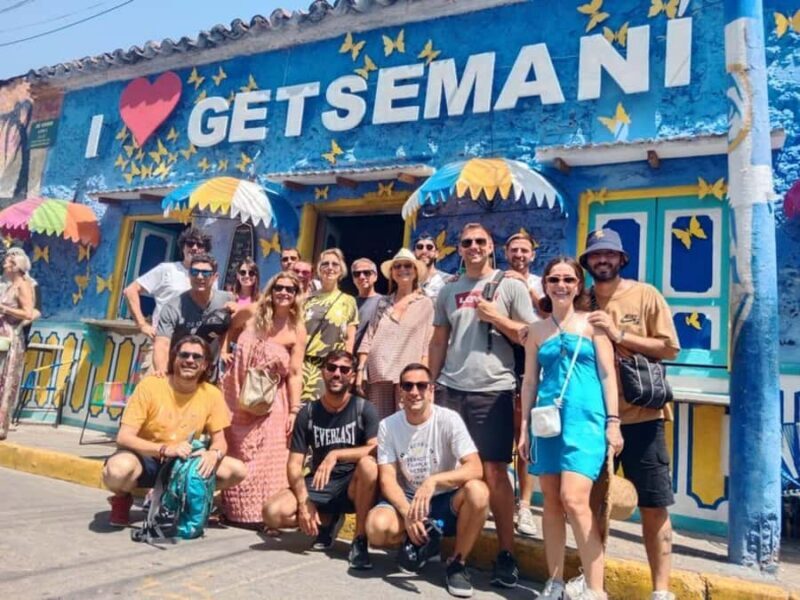
The walk ends in Getsemaní, a neighborhood with a different feel from the grand plazas and defensive walls of the Historic Center. The route includes a colorful cultural corridor marked by umbrellas, graffiti, and distinctive architecture. These details are not merely decoration. They help introduce the neighborhood’s identity and its place in Cartagena’s changing social order.
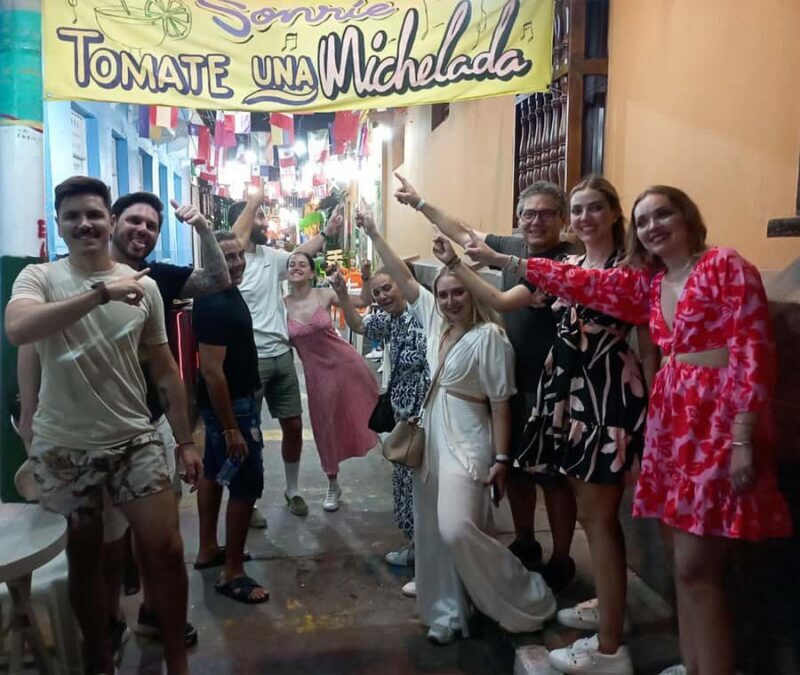
The tour continues along Callejón Ancho toward Calle San Juan, with salsa and champeta as part of the closing discussion. Salsa has a broad place in the region’s musical life, while champeta carries African and Caribbean influences that are especially important to Cartagena’s cultural story. Some guides make the connection physical by teaching a few dance steps. Dani, for instance, has led groups in dancing during the walk, and other guides have added an interactive rhythm break.
You may also hear about African braiding traditions and their links to freedom and cultural identity. That history is a powerful counterpoint to the earlier stops about slavery. It shows how people preserved and reshaped culture under brutal conditions, and how those traditions continue to matter.
History buffs will find these Cartagena heritage tours enlightening
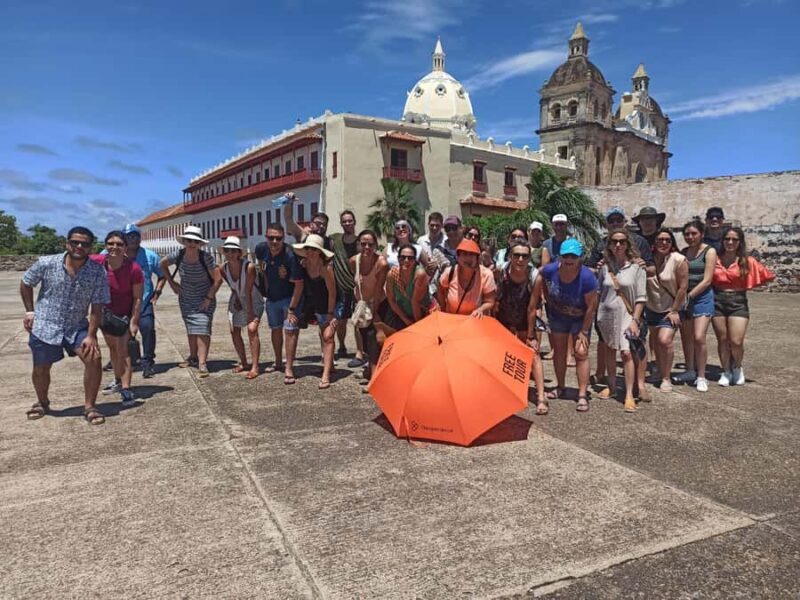
The guide makes a real difference on a route with this much history. Dani and Daniela are known for lively, interactive delivery, sometimes including dance. Legacy brings humor and historical detail, while Robert has been praised for practical advice about places to eat and drink. Alvaro David has led tours focused on the city’s history and everyday life, and guides such as Liz, Ingrid, and Rebeca have also led English- or Spanish-language outings.
Those names are examples, not a promise about who will lead your departure. You can choose between English and Spanish, but the specific guide depends on the tour time. If you have questions about pace or language, check the available departure details before booking.
A useful guide does more than recite facts. The strongest moments come when history connects to the street in front of you, or when the guide explains customs and local life in a way that helps you make sense of what you see. Some guides also share restaurant suggestions and everyday tourist tips. Treat those as helpful starting points, not as a complete dining guide.
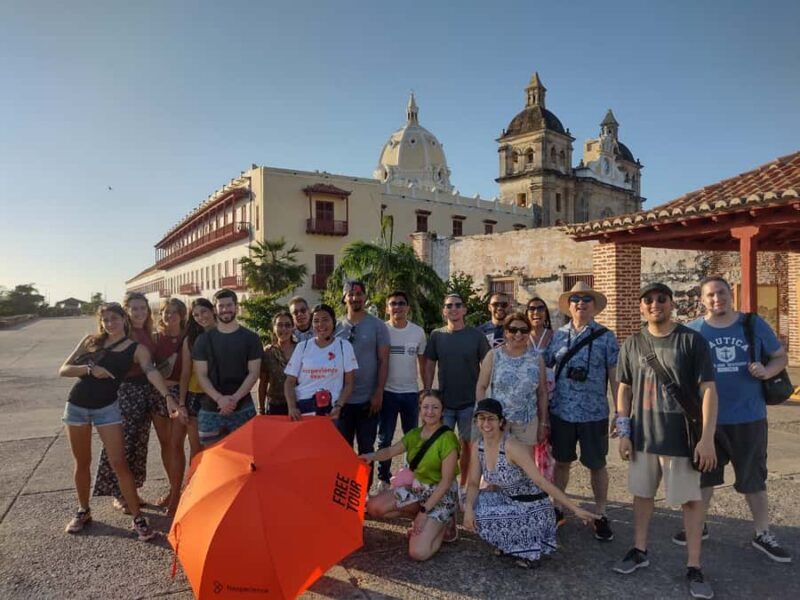
At $12 per person, this walk offers good value if you want a broad introduction before exploring Cartagena on your own. You get a professional guide for both the Walled City and Getsemaní, plus a route that covers history, architecture, music, and local customs. The price is especially reasonable if you make use of the context afterward, when revisiting a church, plaza, museum, or neighborhood.
The tour is described as a free walking tour with the tip already paid. In other words, the listed price covers the guiding arrangement, and you do not need to arrive expecting a separate tip payment. Food, drinks, and hotel pickup or drop-off are not included, so meet at Plaza Cervantes and plan your own refreshments.
The route takes about two and a half hours according to the stated duration. However, its breakdown assigns two hours to the Historic Center and one hour to Getsemaní, which would total three hours. Because the figures do not match, confirm the expected duration for your chosen departure. Either way, allow time afterward rather than scheduling a tight connection.
Wear comfortable shoes and clothes suited to the weather, and bring sunscreen and water. The route is outdoors, and the heat can be a factor. Some guides work hard to find shade, but you will still spend time walking and standing. Wheelchair access is listed, though the information provided does not describe the route surface or any access limitations, so ask the operator for specifics if those details matter to you.
I would book this early in a Cartagena stay if you want an understandable framework for the city. The route balances major landmarks with difficult history, and Getsemaní broadens the picture beyond the Walled City’s polished facades. It suits first-time visitors, history and culture fans, and anyone who prefers local explanation to wandering without context.
Families may also find it workable: one family brought a two-year-old, and a guide checked in to make sure the child and parents were doing well. Still, it is a long outdoor walk, so consider your child’s patience and the heat. The tour is shared, and the pace needs to work for the group.
If your main goal is indoor museum time, an in-depth study of one monument, or a private pace, this is not the best fit. Nor is it ideal if you dislike walking in warm weather. But for a modest price, a solid city overview, and a route that connects colonial history to music and neighborhood life, it is a strong choice. Book it if you want to understand Cartagena as well as see it.
“Alvaro was very knowledge about Cartagena Historic events. He let us know what to expect from Cartagenians and show us every place with an inspirat…”
The price is $12 per person. The tip is already paid as part of the walking tour arrangement.
The stated duration is 150 minutes. The route breakdown lists two hours in the Historic Center and one hour in Getsemaní, so check the expected finish time for your departure.
Meet at Plaza Cervantes, at Camellón de los Mártires, in front of the Clock Tower. Look for the orange umbrella.
It covers Cartagena’s Historic Center, including the Walled City, and continues into Getsemaní.
The tour is offered in English and Spanish. Check the available departure when choosing a language.
No. Hotel pickup and drop-off are not included. You meet the group at Plaza Cervantes.
No. Food and drinks are not included in the tour price.
Wear comfortable shoes and clothes suited to the weather. Bring sunscreen and weather-appropriate clothing; water is also a sensible choice for the walk.
Wheelchair accessibility is listed for the activity. The route details do not specify surfaces or access conditions, so contact the operator if you need more information.
Yes. You can cancel up to 24 hours in advance for a full refund. Booking also offers a reserve-now, pay-later option.
You can check availability for your dates here: