Physical Address
304 North Cardinal St.
Dorchester Center, MA 02124
Physical Address
304 North Cardinal St.
Dorchester Center, MA 02124

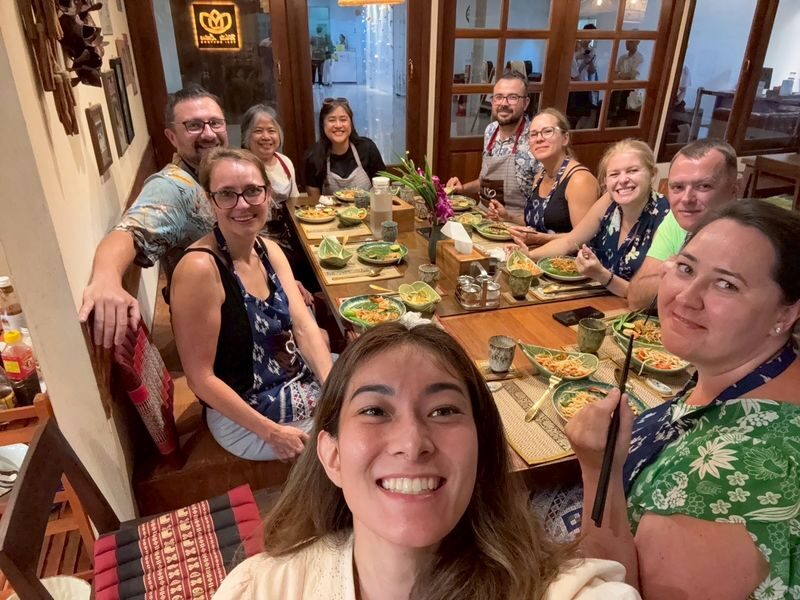
Cook four Thai classics at White Lotus in Bangkok, with a flower-market walk, ingredient lessons, and a hands-on class in a clean, open-air kitchen.
At White Lotus, a Bangkok market walk leads straight into a hands-on Thai cooking class. You’ll learn to spot herbs and produce at Pak Klong Talad, then prepare four dishes in a traditional, open-air kitchen above the market. It’s a useful way to connect the flavors on your plate with the ingredients and daily routines behind them.
I like two things in particular: the market visit gives the class a real sense of place, and you make a full meal rather than watching someone else cook. Instructors such as Jeab, Jasmine, and Poon are praised for clear, patient teaching, and you can adjust the chili to suit your taste.
One consideration: this is a half-day activity, not a quick kitchen demo, and the school can be tricky to spot inside the market complex. If you skip the market tour, you can wait at the school, but you’ll miss a useful introduction to the ingredients.
Key points
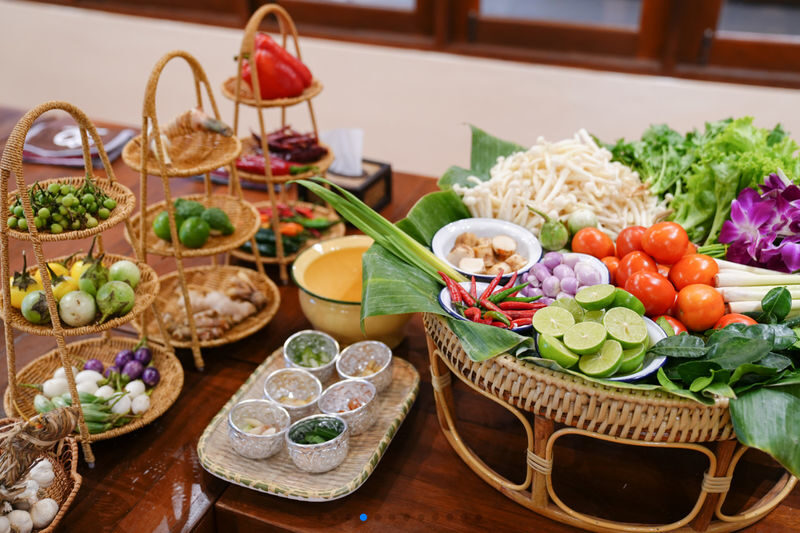
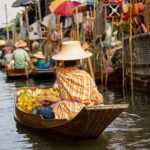
The class begins with a guided walk through Pak Klong Talad, Bangkok’s flower market, which also sells fruit and vegetables. Rather than starting with a tray of pre-measured ingredients, you first see the raw materials in their natural setting and learn how to choose fresh produce for the recipes ahead.
This is a practical introduction, not just a photo stop. Your guide points out ingredients used in Thai cooking, and the market offers a glimpse of how flowers and food move through local life. One instructor-led walk also covers flowers and betel nuts used in offerings, adding a cultural layer to what might otherwise look like a colorful shopping trip.
Expect a sensory start: flowers, fruit, vegetables, and the activity of a working market. It can be busy, so wear comfortable shoes and keep your belongings close. If you prefer not to join the walk, the school says you may wait there instead. That saves time and walking, but you lose the ingredient context that makes the cooking session more meaningful.
The school sits on the second floor of the market complex at Pak Klong Talad. It is not a street-level storefront, so give yourself time to find the entrance and escalator. From Sanam Chai MRT, use Exit 5, cross the canal bridge toward the 7-Eleven on Chakkraphet Road, then continue about 60 meters to a yellow archway on your right. Enter and take the escalator to the second floor. From Rajini Pier, follow the same walking route.
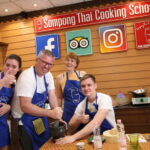
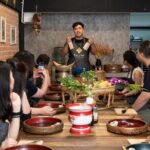
Back at the school, you’re welcomed with a drink before the instructor introduces common Thai herbs and spices. That short orientation is valuable: many ingredients have unfamiliar names or scents, and knowing what they do helps you understand how Thai dishes balance sour, salty, sweet, and spicy flavors.
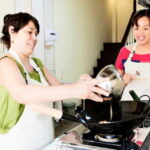
The teaching is hands-on and broken into clear steps. Instructors such as Jeab and Jasmine are praised for explaining techniques at an easy pace, while Poon and Chater are also among the teachers named by participants. The instructor on your date may vary, so treat those names as examples rather than a promise.
A useful feature is the chance to adjust chili and ingredients to your preference. If you’re wary of heat, say so before cooking begins. You are not locked into a one-size-fits-all spice level, and the teacher can explain what each addition contributes before you decide how much to use.
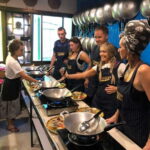
The kitchen is described as clean, bright, and well set up, with ingredients prepared for the class. That organization means you spend your time cooking rather than hunting for tools. Knives are sharp, so handle them carefully, especially if you’re cooking with children.
Want to bring Bangkok flavors home? These cooking classes could be just right
One of the first tasks is preparing coconut milk for the sweet sticky rice. It’s a small but useful detail: the dessert is not simply rice with mango placed on top. You learn part of the preparation that gives the rice its creamy sweetness, then later serve it with mango.
The menu combines a soup, a noodle dish, a salad, and dessert: Tom Yum Goong, Pad Thai, Som Tam, and mango sticky rice. Together, they show different sides of Thai cooking, from a hot, aromatic broth to the sharp, sweet-and-sour flavors of a cold salad. The precise order may vary, but you cook and eat each dish as it is made.
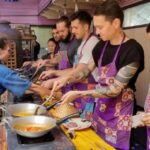
The class is set up so you can enjoy the food while it’s fresh and hot, rather than waiting until the end to eat everything at once. That makes the meal part of the lesson: you can taste how herbs, spices, and seasoning come together, then remember the result when you make the recipes at home.
The quantity is generous enough to serve as a full meal. Don’t plan on having a large lunch immediately afterward. If you’re keen to try every dish, pace yourself, especially once the Pad Thai and dessert arrive.
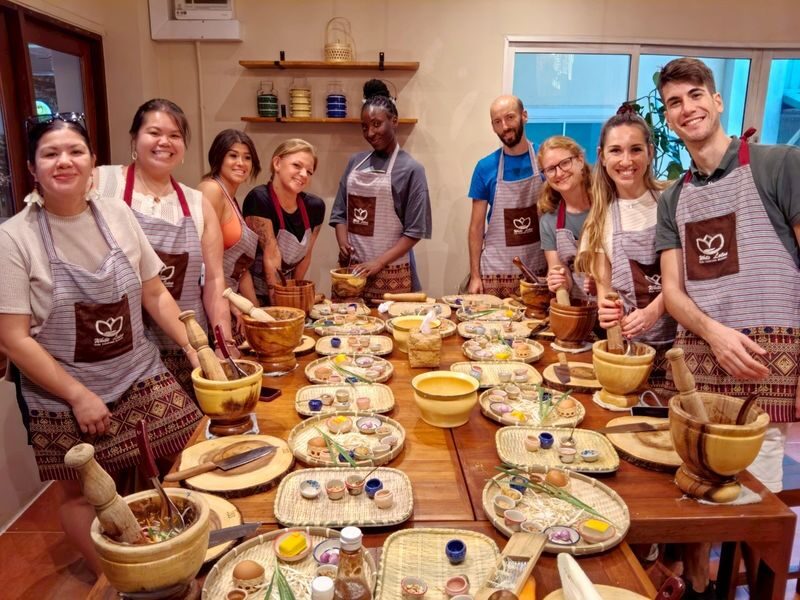
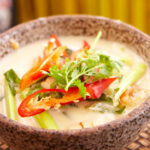
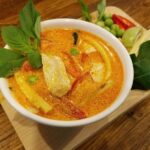
Tom Yum Goong is a highlight for anyone who wants to understand the fragrant, sour, spicy side of Thai food. You learn how ingredients build the soup’s aroma, rather than treating it as a single flavoring added at the end. The result is a useful lesson in balance, and you can moderate the heat.
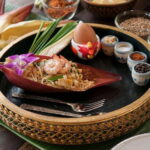
Pad Thai offers a more familiar entry point. You follow the instructor’s steps to prepare the noodles and other ingredients, including tofu. The class is designed for beginners, so you don’t need prior cooking experience or confidence with a wok to take part. If you’re tempted to improvise, first make sure you know how the stove works; one participant found it easier to stick to the teacher’s directions.
Som Tam brings a crisp, cool contrast to the soup and noodles. It is the salad course, with the characteristic sweet-and-sour profile of Thai food. If you have allergies or need to avoid specific ingredients, tell the school ahead of time so the team can accommodate your needs.
Mango sticky rice rounds out the menu. Since you’ve already prepared coconut milk for the rice, the dessert ties back to the class’s earlier work. It’s also a nice payoff after cooking several savory dishes, and a reminder that Thai meals rely on contrasting flavors and textures, not just chili.
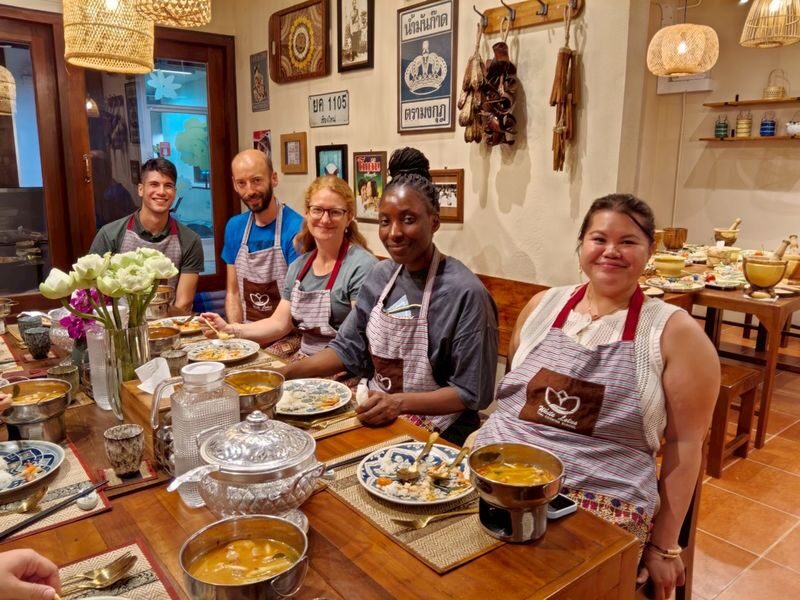
The flower element gives the class a distinctive finish. You learn to fold a white lotus, a flower with a place in Buddhist practice, and the activity offers a change of pace after the cooking. It’s a simple, hands-on cultural detail that fits the setting above Bangkok’s flower market.
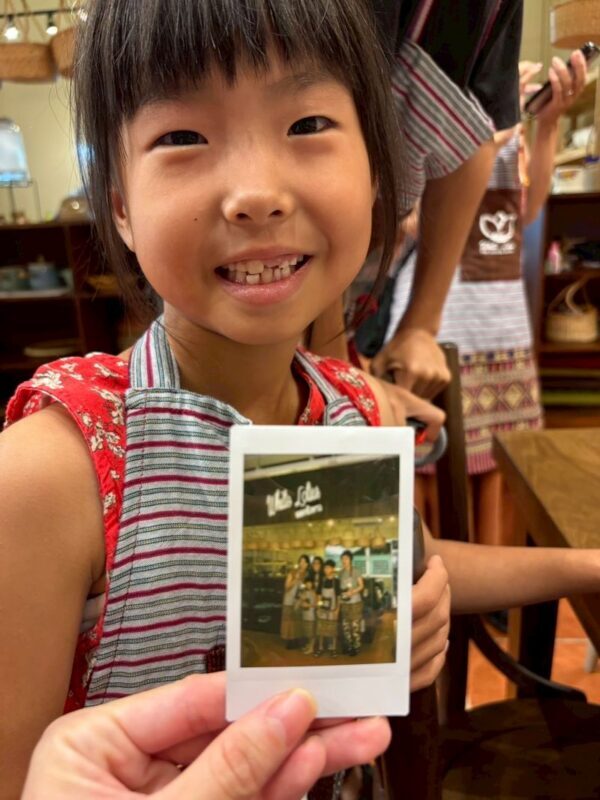
You also receive a recipe book and a cooking certificate. The recipes are the more practical keepsake: they help you recreate the dishes after the trip, when the ingredients and kitchen setup may be different. The certificate is a pleasant memento, especially for children or anyone who likes to mark a day’s activities.
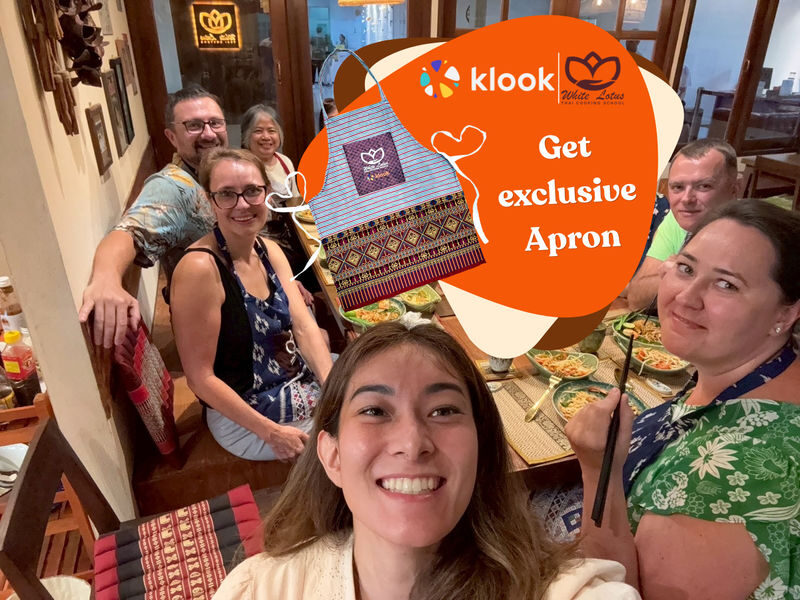
A co-branded apron is included with the Klook Exclusive bundle, not necessarily with every package. Check the option you choose before booking, since the standard market-tour class and the apron bundle have different prices.
The market-tour cooking class starts at $32.75. For that price, you get a guided market walk, English-speaking staff, ingredients, cooking instruction, four dishes, a recipe book, a certificate, and safety equipment. That is strong value if you want an activity that combines a meal with a practical introduction to Thai food.
Other listed options include an evening class from $32.79, a cooking class with apron bundle from $66.30, an evening apron bundle from $66.35, and a private class from $475.79. Prices can change, and the apron is a bundle extra rather than a standard inclusion. The private option costs much more, so it makes sense mainly if you specifically want a private lesson.
The value is not only in the food. You leave with a better sense of what went into the dishes and how to cook them, and the market walk gives context you won’t get from a restaurant meal alone. If your main goal is simply to eat Thai food, a cooking class takes more time than you need. If you enjoy learning by doing, the combination is worthwhile.
You might also be interested in these Bangkok experiences
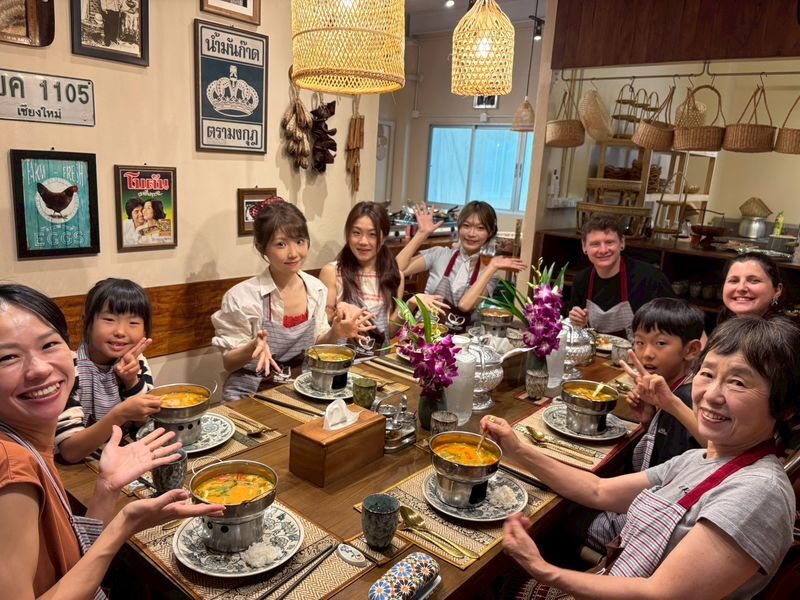
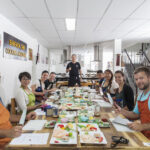
This class suits first-time visitors who want a hands-on introduction to Thai cuisine, as well as repeat visitors looking for an activity beyond temples and restaurants. It can also work well for solo participants: the class brings people together around shared cooking, and the friendly group setting is part of the appeal.
Families can take part, but children must be at least 1 year old. Children aged 6 and older pay the adult rate. If your group includes children, a pregnant person, or anyone aged 60 or above, notify the school in advance.
The school can accommodate vegetarian and vegan diets, lactose intolerance, gluten intolerance, and allergies. Tell the team about dietary needs before class so they can plan accordingly. If your concern is chili rather than an allergy, you can discuss the heat level with your instructor.
Allow a half day, and make the journey part of your plan. The school is near the Grand Palace, Chinatown, and Wat Arun, but traffic and the market’s second-floor location can complicate a tight schedule. Sanam Chai station is the simplest transit approach listed, and Rajini Pier is another option by Chao Phraya Express Boat.
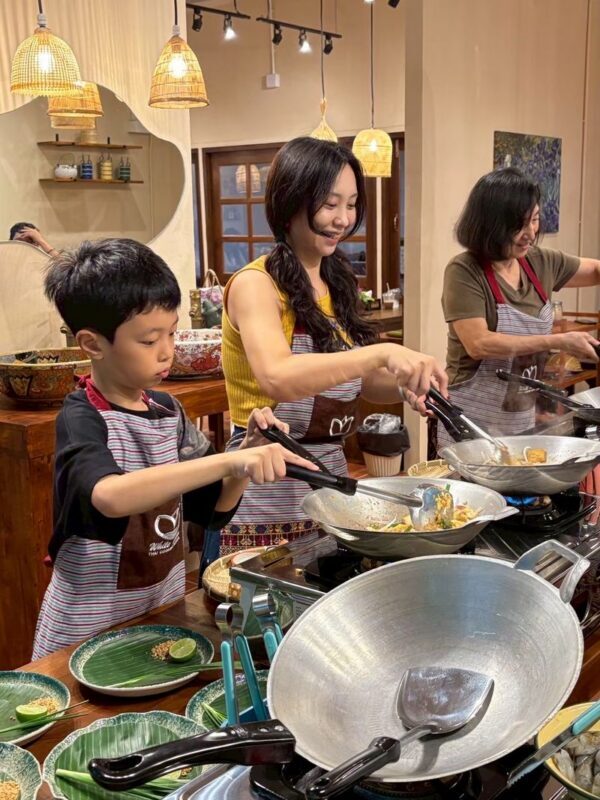
I’d book this if you want more than a recipe demonstration. The market walk, ingredient introduction, four dishes, and lotus folding make a satisfying half-day, while the low starting price gives you a lot for the cost. The most useful package for many people is the market-tour class, particularly if this is your first time exploring Thai ingredients.
Choose an evening class if that timing suits your day better, and select an apron bundle only if you want the included keepsake. Skip the market walk if you need to save time, but don’t underestimate its value: it connects the cooking lesson to the neighborhood and the ingredients. Give yourself extra time to find the school, and arrive ready to cook, eat, and take home recipes you can actually use.
“A very fun cooking experience 🥳 Happy 🥳”
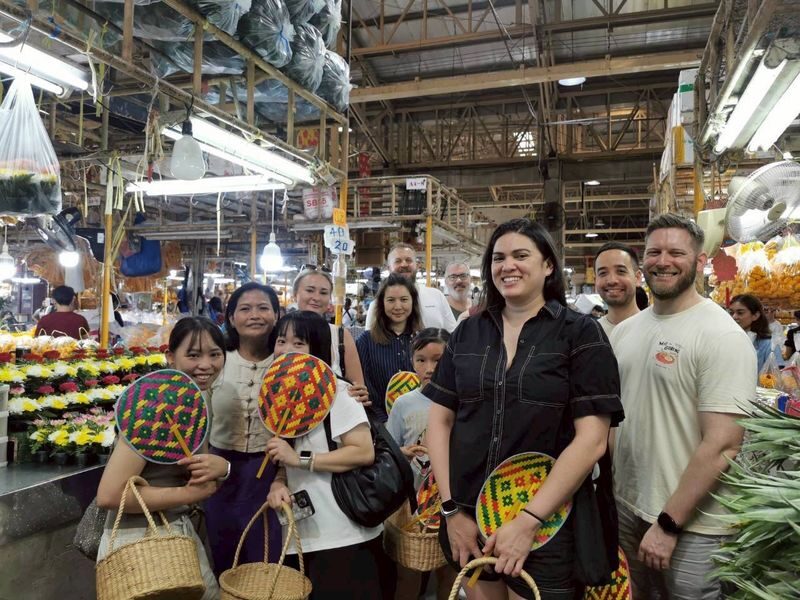
The menu includes Tom Yum Goong, Pad Thai, Som Tam, and mango sticky rice. You also prepare coconut milk for the sticky rice.
The Cooking Class with Market Tour package includes a guided visit to Pak Klong Talad. If you don’t want to join the tour, you can wait at the school.
White Lotus Thai Cooking and Flower Garland Class is at Pak Klong Talad, 2nd Floor, 390/18 Ban Mo, Wang Burapha Phirom, Phra Nakhon, Bangkok 10200.
Take the MRT to Sanam Chai Station, BL31, and use Exit 5. Cross the canal bridge, walk toward the 7-Eleven on Chakkraphet Road, continue about 60 meters to the yellow archway on your right, then take the escalator to the second floor.
Yes. Take the Chao Phraya Express Boat to Rajini Pier, then follow the same walking route as from Sanam Chai MRT station.
Participants must be at least 1 year old. Children aged 6 and older are charged the adult rate. Tell the school in advance if your group includes children.
The school can accommodate lactose intolerance, allergies, gluten intolerance, vegetarian diets, and vegan diets. Contact the school in advance about your requirements.
A co-branded apron is included with the Klook Exclusive cooking-class bundles. It is not listed as an inclusion for every package, so check your selected option.
The listed inclusions are the cooking class with market tour, English-speaking staff, ingredients, safety equipment, a recipe book, four Thai dishes, a cooking certificate, and an exclusive apron with the bundle option.
A full refund is available if you cancel at least 24 hours before the activity date, using the destination’s local time.