Physical Address
304 North Cardinal St.
Dorchester Center, MA 02124
Physical Address
304 North Cardinal St.
Dorchester Center, MA 02124

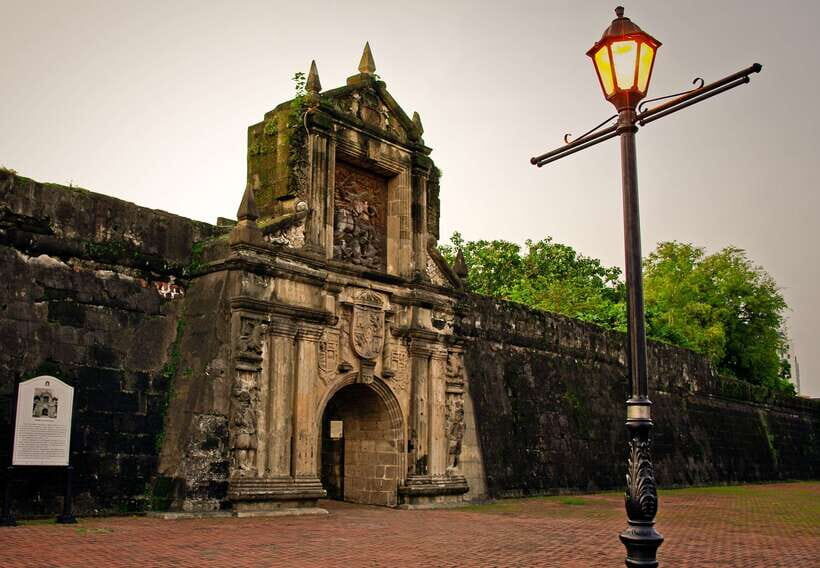
See Manila’s financial district, American Cemetery, Intramuros, Fort Santiago, and San Agustin Church on a guided four-hour city tour.
Manila’s story comes into focus when you see its sharp contrasts in one morning: Makati’s modern business district, the quiet American Cemetery, and the old stone walls of Intramuros. I like this tour’s mix of city eras and its strong history focus, with guides such as Omar, Fernando, Richard, and Stella bringing the past into the conversation.
The trade-off is time. Four hours is a useful introduction, not a leisurely exploration, and Manila traffic can stretch the schedule to about five hours. You’ll also walk on uneven streets and through historic sites, so wear comfortable shoes and leave your next appointment flexible.
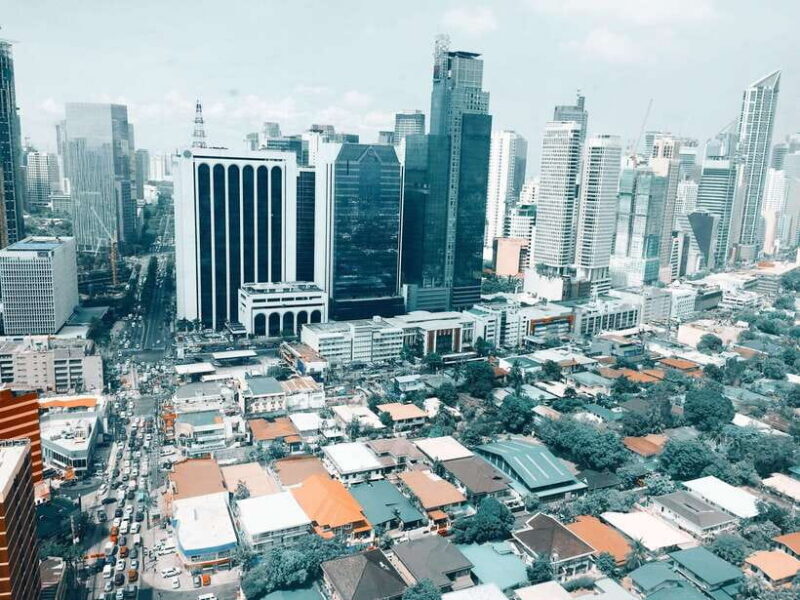
The tour starts in Makati, the country’s financial center, with a drive along Ayala Boulevard and past Nielsen’s Tower. From there, the route passes Forbes Park, an upscale residential area also known as Millionaire’s Row, before heading to the American Cemetery and Memorial.
This opening drive matters because Manila is not one tidy historic district. The modern commercial center and the old walled city sit within a larger, busy metropolis, and the shift between them helps explain the tour’s title. You’ll see a working city on the way to its monuments, rather than stepping straight from a hotel into a preserved historic quarter.
The scheduled drive along Ayala Boulevard takes about 45 minutes. That sounds long for a short city tour, but it includes the journey between districts and gives the guide time to talk about the city’s development. The air-conditioned van is a welcome break from the heat, particularly between outdoor walks.
The route also takes you along Roxas Boulevard, once known as Dewey Boulevard, toward Rizal Park and Intramuros. The drive is part of the experience, not empty time: you get a broad view of Manila’s changing character. Still, traffic is hard to predict. One tour ran close to five hours, so treat the advertised duration as an estimate rather than a firm finish time.
Looking to discover more of Manila? Consider these other city tour options
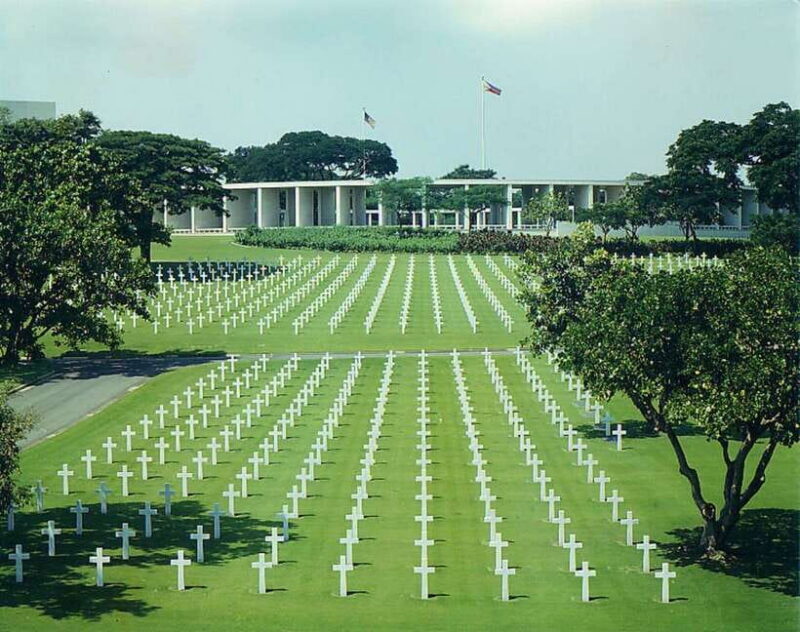
The American Cemetery and Memorial is the first major stop, with about 30 minutes for a guided visit, walking, and photos. It offers a very different mood from the crowded streets and traffic outside. The cemetery is described as the largest American memorial outside the continental United States, and the scale of the site gives this stop a solemn weight.
This is a place to slow down and listen. Your guide can provide context for the memorial and the history it recalls, while the walk gives you time to take in the grounds. The stop is not simply a photo opportunity; it adds a wartime chapter to a tour otherwise centered on the city’s Spanish colonial past and modern growth.
Thirty minutes is enough for an introduction, but not a long, self-guided visit. If you want to spend more time reading memorial details or walking at a slower pace, this tour’s schedule may feel brisk. The group needs to keep moving to reach the rest of the route.
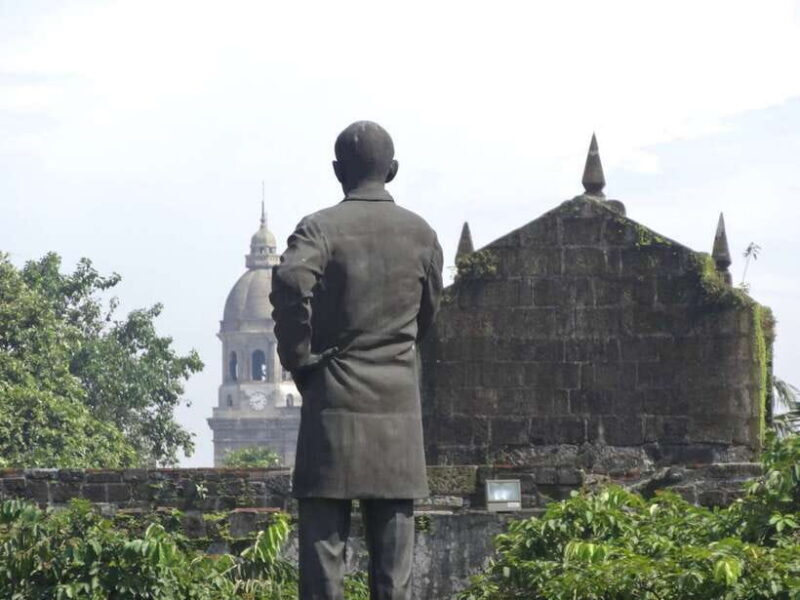
The tour next passes through Luneta Park, also called Rizal Park, with a scheduled 20-minute stop for a guided visit and photos. The park honors José Rizal, the national hero whose name comes up again at Fort Santiago. Seeing the park before the fortress helps connect the city’s landmarks to the people and events that shaped the Philippines.
The stop is brief, so think of it as an orientation rather than a park visit. You’ll get a look at an important public space and hear why it matters, but you won’t have much time to wander far from the group. If you have extra time in Manila, you can return independently for a longer visit.
From here, the tour heads into Intramuros, Manila’s Walled City. This is where the pace shifts from driving to walking. Expect old walls, church ruins, historic buildings, and cobbled streets, with the guide explaining the Spanish colonial period as you go. The city’s past is easier to picture here than from a van window, though the walking can be warm and the surfaces uneven.
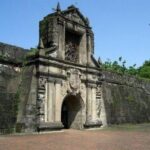
Fort Santiago gets about 45 minutes, including a guided walk and time for photos. The Spanish fortress guarded the entrance to the Pasig River, a strategic position that helps explain why it became such an important part of Manila’s defenses. Its walls and grounds give you a tangible sense of the colonial city’s military role.
The fort is also closely tied to José Rizal. He spent his final days here, and the site is associated with his writing of My Last Farewell. That personal story gives the visit more emotional force than a simple tour of old fortifications. Your guide can connect the place to Rizal’s role in Philippine history and the wider story of the Spanish period.
This is one of the tour’s longest stops, but 45 minutes still goes quickly. You’ll cover some ground on foot, so choose sturdy, comfortable shoes and be ready for steps or uneven areas. One visitor specifically noted that there is more walking at the fort than the air-conditioned van might suggest. The van makes the transfers comfortable; it does not make the historic sites step-free.
More Great Tours Nearby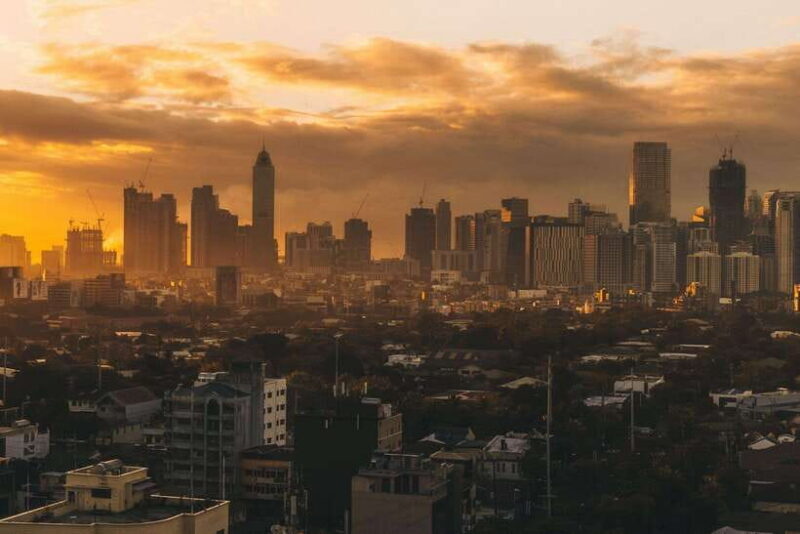
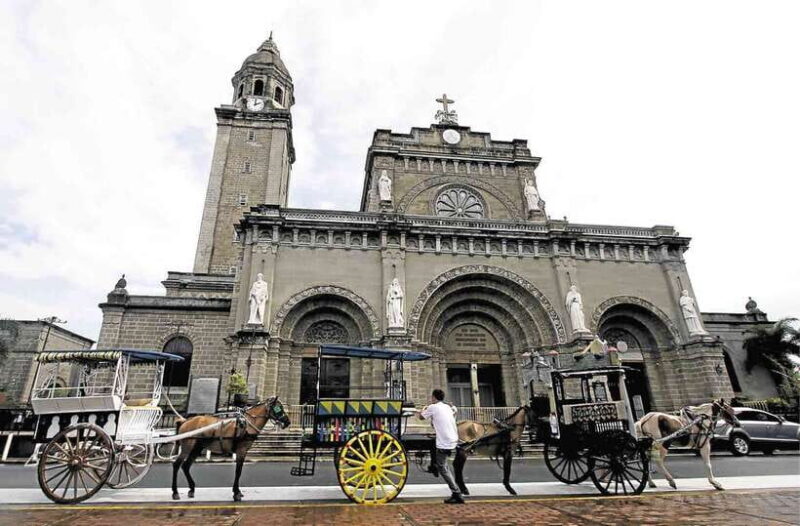
San Agustin Church is the tour’s next named stop, with about 25 minutes for a visit and a walk around the site. Its Baroque architecture makes it a rewarding counterpoint to Fort Santiago’s military stonework. Look closely at the decorative details rather than treating it as a quick entrance-and-exit stop.
The church is UNESCO World Heritage-listed, and it is described as the oldest stone church in the country. That distinction gives the visit particular weight for anyone interested in how Spanish colonial rule shaped Manila’s religious architecture. The short stop is best for seeing the building and hearing its place in the city’s history, not for an unhurried visit.
The route details also include another 25-minute guided visit and photo stop, but do not name that location. Because the stop’s identity is unclear, ask the local operator what it covers when confirming your pickup details. That small check will help you know exactly what the day includes.
A good guide is central to this tour. The route covers a lot of ground, but it’s the commentary that turns separate sights into a story about Manila’s colonial past, wartime history, national identity, and present-day economy. Guides named by past participants include Omar, Fernando, Richard, Stella, Frank, and RJ. Those names are examples, not a promise of who will lead your departure.
The strongest praise is consistent: guides are described as warm, clear, and ready to answer questions. Some have shared details about Philippine culture and social issues as well as dates and historical events. That range is useful if you want more than a checklist of monuments. You can ask how the old city relates to modern Manila, or what makes the financial district important to the country today.
The driver matters too. Manila’s traffic can be intense, and visitors have praised drivers for getting the van through difficult road conditions safely. The air-conditioned vehicle offers a practical reset between stops, but the drive itself may still take longer than planned. The tour’s guide-and-driver format is especially helpful if you have limited time and would rather not work out each transfer on your own.
At $60 per person, this is not the cheapest way to see Manila’s sights. But the price includes an English-speaking licensed guide, an air-conditioned van, return hotel transfers from Makati and the Bay Area, and entrance fees. You’re paying for transport between widely separated areas as well as the historical interpretation that gives the stops context.
That bundle makes the tour a sensible choice if you have only half a day, are new to Manila, or want someone else to handle the route. It also works well as a first look before you decide where to spend more time on your own. Past participants have used it during a short stopover, and its mix of modern and historic areas suits that purpose.
The value depends on what you want. If you prefer long visits, independent wandering, or time for lunch during a tour, four hours may feel compressed. Food and drinks are not included, and the schedule is focused on sights rather than a meal stop. At roughly 25 to 45 minutes per main destination, you’ll get a solid introduction but not an exhaustive visit.
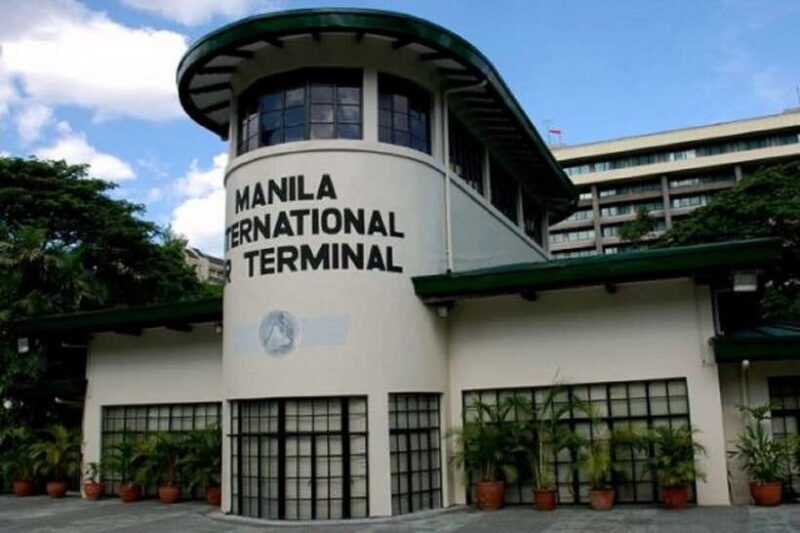
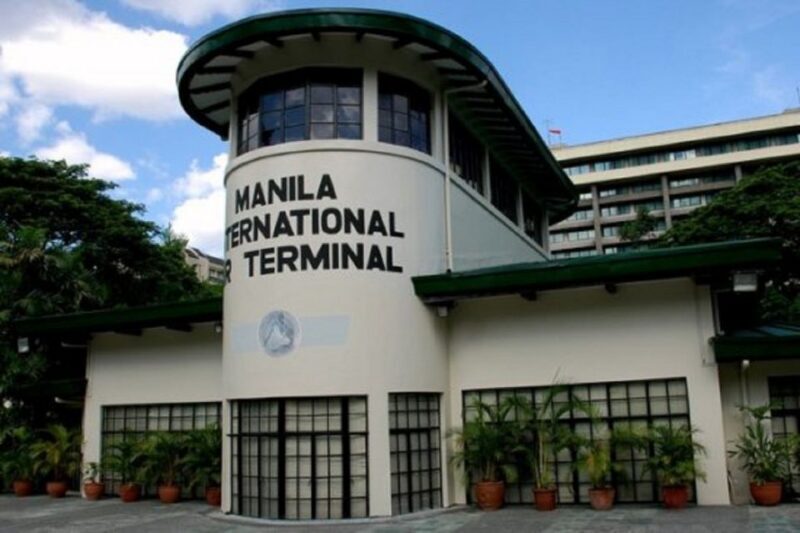
Pickup is offered at The Manila Hotel, Fairmont Makati, Conrad Manila, and The Peninsula Manila. Return drop-offs are listed at the same four hotels. Transfers are included only for hotels within Makati City and the Bay Area, so check your location before booking rather than assuming every Manila hotel is covered.
You’ll receive an email with your exact pickup time and location. Check your spam folder if it doesn’t arrive, and provide contact details so the local operator can call to confirm arrangements. On tour day, wait in the hotel lobby 10 minutes before pickup. The driver may have a sign with your name, or the hotel concierge may page you.
Wear comfortable shoes and bring a small day bag. Luggage and large bags are not allowed, and smoking is prohibited. The tour is not suitable for wheelchair users. The walking at Intramuros and Fort Santiago is worth considering if you have mobility concerns.
Most important, do not schedule a flight, meal reservation, or other timed activity immediately after the tour. Traffic can make the return later than expected, and the full route may take around five hours on a slow day. The early departure is a better choice if you have the option, especially when you need the rest of the day free.
I’d choose this tour for a first visit, a short stopover, or anyone who wants a clear introduction to Manila’s history without organizing several separate rides. Its best feature is the contrast: Makati’s financial center, a major American memorial, Rizal Park, and the old streets and monuments of Intramuros all appear in one compact route.
It is especially suited to visitors who enjoy history and conversation. If you want to understand why Fort Santiago matters, what the Spanish colonial period left behind, and how the modern city has grown, a good guide can make the drive between sites just as useful as the stops themselves.
I’d look for a longer or more flexible option if your priority is spending hours inside Intramuros, lingering at San Agustin Church, or walking at your own pace. This tour trades depth at individual sights for breadth across the city. For many first-time visitors, that is a fair exchange, provided you come ready for traffic, walking, and a busy half-day.
“The tourist and her driver were excellent! We felt like we were with friends, and very well taken care of. The guide was very knowledgeable and gav…”
The tour is scheduled for four hours. Traffic can extend it, and one departure took about five hours.
Pickup is available at The Manila Hotel, Fairmont Makati, Conrad Manila, and The Peninsula Manila. Transfers are for hotels in Makati City and the Bay Area.
Yes. All entrance fees are included, along with return hotel transfers, a licensed guide, and an air-conditioned van.
No. Food and beverages are not included.
Wear comfortable shoes. Luggage and large bags are not allowed, and smoking is prohibited.
No. The tour is listed as not suitable for wheelchair users.
You can check availability for your dates here: