Physical Address
304 North Cardinal St.
Dorchester Center, MA 02124
Physical Address
304 North Cardinal St.
Dorchester Center, MA 02124

Compare Vatican Museums and Sistine Chapel tickets, timed entry and guided tours, with practical advice on crowds, costs, highlights and what to expect.
The Sistine Chapel is the grand finish, but the route there is an art history lesson on a vast scale. You’ll pass the Gallery of Maps and Raphael Rooms before standing beneath Michelangelo’s ceiling and the Last Judgment. The standard ticket covers both the museums and chapel.
I like having timed entry sorted before arriving, and I like that you can choose between exploring independently and joining a guide. A guided tour can help you make sense of the rooms rather than simply follow the crowd toward the chapel.
The catch: fast-track does not mean a private entrance with no waiting. Security still applies, the museums can be packed, and some ticket arrangements require you to collect a ticket nearby. Read the entry instructions closely and allow time to find the right queue.
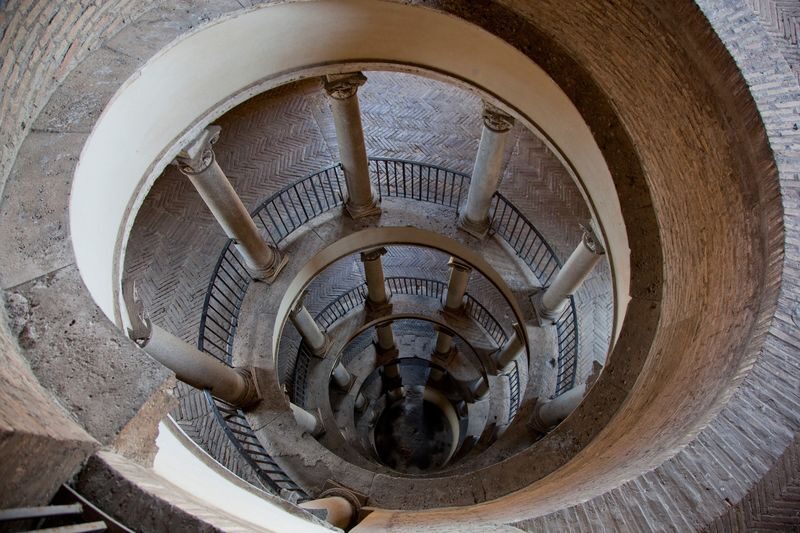
The Vatican Museums began under Pope Julius II in the early 16th century, with the classical sculpture Laocoön among the early acquisitions. Today, the complex spans centuries of art and religious history. Its scale is part of the appeal, and part of the challenge: you won’t see everything in one visit.
A ticket to the Vatican Museums includes access to the Sistine Chapel, which sits at the end of the museum visit. The standard fast-track option also includes access to open rooms and galleries. It does not automatically include St. Peter’s Basilica; choose one of the specific packages that names the basilica if that is part of your plan.
I’d think of the museums as a sequence of distinct rooms, not a checklist. You may be drawn to sculpture, maps, tapestries or Renaissance painting. Choose a few priorities, then leave room for the art and architecture you meet along the way.
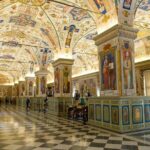
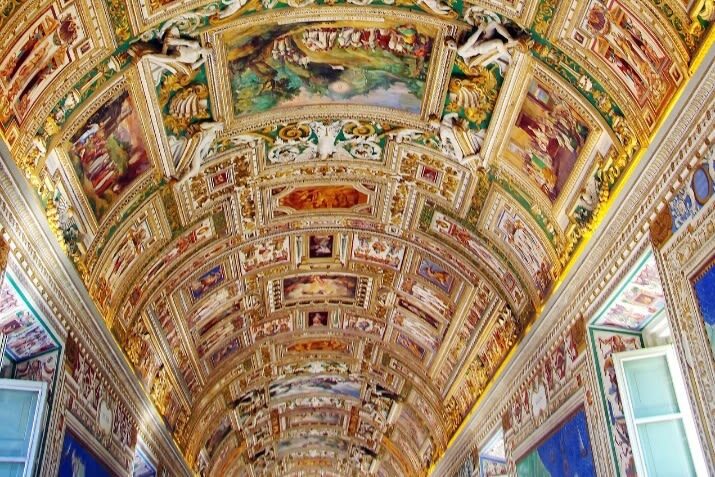
The Gallery of Maps is one of the most memorable stretches on the way to the chapel. Its walls carry detailed maps of Italy, made when mapmaking and decoration could be works of art in their own right. Take a moment to look beyond the central aisle and notice the detail across the walls and ceiling.
The gallery is also a good example of the Vatican’s scale. It can be tempting to hurry through because there is more ahead, but the route itself is full of worthwhile rooms. If you are visiting independently, an audio guide may help you connect what you see with its history. The experience can vary by provider, though: check what languages and functions are included before paying extra.
You’ll also pass the Gallery of Tapestries, another major stop on the way through the museum. These galleries are often crowded, so keep your expectations practical. You may not get an unobstructed view of every work, and moving at the pace of the group around you is part of the visit.
You might also be interested in these Vatican City experiences
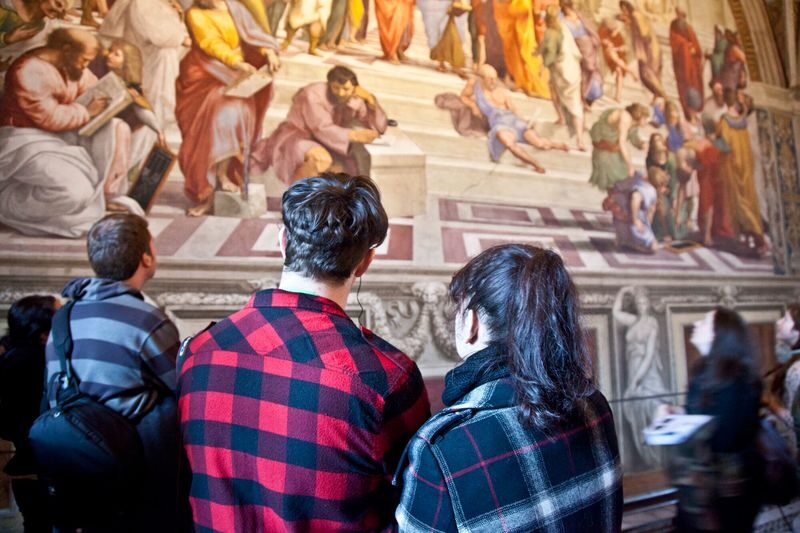
The Raphael Rooms are a series of chambers painted by Raphael and his workshop. Their frescoes touch on theology, philosophy and art, and they offer a striking contrast to the long galleries. If you are visiting without a guide, it is worth pausing to understand the themes instead of treating each room as another decorated corridor.
A guide can add useful structure here. The museum is immense, and a good guide helps you focus on key works and understand why they matter. Guided options are offered in several group sizes, including groups of 25, 20, 10 and 8. Smaller groups cost more, but may make it easier to hear explanations and ask questions.
Guides named in tour options and experiences include Marta, Julia and Aiko. Their presence is not guaranteed for a particular departure, so book for the format and subject matter rather than expecting a specific person. If you prefer to set your own pace, choose independent entry and accept that you’ll need to make your own route.
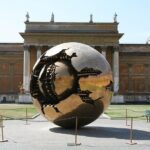
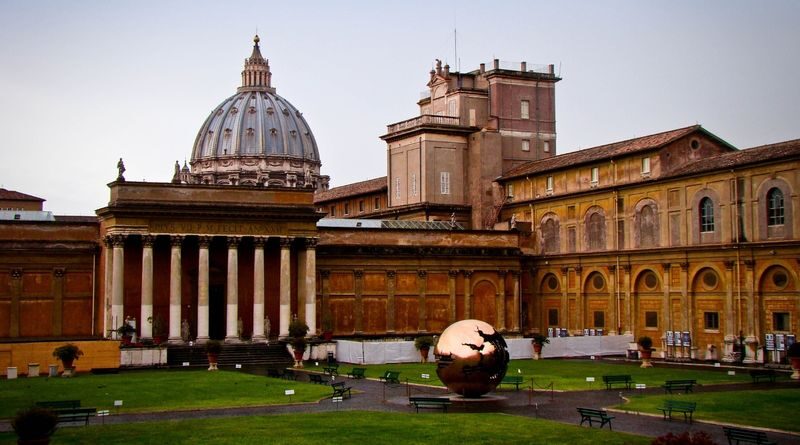
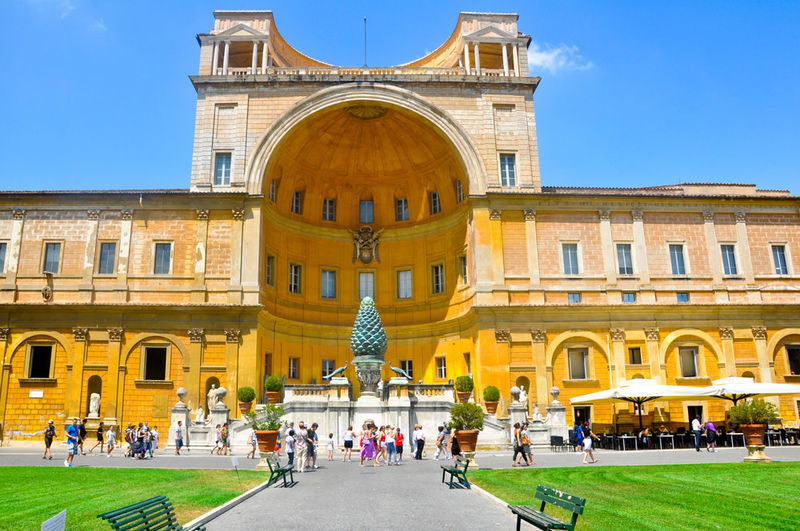
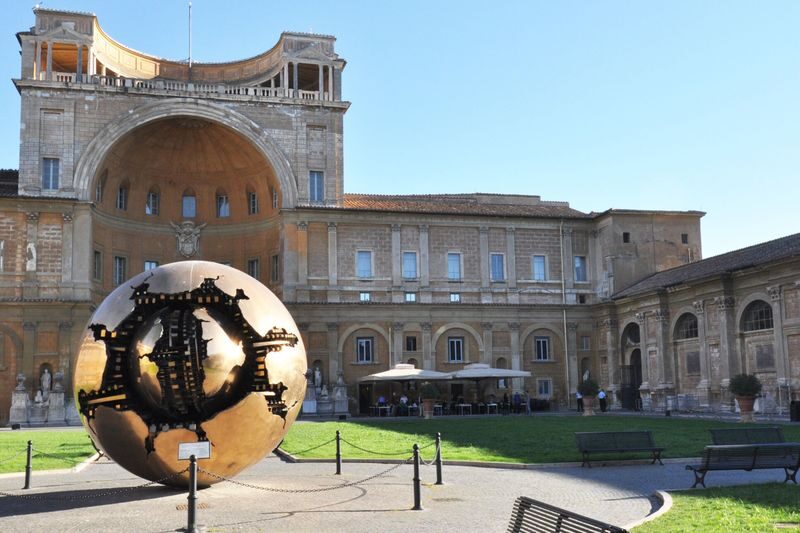
The Pinecone Courtyard gives you an open-air pause in a long indoor visit. It takes its name from a large bronze pinecone, one of the Vatican’s older artworks. The courtyard can be a useful place to catch your breath, though it is not a quiet retreat when the museum is busy.
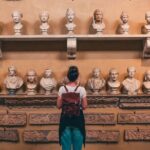
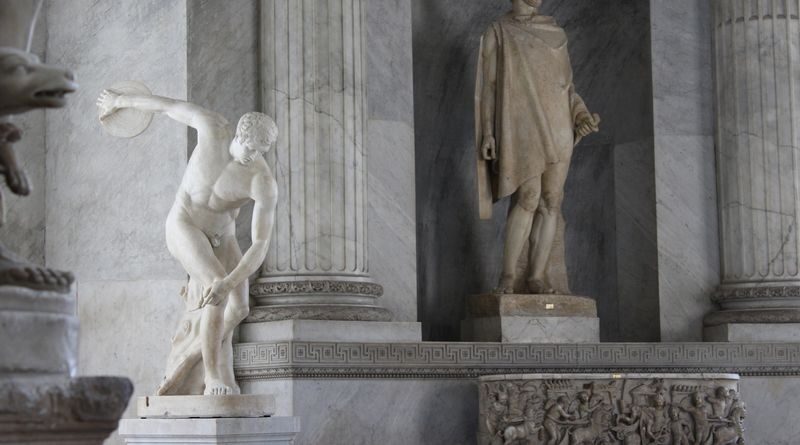
The Sala Rotonda offers a different kind of spectacle. Inspired by the Pantheon, this circular room contains ancient Roman statues and a striking mosaic floor. It shows how the museum brings classical art into conversation with later architecture and religious collections.
These stops help break up the route, but don’t mistake them for a full rest break. The visit involves a lot of walking, and the galleries can feel hot and crowded, particularly in summer. Wear light, breathable clothing that still meets the dress rules, and bring water as advised.
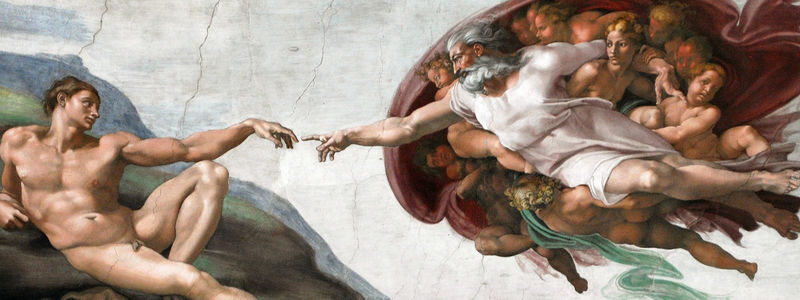
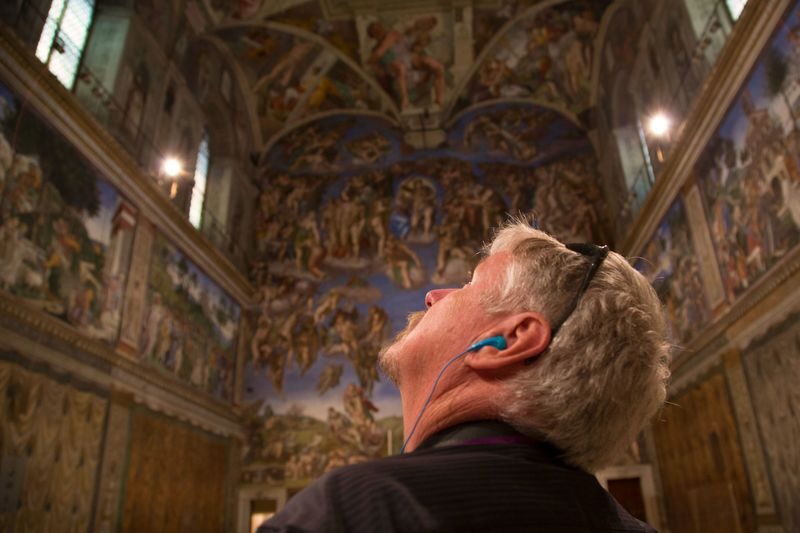
Michelangelo’s ceiling, including The Creation of Adam, is the image many people carry into the Vatican Museums. The chapel also holds the large Last Judgment on the altar wall. Seeing both in person is a powerful moment, even if the room is crowded and you have to share the view with a steady flow of people.
This is a sacred site, not simply a gallery. Keep your voice and behavior respectful, follow staff instructions and remember that photography and video are strictly forbidden inside the chapel. Photography is generally allowed in many other museum areas, but restrictions vary by section, and flash photography and filming are not permitted.
You reach the chapel as part of the museum route. Allow enough time to appreciate the rooms before it, rather than treating them as a hurdle. The chapel is the highlight for many, but the Raphael Rooms, maps, sculptures and tapestries are why the visit deserves more than a quick dash.
Advance booking is a practical choice for a major attraction with timed admission. Your ticket is valid only for the date and time selected, and entry can be refused outside that slot. Arrive on time, with your voucher and valid ID ready.
The words fast-track and skip-the-line need a little care. Reserved entry can save you from the ticket-buying queue and may move faster than general admission, but it does not remove security checks or guarantee that you will walk straight inside. Large crowds can still form, and entry procedures differ by ticket type.
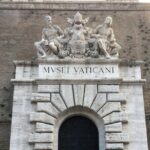
Some digital tickets can be scanned at the entrance. Other arrangements require you to visit a nearby office or meeting point to collect the actual ticket, then walk to the museum. Check the redemption instructions before leaving for the venue. One important practical detail: the reserved-entry queue is on the right side of the main entrance, and after security you proceed to the turnstiles for validation.
Culture seekers can explore more Vatican City museums and galleries
A timed ticket suits you if you want control over your pace and are comfortable navigating a very large museum. You can linger where you like and move on when a room is too crowded. The tradeoff is that you need to decide what to focus on and make sense of the collection yourself.
An audio guide gives you some context without tying you to a group, but check the exact product details. Audio-guide quality and usability can differ, and a digital guide may not be as easy to use as you expect. If you want explanations in a particular language, confirm that the language is available before booking.
A guided tour is a stronger choice if you want the art explained and a clear path through the galleries. Tour options include English group tours, semi-private tours and first-access tours. Some packages also add entry to St. Peter’s Basilica. Group tours can be informative, but punctuality matters: arrive early at the stated meeting point, since late arrivals can disrupt the schedule and groups may wait for people who are delayed.
The listed starting price is $40.29 for a fast-track or reserved timed-entry option. That can be worthwhile when official tickets are unavailable, or when you value having an entry time secured. But third-party tickets may cost more than buying directly from the Vatican Museums, and the premium is not automatically worth paying if official tickets are available at a lower price.
Compare what the package actually includes. A basic ticket covers the museums and Sistine Chapel. Audio guides, guided tours, early access, transport combinations and St. Peter’s Basilica packages cost more. A guided tour can offer better value if you want context and help finding the significant works. If you mainly want to enter and explore independently, pay attention to the ticket price and collection instructions rather than buying extras you won’t use.
There is no cancellation or refund for this activity, so confirm your date and time before paying. Children aged 0 to 6 enter free. Reduced tickets for ages 7 to 17 and students up to age 25 with valid ID are available on the official website only. Visitors with a 74% disability can enter free with a companion.
The supplied schedule lists Monday to Saturday hours of 8:00 a.m. to 8:00 p.m., with last entry at 6:00 p.m. Hours and closure dates can change, so check the latest museum information for your date. On the last Sunday of the month, the museums are generally open with a shorter schedule, except on specified holidays. Visitors must leave the galleries at least 30 minutes before closing.
For a quieter visit, the suggested windows are early morning, around 1 p.m., or later on Friday and Saturday evenings when late opening is available. Early-access and after-hours tours are another option. A late slot can work well if you are content to focus on highlights, but it leaves less time to explore the vast collection.
Cover your shoulders and knees. Long trousers or a long skirt, plus a shirt with sleeves, are a simple way to avoid problems at the entrance. A scarf can cover bare shoulders. Bring a valid passport or ID and water, and use the venue’s storage facilities if needed; ask staff on site about rates.
The museum address is Viale Vaticano, 00165, Rome. Bus 49 stops at Viale Vaticano / Musei Vaticani, directly in front of the entrance. From Ottaviano station on Metro Line A, it is about a 10-minute walk. Paid parking is available nearby on Viale Vaticano, though public transport is the straightforward option.
Book if the Vatican’s art is a priority and you want a reserved time rather than gambling on an on-site ticket. It suits first-time visitors especially well if you choose a guided tour, since a guide can help turn a long succession of rooms into a story you can follow.
Choose independent timed entry if you prefer to set your own pace and can tolerate crowds. Consider a small-group or early-access tour if explanations and a calmer start matter more than keeping the price low. Before booking, compare the official ticket price with the third-party option, verify whether you need to collect a ticket, and confirm whether your package includes St. Peter’s Basilica.
If the only thing you want is a brief look at the Sistine Chapel, remember that you enter it through a large museum complex. Give the visit at least two hours, and closer to three if you want time for the major galleries. The chapel is unforgettable, but the route there is a large part of what you are paying to see.
“We loved our Vatican tour made especially great by Marta. She is an asset to your company. You will definitely book with your company if we have a …”
Yes. The Sistine Chapel is part of the Vatican Museums, and standard museum tickets include access to it.
No. The standard fast-track ticket covers the Vatican Museums and Sistine Chapel. Some separate package options include St. Peter’s Basilica, so check the package details before booking.
The experience is listed as two to four hours. Three hours is a useful target if you want to see the main galleries and spend time in the Sistine Chapel.
The supplied schedule lists Monday to Saturday, 8:00 a.m. to 8:00 p.m., with last entry at 6:00 p.m. Hours and closure dates may change, so check the latest information before your visit.
Cover your shoulders and knees. Long trousers and a long-sleeved shirt are suggested, or bring a scarf to cover your shoulders.
No. Photos and videos are strictly forbidden inside the Sistine Chapel. Photography is generally allowed in other museum areas, subject to local restrictions.
Bus 49 stops directly in front of the entrance at Viale Vaticano / Musei Vaticani. From Ottaviano station on Metro Line A, walk about 10 minutes to the museum.
Yes. The voucher is valid only for the selected date and time, and entry can be denied outside the assigned slot. Arrive on time with your voucher and valid ID.