Physical Address
304 North Cardinal St.
Dorchester Center, MA 02124
Physical Address
304 North Cardinal St.
Dorchester Center, MA 02124

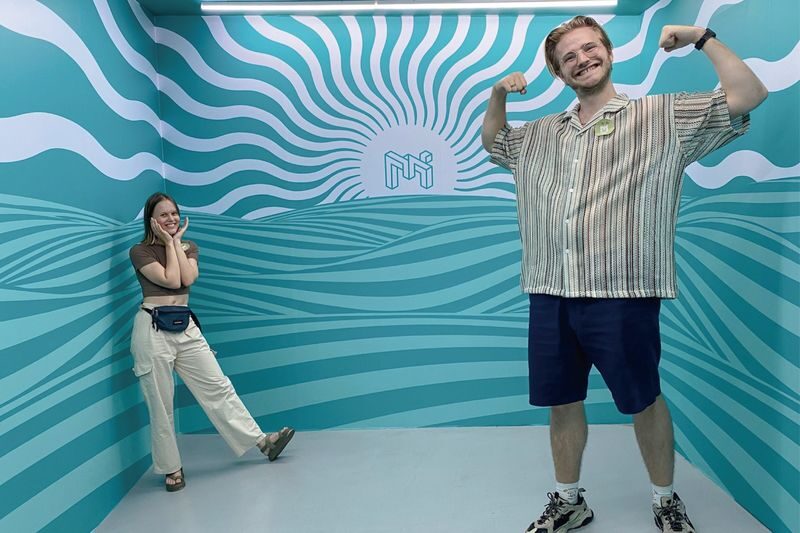
Plan a visit to Taichung’s Museum of Illusions, with hands-on visual tricks, photo-friendly rooms, practical timing tips, and an honest look at value.
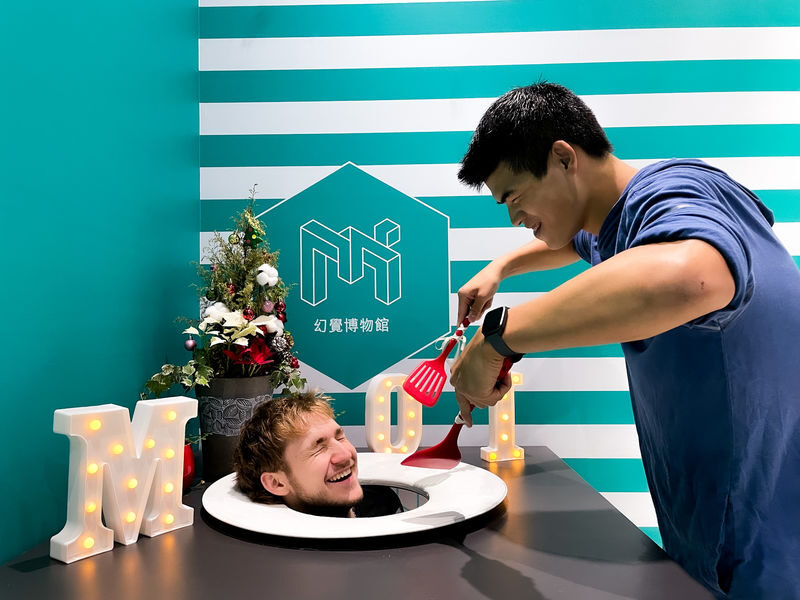
The Museum of Illusions turns an ordinary room into a puzzle for your eyes. You can step into spaces designed to make people look tiny or huge, follow a spinning light tunnel, and test how steady you feel when the floor seems to move.
I like two things here: the exhibits invite you to take part rather than just look, and staff give useful demonstrations and help with photos. The main caveat is scale: this is a compact, three-floor attraction, so the ticket can feel costly if you expect a large museum.
At No. 66, Jingcheng Road, in Taichung’s Jingming business district, this museum is less about reading labels and more about testing what your senses tell you. Mirrors, lights, shadows, lines, and shapes create visual effects that ask you to look twice, then move around and see what changes.
That makes the visit appealing to a wide range of ages. Children can try the effects directly, while adults often get pulled into the puzzle of working out why a room looks one way from one angle and another way from somewhere else. You do not need specialist knowledge to take part, though a short explanation can make some exhibits easier to understand.
The first Museum of Illusions opened in Croatia in 2015, and the concept has since spread to cities including New York, Toronto, and Paris. Taichung’s version brings that playful format to Taiwan, with themed areas such as Big and Small, Kaleidoscope, Sparkling Light Room, and Floating.
Think of it as an interactive attraction with a museum label, not a conventional museum visit. Its strongest draw is the chance to become part of the illusion, especially if you enjoy making unusual photos.
You might also be interested in these Taichung experiences
Visitors enter by reserved time slot, and staff give a brief introduction to the exhibits and offer suggestions for exploring. That orientation is useful: some effects are not immediately obvious, and a staff member can demonstrate where to stand or how to position a camera.
Staff assistance is one of the experience’s practical strengths. They can help you take photos at certain exhibits, which matters when a picture depends on getting the angle just right. A LINE account at the venue also provides introductions to exhibits, giving you another way to understand what you are seeing.
There may be puzzle board games in the waiting area, along with a small activity involving hidden Easter eggs. These can occupy a few minutes before your slot, but the visit itself begins once your group is called in. Restrooms may only be available after your scheduled entry time, so plan accordingly.
Crowd control is in place to keep the rooms manageable. That helps reduce queues at individual exhibits, but it also means you should not treat your time slot casually: arriving outside it can lead to a later entry time, depending on how busy the museum is.
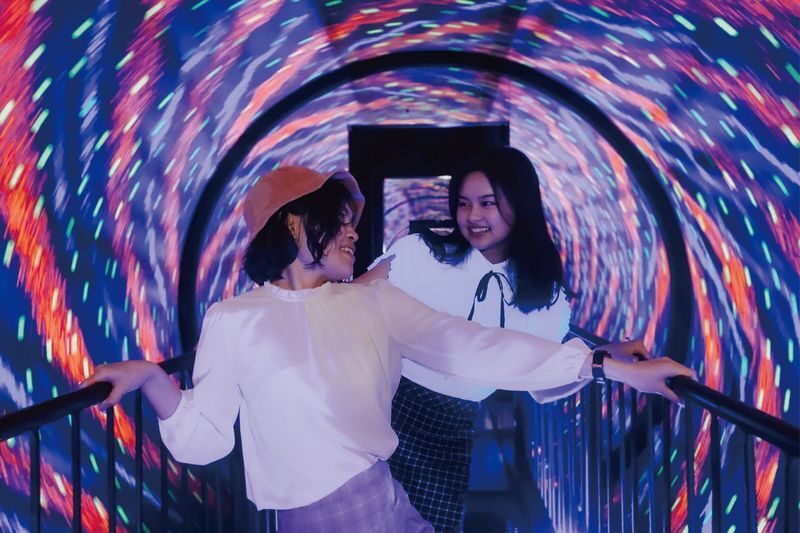
The attraction is arranged across three floors, with stairs between levels. Rather than expect a long sequence of galleries, picture a series of compact experiences that invite you to stop, try a pose, change your viewpoint, and take a photo.
In Big and Small, visual perspective plays with apparent size. These effects are most fun when you take a moment to find the intended spot and compare what you see with what the camera captures. The rooms are designed for participation, so there is more to do than simply walk through.
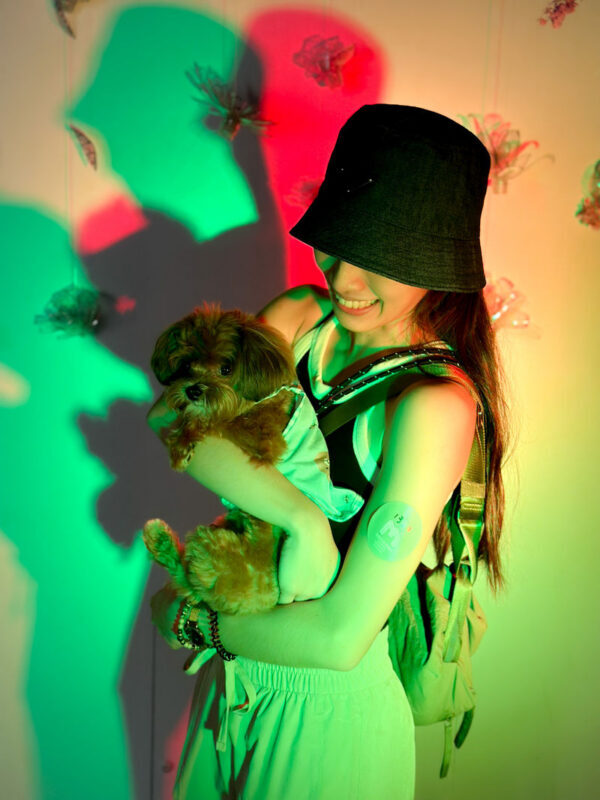
Kaleidoscope and Sparkling Light Room focus on repeated patterns and light. The details available for each individual exhibit are limited, so I would not arrive expecting a technical demonstration at every stop. The pleasure is in noticing how the room changes your sense of space and then finding a picture that makes the effect legible.
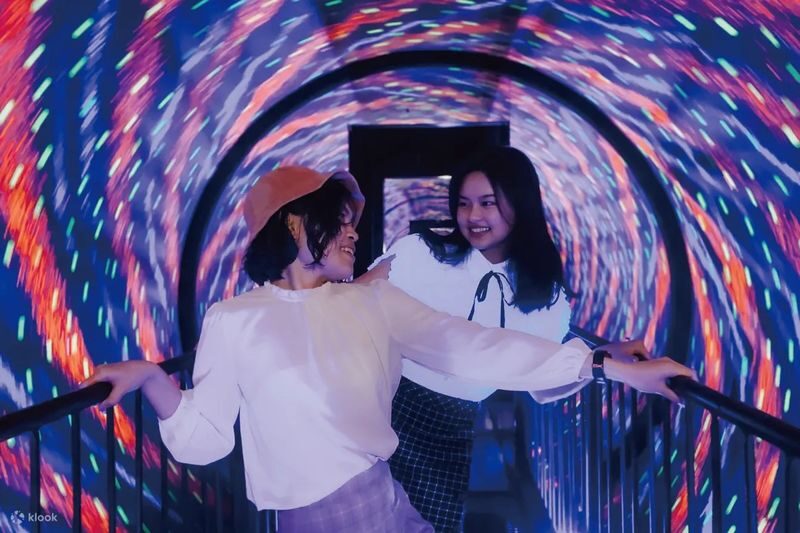
Floating is another themed experience, but the attraction’s most talked-about physical effect is the rotating light tunnel in the basement. Known as Crossing the Galaxy, it can make your body feel as if it is turning, even as you try to walk through. Some people find it thrilling; others may feel dizzy or need to pause. If you are prone to motion discomfort, take it gently and do not feel obliged to push through.
The second floor includes the Weightlessness Zone. You must remove your shoes before taking photos there, so wear footwear you can slip off easily. Across the museum, the exhibits reward a little experimentation: try the suggested position first, then take a moment to see whether a small change in stance or angle alters the image.
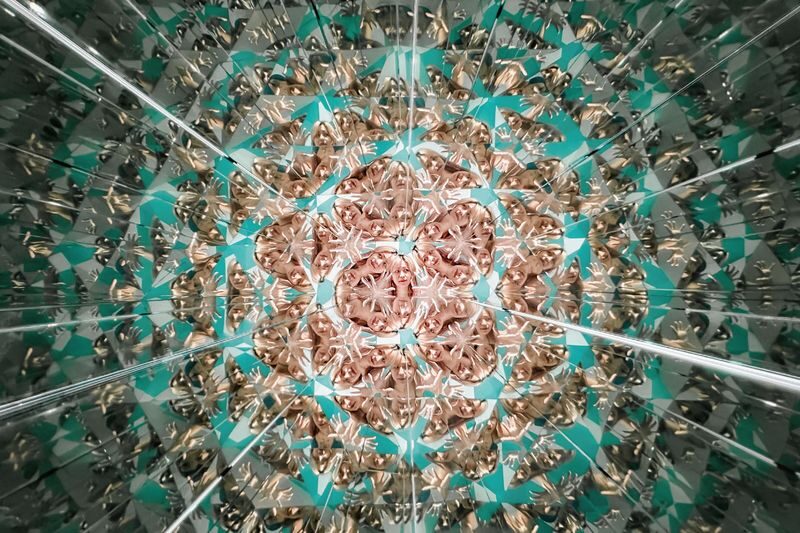
Photography is allowed, and the exhibits are built with pictures in mind. Staff tips can save time, particularly when an effect only works from a particular position or when you want to make the illusion clear in a photo.
Still, it is worth looking with your own eyes before reaching for your phone. A quick pause helps you understand the trick, and it can make the eventual picture more satisfying. Since each time slot brings several people into the space, being ready to take your turn helps keep the flow moving.
Personal photography is permitted, but commercial photography, commercial video, and live broadcasts are prohibited. Outside food and drinks are not allowed, and smoking and drinking are prohibited inside. Keep bottles, lasers, firecrackers, and other potentially disruptive items at home.
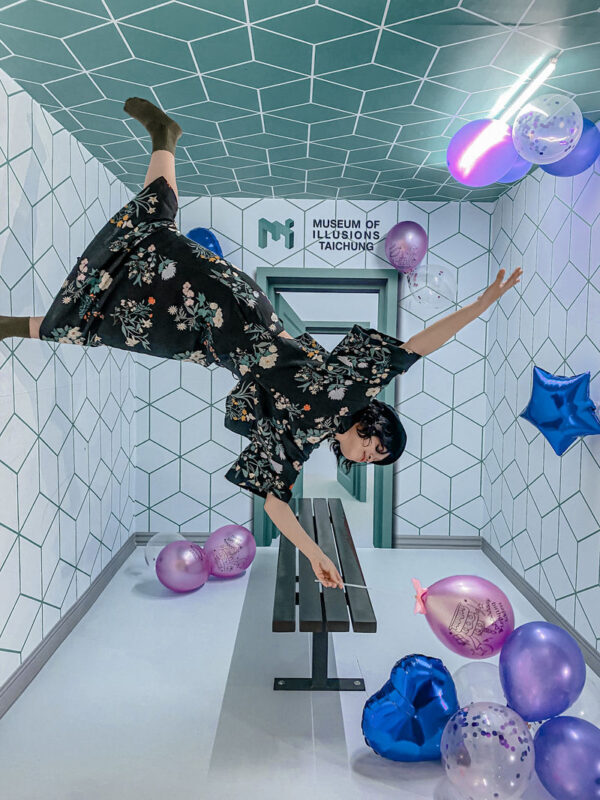
The stated visit length is one to two hours. If you move briskly and take only a few photos, you may be done sooner; if you try exhibits more than once, take pictures, and explore the puzzles, around 90 minutes is a sensible plan.
The building is not large, and that is the main limit on the experience. You are not signing up for a half-day attraction with room after room of new material. Instead, you get a concentrated series of visual tricks, and the length depends in part on how much time you spend making photos and testing each effect.
Weekdays can offer a calmer visit, especially if you want more time at each installation. Busy periods may feel cramped in the smaller rooms, even with timed entry. The museum is open daily from 10:30 a.m. to 6 p.m., with last entry at 4:30 p.m.; check its social media announcements for holiday hours.
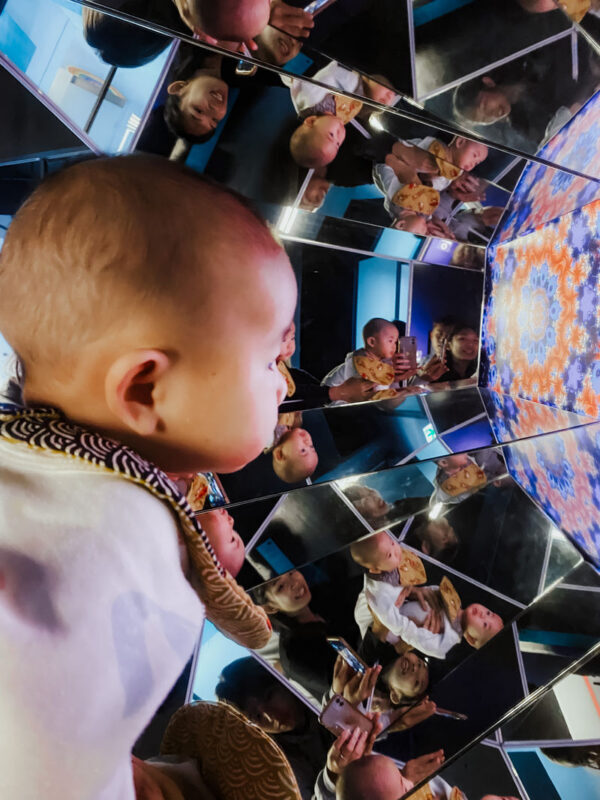
Admission starts at $12.49, with separate ticket options for individuals, couples, and families. The couple’s package covers two adults. The family package includes one adult and one child, plus a merchandise coupon; check the current booking details for the package price and terms.
Value depends on what you want from a museum. If you enjoy interactive exhibits, unusual photos, and a family activity that does not rely on long explanations, the ticket can earn its keep. Staff help and the range of effects add value, especially when they make it easier to understand and use the installations.
If you judge attractions by square footage or expect hours of exhibits, the price may feel high. The space is compact, and some installations will appeal more than others. Think of the ticket as paying for a focused, playful outing rather than a large collection.
Online booking offers instant confirmation, and you enter by presenting your mobile voucher at the ticket counter. The voucher is valid only for the selected date and time, if a time is specified. Changes are allowed before redemption in many cases, though some booking types have restrictions; free cancellation is available before the voucher is redeemed.
The address is No. 66, Jingcheng Road, West District, Taichung City. One practical option is bus 127, which has been used to reach the museum. If you drive, allow extra time to find parking; spaces in the surrounding area can be difficult to secure.
There are stairs between the building’s three floors, and no elevator is offered. The activity is not recommended for people with impaired mobility or wheelchair users. It is also not recommended for pregnant women, seniors, or people with conditions such as high blood pressure or epilepsy, given the nature of the visual and movement effects.
Children aged three to 15 use a child ticket. Children aged zero to two enter free but must be accompanied by a paying adult. A student ticket requires a valid student ID for verification.
Pets that are not in a stroller or carrier require a pet ticket, priced at $190. Do not bring outside food or drinks, and leave time to arrive early for your reserved slot.
I would put this near the top of the list for families with school-age children, couples looking for a light indoor activity, and anyone who enjoys playful photography. The exhibits are simple to try, and the staff’s demonstrations can help turn a confusing effect into a fun one.
It also makes sense as a short break in Taichung, rather than the sole reason to plan a full day. Children may want to repeat the most physical exhibits, while adults who like visual puzzles can enjoy figuring out how the rooms manipulate perspective.
It is a weaker choice if you need step-free access, prefer quiet gallery spaces, or want a large exhibition for the ticket price. The limited size and possible crowding are worth weighing before booking.
Book it if you want an interactive hour or two, enjoy taking playful photos, or need a family activity where adults and children can participate together. The helpful staff, timed entry, and range of visual effects give the compact museum more substance than a quick photo stop.
Skip it if stairs are a problem, motion effects are uncomfortable for you, or you expect a sprawling museum. For the best visit, choose a weekday if possible, arrive early for your time slot, wear shoes that are easy to remove, and give yourself enough time to try the exhibits rather than rush through them.
“The experience was fun and unique, with staff members explaining things and helping with photos. The service was excellent.”
It is at No. 66, Jingcheng Road, West District, Taichung City, in the Jingming business district.
Plan for about one to two hours. Your visit may be shorter if you move quickly, or closer to 90 minutes or more if you take photos and try the exhibits at a relaxed pace.
The museum is open daily from 10:30 a.m. to 6 p.m. Last entry is at 4:30 p.m. Holiday hours may differ, so check its official social media announcements.
Yes. Entry is managed by reserved time slot, and you should arrive early to verify your ticket. If you arrive outside your slot, entry may be rearranged according to the crowd situation.
Children aged three to 15 use a child ticket. Children aged zero to two can enter free with a paying adult. A student ticket requires a valid student ID.
No. The museum has three floors and stairs only, so it is not recommended for people with impaired mobility or wheelchair users.
Yes, personal photography is allowed. Commercial photos and videos, as well as live broadcasts, are prohibited. You must remove your shoes before taking photos in the Weightlessness Zone on the second floor.
Free cancellation is available before the voucher is redeemed. Changes are allowed before redemption in many cases, but restrictions apply to some bookings, including certain pass, presale, and promotional bookings.