Physical Address
304 North Cardinal St.
Dorchester Center, MA 02124
Physical Address
304 North Cardinal St.
Dorchester Center, MA 02124

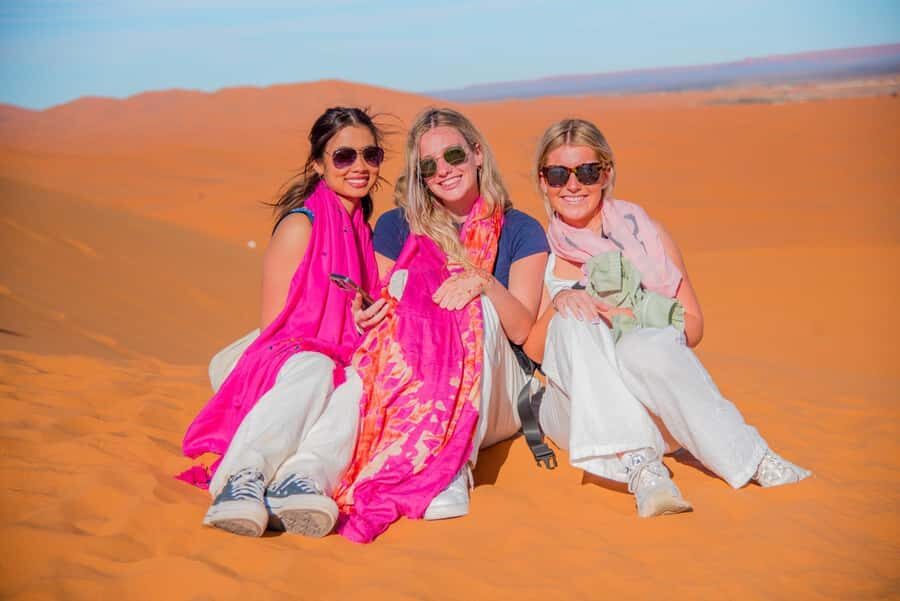
Compare this three-day Marrakech to Merzouga tour: Atlas crossings, Ait Ben Haddou, camel rides, desert camp, meals, costs, and practical tips.
The desert is the payoff: golden Erg Chebbi dunes, a camel ride at sunset, a night beneath the stars, and another ride for sunrise. This three-day route packs a lot of Morocco into a short trip, from the High Atlas to kasbahs and gorges.
I like two things in particular: the variety of the route, which makes the long drive more than a transfer, and the strong value at about $115 per person, with transport, lodging, camel rides, breakfasts, and dinners included. Guides such as Hakim, Ayoub, and Bahadi have been praised for looking after the group and sharing useful context, though your guide will vary.
The trade-off is real: you spend many hours on the road, and the desert camp’s comfort depends on the option you choose. Lunch, quad biking, and some local guide services cost extra, so the advertised price is a starting point, not the whole budget.
This tour is best understood as a road trip with a desert night at its heart. You leave Marrakech, cross the High Atlas, visit Ait Ben Haddou, continue through valleys toward Dades, then reach Todgha Gorges and Merzouga the next day. On day three, you see the sunrise before beginning the return or taking an optional transfer to Fes or Agadir.
That is a rewarding itinerary, but not a slow one. The distances are long, and the schedule has to keep moving to fit the mountain route, kasbah, canyon, and desert into three days. If you want several quiet hours at every stop, this will feel rushed. If you want a first taste of Morocco beyond Marrakech and are prepared to spend time in a van, the variety is the point.
Transport is air-conditioned, with Wi-Fi listed onboard. The driver-guide is central to the experience: recent guide names include Hakim, Ayoub, Bahadi, and Agouim, but assignments vary. Pickup is from your hotel or riad when a vehicle can reach it. In the old Medina, you may be asked to meet at the nearest accessible point.
Looking for more options in Marrakesh? Here are some other experiences worth considering.
The first day starts with the climb through the High Atlas via Tizi n’Tichka Pass. The route gives you a striking change of scene from Marrakech, with high mountain views and Berber villages along the way. In winter, snow can appear on the mountains, so the day may bring a sharp contrast between cooler heights and warmer lowlands.
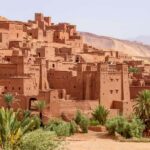
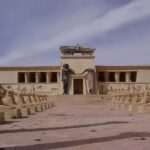
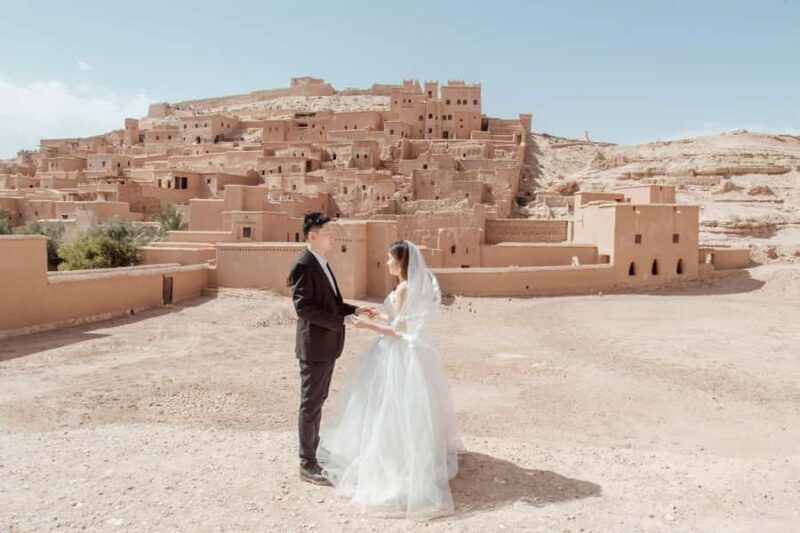
Ait Ben Haddou is the day’s main stop. This UNESCO-listed kasbah is one of Morocco’s best-known historic sites, with earthen buildings set together in a fortified settlement. I would make time to look beyond the most photographed corners and notice how the structure fits the surrounding terrain. A local guide is not included, though one is available for €2 per person. If understanding the site’s history matters to you, that small extra may be worthwhile.
After the kasbah, the road continues through villages and valleys toward Dades Valley. You stay overnight in a hotel, with dinner included. The first night is a practical pause before the next day’s canyon and desert, and comfort can be better than the modest headline price might suggest. Still, hotel standards can vary, so think of the room as a welcome rest rather than a reason to book the trip.
After breakfast, the route heads to Todgha Gorges. The canyon’s tall walls make a dramatic contrast with the open mountain roads and broad valleys you have crossed so far. There is time to explore on foot, though the overall schedule means this is a stop, not a full hiking day.
Then comes the drive to Merzouga, where the dunes of Erg Chebbi signal that the desert portion is near. The first sight of the sand is a memorable shift after two days of changing terrain. You prepare for the camp, usually taking a small backpack for the overnight stay while the larger luggage remains in the van.
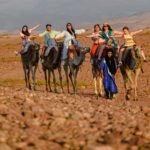
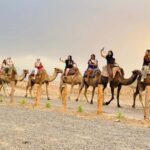
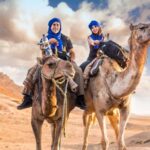
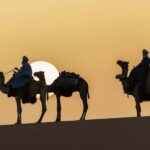
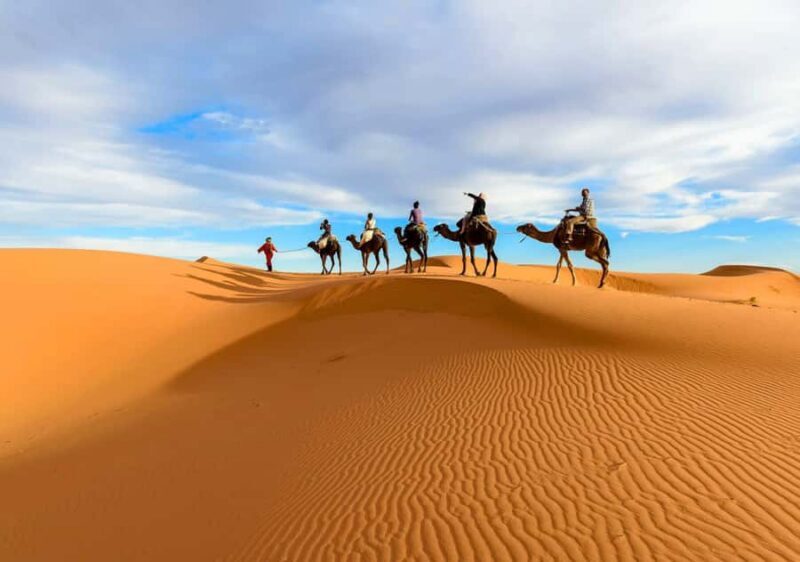
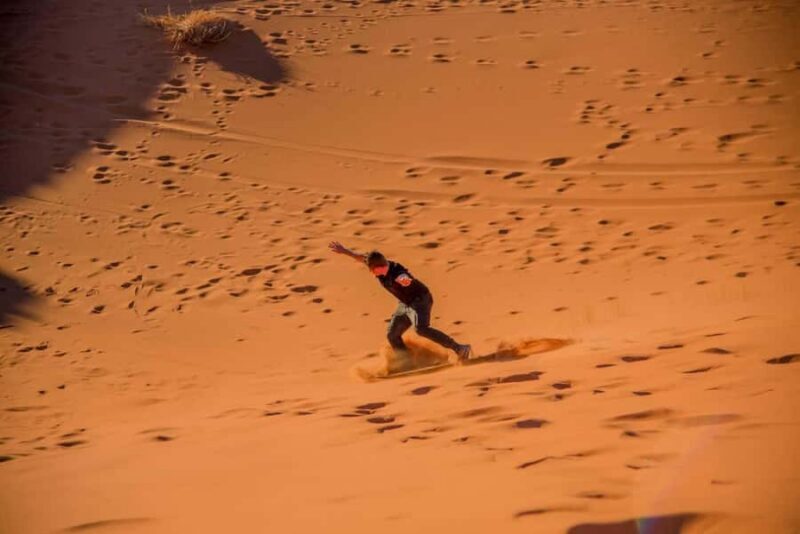
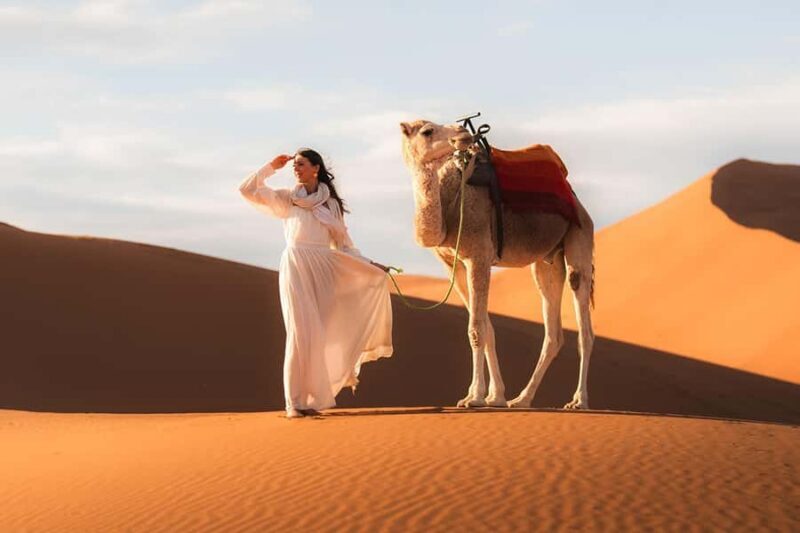
The sunset camel ride is the classic Sahara moment, and it is included. Wear trousers or long shorts to avoid rubbing against the saddle, and take sunglasses and sunscreen. Sandboarding is also included, but availability and organization can vary. Ask at the lodge about taking a board to the camp, and do not assume you will have one to yourself for as long as you like.
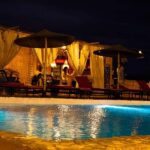
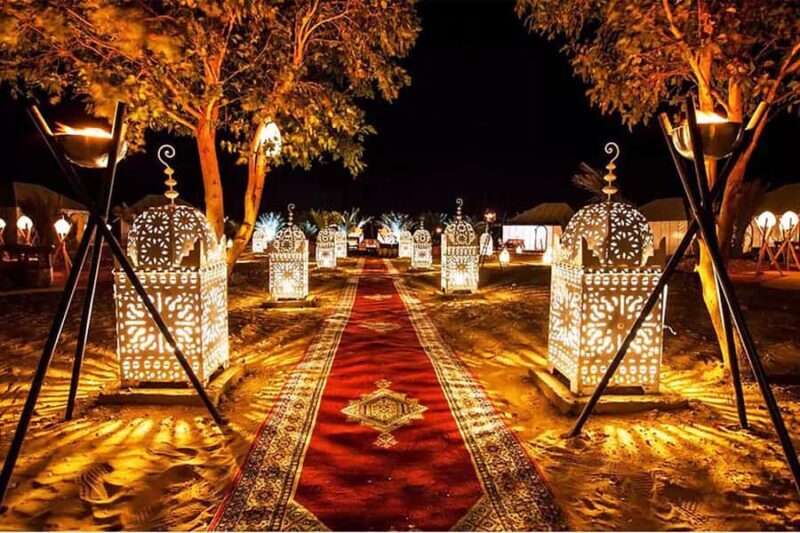
The tour includes one night at a desert camp, with the camp type dependent on the option you select. Standard camping can be more comfortable than the word suggests: reports describe tents, shared bathrooms, and hot showers, though hot water can run short when many people need it. A higher camp option may provide a private bathroom. Confirm exactly what your chosen option includes before booking.
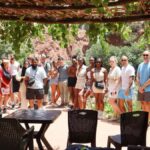
Dinner and Berber music are part of the evening. Expect a communal setting, often with a fire and drumming. The music adds warmth and a sense of occasion, though it is worth keeping expectations grounded: this is a group camp activity, not a private cultural performance. One visitor found the scene more like a party for a crowd of tourists than an intimate encounter. That is a fair distinction to keep in mind.
The clearest night sky may be the camp’s simplest pleasure. If the weather cooperates, step away from the activity area and look up. Bring warm layers and a power bank, and consider earplugs if you are a light sleeper. Winter temperatures can fall to 0°C; blankets are provided, but warm sleeping clothes are still sensible.
Food is a practical part of the package. Two dinners and two breakfasts are included, with vegetarian and vegan options available. Lunch is not included. The group stops at restaurants along the route, and reported lunch costs have been around 100 to 120 MAD, though prices can change. Pack snacks if you prefer more control over timing or food choices.
More Great Tours Nearby
The early start is part of the deal. You wake before or around sunrise for the return camel ride or a 4×4 transfer to meet the driver. Watching the light spread across the dunes is the moment many people most want from a Sahara trip, and it is worth protecting your sleep the night before where you can.
After breakfast, you begin the onward journey. The standard plan returns to Marrakech, while optional transfers to Fes or Agadir are available. Ask about the exact arrangement for your chosen route before booking, since this changes where your three-day trip ends.
The drive back is long. Some people sleep on the van between stops; that is a sensible way to save energy. The vehicle has air conditioning and Wi-Fi listed, but neither changes the basic fact that this itinerary involves substantial time seated. If long drives are hard on you, consider a slower itinerary with more nights rather than trying to squeeze the Sahara into three days.
At about $115 per person, this tour includes a lot: air-conditioned transport with a driver-guide, pickup and drop-off, one hotel night, one desert-camp night, two breakfasts, two dinners, camel rides at sunset and sunrise, sandboarding, and luggage service. That makes the base price attractive for a trip that covers several major sights and an overnight desert stay.
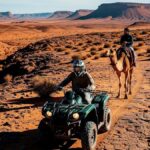
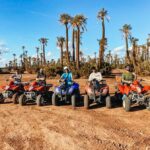
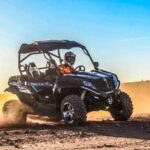
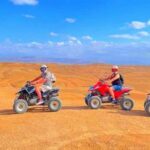
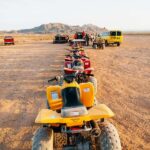
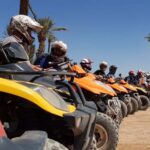
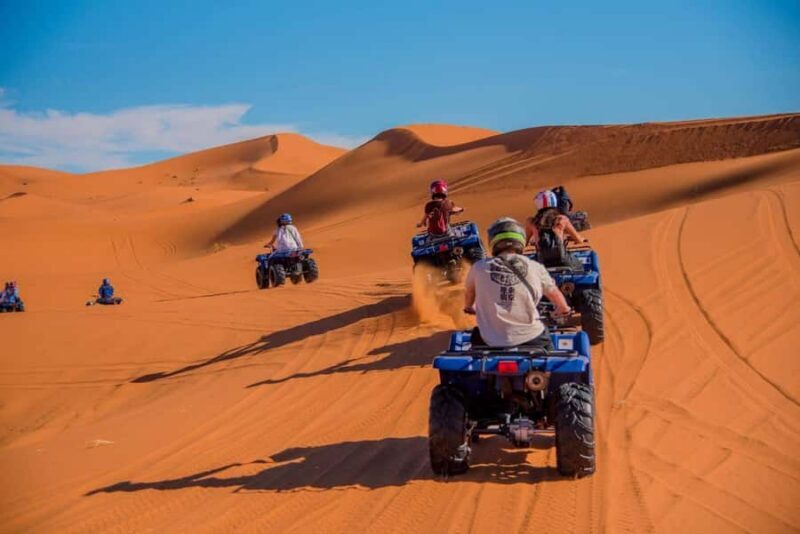
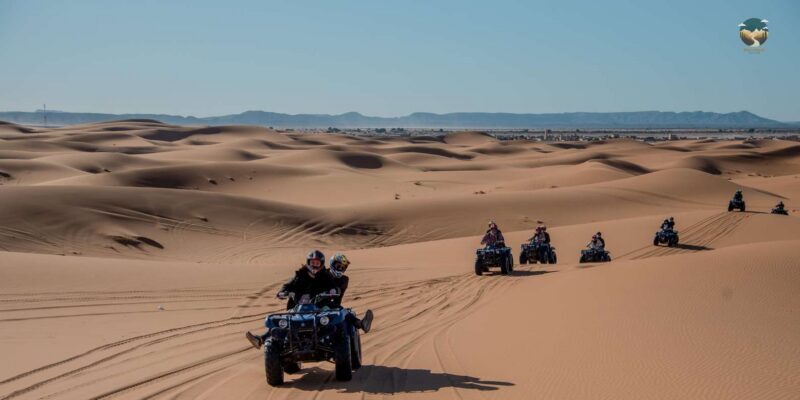
But you should budget beyond the headline fare. Lunches are on you, as are quad bikes and buggies rented from local operators. The Ait Ben Haddou guide costs extra, and any clothing or souvenirs you choose to buy are separate. Quad-bike prices vary; one account put an add-on at about €50 per person, so check the current rate locally before agreeing.
Camp choice also affects the value calculation. If a private bathroom matters, check whether your selected camp option includes one. If you are happy with shared facilities, the standard camp may be enough. The tour is inexpensive because it moves a group along a packed route, not because every detail is private or fully flexible.
This is a good fit if you have three days, want to see several regions, and are comfortable sharing transport and a schedule. Couples, families, solo visitors, and small groups are all named as suitable, and the group format can make the long road sections more sociable. Helpful guides are a recurring strength, with names such as Mehdi, Yassine, and Hassan also appearing among the guides people appreciated.
It is less suitable if you want an unhurried visit, dislike long drives, or expect a secluded camp experience. The desert stop is the highlight, but the route has to cover a great distance to get there and back. And if you are pregnant, have a mobility concern, or are unsure about the camel ride, ask the operator directly about your needs before booking. One pregnant participant was made comfortable by the team, but that does not guarantee the same circumstances or arrangements for every departure.
Bring comfortable shoes, sunglasses, a camera, sunscreen, warm clothes, and a power bank. Keep a small rucksack for the camp, and use wet wipes if they are useful to you. Your main luggage can stay securely in the van during the camp night. For pickup details, keep WhatsApp and email available from 6:00 PM the evening before; last-minute bookings receive details promptly.
Book it if you want the dunes, camel rides, and a desert night, and can accept a packed schedule and long drives. The route’s strength is its range: mountain pass, kasbah, canyon, and Sahara in one affordable trip. I would choose the camp option carefully, keep cash for lunch and optional activities, and pack warmer clothes than the Marrakech forecast might suggest.
Skip it if you need a leisurely pace or want the desert to yourself. For everyone else, it offers a practical first journey into southern Morocco, with the sunrise over Erg Chebbi as a fitting reward for the miles.
“If you like adventure, go in this trip. We have seen many places with great views. Our driver and guide, Mohamed Zero Zero, as we joke to call him,…”
The tour lasts three days, travelling from Marrakech to Merzouga and then returning or continuing to an optional transfer destination.
Live guides are listed in English, French, Arabic, and Spanish.
Pickup is from your hotel or riad if a vehicle can reach it. If your riad is not accessible by car, pickup is at a nearby meeting point, generally in Marrakech’s old Medina.
Two breakfasts and two dinners are included. Lunch is not included, and you should budget for meals at stops along the route.
Yes. Camel rides at sunset and sunrise are included. A 4×4 return from the camp is also an option for the morning transfer.
Sandboarding is included, but availability and how boards are shared can vary. Ask at the lodge whether a board is available to take to camp.
Yes. Luggage can be stored securely in the van while you stay at the desert camp. Take a small backpack for the camel ride and overnight stay.
Bring warm clothing, comfortable shoes, sunglasses, sunscreen, a camera, and a power bank. In winter, temperatures can drop to 0°C; blankets are provided, but warm sleeping clothes are advised.
You can cancel up to 24 hours in advance for a full refund. The tour also offers a reserve-now, pay-later option.
You can check availability for your dates here: