Physical Address
304 North Cardinal St.
Dorchester Center, MA 02124
Physical Address
304 North Cardinal St.
Dorchester Center, MA 02124

See Kyoto’s castle, bamboo grove, Golden Pavilion and Fushimi Inari in one guided day, with bus transfers from Osaka or Kyoto.
Kyoto packs a remarkable range of sights into one day here: the quiet, springy notes of Nijo Castle’s nightingale floors, a walk beneath Arashiyama’s bamboo, the Golden Pavilion, and the seemingly endless red gates at Fushimi Inari. I like that coach transfers link the far-flung stops, and that the guide helps make sense of the places rather than leaving you to navigate each move alone.
I also like the generous sweep of the route: you get time in Arashiyama for the bridge, bamboo path and Kimono Forest, not just a quick photo stop. The trade-off is a full, tightly scheduled day. Nijo Castle and Kinkaku-ji admission cost extra, and you may wish you had more time at the bamboo grove or torii gates.
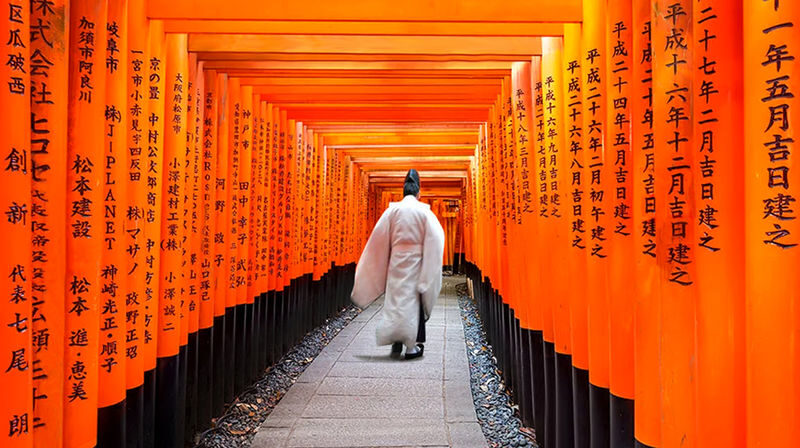
This is a sightseeing sampler, not a slow wander through Kyoto. Over roughly nine hours, you move from the city’s shogun-era castle to Arashiyama’s river and bamboo, then on to two of Japan’s most recognized temples and shrines. If you have just one day to give Kyoto, the route makes it possible to see several very different sides of the city without piecing together the transport yourself.
The tour departs from Osaka or Kyoto, with departure times listed at 8 a.m. and 9 a.m. The exact meeting details depend on the option you book, so check your confirmation carefully. The day ends at Kyoto Station at about 5 p.m. or Kintetsu-Nippombashi Station in Osaka at about 6 p.m.
Between stops, the coach is more than a ride. Kyoto’s sights are spread across the city, and traveling by bus means less time changing trains and checking routes. That is especially useful if you are visiting with children, older family members, or anyone who would rather save their energy for walking around the sites. It also makes the day easier to follow: your guide gives instructions at each stop, and some guides use a messaging group to share meeting points and updates.
Looking for more options in Kyoto? Here are some other experiences worth considering.
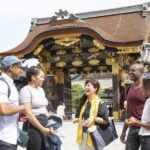
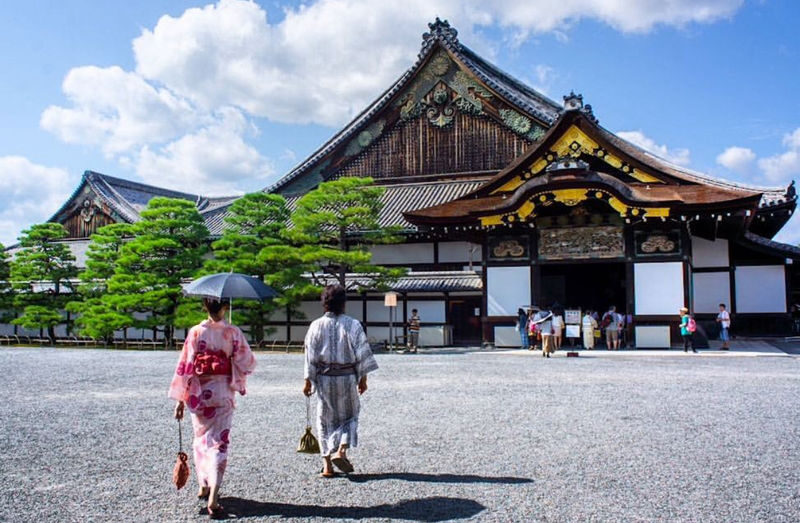
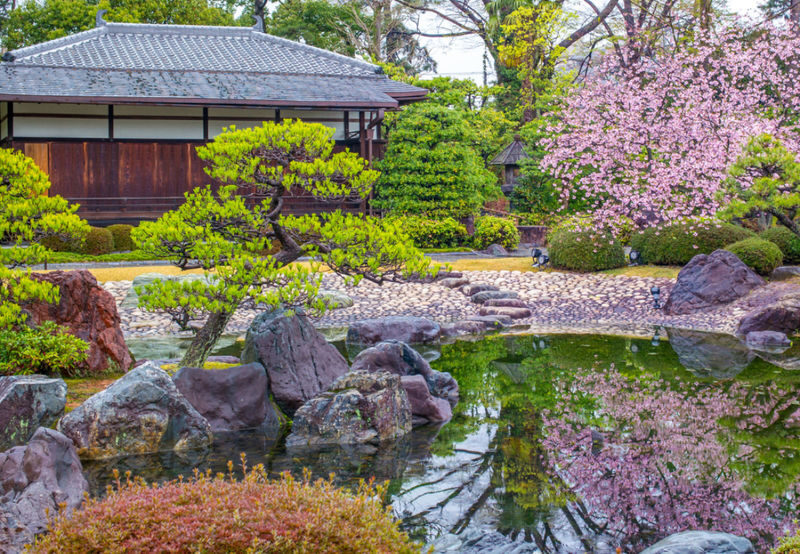
The morning begins at Nijo Castle, a World Heritage site and former seat of shogunal power. You have about an hour to explore on your own. The highlight is Ninomaru Palace, where the famous nightingale floors make a chirping sound as you walk. It is a small detail with a practical purpose: the noise helped alert guards to anyone moving through the palace.
Give yourself time to notice the palace’s architecture and gardens, not just the floorboards. The site offers a strong contrast to Kyoto’s religious landmarks, introducing the political world of the shoguns. An hour is enough for a focused visit, but it can feel brief if you like to linger over rooms and garden paths.
Admission is extra, and the tour does not include meals or drinks. Keep a little money aside for both castle and temple entry fees, since Kinkaku-ji also charges separately. If Nijo Castle is closed, the planned alternative is Heian Shrine Garden. The garden is closed on Tuesdays in January, July, August and December, as well as from December 26 through January 3, so the exact stop can depend on the date.
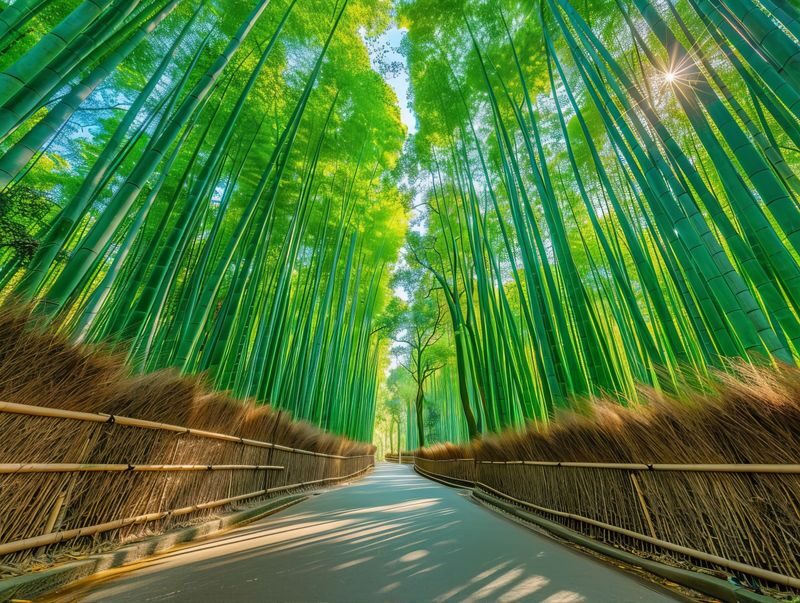
Arashiyama gets about two hours, and there is plenty to fill them. Togetsukyo Bridge crosses the river against a backdrop of hills, with scenery that changes with the seasons. It is a good place to pause for a view and photos, but the area’s appeal is broader than the bridge: you can also visit Nonomiya Shrine, walk the bamboo path and see the Kimono Forest.
The bamboo grove is the most famous stop, and for good reason. Tall stalks rise along the path, and the sound of their leaves in the breeze gives the walk a different feel from the city streets. Still, this is a popular attraction, so it may not be as quiet as the promotional image suggests. With a fixed departure time, decide early whether you want a quick walk through the grove or more time for the surrounding area.
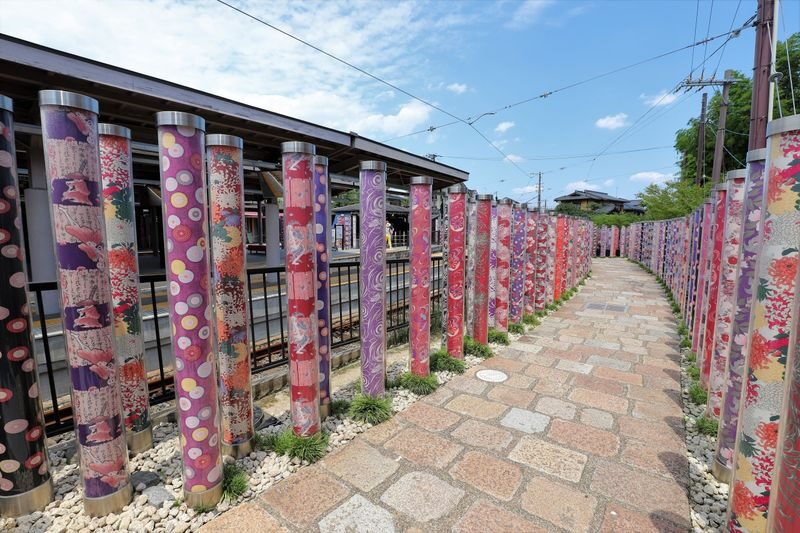
Nonomiya Shrine is a compact stop for prayers for love, health and happiness. The Kimono Forest, near the station, displays hundreds of pillars wrapped in Kyo-Yuzen textile patterns. It is an easy place to take photos and notice the artistry of traditional fabric design, though it is more of a visual installation than a major historical site.
Two hours lets you sample Arashiyama rather than see every corner. You may want to eat or shop here, but remember that both activities take time from the walk. One useful approach is to choose your must-see stops before leaving the bus, then keep an eye on the return meeting time. The guide’s directions matter: missing the rendezvous can mean arranging your own way back.
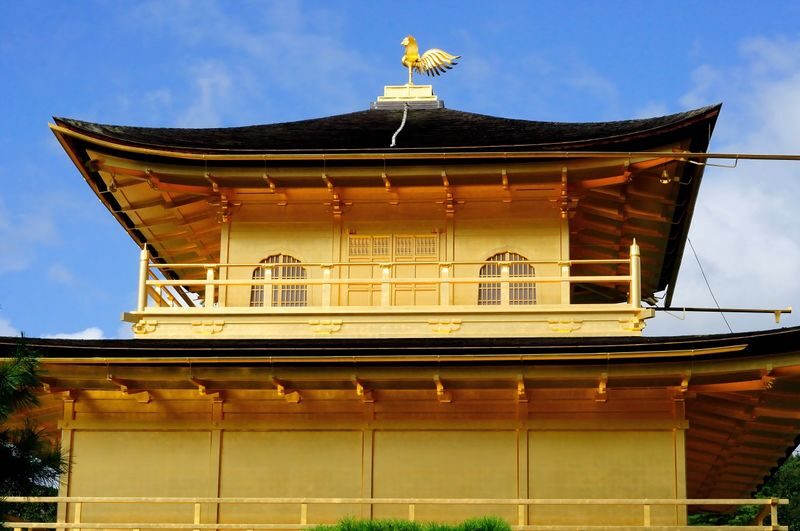
Kinkaku-ji, the Golden Pavilion, gets about 40 minutes. First built in 1397, the pavilion is known for the gold leaf covering its upper two floors and the reflection that shimmers in the pond below. The visit follows a set route around the grounds, with a classic view of the building across the water.
This is one of the day’s most striking sights, but the short stop is best treated as a focused visit. Take in the pavilion, enjoy the garden views and make your photos, rather than expecting time for a long, unhurried exploration. Entry is not included, so factor in the extra fee alongside Nijo Castle’s admission.
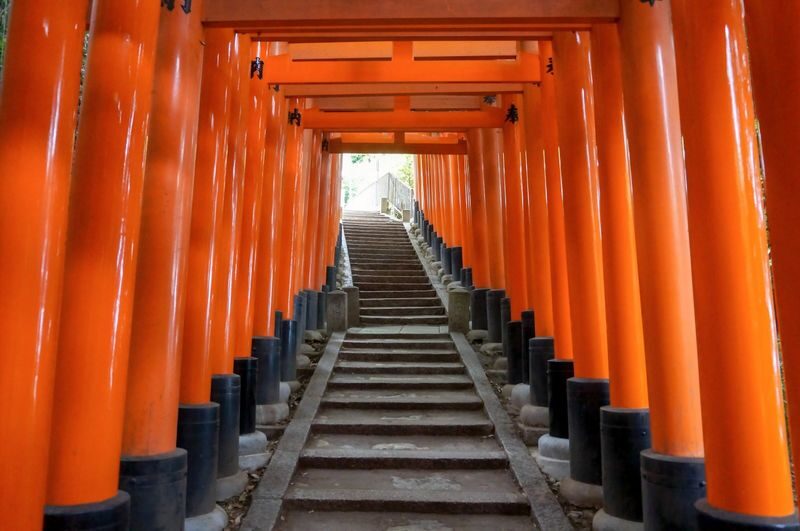
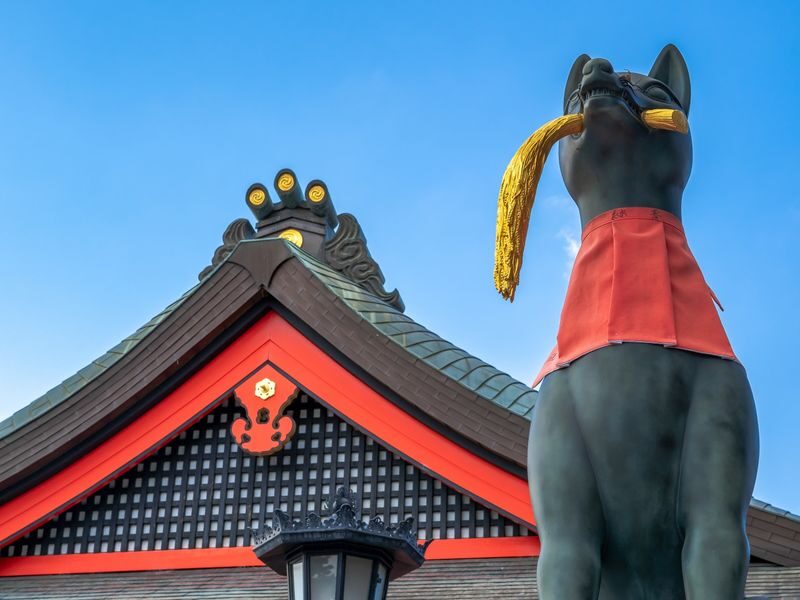
The final major stop is Fushimi Inari Taisha, with about 1 hour 10 minutes on site. Its thousands of vermilion torii gates form a tunnel-like path up the wooded hillside. The famous Senbon Torii section is a memorable walk, with shifting light and shadows between the closely spaced gates.
The shrine is dedicated to Inari, associated with prosperity and business success. You can visit the shrine buildings, make a prayer and walk into the gate-lined paths. The full mountain route takes longer than the time allowed here, so plan on seeing a section rather than completing the entire climb. If you prefer an easy visit, stay near the lower shrine and the well-known gates; if you walk farther, watch the clock.
Fushimi Inari is a fitting final stop because it feels very different from the formal gardens and palace rooms earlier in the day. But it can be crowded, and walking through the gates at a steady pace takes time. Keep the meeting point and departure time clear, especially if you head beyond the busiest section.
At a starting price of $45.89, this tour can offer strong value if you plan to visit several of these sights in one day. The fare includes round-trip transfers from the meeting point, tolls, parking and fuel, as well as an English- or Chinese-speaking guide, depending on the package. You avoid arranging separate transport between far-apart attractions, which is a real benefit when time is short.
The price is not the whole budget. Nijo Castle and Kinkaku-ji entry, meals, drinks and personal expenses are extra. Add those costs before you compare the tour with independent travel. The tour is most worthwhile if the convenience and guided structure are worth more to you than the freedom to set your own pace.
The guide can also make the schedule feel more human. Guides named Chris, Anson, Cali, Scarlett and Laura have been praised for explaining the history, giving clear directions, helping with photos and answering questions. Some have also helped with restaurant suggestions, including options for specific dietary needs. These are useful touches, especially on a busy route, but guide assignments can vary. A few accounts describe basic or uneven explanations, so think of the guide as a helpful companion rather than a substitute for specialist lectures at every stop.
One practical detail: guide information is sent by email around 6 p.m. the day before the tour. Check your spam folder if it does not appear. Some departures use a messaging group to share updates; the operator says LINE users will receive a group link by email because guides cannot add them directly by phone number.
Book this if you have one day for Kyoto, want to see the headline sights, and would rather ride between them than plan several train and bus connections. It suits first-time visitors, families who value a comfortable coach between walks, and solo visitors who like having a guide and a clear schedule.
Choose independent travel if you want to spend half a day in Arashiyama, climb farther up Fushimi Inari, or take your time at the castle and temples. You can reach these places by public transport, and going on your own gives you more control over meal breaks and time at each stop.
The key question is whether four distinct stops in one day sounds energizing or rushed. If you are happy to see the highlights and keep moving, this is a practical way to get a first look at Kyoto. If you want depth over breadth, pick fewer places and linger.
“very good tour guide! good at communicating and making sure we are all safe! very punctual and very friendly! Chris is a very good tour guide! 5 st…”
The tour lasts about nine hours. The listed schedule runs from 8 a.m. to 5 p.m., with an Osaka return at about 6 p.m. The schedule may change due to traffic or weather.
Departure options are available from Osaka and Kyoto. The exact meeting location depends on the package you book, so check your confirmation and the guide details sent the evening before.
The tour includes round-trip transfers from the meeting point, tolls, parking, fuel and a Chinese- or English-speaking guide, depending on the package.
No. Admission to both Nijo Castle and Kinkaku-ji is not included. Meals, drinks and personal expenses are also extra.
The schedule gives about one hour at Nijo Castle, two hours in Arashiyama, 40 minutes at Kinkaku-ji and 1 hour 10 minutes at Fushimi Inari. Traffic or weather may affect the schedule.
The planned alternative is Heian Shrine Garden. It is closed every Tuesday in January, July, August and December, and from December 26 through January 3.
Arrive at the meeting point 15 minutes before departure. Late arrivals and no-shows are not refundable.