Physical Address
304 North Cardinal St.
Dorchester Center, MA 02124
Physical Address
304 North Cardinal St.
Dorchester Center, MA 02124

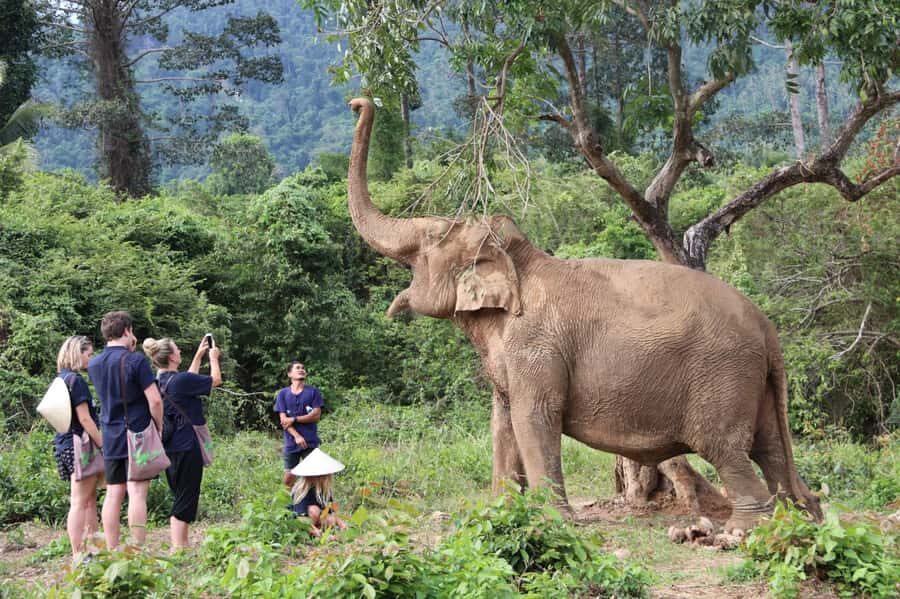
Meet rescued elephants on Koh Samui, learn about Thai elephant heritage, prepare food, walk through the forest and help plant native seeds.
The heart of this Koh Samui outing is seeing rescued elephants forage and move through a forest area without a ride or a show. You also get close in practical ways: preparing food, feeding the elephants and watching how their caretakers help them stay comfortable in the tropical heat.
I like the mix of Thai elephant heritage and hands-on conservation, especially the seed bombs made with native seeds. I also like that the schedule leaves room for food and a rest, not just a quick photo stop. One consideration: the forest walk is short, and the grounds may feel small if you expect a vast wildlife reserve.
Many elephant activities promise a close encounter. This one adds context before you meet the animals: a visit to the Elephant Museum introduces the bond between elephants and Thai people, and the sanctuary explains its rescue and care work. That framing matters. It gives you a reason to think about what elephants need, not only how close you can get for a photograph.
The experience is designed around observation and supervised activities. You may prepare food, feed the elephants and watch them in the forest, but the stated emphasis is on their welfare and choice. The program also includes a practical conservation activity: making seed bombs to help native plants grow and support future food sources.
There is genuine contact here, which is part of the appeal. Some activities bring you close to the elephants, and the cooling period may include a chance to see them near water. But this is not a promise that every elephant will interact or bathe on cue. A good visit means accepting the animal’s pace, even if that means a moment is quieter than you imagined.
You can check availability for your dates here: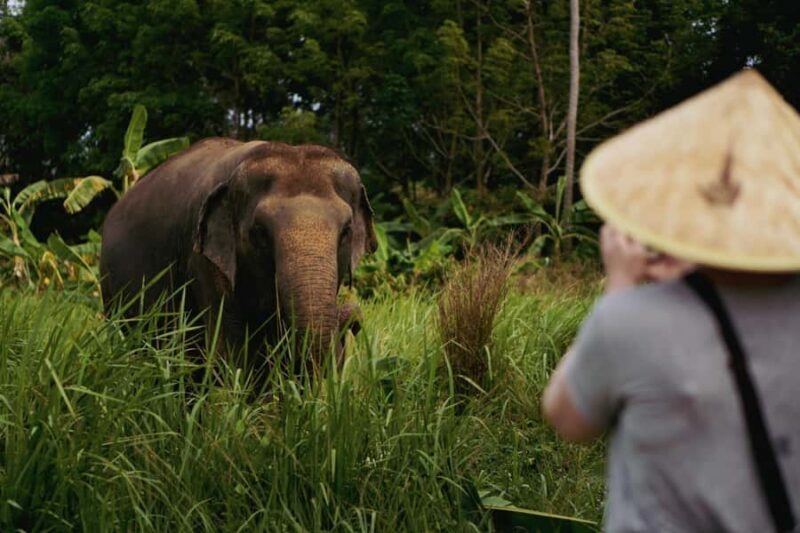
The tour lasts four hours, including transport, and pickup and drop-off are included around Koh Samui. Your pickup time is confirmed by email, and you are asked to wait in your hotel or villa lobby about 15 minutes before it. That small buffer is useful on an island where a van may collect people at several locations.
At Samui Elephant Home, the visit begins with a welcome, safety briefing and introduction to the rescue project. The first hour includes the museum, where interactive displays and historical material cover the role of elephants in Thai heritage, spirituality and daily life. If you have mainly seen elephants as tourist attractions, this is a helpful reset: it puts the animals in a wider cultural and conservation context.
The museum is a particular plus for families and curious first-time visitors. It gives children and adults a subject to carry into the rest of the visit, and it helps explain why care involves more than food and shelter. If your main interest is a long, detailed account of elephant history, set expectations sensibly. The experience includes a museum visit, but the overall four-hour schedule also has a forest walk, activities and a meal.
Looking for more options in Ko Samui? Here are some other experiences worth considering.
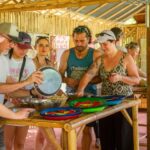
After the introduction, staff demonstrate how organic food is prepared for the elephants. You’ll hear about their dietary needs and how nutrition supports their health at different life stages, then take part in making food yourself. Preparing it makes the feeding more meaningful: you see a small part of the daily work behind animal care rather than arriving only for the exciting moment.
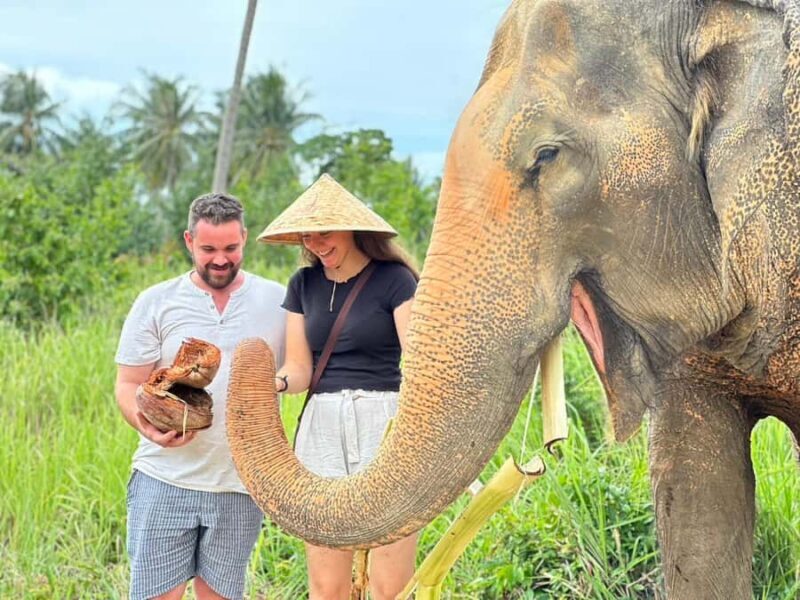
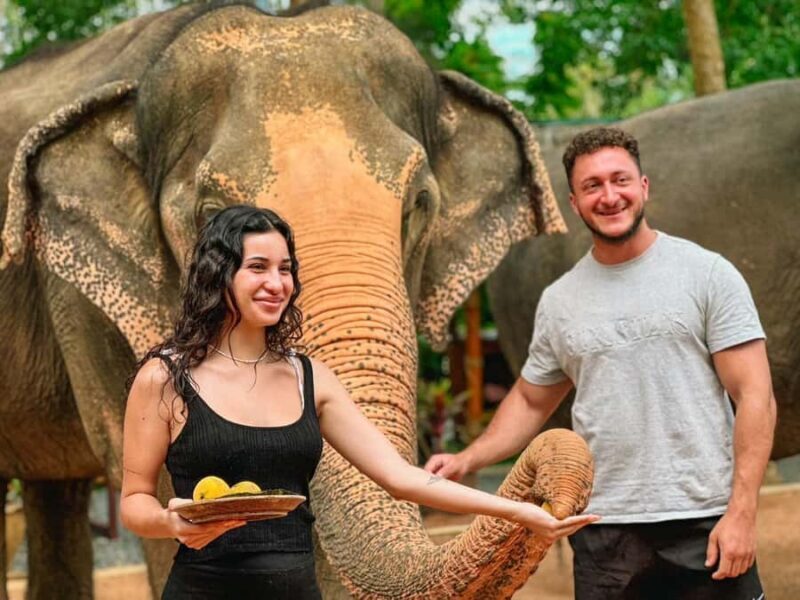
Feeding is one of the closest parts of the program. It can be a memorable way to notice the elephants’ size, manner and individual personalities, while staff guide the interaction. The focus is still on a supervised encounter, not on treating an elephant like a prop. Follow instructions, move calmly and let the caretakers direct the activity.
Some visitors describe being able to pat elephants as well as feed them. The precise contact can depend on the activity and the animals’ willingness, so don’t book on the assumption that every elephant will want to be touched. The best approach is to enjoy what is offered and leave the animal room to choose.
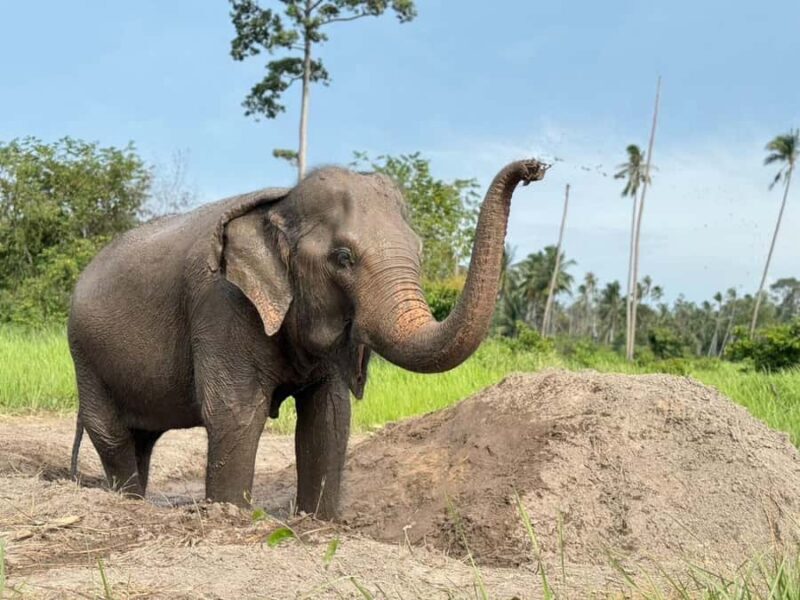
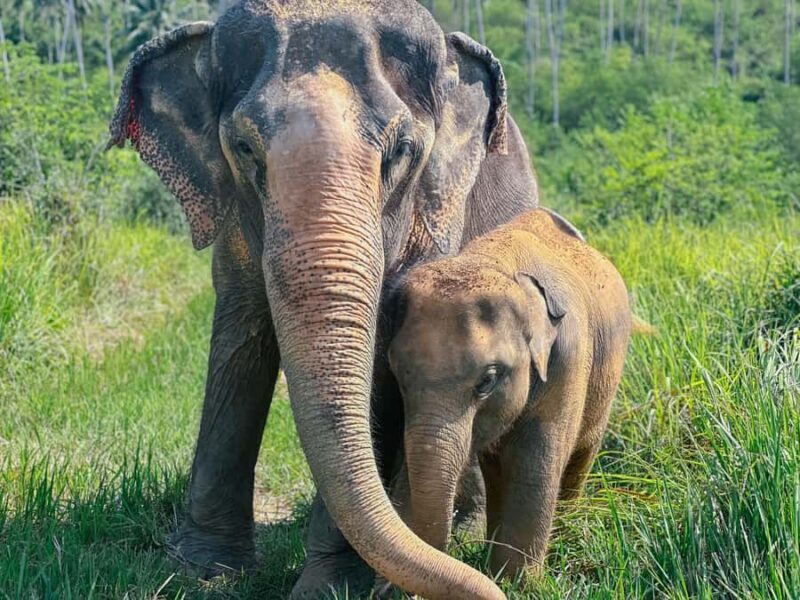
The forest portion gives the encounter a different feel. Instead of keeping the elephants in a performance space, you watch them forage, explore and move through their surroundings. The walk is described as short, around five minutes in one account, so think of it as a close look at their routine rather than a trek through a large reserve.
That shorter walk is both a strength and a limit. It makes the outing accessible for people who don’t want a strenuous hike, and it gives you a chance to see natural behaviors at close range. But if you picture hours of walking through expansive jungle with elephants roaming across a huge territory, this is not that kind of excursion. The sanctuary grounds can feel compact, especially to visitors expecting a much larger forest.
You may learn about the elephants’ personalities, social ties and what freedom means in a managed sanctuary. Keep your attention on their behavior, not just your camera. A quiet moment of foraging or moving together can tell you more than a posed encounter, and the guide can help interpret what you’re seeing.
The seed-bomb workshop is a distinctive part of the program. You’ll combine clay with native plant seeds, then use a traditional slingshot to send the bombs into the forest. The idea is to help restore forest areas and encourage future food sources for elephants. It’s a simple activity, but it ties your visit to the habitat rather than ending with a photo and a goodbye.
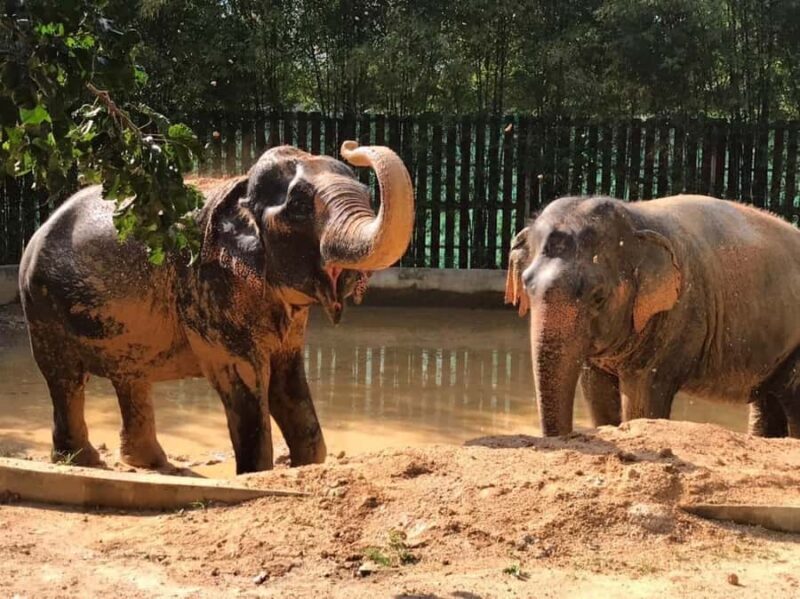
Later, the tour covers how elephants cool down in Koh Samui’s heat. Staff explain the role of shade, water and calm routines, and you can observe how the caretakers support the animals after their forest walk. The program describes cooling as something that should respect each elephant’s behavior and choice.
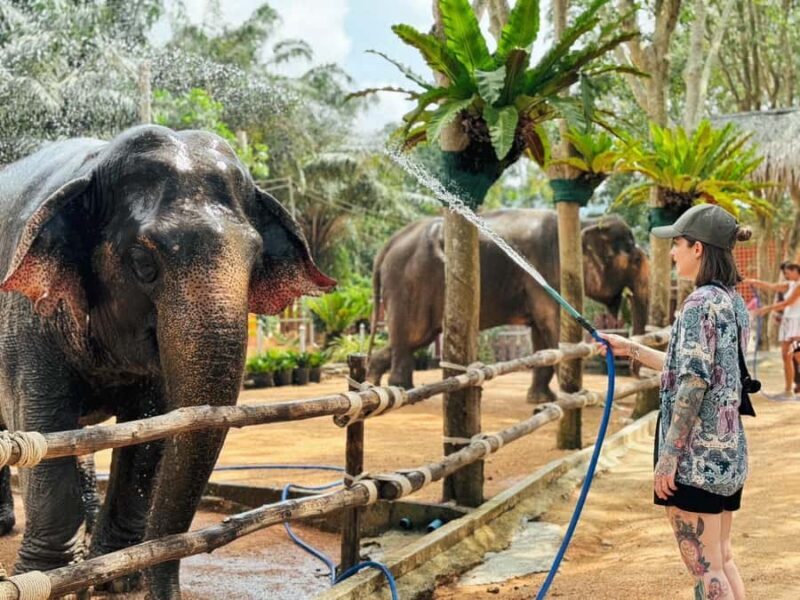
Some visits may include elephants in a bathing pool or near a pond, and accounts of the experience describe seeing them cool off at close range. But bathing should not be treated as a guaranteed performance or a human activity that the elephants must join. The stated approach is to let the animals decide. That distinction is important if you want an ethical encounter: the visit can still be rewarding when the elephants simply choose to rest or stay near the water.
Bring a change of clothes and a towel, along with comfortable shoes. Those items are sensible for a program that includes outdoor time and water nearby. The tropical weather can also affect the feel of the tour, so it’s worth being prepared for rain or heat.
More Great Tours Nearby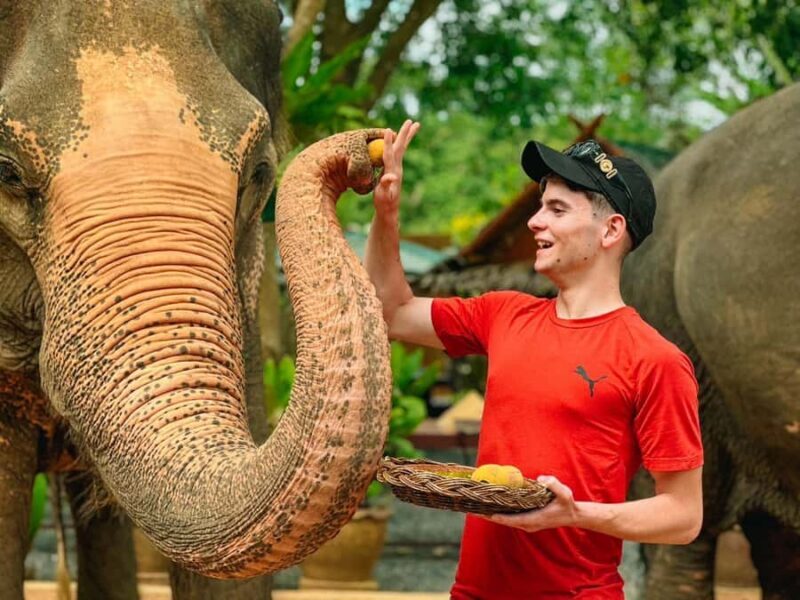
The schedule includes a break and a vegetarian seasonal buffet, plus tea and coffee. A meal is a useful part of a four-hour outing: it gives you time to sit down after the outdoor activities and makes the experience feel less rushed. Food and refreshments are included, so the $96 price covers more than the animal encounters alone.
The guides are central to how much you take away. The program is in English, and guides who have led visits include Nana and Pat, though staffing can change. Good guiding matters here because the value lies partly in understanding the animals’ care and rescue stories, not only seeing them up close. Ask questions as you go, and listen for explanations about food, health and daily routines.
The stated schedule is roughly one hour for the museum and introduction, two and a half hours for the sanctuary activities, and about an hour for a break and meal, within a four-hour outing that includes transfers. The exact pace can vary. Expect a structured program with several activities, not an open-ended day at the sanctuary.
The experience also includes a surprise video during the activities. It’s an extra touch, though the central value is the time with the elephants, the care demonstrations and the conservation work.
At $96 per person, this is not a bargain-basement animal stop. It does, however, bundle island transfers, an English-speaking guide, the museum, supervised food preparation and feeding, forest viewing, the seed-bomb activity, refreshments, a vegetarian buffet and insurance. If you would otherwise arrange transport and look for a separate educational activity, those inclusions make the price easier to justify.
The best value comes if you want both close contact and an explanation of elephant care. You’re not paying only for a brief feeding moment: the program connects that encounter to nutrition, rescue, Thai heritage and forest restoration. Families may especially appreciate the mix of short activities, and the tour is wheelchair accessible according to the activity details.
This is a good fit if you want a half-day outing that is educational but still hands-on. It also suits visitors who want to support an elephant-care project without choosing a ride or show. If your priority is a long wilderness hike, a very large reserve or a strictly distant wildlife-viewing experience, the compact grounds and close feeding activities may not match your ideal.
The program is highly rated, with 4.9 from 1,737 ratings, and transport has received particularly strong marks. That is reassuring for a half-day excursion, but the most useful question is still whether its format suits you: expect a well-organized mix of learning, close encounters and short outdoor activities, not a full-day safari.
Book it if you want to learn about elephant care while seeing rescued animals at close range, and if you’re comfortable with supervised feeding and a short forest walk. The museum and seed bombs give the visit more substance than a simple meet-and-feed stop, while the included transport and meal make planning easy.
Skip it if you expect a sprawling wilderness sanctuary or want to spend most of the day walking. The forest section is brief, and the animals’ choices shape the cooling activity. For a compact, educational half-day with practical conservation elements, this is a thoughtful way to meet elephants on Koh Samui.
“Overall we enjoyed this experience. It was great to learn about how elephants eat and live on Samui, however we were seeking more education around …”
The experience lasts four hours, including the scheduled activities and island transfers.
The listed price is $96 per person.
Yes. Pickup and drop-off at hotels or villas around Koh Samui are included. The pickup time is confirmed by email, and you should wait in the lobby about 15 minutes before that time.
The live tour guide speaks English.
A vegetarian seasonal buffet is included, along with tea and coffee.
The program includes preparing food and feeding the elephants under staff guidance.
No. The experience is focused on observing, feeding and learning about elephant care, not riding.
You make seed bombs from clay and native plant seeds, then use a traditional slingshot to launch them into the forest.
Bring comfortable shoes, a change of clothes and a towel.
You can cancel up to 24 hours in advance for a full refund. The activity also offers a reserve-now, pay-later option.
You can check availability for your dates here: