Physical Address
304 North Cardinal St.
Dorchester Center, MA 02124
Physical Address
304 North Cardinal St.
Dorchester Center, MA 02124

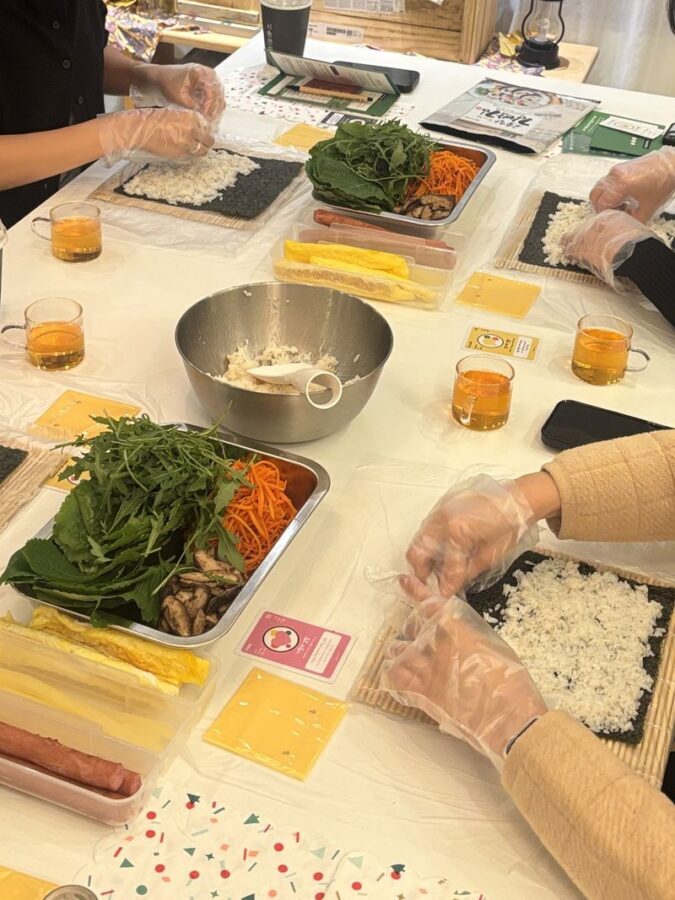
Make color-inspired kimbap in Seoul, explore a gentle food ritual, and pack your handmade lunch in a Korean-style box with bojagi wrapping.
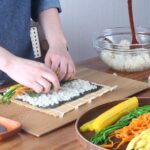
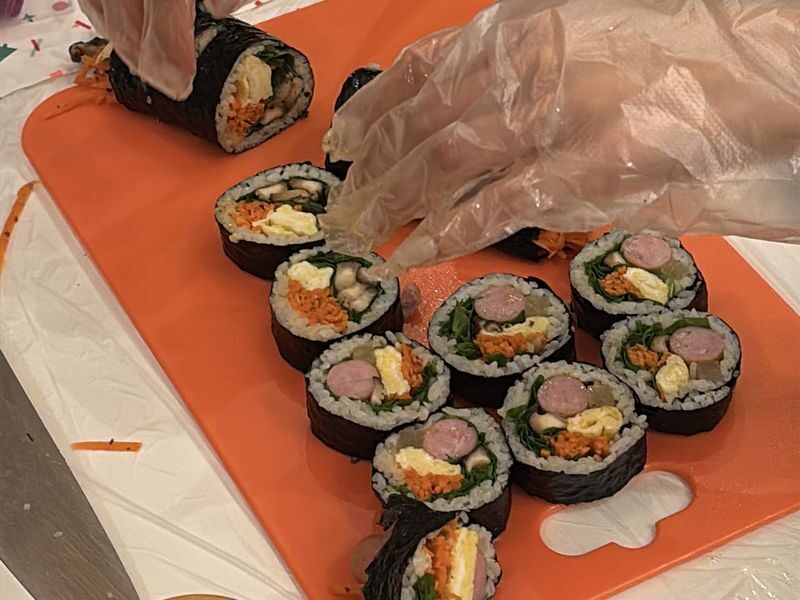
A kimbap-making class with a quiet, reflective pause built in is a different sort of Seoul food experience. At K-Vibe Studio, you make your own colorful rolls, consider how colors connect with mood, and finish with a Korean-style lunchbox to take away.
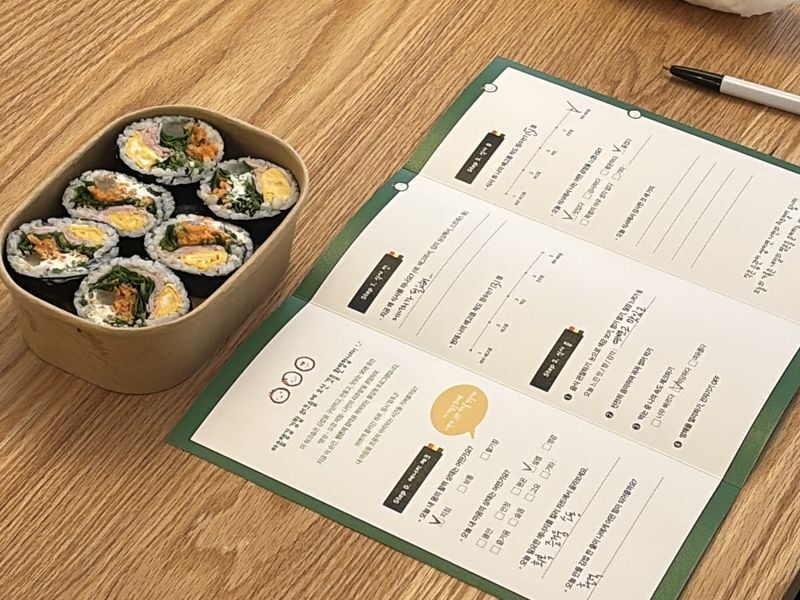
I like the color-inspired approach, which gives you a personal way into a familiar Korean dish, and the practical finish: your handmade kimbap is packed with a drink and traditional bojagi wrapping. The class is also designed to be welcoming to beginners, not just confident cooks.
One consideration: 90 minutes is a short visit, and the focus is one dish rather than a broad cooking lesson or a city tour. The listed starting prices also differ, so check the price for your selected date and package before booking.
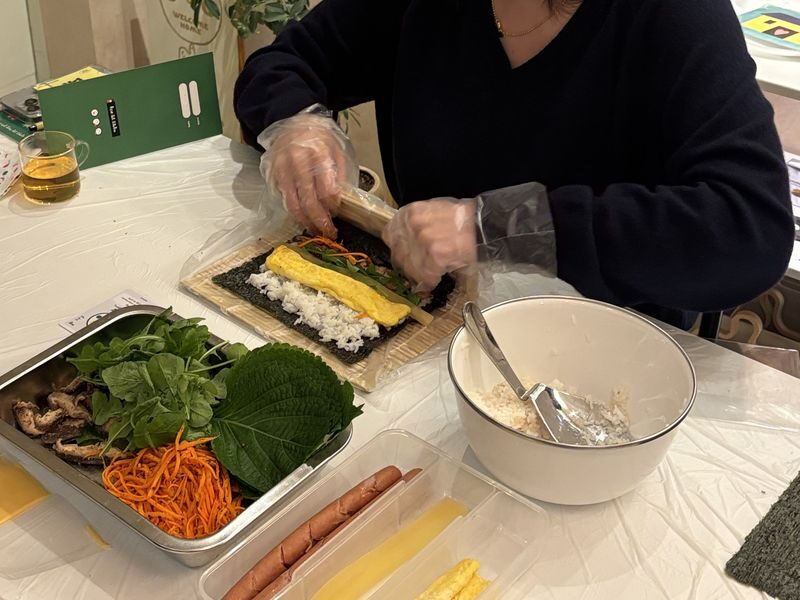
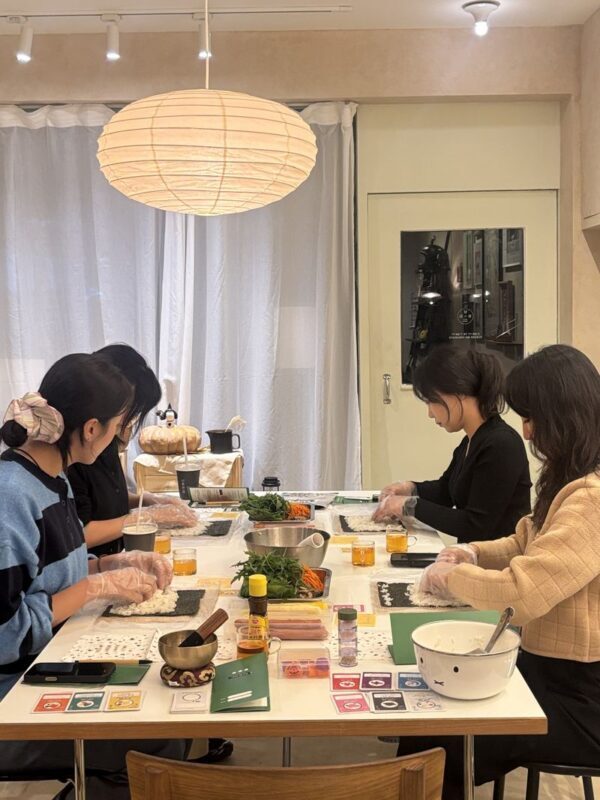
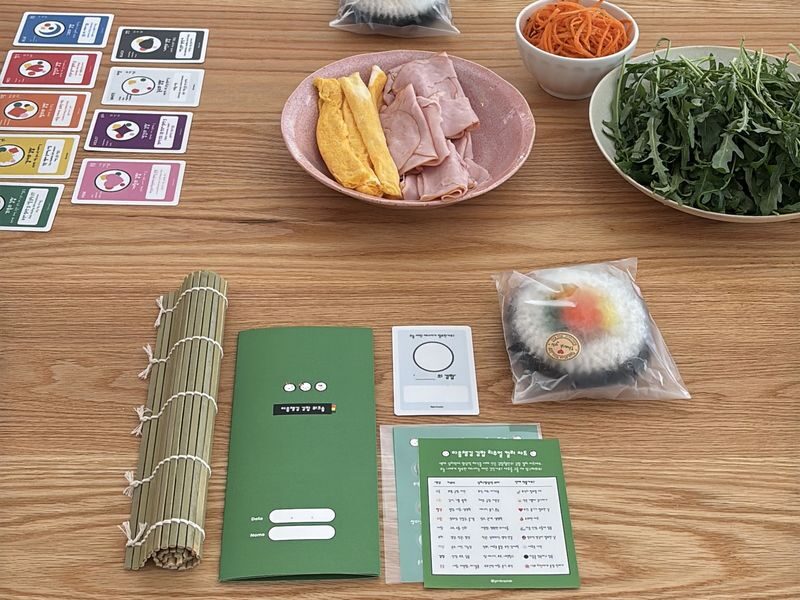
Kimbap is the center of the class, but the idea is to pay attention to more than the rolling and filling. You work with fresh local ingredients, use color as a prompt for reflection, and take part in a gentle meditation. It is a modern, personal take on a Korean food activity, rather than a lesson focused only on recipes and technique.
That distinction matters when choosing among Seoul cooking classes. If you want to learn several dishes or spend a long session on cooking methods, this may feel too focused. If you like the idea of making one popular Korean food and giving the process a little more attention, the format has a clear purpose.
The class runs for 90 minutes. That gives you time to make kimbap, explore the sauces, and take part in the reflective element, while still fitting into a day with other plans. It is a compact activity, not an all-afternoon cooking course.
Want to bring Seoul flavors home? These cooking classes could be just right
The class begins at K-Vibe Studio, where an English-speaking guide leads the experience. The instructor’s name is not provided, but the teaching style is described as warm and the steps as easy to understand. That is useful if you are new to Korean cooking or simply want to follow along without needing to know food-related Korean terms.
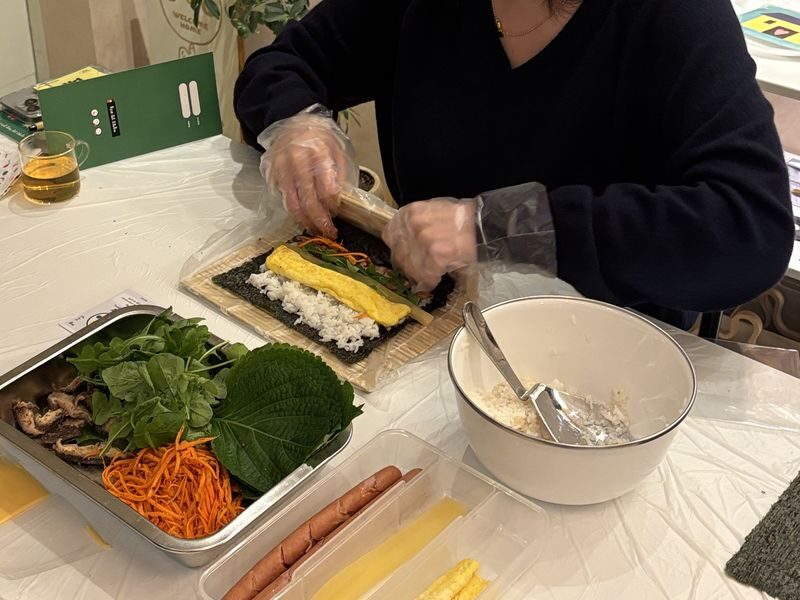
You make your own kimbap using fresh local ingredients, with color serving as the creative prompt. The class connects those colors with mood and emotions, so the food-making has a reflective side. You do not need to treat that as a formal meditation practice. It is presented as a gentle pause to slow down and notice your senses.
The activity is suitable for a range of cooking abilities. You do not need to arrive with kitchen experience, and the format still gives confident home cooks something unusual to try: a color-based approach to a Korean staple. The available details do not specify the exact ingredients or fillings, and the menu can change with the season and ingredient availability. If you have a particular dietary need, check directly before booking rather than assuming a specific menu.
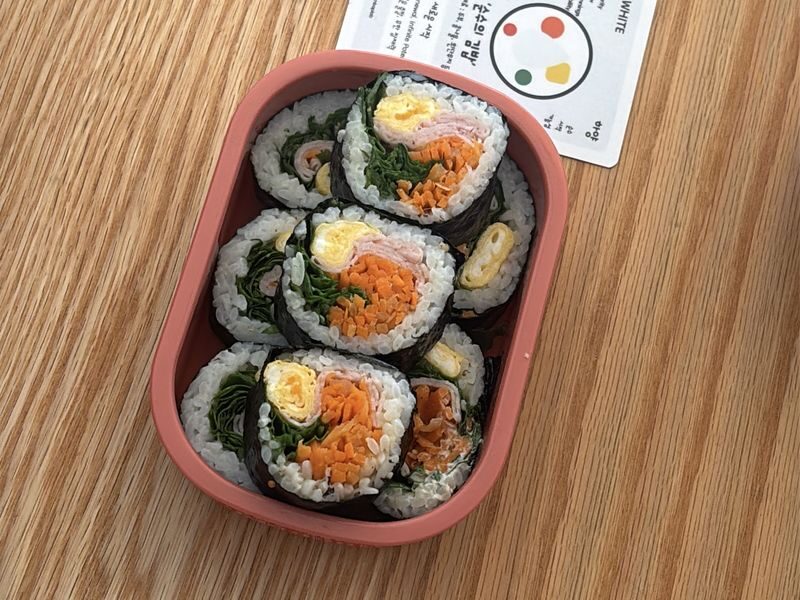
After making the kimbap, you get to try selected Korean sauces chosen to go with it. This adds a tasting component to the class and lets you compare how different sauces complement the same handmade food. The specific sauces are not named, so go in expecting variety rather than a particular flavor or heat level.
I like that the sauces are part of the activity rather than an afterthought. They give you a chance to consider how a small addition can change a bite, and they make the meal feel more complete. Meals and beverages are included, though the exact drink and menu may vary.
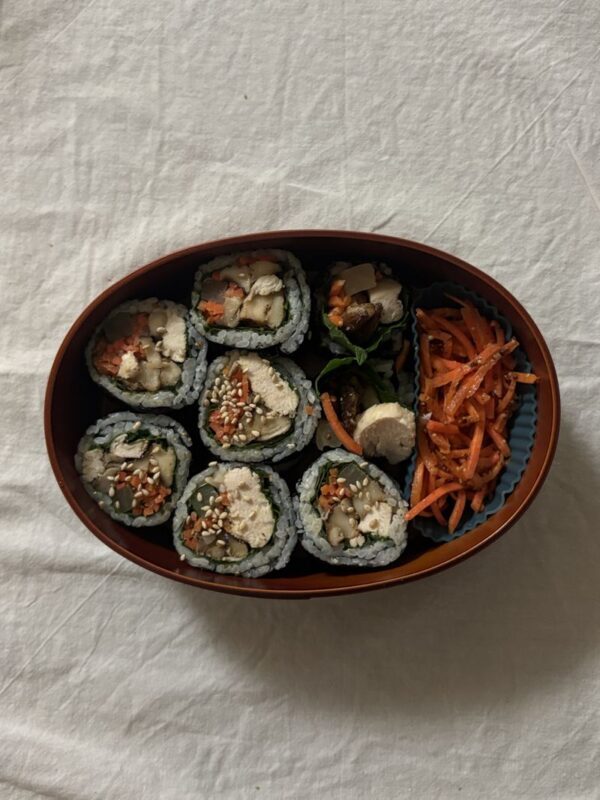
The food is not only for eating at the studio. You pack your kimbap in a traditional Korean-style lunchbox and wrap it in bojagi, a Korean cloth used for wrapping. A picnic basket and drink are also part of the described finish, making the takeaway feel like a small prepared lunch rather than a container of leftovers.
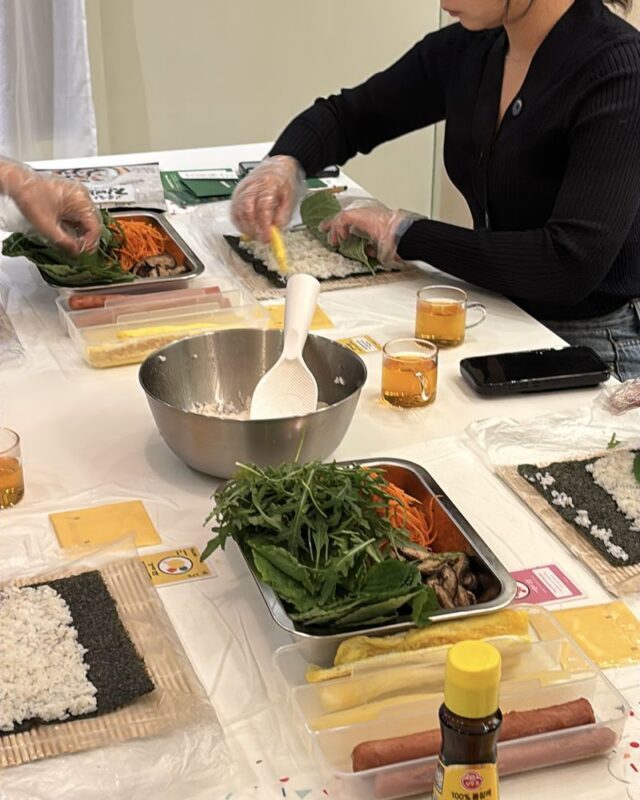
The reflective element is central to the experience’s character. You pause, connect color with mood, and bring attention to the act of cooking and eating. For some people, that gentle self-reflection will make a familiar food activity feel more meaningful. For others, the meditation may be less appealing than simply learning to make kimbap.
Neither response is wrong. The class is best suited to someone who is open to a calm, creative activity, even if they are not looking for a full meditation session. If you prefer a fast-paced food tour or a lesson built around mastering several recipes, this is likely not the right fit.
The itinerary is simple: depart, take part in the experience in Seoul, and return to K-Vibe Studio. There are no separate sightseeing stops described, and the experience is based at the studio. That makes it easy to plan around, but do not book it expecting transport around Seoul or a neighborhood food walk.
K-Vibe Studio is at 1F, 34 Gangnam-daero 79-gil, Seocho-gu, Seoul. The class information notes that the location is easy to find and clearly marked, a useful detail when you are making your way to an activity at a set time. Allow enough time to arrive before your booked start.
The departure time offered is 11:00, with the class ending at 12:30. The meeting and return point is the studio. Confirm the time shown for your booking, since available options can depend on the selected departure time and itinerary duration.
The schedule notes that timing may change due to traffic or weather. Since this is a studio-based class rather than a multi-stop excursion, the practical point is to keep your plans around the session flexible enough to handle a change. The voucher is valid only for the date and time specified.
You might also be interested in these Seoul experiences
The supplied prices show two different starting figures: US$62.29 in the summary and US$56.65 for the Experience package. Treat these as starting prices, not a guaranteed final amount. Check the cost displayed for your date and package before paying.
The price covers a 90-minute guided activity, meals and beverages, lunchbox packaging, and Korean-style bojagi wrapping. You are paying for instruction, the food you make, the sauces, and the finished take-away presentation, as well as the mindful component. That is more than a quick demonstration, but less than an extended cooking course.
Value depends on what you want from your time. If you are interested in Korean food and culture and like hands-on activities, the combination can make the price worthwhile. You get to prepare the food yourself and leave with it packed for later. If your priority is a substantial meal, a long class, or learning multiple recipes, compare it with broader Korean cooking experiences before booking.
Personal expenses and tips are not included. Children aged 4 to 7 can take part for free, according to the eligibility details; check the booking conditions for how to include a child in your reservation.
This is a good match for food-minded visitors who want to make a Korean dish rather than only order one. It also suits couples, friends, or solo visitors looking for a calm activity that gives them a break from sightseeing. Since the teaching is described as clear and welcoming, you do not need to be an experienced cook to take part.
The class may appeal to anyone curious about the way food can connect with mood and attention. That said, the color reflection is a specific part of the format, not an optional extra to ignore without changing the feel of the session. If that sounds too soft or introspective for your taste, a technique-focused cooking class may suit you better.
Families may want to note the free admission for children aged 4 to 7, but the information provided does not describe child-specific activities. Consider whether a young child will enjoy a 90-minute cooking and reflection session before booking.
Confirmation is expected within 24 hours. If it does not arrive, contact customer support. The activity has a full refund cancellation option if you cancel at least 48 hours before the activity date, using Seoul local time.
The menu may change with the season and ingredient availability, so do not count on a particular filling or sauce. The experience is offered at K-Vibe Studio, and the activity details specify an English-speaking guide. If food restrictions or other needs affect your decision, ask the provider before you reserve.
Book this if you want a hands-on introduction to kimbap with a calm, thoughtful twist. The strongest reasons are the color-led activity, the clear beginner-friendly teaching, and the take-away lunchbox wrapped in bojagi. It is a neat way to make a familiar Korean food your own, then carry the result into the rest of your day.
Skip it if you want a full Korean cooking course, a sightseeing route, or a session focused only on culinary technique. And check the final price carefully, since the two displayed starting prices differ. For the right mood, this is a compact, personal food experience that leaves you with both lunch and a small ritual to remember.
“This class was perfect for a beginner or a more skilled cook in the kitchen. Everything was organized, clean, and easy to understand. The teacher m…”
The experience lasts 90 minutes. The listed session runs from 11:00 to 12:30.
It takes place at K-Vibe Studio, 1F, 34 Gangnam-daero 79-gil, Seocho-gu, Seoul.
Yes. The class is described as suitable for beginners as well as more experienced cooks, with clear instruction.
An English-speaking guide, meals and beverages, lunchbox packaging, and Korean-style bojagi wrapping are included.
Yes. You pack your handmade kimbap in a Korean-style lunchbox to take home.
Children aged 4 to 7 are eligible to take part for free.
You can receive a full refund if you cancel at least 48 hours before the activity date, using destination local time.