Physical Address
304 North Cardinal St.
Dorchester Center, MA 02124
Physical Address
304 North Cardinal St.
Dorchester Center, MA 02124

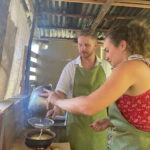
Cook Sri Lankan curries, hoppers and sambol with Ranjani in Ella, then enjoy your meal on a banana leaf and take home digital recipes.
The appeal here is not just a plate of curry at the end. You learn traditional techniques with Ranjani in an open-air kitchen, then share the meal you helped prepare, served on a banana leaf. I especially like the focus on how spices are used, including their health benefits, and the chance to take recipes home.
One thing to know before booking: this is a shared cooking session, not a private workstation for every participant. You may take turns chopping, stirring and helping Ranjani, while she handles some of the more involved steps. If you want to cook every dish from start to finish yourself, this format may not suit you.
The class begins when you meet the staff at Chamathka Cooking Class and join Ranjani in an open-air kitchen. It’s a practical setting, with greenery around you and better airflow than a closed kitchen, a welcome feature when cooking over heat.
Expect to start with the ingredients. Fresh produce and spices are introduced before the cooking begins, and Ranjani explains what goes into each dish and why. The lesson is not only about copying a recipe: it also gives you a feel for how local ingredients are put together and how traditional methods shape the result.
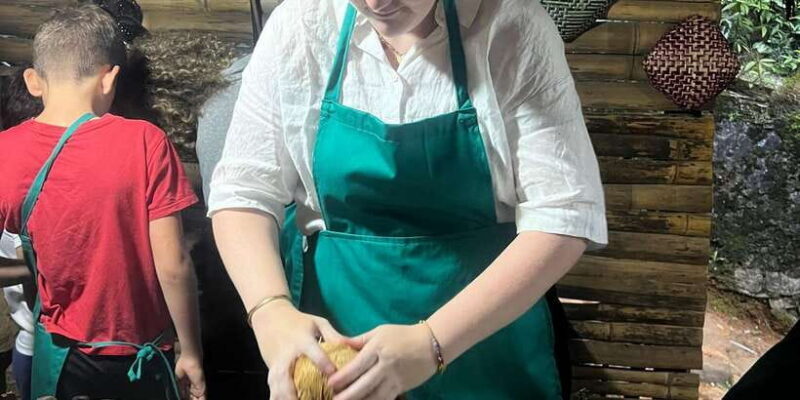
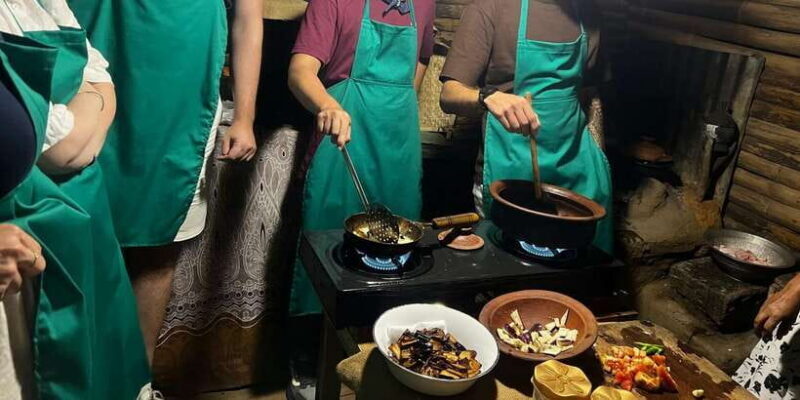
The cooking is done as a group at a shared workstation. Ranjani demonstrates some techniques, then invites participants to help with preparation and cooking. You may grate coconut, prepare ingredients, stir a pot or season a dish. How much hands-on time you get can depend on the group and the pace of the class.
That shared format has a trade-off. It can be sociable and easy to follow, especially if you like learning by watching and asking questions. But you should not expect a separate stove and individual set of ingredients for each person. If you’re keen to practise every step yourself, ask the provider what the current class format will be before booking.
Want to bring Ella Sri Lanka flavors home? These cooking classes could be just right
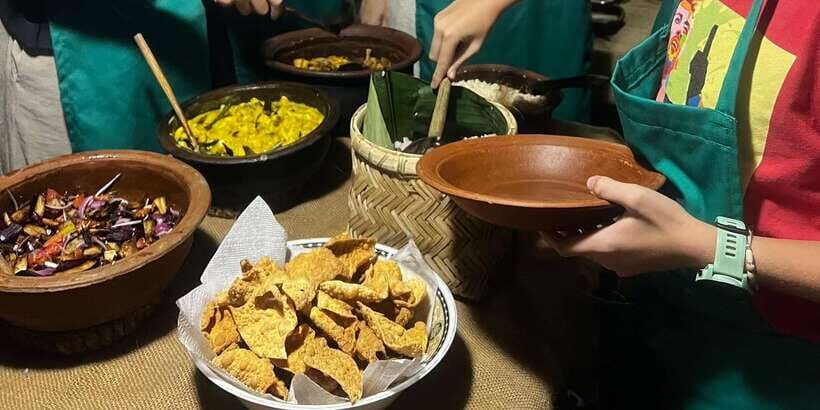
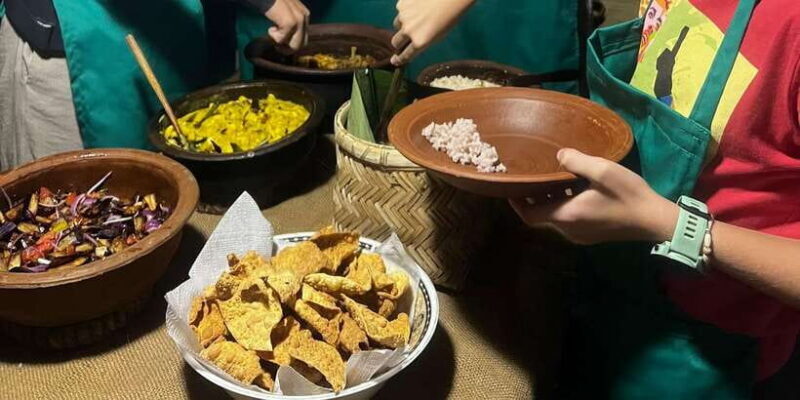
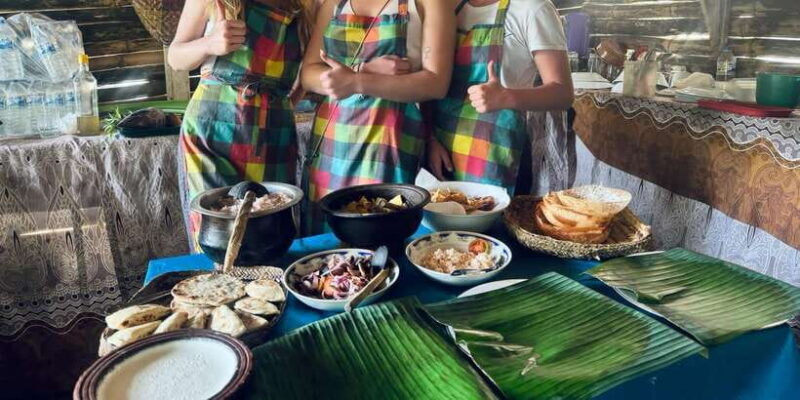
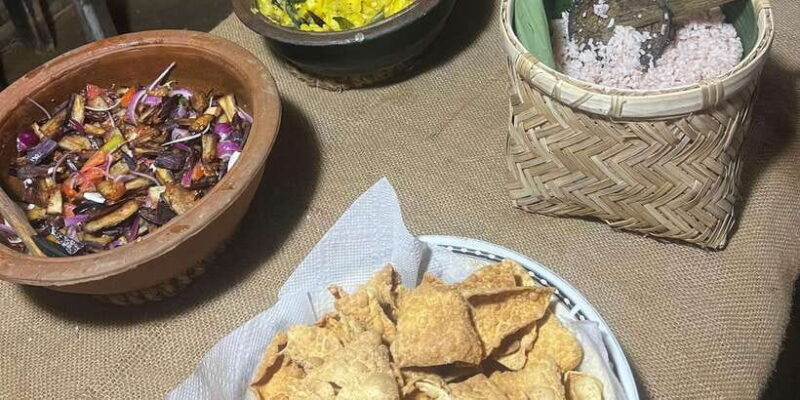
The exact menu can vary. Dishes named for the class include hoppers, rice and curry, string hoppers and honey roti. Other meals have included dhal curry, chicken curry, aubergine salad, coconut sambol and papadam. You are not promised a particular selection, so think of the menu as a taste of local cooking rather than a fixed cooking syllabus.
A useful part of the lesson is seeing how several dishes fit together into a meal. Instead of learning one curry in isolation, you may help prepare a spread with different textures and flavors. That makes the final meal more satisfying, and gives you more than one recipe to take home.
Traditional tools and methods are part of the experience. Participants have seen coconut grated and turned into coconut milk, and learned how dishes such as dhal and sambol are made. Some techniques may look unfamiliar, but watching them in use gives you a better sense of the work behind a home-cooked Sri Lankan meal.
Ranjani also talks about the health benefits and uses of herbs and spices. Treat this as part of the cultural context, not as medical advice. The practical takeaway is that you’ll learn more about the ingredients than their names, and may get ideas for using them in your own cooking.
This is a guided lesson, not a test. Ranjani explains each step and brings participants into the work as the meal takes shape. The group format lets you learn from the demonstration, then try selected tasks without having to manage an entire menu alone.
That balance works well for beginners and for anyone who wants a relaxed introduction to local cooking. It also means participation is shared. If the class is full, you may spend more time observing than you would in a private lesson, though the format is described as a small group limited to eight participants. One class has been reported as having 13 people, so it’s sensible to confirm the expected group size if that matters to you.
The teaching is in English and Sinhala. English instruction makes the class accessible to many international visitors, while the shared meal gives you an easy way to meet other people. The atmosphere is described as warm and informal, with a welcome tea and biscuits mentioned by some participants. Those refreshments are not listed as guaranteed inclusions, so don’t book solely on that expectation.
When the dishes are ready, you sit down to eat what the group has prepared. The meal is included in the price, along with bottled water, fresh ingredients, the instructor and the class itself. Expect a generous spread rather than a small tasting: several participants have described having plenty to eat, with food left over.
Eating from a banana leaf adds a small but memorable cultural detail. It is also a practical way to serve the meal without creating a pile of dishes. You can focus on tasting what you’ve cooked and comparing the different curries, sides and accompaniments.
For many people, this meal is the high point. The class gives you context for the flavors, and the food tastes different when you’ve watched the ingredients go in and had a hand in preparing them. If you have dietary requirements, tell the host in advance. One vegan participant was able to eat all but one dish, but that does not guarantee the same menu or accommodation for every class.
More Great Tours Nearby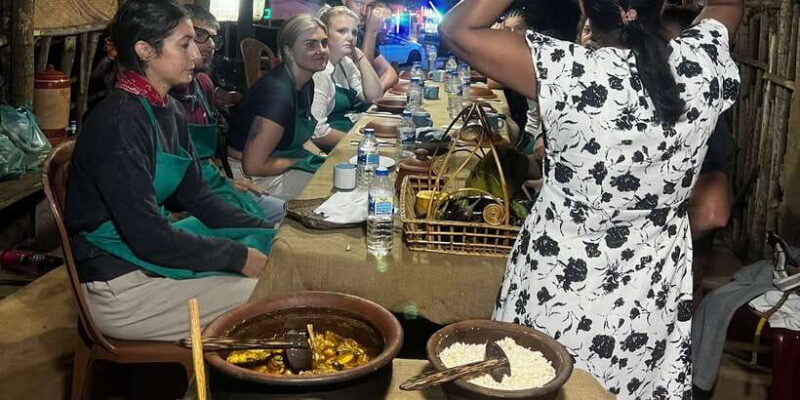
The recipes are sent digitally through WhatsApp after the class. That follow-up matters: a lively cooking lesson can be hard to remember in detail once you’re back on the road, and written recipes help turn the experience into something you can use later.
Some dishes are easier to recreate abroad than others, depending on what ingredients you can find. One participant appreciated recipes that could be made in Europe, and several people valued learning methods they could use at home. If you have a particular ingredient you’re unsure about, ask Ranjani during the class about substitutes or where to find it. The class is a good starting point, but it cannot guarantee every local ingredient will be available in your home country.
The advertised duration is two hours, with classes normally held at 11:00 AM and 5:00 PM. The provider can be flexible about the start time if you contact them in advance. Since the meal comes after the cooking, allow a little extra time before making plans immediately afterward. One participant suggested that the evening ran closer to two and a half hours, especially with plenty of food to eat.
You’ll need to make your own way to the meeting point at Chamathka Cooking Class. Transportation is not included, so check how you’ll get there before choosing a session. For the evening class, leave a buffer after the scheduled end rather than booking a tight onward commitment.
At $19 per person, the class offers more than a meal. You get ingredients, instruction, a shared cooking experience, bottled water, dinner or lunch, and recipes to keep. That is strong value if you want a cultural activity that is also useful after the trip. It is less compelling if you only want a quick meal or expect a private, hands-on lesson for each participant.
Booking is flexible: you can reserve now and pay later, and cancel up to 24 hours in advance for a full refund. Check the available times when booking, and contact the provider ahead of time if you need a different start time or want to discuss dietary needs.
I’d choose this class if you’re curious about Sri Lankan home cooking, enjoy learning in a social group and want a substantial meal as part of the activity. It also makes sense on a rainy day in Ella, when a hands-on indoor activity can be a welcome change from outdoor plans.
It’s a particularly good fit if you like asking questions about ingredients and want to carry a few recipes home. Ranjani’s explanations of spices, cooking methods and their traditional uses are a central part of the experience, not just background chatter while dinner cooks.
Skip it if you want a private lesson, a guaranteed menu, or uninterrupted time at your own stove. The class is collaborative, and the amount of individual participation can vary. Check the group size and menu expectations in advance if those are deal-breakers.
For most visitors who want more than another restaurant meal, I’d book it. The combination of traditional techniques, a generous shared dinner and take-home recipes gives this two-hour class lasting value, especially at $19.
“The foods that we cooked during the class were the best I had in Sri Lanka”

The class is listed as two hours. Allow some extra time, since the meal is served at the end and the session may run longer.
Classes normally take place at 11:00 AM and 5:00 PM. The provider may be flexible if you contact them in advance.
Check in with staff at the Chamathka Cooking Class. Transportation to the meeting point is not included.
The menu can vary. Possible dishes include hoppers, rice and curry, string hoppers, honey roti, dhal, sambol, aubergine salad, chicken curry and papadam.
A vegan participant was able to eat all but one dish in their class. Tell the provider about your dietary needs in advance, as the menu may vary.
Instruction is offered in English and Sinhala.
The recipes are sent digitally through WhatsApp after the class.
You can check availability for your dates here: