Physical Address
304 North Cardinal St.
Dorchester Center, MA 02124
Physical Address
304 North Cardinal St.
Dorchester Center, MA 02124

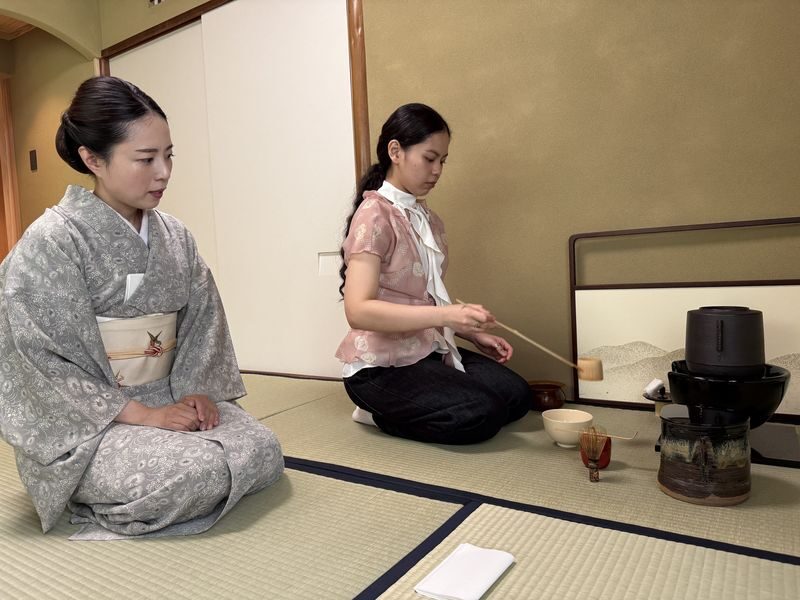
Learn the meaning of Sado in a small-group Kamakura tea room, with an English-speaking instructor, two matcha servings and seasonal sweets.
The heart of this Kamakura experience is not just drinking matcha. In a traditional sukiya-zukuri tea room, a certified tea master introduces the meaning behind Sado, then demonstrates how the ritual expresses hospitality and mindfulness. You get an hour to learn, watch and taste, rather than a quick photo stop.
I like two things in particular: the small-group setting, which is meant to keep the room calm and personal, and the chance to hear the why behind the ceremony from an English-speaking instructor. One practical drawback: the location can be a little hard to find, so allow time to locate it after leaving Kita-Kamakura Station.
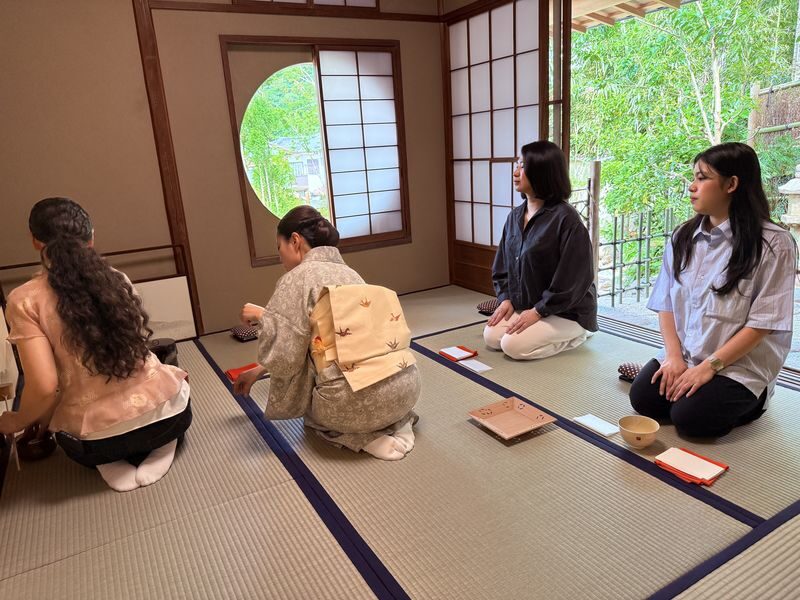
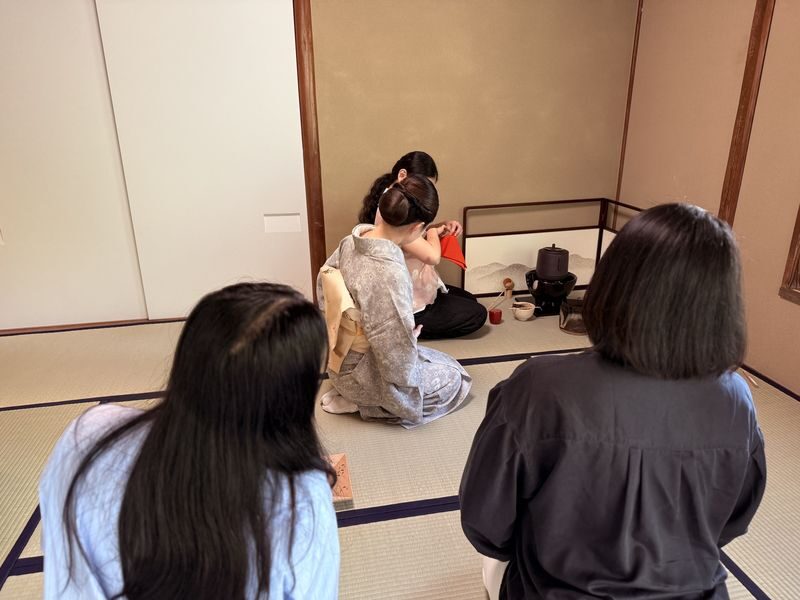
This is a compact introduction to Japanese tea culture, not a long formal course. In 60 minutes, you enter a traditional tea room, hear about the history and meaning of Sado, watch a live demonstration, and enjoy two servings of matcha with seasonal wagashi.
That short format is useful if you’re fitting Kamakura into a busy Japan itinerary. It gives you time to understand the ceremony without taking up half a day. You can also approach it with no prior knowledge: the English-speaking instruction is meant to make the ideas and ritual accessible to newcomers.
The focus is on understanding as well as watching. The ceremony is presented through the ideas of Zen, mindfulness and omotenashi, the spirit of hospitality. Rather than treating the preparation as a simple way to make tea, you’re invited to notice how the ritual expresses care and attention.
The session does not promise that you’ll master every movement or leave as a tea practitioner. Think of it as a guided first encounter. You’ll come away with a clearer sense of what the ceremony means and why each part deserves attention.
Looking for more options in Kamakura? Here are some other experiences worth considering.
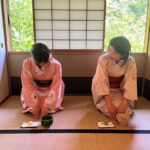
The setting is part of the lesson. Chikusuian’s tea room is described as sukiya-zukuri, a traditional style associated with tea-room design. You meet there and are welcomed into a space intended to offer a calmer contrast to the pace of sightseeing outside.
The experience begins with an introduction to Japanese tea ceremony, also called Sado, or the way of tea. A certified tea master explains its history and meaning. That context helps you read the demonstration as more than a sequence of movements: it connects the act of preparing and serving tea with hospitality and mindfulness.
Next comes a live demonstration of tea-making. You can watch the ritual unfold and listen to the instructor explain its purpose. The session emphasizes why the ceremony is performed as it is, not just what to copy. That distinction is valuable if you’re curious about Japanese culture but don’t want to spend an hour memorizing rules.
The precise order and timing of each part are not specified, so I wouldn’t expect a minute-by-minute lesson plan. The advertised structure is clear, though: welcome, cultural explanation, demonstration, and tasting. It’s a measured way to spend an hour, with room for both observation and a taste of the tea itself.
You receive two servings of freshly whisked matcha, paired with seasonal Japanese sweets called wagashi. The tea gives you a direct connection to the ritual you’ve just watched, while the sweets add a seasonal element to the tasting.
Two servings are a welcome detail. You’re not simply handed a cup at the end and sent on your way; there is enough tea to make the tasting a real part of the experience. The sweets are included, so you don’t need to arrange a separate snack during the session.
The seasonal nature of wagashi means the exact sweets may vary. No specific flavors or ingredients are listed, so if you have a strict diet or need to avoid particular ingredients, take the restrictions seriously: the activity cannot accommodate allergies, vegetarian diets or vegan diets.
This is a cultural tasting, not a full meal. Meals and beverages are included in the activity, but the stated food offering is matcha and seasonal sweets. If you’re hungry, plan to eat before or after rather than counting on the ceremony to serve as lunch.
The experience is described as intimate, with limited group sizes to preserve a calm and personal atmosphere. No maximum number is provided, so you can’t know the exact group size in advance. Still, the format is deliberately different from a large, fast-moving demonstration where it’s hard to hear or focus.
That smaller feel matters in a tea room. The point is to pay attention to the explanation and the ritual, not to compete for a view or rush through a crowded attraction. One person who took the session found it authentic and less commercial than expected. That is a useful sign of the experience’s tone, though a single account cannot guarantee that every session will feel identical.
The English-speaking instruction also makes the small-group format more useful. You can follow the cultural explanation without relying on guesswork, and first-time visitors can ask themselves what they want to notice: the host’s movements, the language of hospitality, or the ideas of Zen and mindfulness behind the ritual.
Couples, families with older children and cultural enthusiasts are all listed as suitable audiences. The age restriction is firm: children under seven are not permitted. If you’re traveling with younger children, this is one activity where you’ll need another plan for that hour.
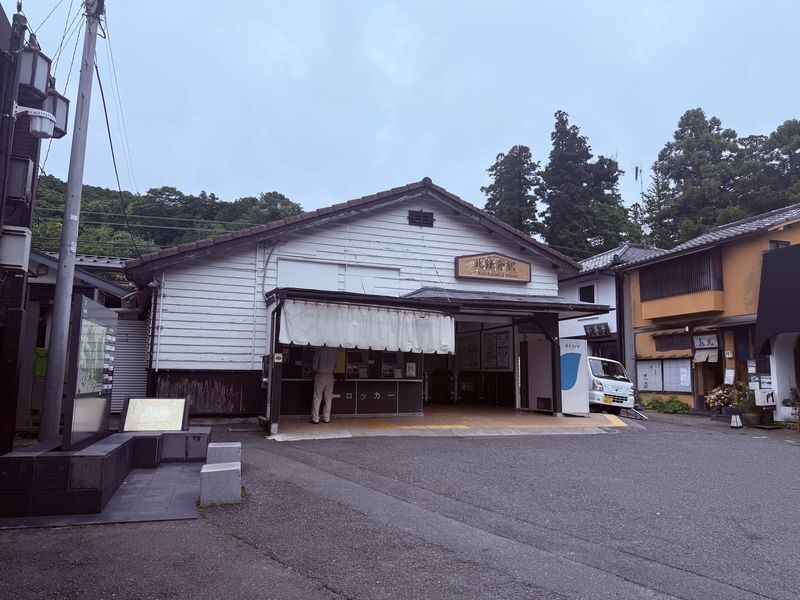
The meeting point is Matcha tea ceremony Experience Chikusuian, at 857-1 Yamanouchi, Kamakura City, Kanagawa Prefecture. It’s about an eight-minute walk from the west exit of Kita-Kamakura Station. The location makes the experience a natural addition to a day in Kamakura, but it is not directly at the station.
Give yourself a little extra time to find the address. The location has been described as somewhat difficult to spot, even though the walk is short. Check the map before setting out, and keep the full address handy rather than assuming the tea room will be obvious from the station exit.
The activity is in Kamakura, about an hour from central Tokyo according to its description. That makes it possible as part of a day trip, but you’ll still want to plan your train journey and the rest of your day around the confirmed session time. The voucher is valid only for the specified date and time, if one is stated.
Wear socks or bring a pair, and bring a change of clothes as requested. No further dress instructions are provided, so there’s no need to assume that special clothing is required. The practical essentials are simple: arrive with enough time to find the place, bring socks, and keep your booking voucher on your phone.
At a starting price of US$36.09, you’re paying for more than a serving of tea. The fee includes the one-hour experience, English-speaking staff, the lesson and demonstration, and two servings of matcha with seasonal sweets. The traditional room and the attention of a certified tea master are central to the value.
I’d consider the price reasonable if you want context and a guided cultural experience, not just a cup of matcha. The lesson gives you a framework for understanding the ceremony, while the tasting makes it personal. If you’re mainly looking for a drink or a quick stop between sights, this hour may feel like more structure than you need.
The value also depends on your interest in the subject. Someone who wants to understand the philosophy behind Japanese customs will get more from the explanation than someone who only wants a photo or a snack. The session is short enough to fit into a sightseeing day, but dedicated enough to feel like an activity in its own right.
The price is listed as a starting rate, so check the amount for your chosen date and package before booking. The stated package is the Kamakura tea ceremony experience. Personal expenses beyond what is included are not covered.
I’d recommend this session to first-time visitors who want a clear introduction to tea ceremony without committing to a lengthy course. It also suits cultural enthusiasts who are curious about the connection between ritual, mindfulness and hospitality, as well as couples looking for a quiet shared activity.
Families can consider it if their children are at least seven and are comfortable with a calm, attentive setting. The experience does not give detailed information about how children’s participation is handled, so parents should decide whether an hour of listening and watching fits their child.
It is not a good match if you need the activity to accommodate food allergies, vegetarian meals or a vegan diet. Those needs cannot be accommodated. The activity is also not recommended for pregnant women or infants, and children under seven are not allowed.
If you want an active tour with several stops, this is not that. It takes place at one meeting point and stays focused on tea. That is precisely its appeal for the right person: one room, one subject, and an hour to give the ritual your attention.
Book this if you want an accessible, small-group introduction to Japanese tea ceremony in Kamakura, with English instruction, a certified tea master, and a proper tasting of matcha and seasonal sweets. The emphasis on meaning, Zen and mindfulness makes it more than a demonstration, while the one-hour format keeps it manageable in a busy itinerary.
Think twice if dietary restrictions are essential, if you’re traveling with a child under seven, or if you’d rather spend your time moving between sights. And leave a little extra time to find Chikusuian. For a curious visitor who values a calm, authentic-feeling cultural activity, this is a thoughtful way to spend an hour.
“The tea ceremony felt very authentic and real. We loved that it was smaller and not so commerical and touristy. it was a little hard to find the lo…”
The experience lasts 60 minutes.
It meets at Matcha tea ceremony Experience Chikusuian, 857-1 Yamanouchi, Kamakura City, Kanagawa Prefecture.
The tea room is about an eight-minute walk from the west exit of Kita-Kamakura Station.
Yes. The experience includes English-speaking staff and an English-speaking instructor.
The one-hour tea ceremony experience, English-speaking staff, and meals and beverages are included. The tasting includes two servings of matcha and seasonal Japanese sweets.
Children under seven are not permitted. The experience is listed as suitable for families, but the minimum age still applies.
No. The activity cannot accommodate allergies, vegetarian diets or vegan diets.
Bring socks and a change of clothes.
The listed starting price is US$36.09. The final price may depend on the selected package or date.