Physical Address
304 North Cardinal St.
Dorchester Center, MA 02124
Physical Address
304 North Cardinal St.
Dorchester Center, MA 02124

See Suzhou in a day from Shanghai, with a classic garden, canal-side streets, Hanshan Temple, and round-trip high-speed rail.
Suzhou’s appeal is in the contrast: a carefully arranged garden in the morning, old lanes and local snacks at midday, a Tang-era temple in the afternoon, then canal-side Shantang Street as evening approaches. This tour tries to fit those four distinct moods into one rail-based day from Shanghai.
I like the Humble Administrator’s Garden and Hanshan Temple pairing, which gives you two different ways into Suzhou’s past: one through garden design, the other through Buddhist culture and a famous Tang poem. I also like the chance to walk Pingjiang Road and Shantang Street, rather than seeing the city only from a vehicle.
The trade-off is a packed schedule, with little room to linger or explore spontaneously. The stated timetable also needs clarification: it lists a 09:30 departure and a 09:40 garden visit, while the tour begins with a high-speed train from Shanghai. Confirm your actual train and meeting instructions before booking, and do not assume the Shantang stop will always deliver a fully dark night view.
The route is designed for you to see more than one familiar postcard view. The Humble Administrator’s Garden is the formal opening act, Pingjiang Road brings you into the city’s lived-in lanes, Hanshan Temple adds a quieter cultural stop, and Shantang Street closes the day beside the canal.
That variety is the tour’s main strength. Suzhou is often reduced to gardens and waterways, but moving between these four places helps explain how its reputation was formed: through cultivated private gardens, historic street life, temple tradition, and commerce along the canals.
The price is listed from US$153.95, while package information gives a Chinese guide option from US$133.85 and an English-Chinese bilingual option from US$178.49. Those figures do not line up neatly, so check the price for your chosen date and package before paying. The value depends partly on how much you would otherwise spend arranging rail tickets and admission to the two paid attractions yourself.
Round-trip train tickets, transport, attraction admissions, and a guide are included. Meals, drinks, and personal expenses are not. That makes the tour convenient, but it is not an all-inclusive day: budget for lunch and snacks, and check which Shanghai station your assigned train uses.
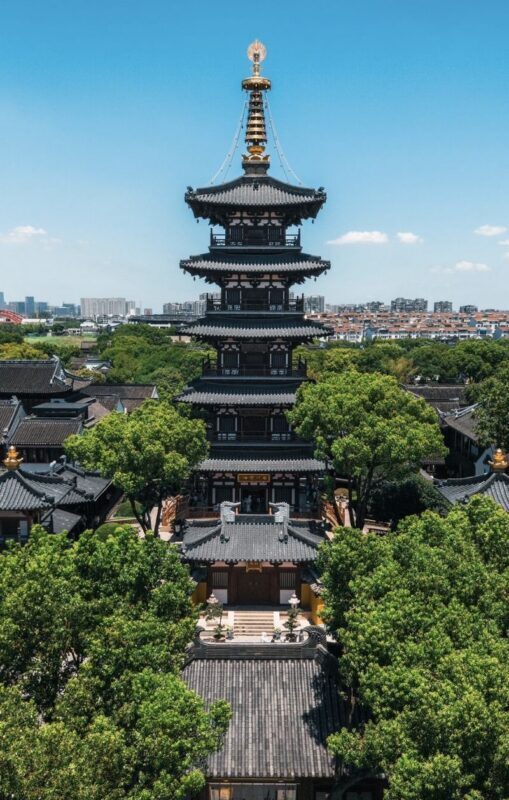
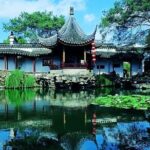
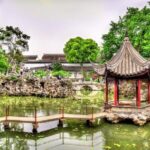
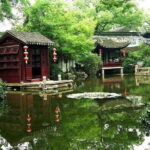
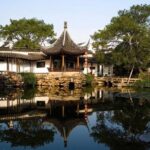
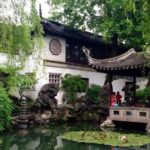
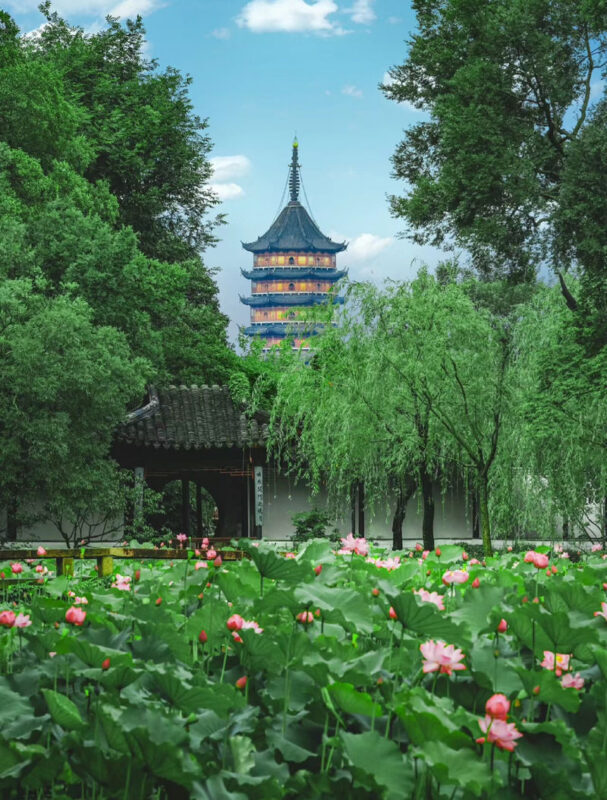
The first major stop is the Humble Administrator’s Garden, often described as the foremost of Suzhou’s famous gardens. Its appeal lies in the way pavilions, water, flowers, and trees are arranged to suggest a natural scene, even though the setting is carefully planned.
A guided visit is useful here because the garden is more than a collection of attractive buildings. Your guide can help you notice how views open and close as you move through the grounds, and how water and planting shape the feeling of each area. The supplied schedule places the garden visit at 09:40 and describes it as guided.
Allow for crowds and the pace of the group. This is a popular attraction, and a one-day route cannot promise long stretches to sit, sketch, or revisit a favorite corner. If garden design is your main reason for going, consider whether a fuller visit on your own would suit you better.
There is also a practical timing question. The tour information says you take a high-speed train from Shanghai in the morning, yet the listed schedule shows departure at 09:30 and the garden at 09:40. Those entries may describe different points in the journey, but they do not explain how the train transfer fits. Ask for the confirmed rail departure and Suzhou arrival time rather than relying on the brief timetable alone.
Looking for more options in Suzhou? Here are some other experiences worth considering.
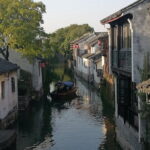
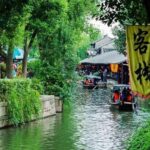
At Pingjiang Road, the mood changes from planned garden views to an old street whose water-lane layout is said to date back to the Song Dynasty. The route follows a stone-paved lane past small bridges, waterways, and white walls with dark roof tiles. It is presented as a place where everyday city life and historic surroundings sit side by side.
The stop is scheduled for 11:30, making it a natural place to find a snack or look for lunch. Suzhou-style sweets named for the route include osmanthus cake and rose-jam rice cake. Squirrel-shaped mandarin fish is also mentioned, but it is a dish rather than a quick bite, so you may want to save it for a proper meal if you are curious to try it.
Food and drink are at your own expense, and no meal is included. That gives you flexibility, but a short stop can make a sit-down meal difficult. If you have dietary needs or want a relaxed lunch, check how much free time the guide plans to allow.
I like this stop because it offers a less formal view of Suzhou than the garden. Still, the tour’s structure means you are following a route and a clock. You may not have much time to browse side lanes or linger wherever the street catches your eye.
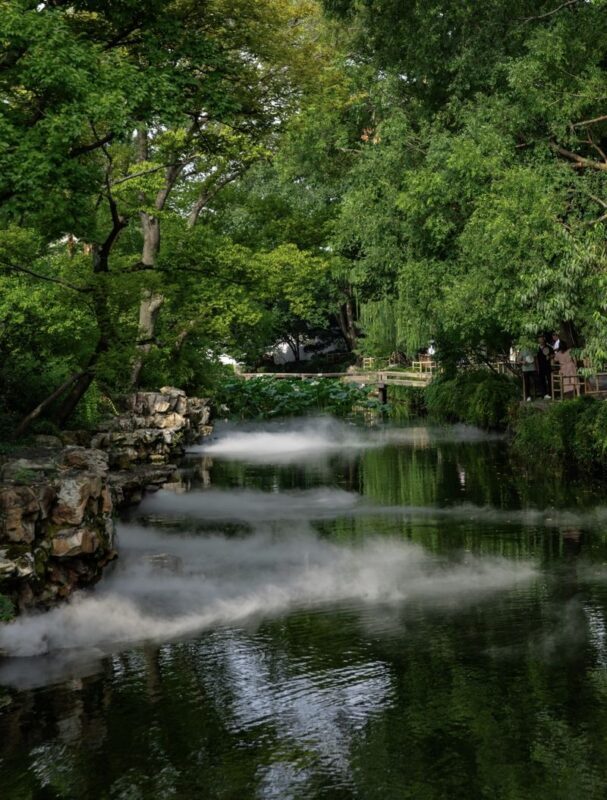
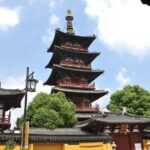
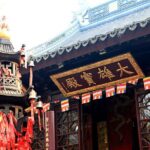
The visit to Hanshan Temple is scheduled for 14:00 and includes a guide. The temple’s cultural connection is especially strong because of Zhang Ji’s poem Mooring by Maple Bridge at Night, which links the sound of its bell with a visitor’s boat at midnight. The temple is therefore not just an old religious site; it is also a place where a well-known piece of Chinese poetry gives the setting a particular meaning.
Expect a more solemn stop than the two streets. The information describes an ancient temple, a bell tower, and an active tradition of incense. Your guide can explain the poem and the temple’s customs, which is a useful service if you do not read Chinese or want context beyond the architecture.
One previous tour guide, Xiao Ye, was praised for clear explanations of history and local customs, as well as for answering questions. That is a specific positive sign about the kind of guiding the tour can provide, but it does not mean Xiao Ye will lead your departure. The standard package is Chinese-speaking; the bilingual option costs more.
The temple visit also gives the day a welcome change of pace. If you are mainly interested in scenic streets, though, this stop may feel less immediately visual than the garden or canal. Its value is in the cultural connection and the chance to understand why Hanshan Temple is known well beyond Suzhou.
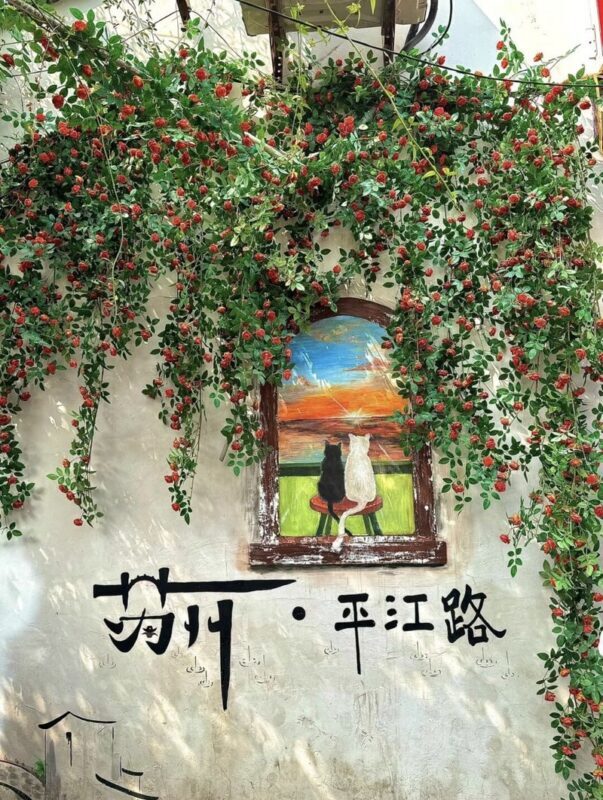
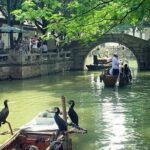
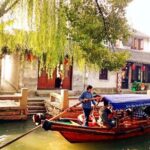
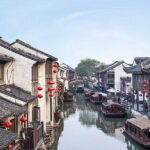
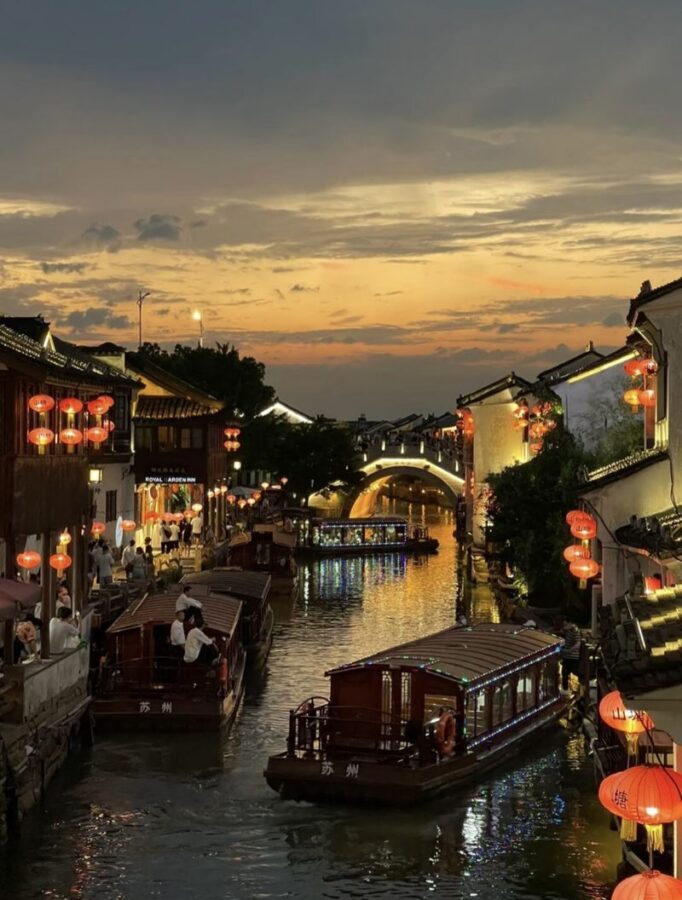
The final sightseeing stop is Qili Shantang, also called Seven Mile Shantang Street, scheduled for 15:30. Built during the Tang Dynasty and described as more than 1,200 years old, it follows an ancient canal and was once among Suzhou’s important commercial streets. Old houses, bridges, guild halls, and opera stages are part of its appeal.
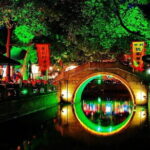
The tour’s selling point is the evening atmosphere: lanterns and other lights reflected in the water, with bridges and painted boats in view. But the schedule says you visit at 15:30 and return at 18:00, with arrival back in Shanghai expected between 18:00 and 19:00. It does not state the season or the exact time you will leave Shantang Street.
That matters because sunset and darkness vary across the year. The tour is promoted as a way to see Shantang lit up, but the provided timetable does not guarantee that you will have a long nighttime visit. If the night view is your top priority, ask what time the group reaches the street and how long it stays, especially for your travel date.
Even without full darkness, this stop adds something different from Pingjiang Road. Both have historic street character, but Shantang is framed around the canal and its former commercial role. You get two distinct waterside settings, though the schedule may not leave time to explore either one at length.
The tour includes round-trip high-speed train tickets between Shanghai and Suzhou, with departure options listed from Shanghai Hongqiao, Shanghai South, or Shanghai Station. The assigned station and train time matter: check the details for your booking rather than assuming you can choose any departure or arrive at the station most convenient to you.
At Suzhou Station, the meeting directions say to use the North Exit and follow signs to the North Square Taxi Waiting Area, where the guide will be waiting. The return is also from Suzhou Station, with the return window given as 18:00 to 19:00. Build a little flexibility into plans after the tour, since the return time is a range rather than a firm arrival minute.
The attraction admissions cover the Humble Administrator’s Garden and Hanshan Temple. Pingjiang Road Historical Block and the Seven Mile Shantang Scenic Area are listed as free-entry stops. Transport is included, but the exact local transport arrangements are not spelled out, so do not assume every transfer is by private vehicle.
Because the listed price and package starting prices differ, compare the final checkout amount for your preferred language. The Chinese-speaking package is the lower-cost choice; the English-Chinese bilingual service is priced higher. If you need explanations in English, that extra cost may be worthwhile, but check precisely what language support is included.
The voucher is valid only for the date and time specified. The activity has no age limit, and confirmation is expected within minutes. Cancellation terms vary with how far ahead you make a change: free changes or cancellation are stated for at least eight days in advance, while fees apply closer to the date. Check the current terms at checkout, particularly if your plans may shift.
This is a practical fit if you are staying in Shanghai and want a structured first look at Suzhou without arranging trains, admissions, and local stops separately. It suits visitors who value a broad introduction more than a slow visit, and who are happy to move through several places on a fixed schedule.
It may also suit you if the combination of garden art, poetry, temple culture, and canal streets sounds more appealing than spending the whole day in one attraction. Having a guide at the garden and temple can add context to places where the details are easy to miss.
I would hesitate if you want a long, unhurried meal, extensive time in the garden, or a guaranteed late-night view of Shantang Street. The route is ambitious, and the published times leave questions about the train connection and how much darkness the final stop will get. Confirm those points before booking.
Book it if convenience and variety matter most, and you are comfortable with a full day that keeps moving. The included rail tickets, transport, two paid admissions, and guided visits make the route a useful way to cover Suzhou’s headline sights in one outing.
Choose another approach if you want to linger, build your own food stops, or focus deeply on one garden or neighborhood. Before you pay, verify the actual train schedule, the guide language, and the Shantang visit time. Those three details will tell you whether the tour’s efficient format matches the day you have in mind.
“Our tour guide, Xiao Ye, was very dedicated, responsible, and professional. He clearly explained the historical stories and cultural customs of eac…”
The package includes round-trip high-speed train tickets between Shanghai and Suzhou, transport, admission to the Humble Administrator’s Garden and Hanshan Temple, and a guide. Meals, drinks, and personal expenses are not included.
The itinerary includes the Humble Administrator’s Garden, Pingjiang Road, Hanshan Temple, and Qili Shantang, also called Seven Mile Shantang Street.
A Chinese-speaking guide package and an English-Chinese bilingual guide package are offered. The bilingual option has a higher stated starting price.
Round-trip tickets may be from Shanghai Hongqiao Station, Shanghai South Station, or Shanghai Station. Check your booking for the station and train assigned to you.
The directions say to leave Suzhou Station through the North Exit and follow signs to the North Square Taxi Waiting Area. The guide is expected to wait there.
No. Meals and beverages are excluded, so plan to pay for food and drinks yourself.
No age limit is stated for this activity.