Physical Address
304 North Cardinal St.
Dorchester Center, MA 02124
Physical Address
304 North Cardinal St.
Dorchester Center, MA 02124

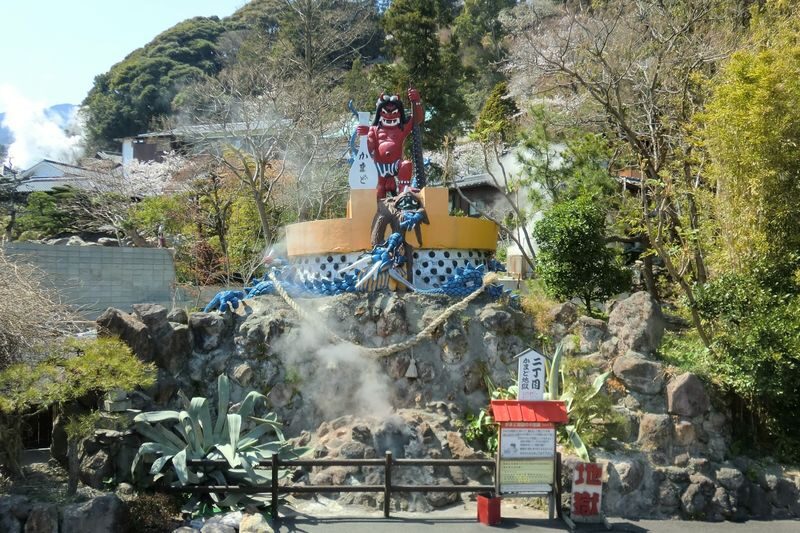
See Beppu’s seven steaming hot-spring hells with one admission ticket, from the blue Sea Hell to Blood Pond and the crocodile pool.
Beppu’s seven hells are not bathing pools. They are steaming, boiling hot springs in startling colors and shapes, set up for close viewing. One is a blue pond, another red, and one has crocodiles. I like the variety from one stop to the next, and I like that a single ticket covers all seven.
The main catch is practical: you must bring a printed voucher to exchange for your tickets. And while the pass makes it easy to visit the full set, the two farthest sites need a bus or other transport, so a quick two-hour visit may feel rushed.
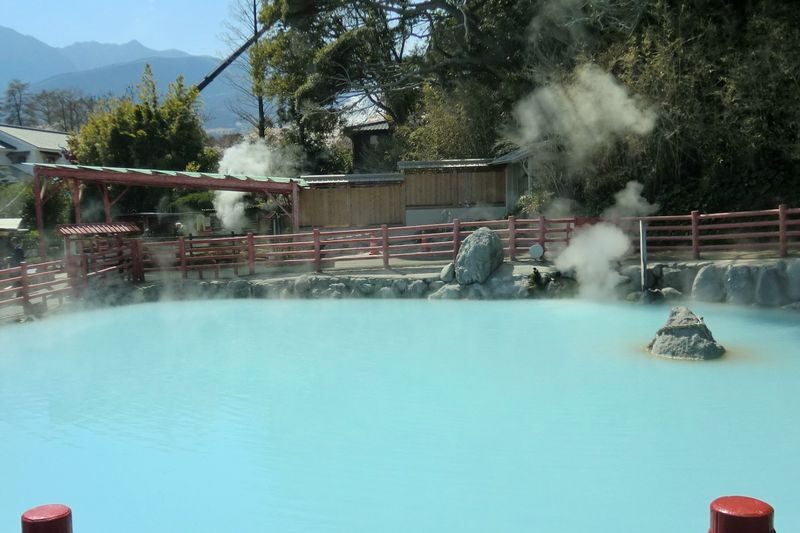
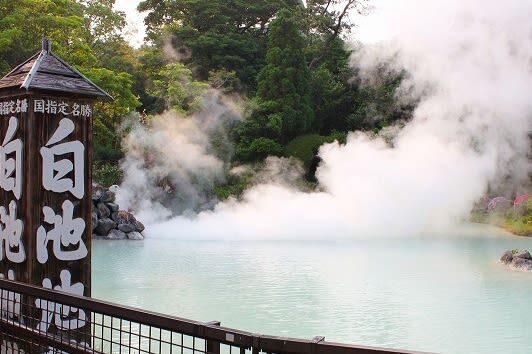
The word jigoku means hell, and the name fits the dramatic steam and mineral colors. But this is not a tour of seven places to soak. The pools are too hot for bathing, and the ticket is for sightseeing. You walk around each site, look at its particular volcanic feature, and move on to the next.
That distinction matters. If you arrive expecting a full onsen bathing experience, you may be disappointed. If you enjoy unusual geology, hot-spring scenery, and a little theatrical flair, the circuit offers a memorable look at Beppu’s geothermal character.
Each site has its own personality, which is why the full pass can be worthwhile. You will see water in different colors, bubbling mud, forceful steam, and a geyser-like hot spring. Some locations also have foot baths, an easy way to experience the warmth without entering the pools. Bring a small towel if you plan to use one.
Looking for more options in Beppu? Here are some other experiences worth considering.
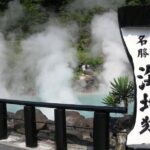
Sea Hell, or Umi Jigoku, is one of the best-known stops and a natural place to get your bearings. It is also a convenient place to exchange a printed voucher for the ticket booklet. You can redeem at a Jigoku counter, but Sea Hell is a common starting point.
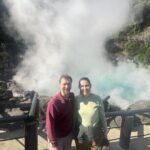
The name sounds ominous; the view is striking. Its blue water makes a sharp contrast with the rising steam, and it helps explain why Beppu’s hot springs are treated as attractions in their own right. The water is for looking, not swimming, and you should keep a safe distance from every pool.
At each site, you use the corresponding admission ticket from the booklet. You can enter each attraction once, so keep the tickets together and avoid leaving the grounds until you are ready to move on. Re-entry is not allowed.
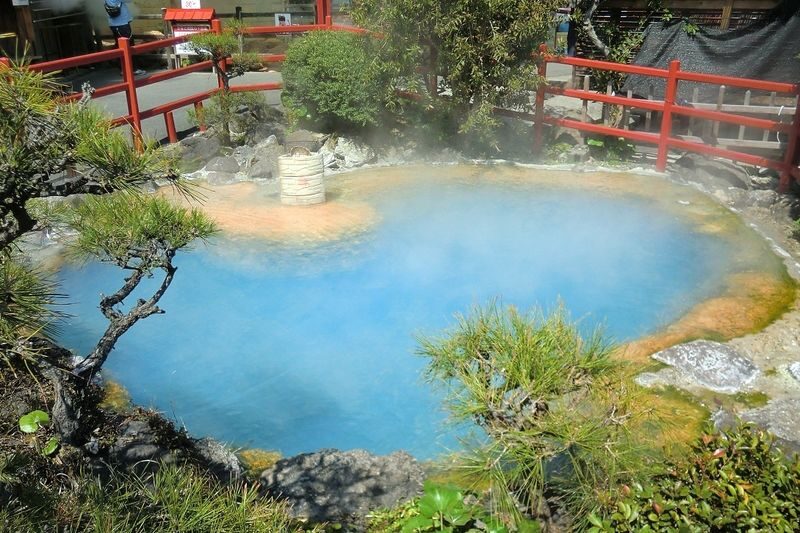
Five of the seven hells are grouped in the Kannawa area. That makes the first part of the route manageable on foot, though there is still walking between sites. Wear shoes you are comfortable walking in, and take your time on stairs and uneven ground.
The stops include Shiraike Jigoku, or White Pond Hell; Oniyama Jigoku, also called Devil Mountain Hell; Oniishibozu Jigoku; and Kamado Jigoku. Each has a different feature, so the circuit is more varied than a string of similar pools.
Oniyama is the crocodile stop. The animals make it one of the more surprising attractions, and a reminder that these sites are designed as much for spectacle as for geology. Kamado is a good place to pause: you can see the hot-spring features and try an onsen-steamed egg. Several hells offer foot baths, too. Roll up your trousers and bring a towel if you want to use one.
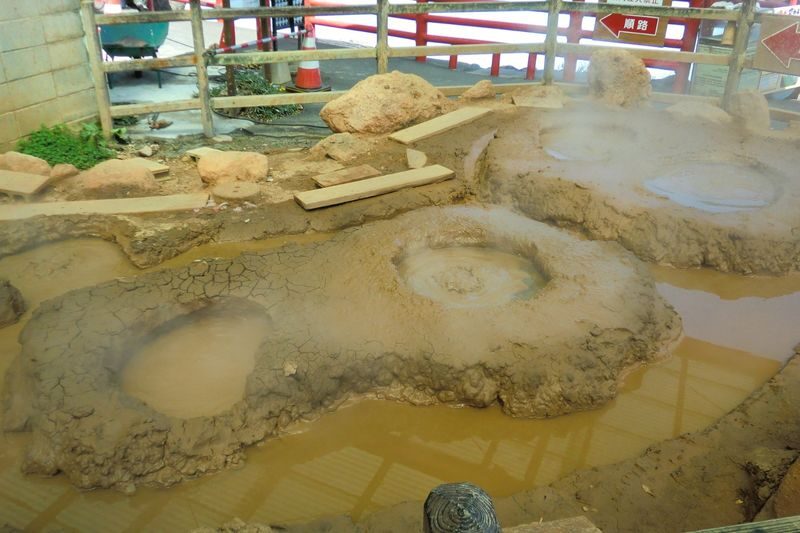
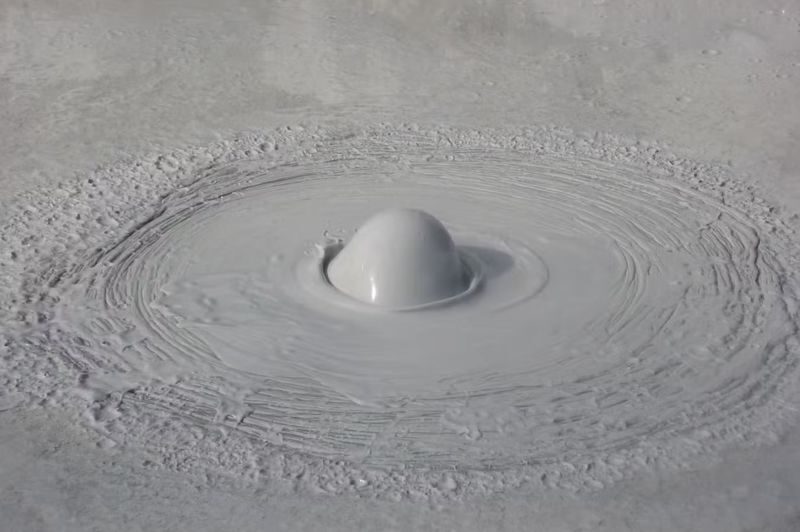
Oniishibozu is known for its rounded, bubbling mud formations, while Shiraike is associated with its pale water. The names and effects are easier to remember when you see each place for yourself. Still, if you have limited time or find the entry fees hard to justify, you could choose one or two sites rather than trying to collect all seven.
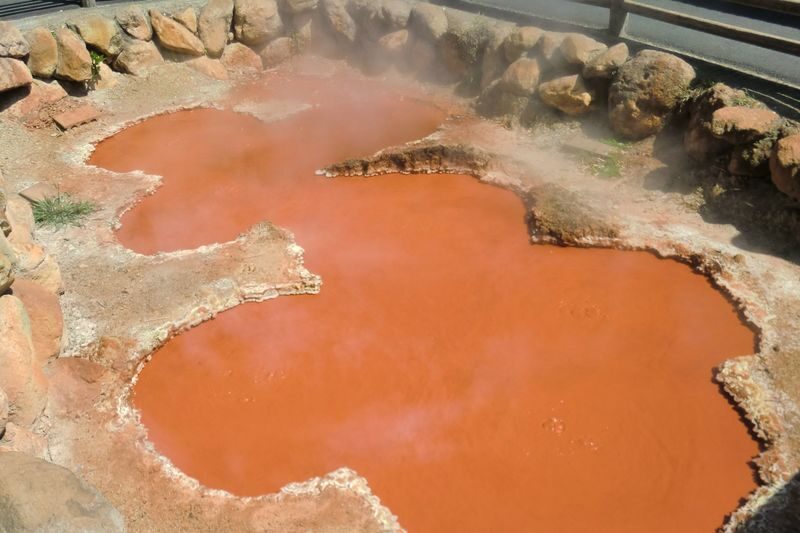
Chinoike Jigoku, or Blood Pond Hell, and Tatsumaki Jigoku, or Tornado Hell, are the two sites away from the main cluster. They sit roughly two to three kilometres from the Kannawa group, so walking the entire circuit can add a substantial stretch. Local buses connect the sites, and some people choose to use a rental car.
Blood Pond is known for its red water, a vivid contrast with Sea Hell’s blue. It also matters for ticket redemption: if you want to visit Tornado Hell, make sure you have collected the relevant ticket at Blood Pond first. Tornado Hell does not have a ticket redemption point.
Tornado Hell is a geyser-like hot spring that erupts at intervals. The wait for an eruption can affect your schedule, so leave some flexibility if seeing it is a priority. The information provided does not give an eruption timetable. If your visit is tight, check conditions on arrival rather than assuming you can arrive and leave on a fixed minute.
The farther pair are not necessarily lesser stops. They simply take more planning. If you are visiting all seven, consider going to these two first, then returning to the cluster, or the reverse depending on your bus timing and preferred starting point.
The stated visit time is two to four hours. That is a useful minimum-to-standard range, but the full circuit can take longer if you pause at foot baths, eat, take photographs, or wait for Tornado Hell. A leisurely visit may fill much of a day.
For a shorter outing, pick the sites that interest you most and focus on the Kannawa cluster. For all seven, allow enough time for the two farther stops and bus connections. One practical option is to start with Blood Pond and Tornado Hell, then spend the rest of your visit among the five closer sites.
From the West Exit of JR Beppu Station, take Kamenoi Bus No. 2, 5, 24, or 41 and get off at Umi Jigoku-mae. This is a direct way to reach the Sea Hell area and begin the circuit. The ticket exchange counters are listed as open from 8:00 to 17:00. The hells’ last admission is 16:30, so do not arrive late in the afternoon expecting to fit in all seven.
You might also be interested in these Beppu experiences
The ticket starts at $15.15 and covers admission to all seven hells. Its value depends on how many you plan to see and the current price at the ticket counter. Some people find the advance pass cheaper; others have found on-site admission less expensive. Compare current prices before purchasing rather than assuming the online option always saves money.
The most important booking detail is easy to miss: print the voucher before you go. You exchange the paper voucher for physical tickets at a Jigoku counter. A phone screen or QR code alone may not work, and without the printout you may have to buy admission on-site instead.
The voucher is valid on the selected date, while the ticket information also describes a two-day validity period beginning on the date of exchange. Since those details may depend on the ticket terms in force when you book, check the current conditions before setting your schedule. The ticket cannot be cancelled for a change of plans or personal reasons. Lost or damaged tickets are not replaced.
Children aged 0 to 6 are listed as free, and those aged 16 and over pay the adult rate. The information does not clearly state the price for ages 7 to 15, so confirm the child fare before booking if that applies to your family.
I would recommend the seven hells to you if you like natural oddities, striking water colors, or an outing that feels distinctly tied to Beppu’s hot-spring culture. Families can find plenty to look at, and the stamp collecting at each site adds a simple activity for children. Just remember that the ground can be uneven and there are stairs, which may make the circuit harder for some older visitors and young children.
This is also a good self-guided outing. There is no guide included, and the sites are straightforward to explore at your own pace. The ticket booklet makes it easy to keep track of admissions, though you still need to navigate between the two clusters yourself.
It may be less appealing if you expect seven chances to bathe or want a tightly guided tour with transport included. You are buying admission, not a bus pass, guide, meal, or bathing package. The experience is about seeing and comparing the hot springs, with foot baths as a bonus at several locations.
Book it if you want to see most or all seven hells and are happy to plan the connections between the clusters. The colored pools, crocodile stop, bubbling mud, and erupting spring make for a varied half-day or longer, and the booklet is convenient once you have exchanged your printed voucher.
Skip the pass, or compare it carefully with on-site prices, if you only intend to visit one or two hells. Either way, print the voucher before leaving home, bring a towel for foot baths, and give yourself more than the bare minimum if you want to see all seven without rushing.
“Buy your tickets here. Save time by skipping the ticket purchase line and enjoy the convenience of redeeming your ticket directly.”
It covers seven: Umi Jigoku, Shiraike Jigoku, Oniyama Jigoku, Oniishibozu Jigoku, Kamado Jigoku, Chinoike Jigoku, and Tatsumaki Jigoku.
No. The ticket is for sightseeing admission, and swimming in or getting too close to the hot springs is not allowed. Several sites have foot baths.
The stated duration is two to four hours. Allow more time if you want to visit all seven, use foot baths, or travel between the two clusters by bus.
Yes. You must present a printed voucher to exchange it for physical admission tickets. A digital QR code alone may not be accepted.
You can exchange it at a Jigoku counter. Umi Jigoku and Chinoike Jigoku are listed as exchange points, and counters are stated to be open from 8:00 to 17:00.
From the West Exit of JR Beppu Station, take Kamenoi Bus No. 2, 5, 24, or 41 and get off at Umi Jigoku-mae.
No. Five are grouped in Kannawa. Chinoike Jigoku and Tatsumaki Jigoku are about two to three kilometres from that group, so you may need a bus or other transport.
Last admission is 16:30. The listed opening hours are 8:00 to 17:00.
Children aged 0 to 6 are listed as free, while children aged 16 and over pay the adult rate. The fare for ages 7 to 15 is not clearly specified in the provided information, so check the current terms before booking.
No cancellations or refunds are available for changes of plans or personal reasons. A refund may be considered for uncontrollable circumstances with supporting proof, subject to customer service verification.