Physical Address
304 North Cardinal St.
Dorchester Center, MA 02124
Physical Address
304 North Cardinal St.
Dorchester Center, MA 02124

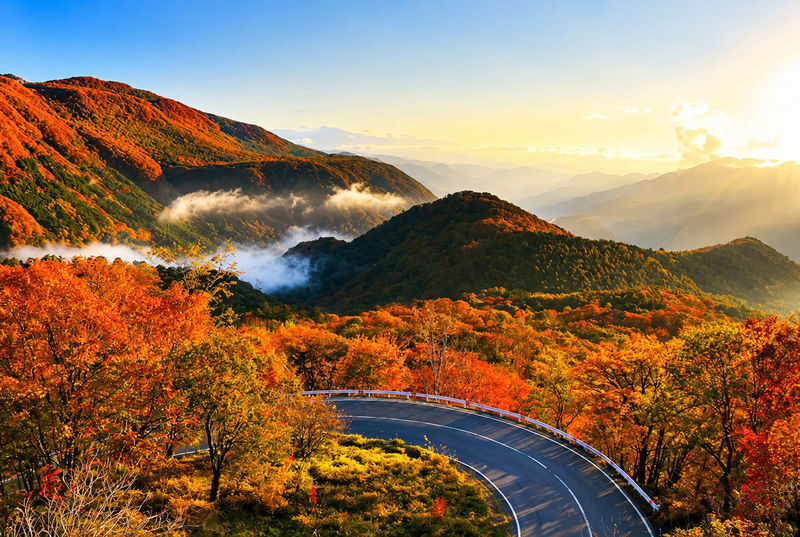
Visit Nikko’s ornate Toshogu Shrine, Lake Chuzenji and Kegon Falls on a full-day bus trip from Tokyo, with lunch and ticket options.
Nikko packs a striking change of pace into a day from Tokyo: carved shrine halls give way to a mountain road, a high lake and a 97-meter waterfall. The bus tour links these far-flung sights in about 10.5 hours, so you can see the region without planning the transport connections yourself.
I like two things in particular: Toshogu’s elaborate carvings and color, which make the shrine feel unlike a spare, quiet temple, and the switch from cultural sights to mountain scenery at Lake Chuzenji and Kegon Falls. The Irohazaka road, with its 48 curves, is part of the outing too, not just a way to get there.
The trade-off is a fixed schedule, with roughly 90 minutes at the shrine and limited flexibility elsewhere. Traffic or weather can squeeze the day, and the meeting point under the Tokyo MODE Gakuen banner can be hard to pick out among other tour groups. Check your package carefully: lunch and the Toshogu ticket are not included in every option.
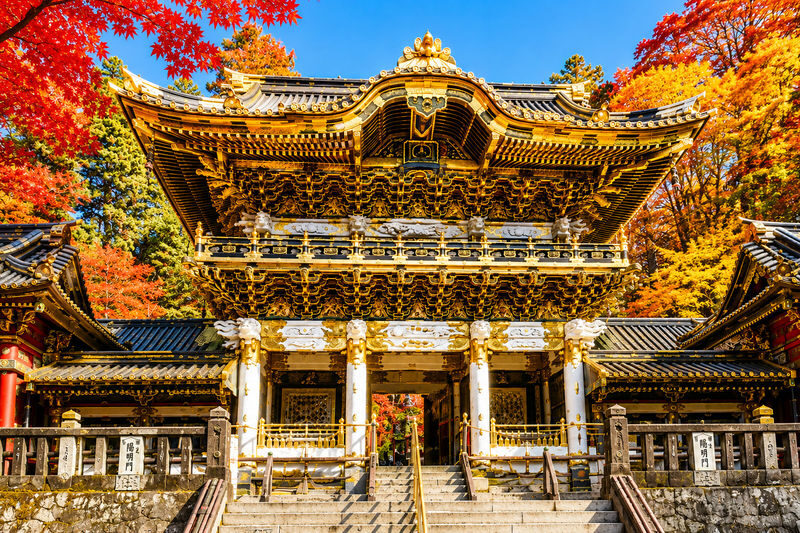
Nikko sits in Tochigi Prefecture, north of Tokyo. This trip starts with a morning meet-up in Shinjuku and returns there in the evening, making it a practical choice if you want to see the area without arranging separate trains, buses and local transfers.
The day begins at 07:50 beneath the banner of Tokyo MODE Gakuen, with the bus scheduled to leave at 08:00. Arrive early and look carefully: several tour groups may meet in the same general area, and the exact spot has caused confusion. Late arrivals and no-shows are not refundable, so this is not the morning to rely on a last-minute dash.
The ride is a substantial part of the outing. The return is listed for around 18:30, but the drive can take longer when traffic or weather interfere. A few trips have run late or had to tighten their schedule after delays, so treat the advertised times as a plan rather than a promise.
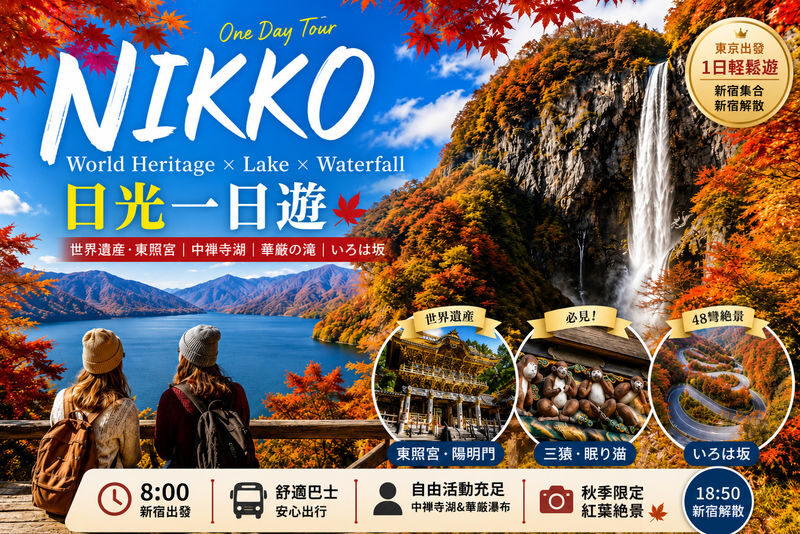
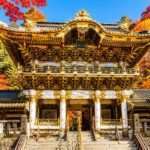
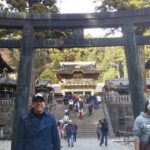
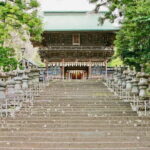
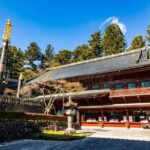
Nikko Toshogu is the cultural heart of the day. The shrine honors Tokugawa Ieyasu, the shogun associated with the start of the Tokugawa era, and its ornate buildings offer a very different impression from Japan’s simpler wooden shrines. Look for the layered color, elaborate carving and decorative figures that make this site a destination in its own right.
The tour allows about 90 minutes here. That is enough for a meaningful visit, particularly if you follow the guide’s introduction, but it is not an open-ended exploration. Your time may also be affected by ticket lines if admission is not included in your package. If you want to see every detail at an unhurried pace, check what the shrine ticket covers and consider how much time you like to spend at historic sites.
Guides can add useful context. Past trips have had guides including Ashley, Ko, Carter and Xiao Hu, with some explaining the sites in more than one language. Their style and depth are not guaranteed, though. Some have offered clear historical background and practical help, while one unhappy account describes little explanation. Go ready to ask questions, and use the included time to explore at your own pace.
History buffs will find these Nikko heritage tours enlightening
There are two main choices: a one-day tour with lunch and an admission ticket, or a tour with neither included. The lower advertised starting price is $53.65, but the best value depends on the exact option available for your date and what you want to handle yourself.
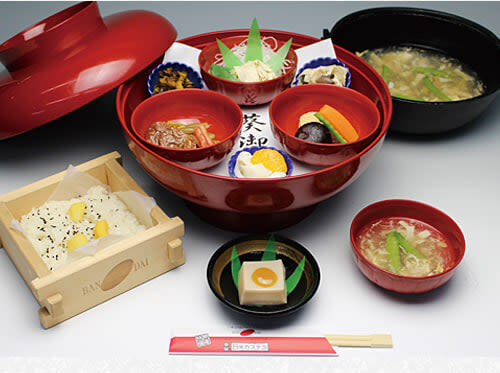
The included meal is called Kuri Okowa Aoi Gozen, a Buddhist vegetarian lunch. The menu can change with the season and ingredient availability. It is a distinctive meal, but its flavors and ingredients may not suit every palate. If you are curious about Buddhist vegetarian food, the package offers an easy way to try it; if you prefer to choose your own meal, the no-lunch option gives you more control.
Do not assume that every ticket is covered just because you have selected a package with admission. The option description refers to an admission ticket, while the waterfall elevator has been described as a separate purchase, costing ¥600 at the time reported. Check the current inclusions before booking and carry cash, since cash may be useful at stops around Nikko.
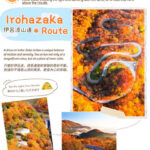
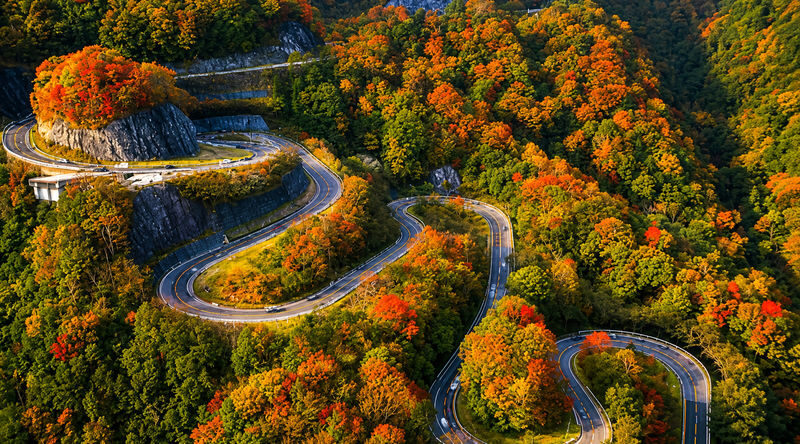
After the shrine, the route climbs along Irohazaka, a mountain road known for its 48 curves. The drive itself is the attraction: you wind through changing elevations toward the lake and waterfall, with views of the surrounding mountains from the bus windows. Some buses have large windows, a real advantage when the scenery is the main event between stops.
The itinerary assigns about 30 minutes to Irohazaka, but that does not guarantee a dedicated roadside viewpoint. Some departures have paused for views; others have passed through without stopping. If a photo stop matters to you, ask your guide what the schedule allows that day rather than counting on one.
The curves can be fun for fans of the Initial D manga and anime, which has made the road familiar to some visitors. They can also be a bit much if you are prone to motion sickness. The driver’s skill matters here, and many trips have been described as smooth, but road conditions and individual comfort vary. Keep water handy and choose a seat that suits you if winding roads are a concern.
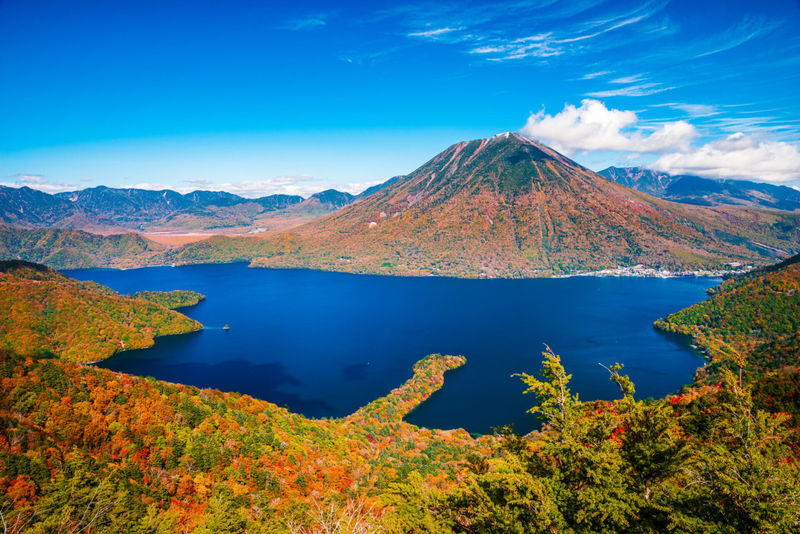
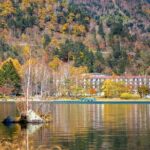
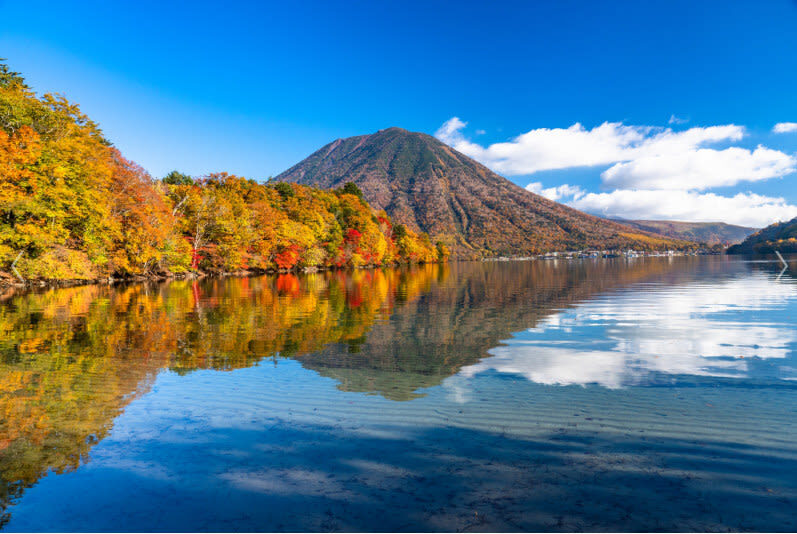
The afternoon schedule leaves about 2 hours and 20 minutes for self-guided time. The itinerary places Lake Chuzenji and Kegon Falls in this part of the day, giving you a chance to see the lake’s clear water against the mountains and then visit one of Japan’s best-known waterfalls.
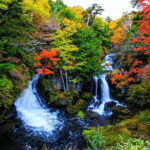
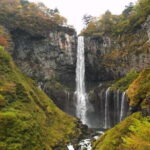
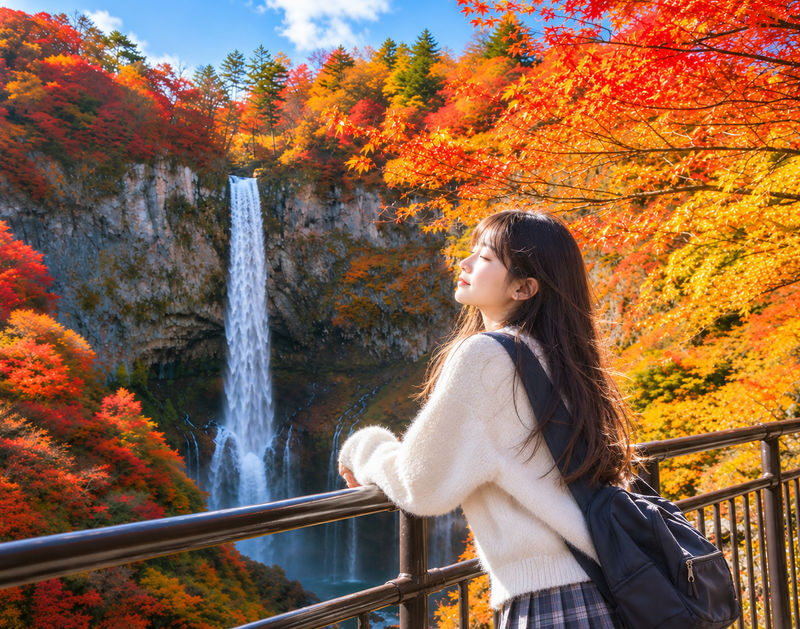
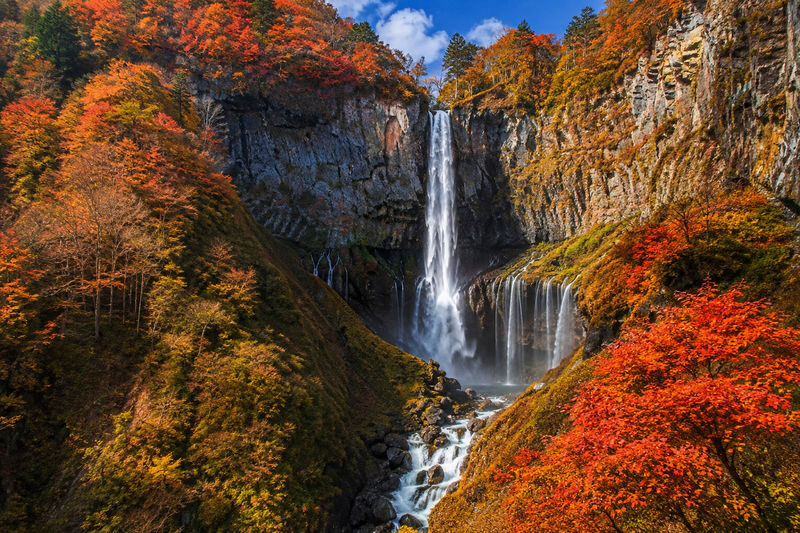
Kegon Falls drops 97 meters, and its height gives the stop real drama when the water is flowing well. Water levels and seasonal conditions can change the view. One late-winter visit found the falls dry, while other trips brought snow or autumn color. Nikko’s scenery is not a fixed postcard: the season and weather shape what you see.
The time here is a compromise. You get freedom to look around, but you need to keep track of the bus departure and divide your time between the lake and falls. Some people would gladly trade a little shrine time for longer at the waterfall; others will want the full Toshogu visit. Keep an eye on the clock, and check whether the waterfall elevator is operating and included before you decide to use it.
The strongest part of a group tour can be the guide. Guides named on previous departures include Ashley, Ko, Carter, Xiao Hu and Jeffrey. Some have explained the shrine’s background clearly, helped with photos, offered recommendations for Tokyo, or kept the group organized when someone got turned around. Those are useful touches on a day with several stops and a strict return time.
But the guide is not a fixed feature of the booking, and experiences have varied. A few visitors have found explanations too brief or difficult to follow. There have also been complaints about confusing meeting instructions, a missed toilet break and a tight schedule after a traffic accident or bus problem. These are not reasons to expect trouble, but they are good reasons to arrive early, listen closely to meeting times and keep your essentials with you.
The tour requires a minimum group of 12, and confirmation can take up to 48 hours. It has no age limit, but child seats are not available. For the bus ride, take a small bag with water, cash, your phone and anything you need at the stops rather than assuming you will be able to return to the coach whenever you like.
Nikko’s mountain weather can differ from Tokyo’s, and reports from winter and spring include snow and temperatures below freezing. Pack clothing for the forecast, plus a raincoat or poncho, sunscreen, sunglasses and a hat. Conditions can change quickly enough to affect both comfort and the views.
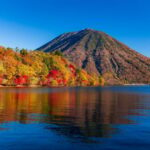
The scenery changes by season. Autumn color has made the route especially appealing, while winter can bring snow around the lake and mountain road. Spring weather has ranged from pleasant to heavy snow, and a waterfall may not be at its fullest after winter. No season guarantees a particular view, so keep your expectations flexible and dress for the conditions rather than the city forecast alone.
A water bottle, cash and valid ID are on the recommended packing list. The voucher is mobile and valid only for the date and time booked. Free cancellation is available up to 24 hours before the activity, using destination local time.
I would choose this tour if you want to see Toshogu, Lake Chuzenji and Kegon Falls in one day without piecing together transport, and you are comfortable following a group timetable. Its main value is convenience: the bus connects cultural and natural sights that would take more planning to combine independently.
It is less suited to anyone who wants a slow shrine visit, a long lunch or extensive time at the lake and falls. Compare the two package options, confirm which admission is included, and decide if the set vegetarian lunch appeals to you. If you can start early, stay flexible about weather and keep track of meeting times, this is a solid way to get a first look at Nikko from Tokyo.
“Avarage experience in the tour”
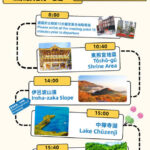
The tour runs for about 10.5 hours, with a scheduled departure at 08:00 and return to Shinjuku around 18:30. Traffic and weather may change the schedule.
Meet beneath the banner of Tokyo MODE Gakuen. The gathering time is 07:50, and departure is scheduled for 08:00. Arrive early because several groups may be meeting nearby.
The named stops are Nikko Toshogu Shrine, Irohazaka Winding Road, Lake Chuzenji and Kegon Falls.
It depends on the package. One option includes a Kuri Okowa Aoi Gozen Buddhist vegetarian lunch; the other does not include lunch.
It depends on the package. Choose the one-day tour that includes lunch and an admission ticket if you want that inclusion, and check the current package details before booking.
The available information does not confirm that the elevator is included. A previous visit described it as a separate ¥600 purchase, so check the current arrangements and bring cash.
The itinerary gives a 2-hour-and-20-minute self-guided block in the afternoon. You will need to divide that time between the stops and return to the bus on time.
Bring a valid ID, cash, water, sunscreen, sunglasses, a hat and rain protection. Dress for the weather, which can differ from Tokyo, especially in the mountains.
There is no age limit, but child seats are not available.