Physical Address
304 North Cardinal St.
Dorchester Center, MA 02124
Physical Address
304 North Cardinal St.
Dorchester Center, MA 02124


Explore the DMZ’s Third Tunnel and Gamaksan Suspension Bridge on a guided day trip from Seoul, with history, views, and practical tips.
The Third Tunnel brings the Korean border’s tense history into close focus: you can walk through a passage built beneath the DMZ, then follow the story at other sites in the zone. The day also reaches Gamaksan Suspension Bridge, where a steep walk and open views add a very different kind of drama.
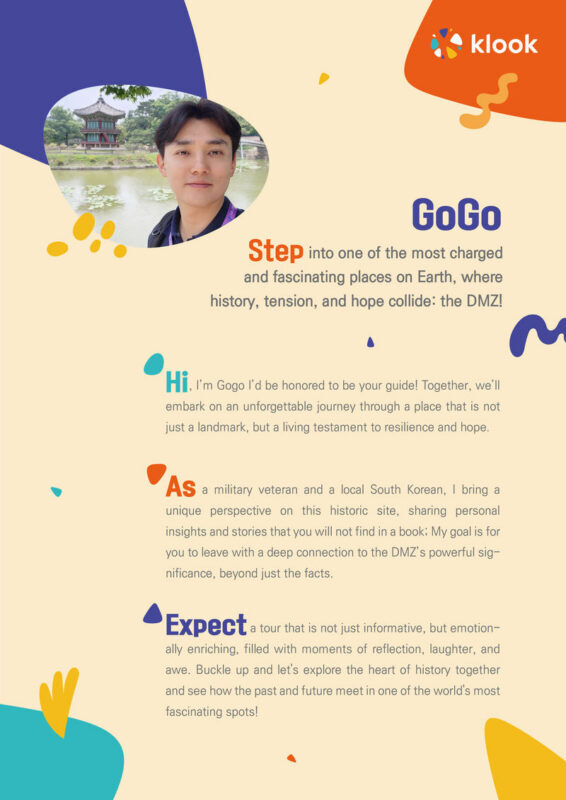
I like two things in particular: the chance to connect the DMZ’s history with an actual visit to the tunnel, and the variety of a day that also takes in a mountain bridge. Guides including Nancy, Judy, and Gogo are often praised for clear explanations, humor, and keeping groups on schedule.
One thing to weigh: the tunnel walk and bridge approach can be strenuous, and the packed schedule may leave little time for lunch. Bring water and snacks, and keep an eye on messages in case your departure time changes.
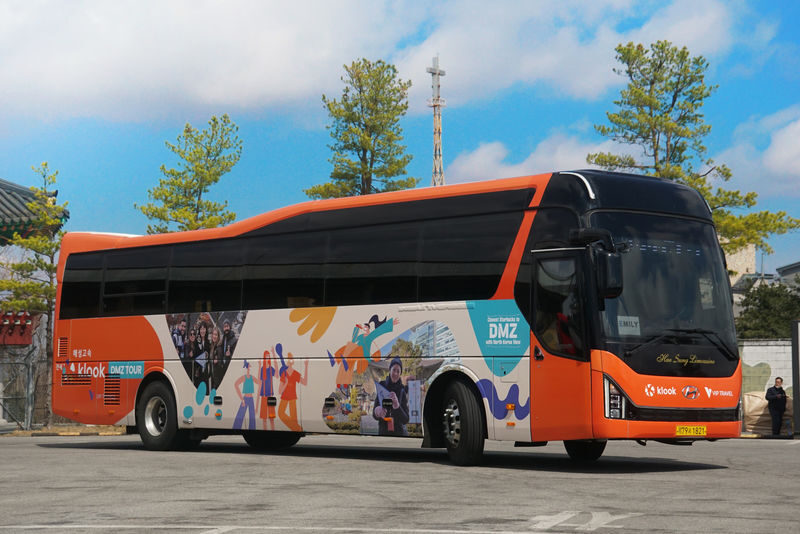

The DMZ is not an ordinary sightseeing stop. It is a heavily controlled border zone, and the experience is shaped by that reality: the route, timing, and what you can photograph may vary. A guide helps make sense of the sites and keeps the day moving, while you get a close look at a place that is central to Korea’s modern history.
The Third Tunnel gives the visit a physical point of focus. Instead of hearing only about the division of Korea, you walk into a passage associated with that history. It is a striking contrast to the distant views from an observatory, and it helps explain why the DMZ is more than a line on a map.
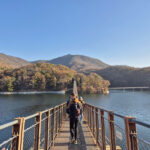
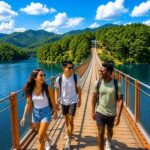
The Gamaksan Suspension Bridge is a change of pace. It trades the DMZ’s sober atmosphere for a walk through the hills and a crossing high above the ground. The two parts work well together: one is about history and tension, the other about scenery and the effort of getting there.
Looking for more options in Gangwon? Here are some other experiences worth considering.
Expect the tunnel portion to take effort. The walk includes a sloping route and steep sections, and the confined passage can feel demanding if you tire easily or have mobility concerns. The distance may not sound great on paper, but the incline makes a difference.
This is the stop where practical shoes and a steady pace count. If you are travelling with older relatives, young children, or anyone who gets short of breath, consider how they will manage the tunnel before booking. One visitor described the tunnel and bridge walks happening one after the other, making the combined exertion especially taxing for older people in the group.
The payoff is a vivid sense of place. The tunnel’s history becomes easier to grasp when you are moving through the space itself, rather than listening to a date or a broad summary. Your guide can explain the background and answer questions, though how much detail you get will depend partly on the guide assigned to your group.

An observatory stop offers a different kind of encounter with the border. From a vantage point, you may be able to look toward North Korea, giving the trip a rare visual dimension. A guide can help you understand what you are looking at and place the view within the wider story of the divided peninsula.
Keep expectations realistic. The experience is not a free-roaming visit to the border, and not every stop is suited to photography. The DMZ is a controlled area, so you should follow your guide’s instructions and be ready to move on when the schedule calls.
The observatory is particularly valuable if you want the day to be more than a tunnel visit. Seeing the border from a distance, after learning about the history, helps connect the region’s geography with the conflict and separation that shaped it.
The Gamaksan Suspension Bridge brings a more active element to the tour. The walk to the bridge includes hills and steep sections, and the bridge itself gives you a high, open view across the surrounding area. It is a memorable contrast after the focused history stops.
The climb is not a minor detail. Basic fitness is useful, and above-average fitness may make the combination of the tunnel and bridge more comfortable. If steep paths or sustained walking are difficult for you, this tour may feel like a long day. Take your time and do not judge your pace by the quickest people in the group.
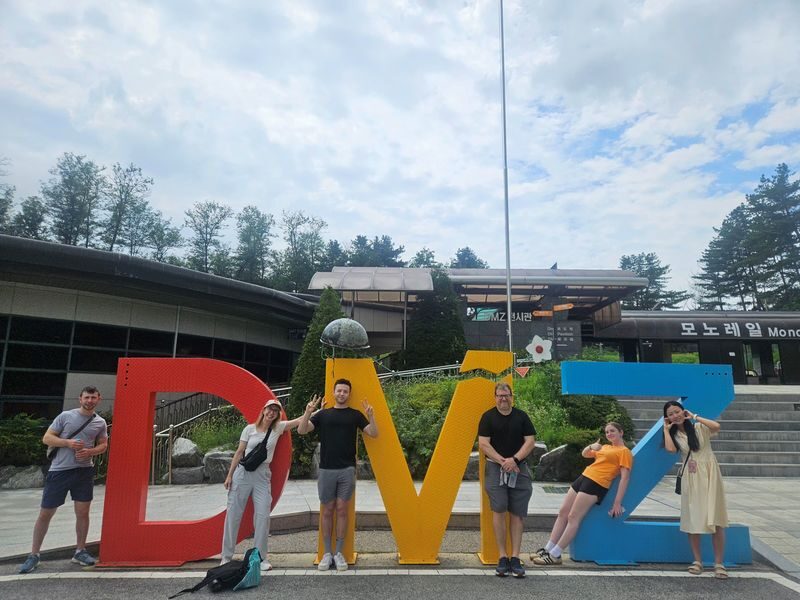
Guides sometimes help with photos at the bridge, which is useful when you want a picture of your group rather than another arm’s-length selfie. But allow for the fact that a group tour runs on a timetable. You may have time to enjoy the view and take a few photos, not linger at length.
Some departures have included a talk with a North Korean defector. That conversation can bring human experience into a tour otherwise shaped by borders, military history, and geography. It may be the most emotionally affecting part of the day, and a chance to hear a perspective that a map or monument cannot provide.
The talk is not something to treat as entertainment. Listen with care, and leave room for the fact that a person’s account of leaving North Korea is personal. The experience can be moving, and its value lies in the chance to hear a life story in the speaker’s own terms.
Because this element is described as part of some tours, check the current package details if it is a deciding factor for you. The supplied information does not guarantee that every departure includes it.
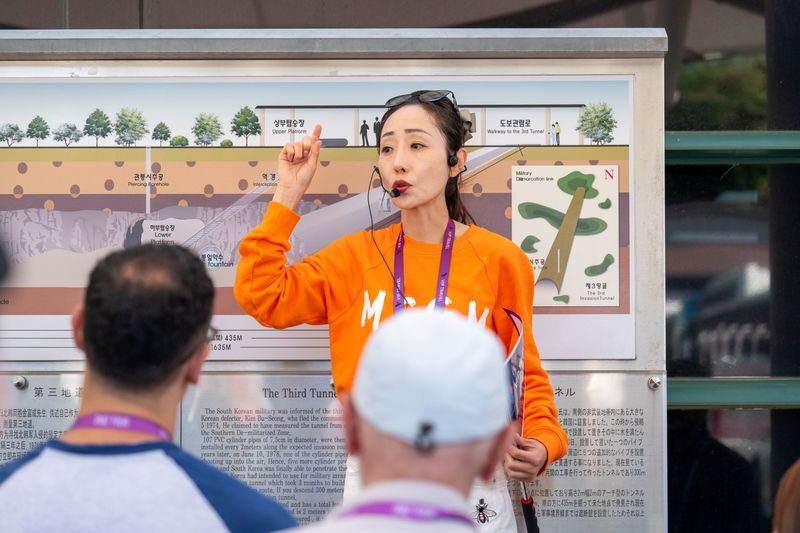
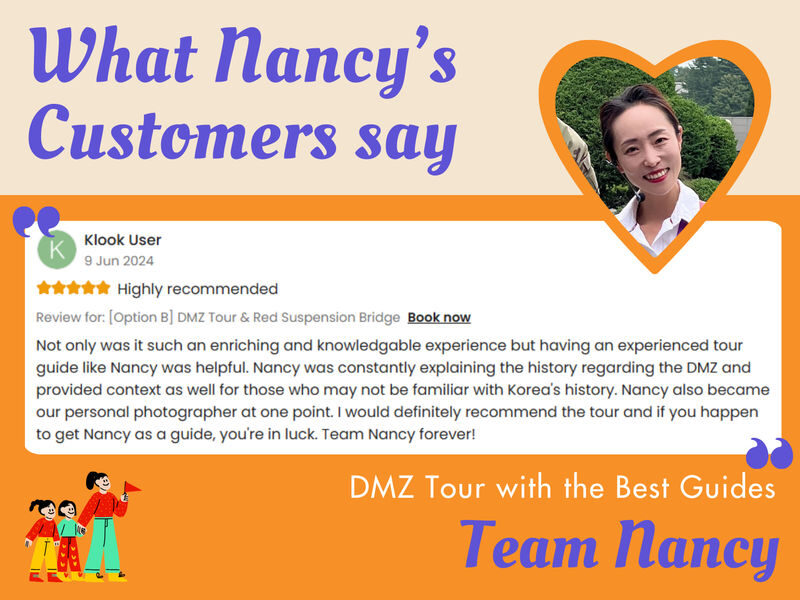
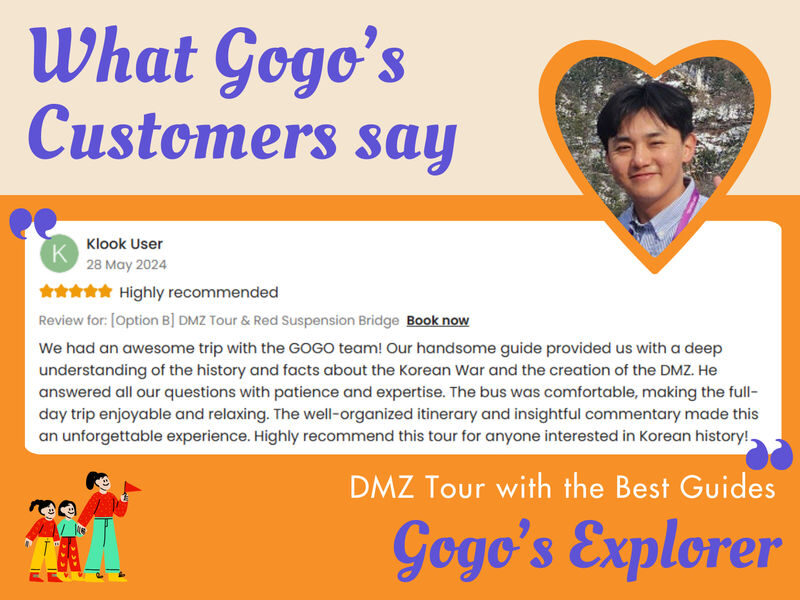
A strong guide matters on a day with several stops and a lot of context. Nancy is frequently singled out for upbeat energy, clear explanations, time management, and taking photos for the group. Judy is praised for detailed explanations and a smooth-running day, while Gogo is noted for friendly delivery, humor, and clear English.
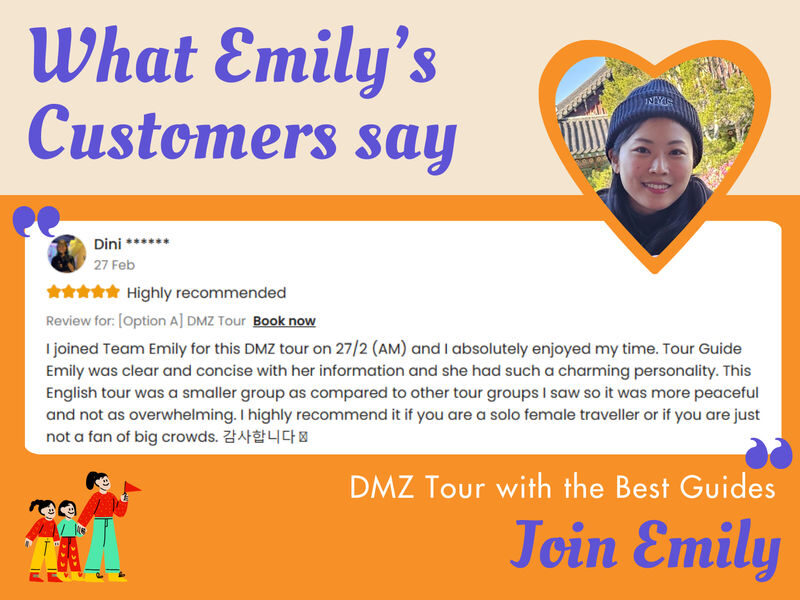
Other guides named include Hana, Jenny, Kelly, Lina, Nova, Crystal, Emily, and Gabby. Their styles differ, but useful qualities recur: explaining Korean history in accessible English, keeping the group together, answering questions, and helping the day feel welcoming rather than rushed. You cannot select a particular guide based on the information provided, so think of the names as examples of the team rather than a booking guarantee.
There can be a little variation in how much detail you hear. Some guides focus on the main facts; others add lesser-known context or personal anecdotes. If you are curious, ask questions when there is time, and listen closely during the busier parts of the day.
This is a packed outing, not a slow day with long café stops. There are some pockets of free time, but they may not add up to a proper lunch break. Bring water and snacks such as bread to keep your energy up, particularly because the tunnel and bridge walks come with physical effort.
Departure timing can also shift. Keep an eye on WhatsApp messages before the tour, since an earlier start may be arranged, including around a national holiday. Arriving with a little flexibility in your plans is sensible; do not schedule a tight commitment immediately after the return.
The morning can feel hectic as groups assemble and get organized. Once underway, though, the tour can settle into a clearer rhythm. A guide who handles timing well makes a real difference, especially when the group needs to move between sites without losing the explanation along the way.
At a starting price of $74.75, the main value is having a guided way to visit several places in the DMZ area and Gamaksan in one organized day from Seoul. The Third Tunnel, an observatory, the bridge, and potentially a defector talk offer more variety than a single-site visit. The guide’s explanations also help turn a series of stops into a connected story.
The price is easier to justify if you want both the history and the physical outing, and would rather have someone manage the day’s route and explanations. It is less compelling if you want an unhurried pace, substantial time for lunch, or a trip built around photography at every stop. Keep in mind that the exact inclusions and any extra costs are not specified here, so check the current booking details before paying.
The tour has a listed rating of 5.0 out of 5 from 341 ratings. That is an excellent overall score, but the practical considerations still matter more than the number: the terrain, early schedule changes, and short food breaks will shape your own experience.
I would put this high on the list if you want to understand the DMZ through several different lenses: a tunnel, a border viewpoint, a suspension bridge, and, on some departures, a personal account from a North Korean defector. It suits curious visitors who enjoy an active day and are happy to follow a group timetable.
It is a less natural fit if walking uphill is difficult, you need a leisurely lunch, or you prefer to spend as long as you like at each stop. Families should consider the fitness of everyone in the group, not just the most energetic person. If the physical side works for you, this is a practical way to make a meaningful visit to a complicated place.
“Morning was abit chaotic. Eventually, things turned better. Gogo has good sense of humor.”
The package is titled Seoul DMZ 3rd Tunnel & Gamaksan Suspension Bridge Tour. It visits the DMZ area and Gamaksan Suspension Bridge, with an observatory and a North Korean defector talk included on some departures.
The price is listed from $74.75. Check the current booking details for the price and inclusions that apply to your date.
The activity information says you can book now for tomorrow, subject to availability.
Yes. The activity information states that confirmation is instant.
Yes. The schedule may start earlier than planned, so check WhatsApp messages before the tour.
The tunnel walk and the hill walk to the suspension bridge can be strenuous. A basic level of fitness is advised, and the tour may be difficult if you have mobility issues or get short of breath easily.
Yes. Free time may not be long enough for lunch, so bring water and snacks to keep you going through the day.
You can get a full refund if you cancel at least 24 hours before the activity date, using the destination’s local time.