Physical Address
304 North Cardinal St.
Dorchester Center, MA 02124
Physical Address
304 North Cardinal St.
Dorchester Center, MA 02124

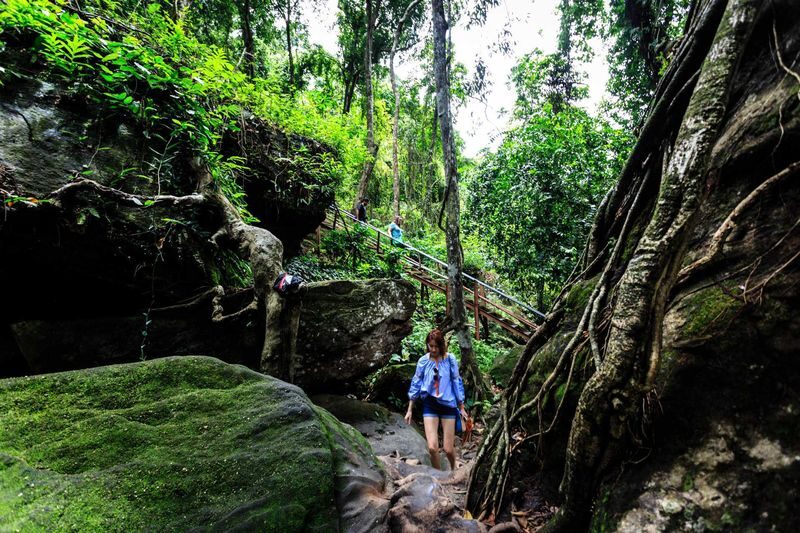
Explore Phnom Kulen’s lingas, reclining Buddha, cliff views, and waterfalls on a guided day trip from Siem Reap, with swimming subject to water conditions.
Phnom Kulen pairs sacred sites with a mountain waterfall, giving you a welcome change from Siem Reap’s temples. You’ll see lingas carved into a riverbed, a reclining Buddha cut from the mountain, and, if conditions allow, a place to swim beneath the falls.
I like the mix of Khmer history and fresh-air scenery, and the guides’ knack for adding context, with names like Chenda, Nara, and King Kong often associated with clear, engaging explanations. I also like that the day includes time at the waterfall, not just quick photo stops.
One thing to prepare for: the road up the mountain can be very bumpy, and rain may muddy or cover the lingas and make swimming unsafe. Walking is moderate overall, but getting down to the main waterfall can feel tiring.
This is a full-day outing from Siem Reap into the countryside around Banteay Srei. One reported schedule ran from about 8:30 a.m. to 4 p.m., though your exact pickup and return times may differ. Pickup and drop-off are often described as punctual, but some departures involve a transfer at a meeting point before the main vehicle sets off.
That transfer is worth keeping in mind if you prefer a direct ride. Confirm your pickup instructions and stay reachable, since one account describes a change of vehicle before the actual tour. Once underway, the guide usually fills the drive with information about Cambodia, Khmer culture, and the history of Kulen.
The mountain road is the day’s main comfort issue. It can be potholed and rough, with slow sections where rain has damaged the surface. If you’re prone to motion sickness, consider bringing your usual remedy. A few people have also wished for seat belts in the bus, so check your vehicle and take care on the ride.
The return trip is not just dead time: guides often use it to keep sharing stories and answer questions. Still, the drive can be tiring, particularly if you have already walked down to the falls and back.
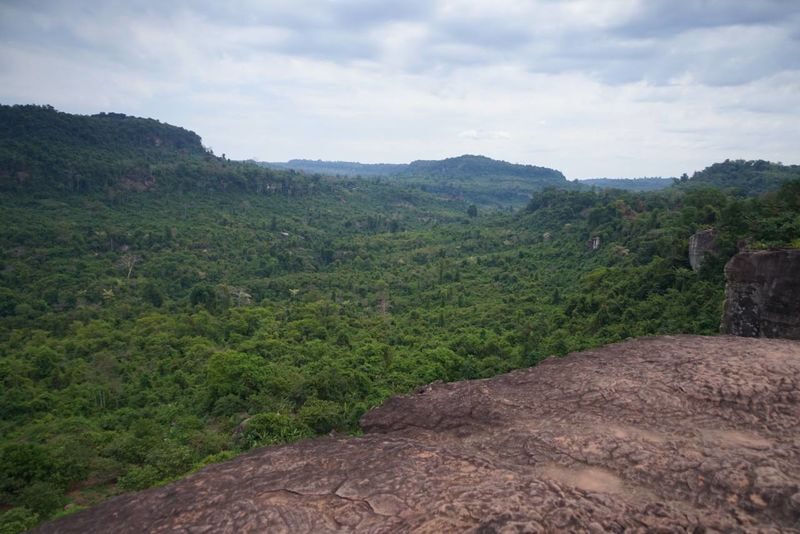
Some itineraries begin with Poeng Ta Kho, a cliff or rocky plateau with wide views across the mountain. The short walk to the viewpoint is a good warm-up and a fine place for photographs. Guides may help you find a good angle, which is especially useful if you’re travelling solo and want more than a selfie.
Do not expect a strenuous trek. The walking on this tour is generally moderate, not a full-day hike, though the ground and steps at later stops can take more effort. Wear shoes that feel secure underfoot, particularly if the area is wet.
The viewpoint also sets the scene for the rest of the day. Phnom Kulen is more than a waterfall stop: its religious sites and natural features are tied to Khmer history. A guide can explain those links as you move between the stops, rather than leaving you to piece them together from brief signs.
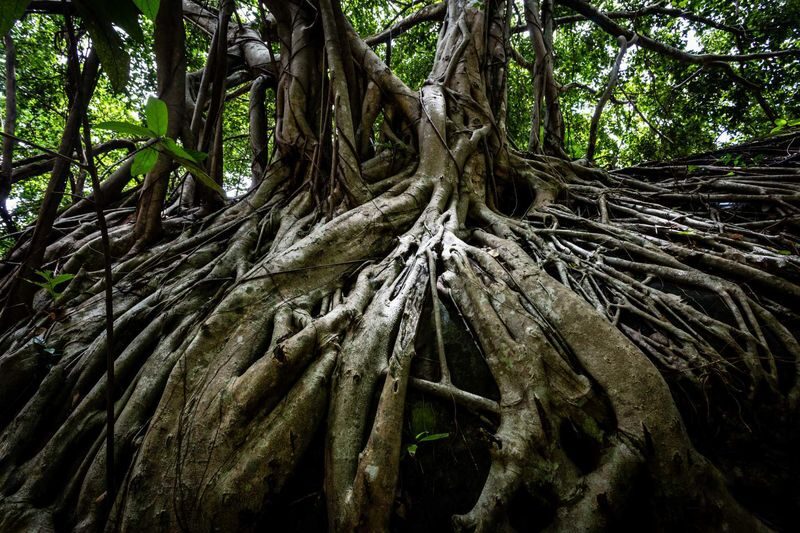
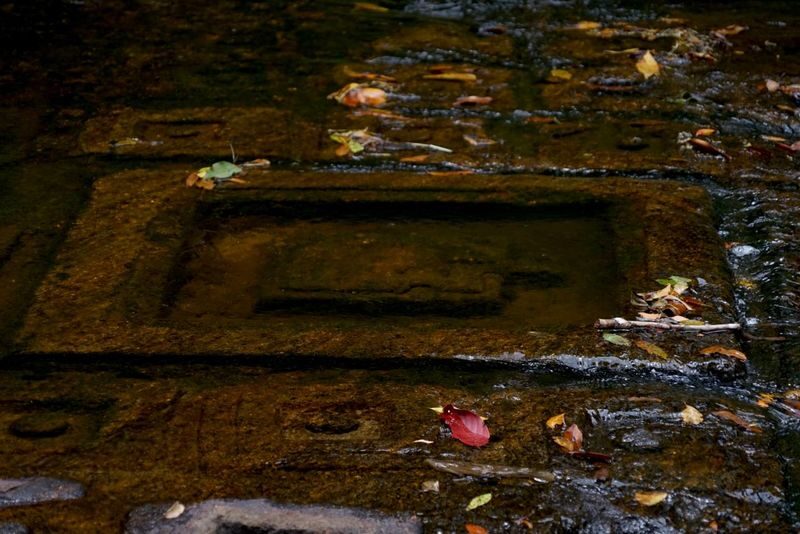
The River of a Thousand Lingas is one of the most distinctive stops. The riverbed is carved with lingas, sacred symbols associated with Shiva, and other religious designs. The water flowing over the carvings gives the site its special character, while the guide’s explanation helps you understand why this was a place of spiritual importance.
There is a seasonal catch. During heavy rain or high water, the carvings can be difficult or impossible to see clearly. If seeing the lingas is your main reason for booking, the rainy season may bring some uncertainty. Conditions can also affect the river’s appearance from day to day, so it is best not to treat a clear view as guaranteed.
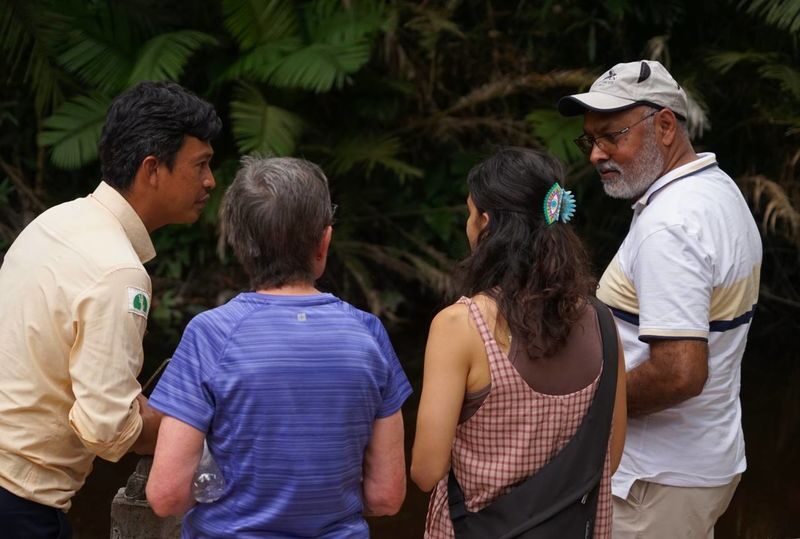
This is where the tour’s historical explanation matters. Guides such as Chenda, Nara, and Narath have been singled out for explaining the relationship between Kulen, the Khmer Empire, and later temple building. You can ask questions as you go, and several guides are also known for sharing details about Cambodian life beyond the monuments.
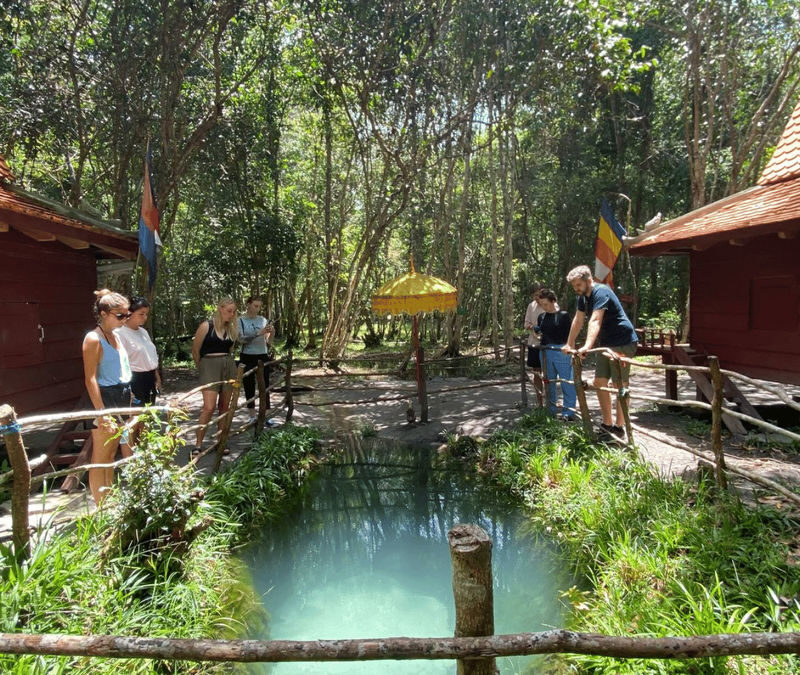
At Preah Ang Thom, you’ll see a reclining Buddha carved from the mountain stone. It offers a different kind of sacred site from the river carvings: less about a water-washed riverbed, more about a large religious figure set into the mountain itself.
There are food stalls along the path, and you may find local snacks as well as souvenirs. Some guides have brought small treats for their groups, but consider that a bonus rather than a promise. If you enjoy trying local food, this is a good moment to look around without letting the shopping stretch eat into time at the waterfall.
The stop involves walking, and the area can be busy. A guide can help explain the site and keep the visit moving, but the pace may feel quick if you want to linger at every stall or take lots of pictures. If you have a question about the Buddha or the mountain’s religious role, ask while you are there rather than waiting until the ride back.
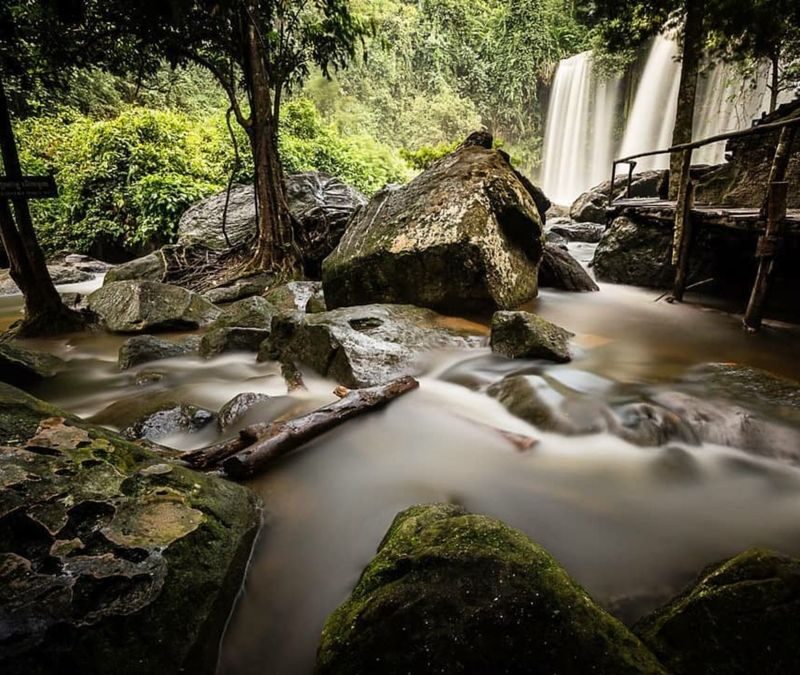
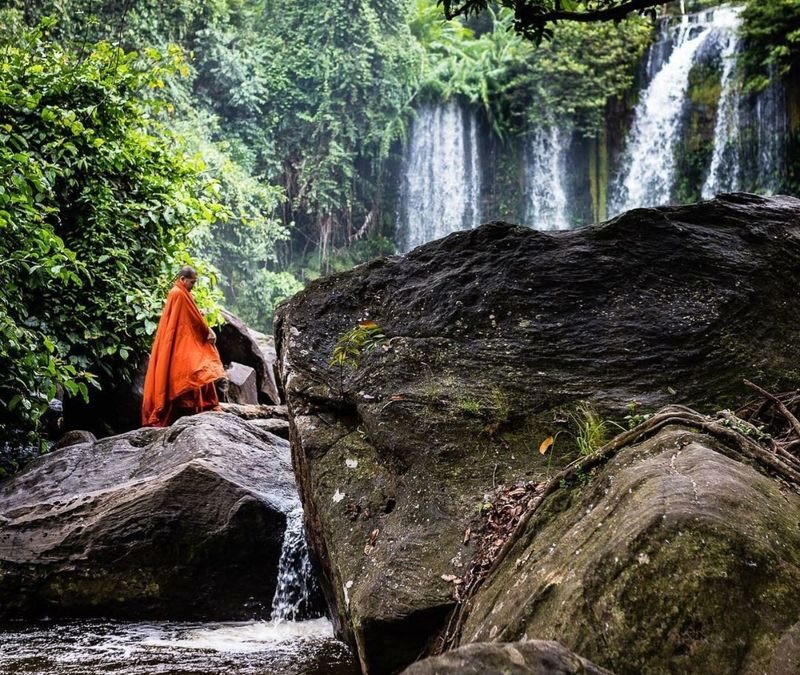
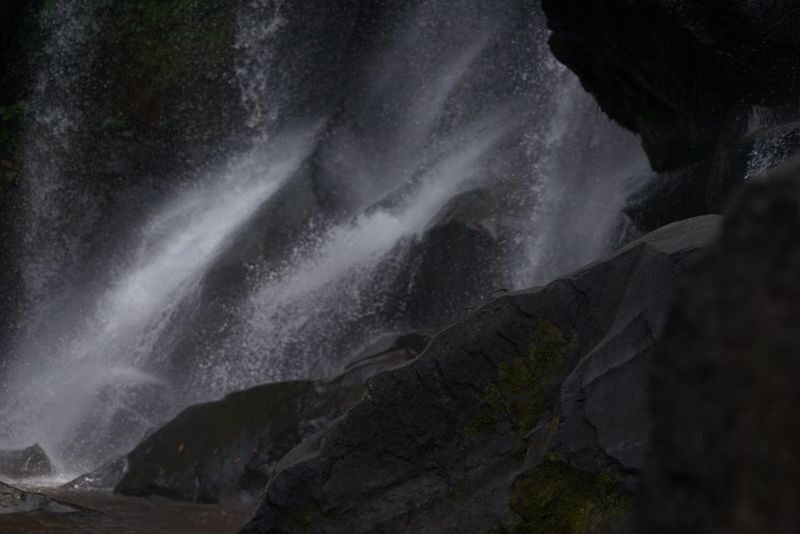
The waterfall is often the most eagerly anticipated stop, and for good reason. After the mountain drive and visits to the sacred sites, the sound and spray of the falls offer a refreshing break. Some departures allow a generous stretch of time here, with reports ranging from about an hour to around two hours.
Swimming is possible when water conditions are safe. After heavy rain, however, levels can rise enough to make swimming unsuitable. That can be disappointing if you packed a swimsuit with the falls in mind, but the scenery still makes the stop worthwhile. Bring a change of clothes if you plan to get in, and follow your guide’s advice about conditions.
Reaching the main waterfall can involve a tiring climb down and back up. This is the point where moderate walking may feel more demanding, particularly in heat or on wet steps. Take your time and save some energy for the return climb rather than rushing straight to the water.
There are food stalls and local activity around the waterfall area. One account describes children playing near a bridge in a nearby village, a reminder that this is a lived-in place as well as a scenic stop. Be friendly and respectful, and ask before taking close-up photographs of people.
Lunch is mentioned on many departures, often at a local restaurant near the waterfall, and some people describe Khmer food as a highlight. However, the meal arrangement is not consistent across the available trip details: one account describes lunch as self-paid. Check what your selected package includes before you set out, and carry some money in case you need to pay for a meal or snacks.
The pace can vary. Some groups have ample time at each site, while others have felt rushed and had to choose between browsing the local market and taking a quick swim. If swimming matters most, make that clear to your guide and keep an eye on the time. The schedule has several stops, so a little flexibility helps.
Drivers and guides may provide bottled water or cold towels, but do not assume every departure will offer the same extras. Carry water for the walks, especially in hot weather. A towel and a change of clothes are sensible if you hope to swim.
With a starting price of $51.65, this is a good-value way to reach Phnom Kulen if you want transport, several major stops, and a guide in one organized day. The value is not just the waterfall: you also get the sacred river carvings, the reclining Buddha, the mountain viewpoint, and explanations that connect those sites to Cambodia’s history.
The price is easier to judge once you confirm the details for your chosen package. Lunch is not clearly guaranteed as part of the cost, and extras such as snacks or souvenirs are separate. A tour can also save you the work of arranging transport to multiple sites, though the bumpy road remains part of the journey.
The tour has an overall rating of 4.4 out of 5 from 493 ratings, and the provider, Siem Reap Shuttle, has a 92 percent good review rate across 10,146 reviews. Those figures suggest a generally dependable operation, not a perfect one. One person reported a cancellation, and the usual trade-offs remain: road conditions, changing water levels, and a group schedule you do not fully control.
I’d choose this trip if you want a day away from the Angkor temples and are interested in both nature and Khmer history. It suits curious visitors who enjoy having a guide explain what they are seeing, solo travellers who appreciate help with photos, and anyone keen to swim if conditions allow.
It may be less appealing if you need a smooth ride, want a strenuous hike, or expect a long, unhurried visit at every stop. It is also not the best choice if your whole decision rests on swimming or seeing the lingas in clear water, since rainfall can change both.
Booking is offered with instant confirmation, and free cancellation is available when you cancel at least 24 hours before the activity date, using destination local time. For tomorrow bookings, check the specific departure details and package terms before paying.
“chengda was a passionate and knowledgable guide with an archaeology background. There's just a moderate level of walking; it's not a full hike if t…”
The listed starting price is $51.65. The final price and what it includes can depend on the package you choose.
The tour covers Phnom Kulen highlights including the River of a Thousand Lingas, the reclining Buddha, and Kulen Waterfall. Some departures also stop at the Poeng Ta Kho viewpoint.
Swimming is possible when conditions allow. High water after heavy rain can make swimming unsafe or unavailable.
No. During the rainy season or when the water is high, the carvings may be difficult to see.
The walking is generally moderate, rather than a full hike. The climb down to and back up from the main waterfall can feel tiring.
Lunch is mentioned on some departures, but the meal arrangement is not consistent. Check the details of your selected package before booking.
You can receive a full refund if you cancel at least 24 hours before the activity date, based on destination local time.