Physical Address
304 North Cardinal St.
Dorchester Center, MA 02124
Physical Address
304 North Cardinal St.
Dorchester Center, MA 02124

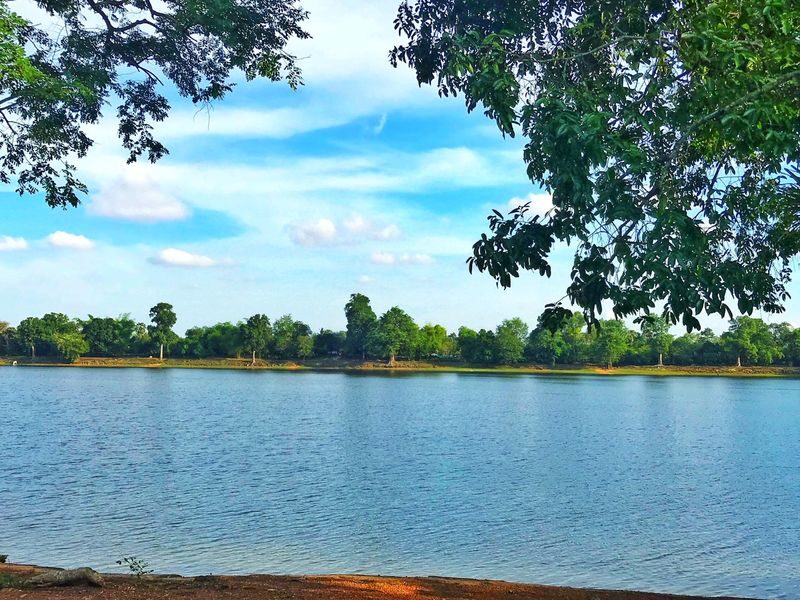
Ride a tuk-tuk around Angkor’s Grand Circuit, from Preah Khan to Ta Som. Compare the temple stops, guide options, extra costs, and practical trade-offs.
Angkor’s Grand Circuit is made for a tuk-tuk: temple to temple, open air, with the countryside and forest slipping by between stops. This private tour covers major sites beyond the usual Angkor Wat and Bayon route, including Preah Khan and Ta Som, and gives you room to set your pace at each stop.
I like two things here: you get a direct ride between far-flung temples without having to bargain for transport, and the small vehicle makes the journey part of the day rather than just a transfer. The standard tour is not guided inside the temples, though, and the listed full-day schedule can be longer than the actual sightseeing time.
The advertised schedule starts with hotel pickup at 8:00 a.m. and returns around 4:30 p.m. It sets aside time for the ticket office, temple visits, and a 30-minute lunch stop, with sightseeing divided into two blocks.
In practice, the standard circuit may take less time than that schedule suggests. Some people finish in about four or five hours, especially when they explore without a guide or keep their temple visits briskly paced. That can be a bonus if you want an afternoon back in Siem Reap, but a letdown if you expected a full eight hours of sightseeing.
You can ask the driver about your pace and priorities before setting off. The tour is described as flexible, and some drivers have accommodated requests to change the order or add a stop. But do not count on an extra temple or a longer route unless you agree on it clearly in advance.
The private format is useful for couples, friends, and solo visitors who want to decide how long to spend at each site. The vehicle can carry up to four people, so a small group can share the ride and spread the transport cost. It is not a quiet, air-conditioned tour: the open tuk-tuk brings wind, heat, and dust along with the views.
For a more personal experience, these private Siem Reap tours deliver individual attention
Preah Khan is one of the Grand Circuit’s major stops. Built by Jayavarman VII and dedicated to his father, it gives you a chance to spend time among the architectural remains of the Khmer Empire without the tour’s first stop being just a quick photo break.
Give yourself enough time to walk around. The driver waits while you explore, but you will be on your own inside unless you book the package with an English-speaking guide. If you enjoy noticing carvings, layout, and the way a site changes as you move through it, a guide can add context that a driver cannot provide.
A few people have found the standard tour’s pace brisk, particularly without a guide to explain what they are seeing. Set expectations early: say if you want a longer visit, and ask how that affects the other stops. The point of a private ride is some control over the day, but a clear conversation helps make that control real.
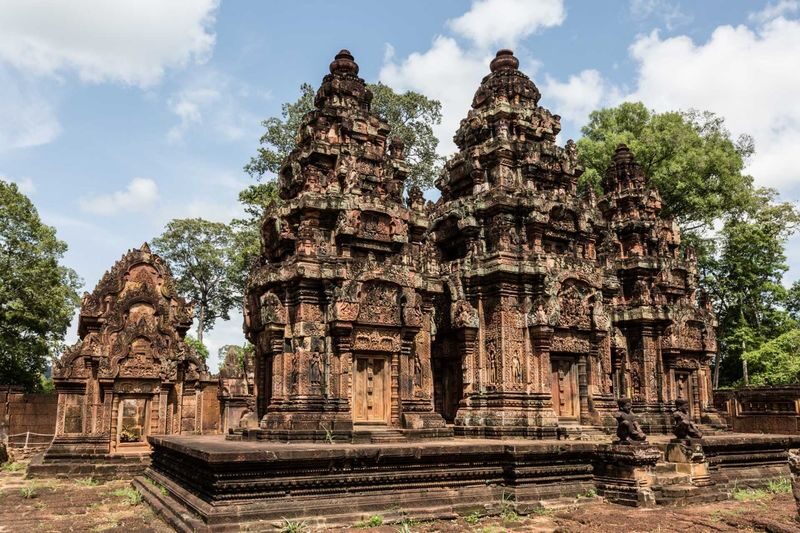
Neak Pean offers a different scale. This 12th-century temple was built on a small artificial island, so the setting is as much a part of the visit as the structure itself.
It is a welcome contrast after a larger complex like Preah Khan. You do not need to treat every stop as a long exploration; the Grand Circuit works best when you save time for the places that hold your attention and take shorter visits where you are ready to move on.
Your driver handles the transport between sites, not the interpretation. If you want to understand the temple’s purpose and design, bring a guidebook or arrange the separate English-guided option. Otherwise, enjoy the setting and take your time looking around.
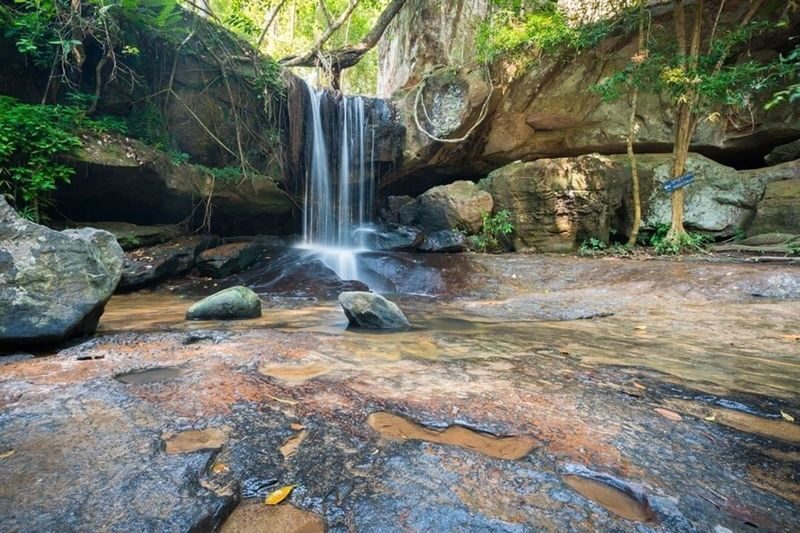
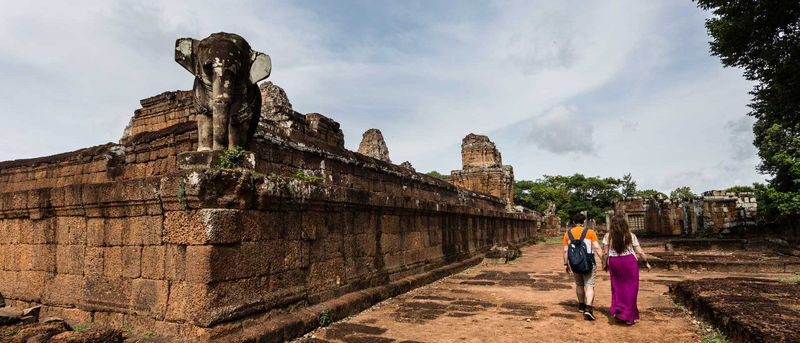
Eastern Mebon dates to the 10th century and was once surrounded by water, with access by boat. Today, the draw is the temple itself and the story of how the surrounding landscape has changed.
That history makes this stop especially interesting if you like seeing how Angkor’s buildings were tied to water management and ritual life. You do not need to be an expert to appreciate the idea of a temple once reached by boat, but a guide can help connect that detail to what you see on the ground.
As with the other sites, the time you spend here depends on your interests and the day’s pace. Ask the driver where to meet when you leave the tuk-tuk, especially if you want to wander without watching the clock.
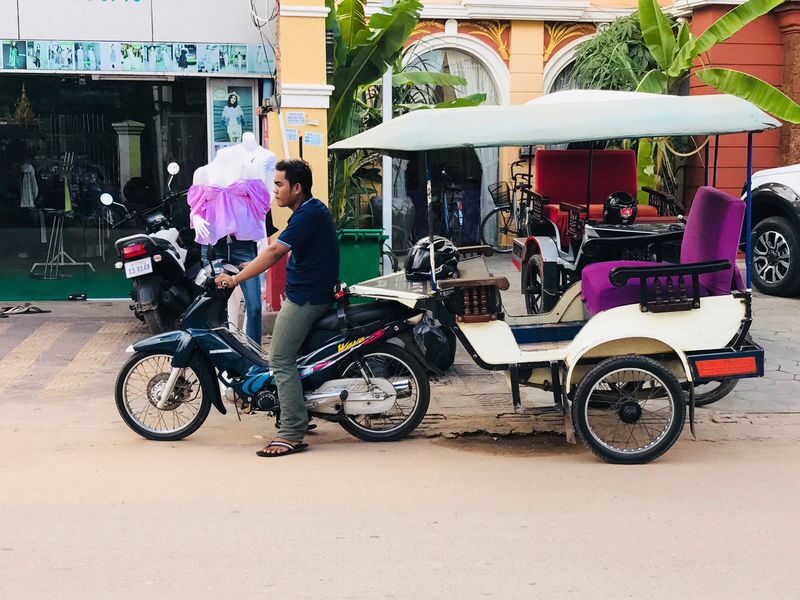
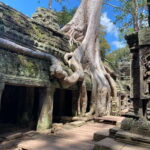
Ta Som is smaller than Preah Khan and is described as increasingly enveloped by nature. Look for the entrance gopuras, or gateway towers, with depictions of Avalokiteshvara, the Bodhisattva of compassion.
I like the contrast this stop brings to a day of large temple complexes. It is easier to take in the setting without feeling that you need to cover an enormous area, and its gateways make a good reason to slow down and look closely.
The circuit’s stops can feel repetitive if you are already temple-weary. Ta Som is a good place to decide whether you want to linger over details or keep moving, rather than trying to give every temple the same amount of time.
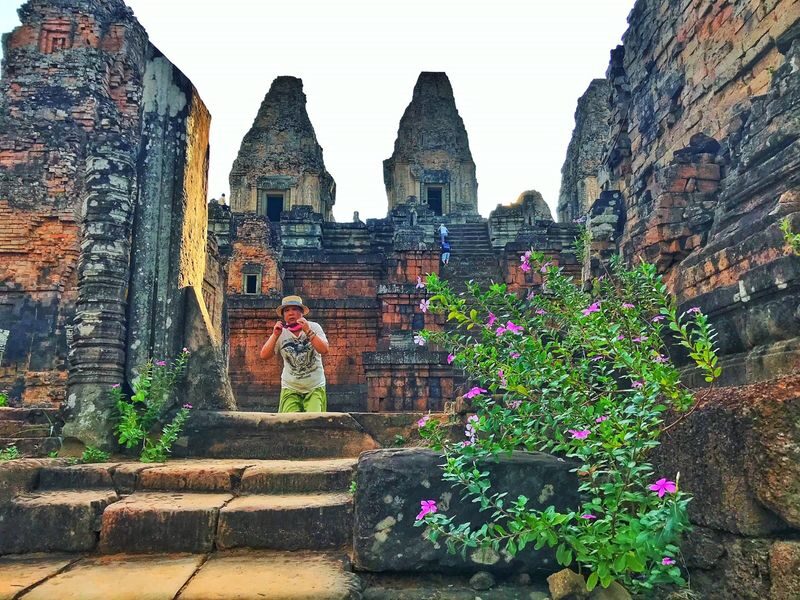
Pre Rup is a popular place to watch the sunset and is believed to have served as an early crematorium for royals. This tour visits during the day, so the sunset reputation is useful context, not a promise of an evening view. If sunset is a priority, ask in advance whether your schedule can accommodate it and whether an added charge applies.
The last listed stop, Srah Srang, is a large pond east of Angkor Thom. It was used for ritual washings and is still filled with water. After a sequence of stone temples, the open water gives the route a different feel.
The order of stops may change with traffic or weather, and drivers have sometimes reversed the route. If you have a must-see site, mention it at the start rather than assuming the printed order is fixed.
The tour description offers a choice of Banteay Srei or Kbal Spean for anyone wanting more sightseeing. These are optional, not part of the basic Grand Circuit fare, and the separate package options specifically list a Grand Circuit plus Banteay Srei. Check the package details before paying so you know which extra is included.
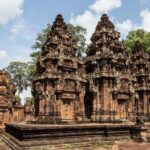
Banteay Srei is praised for its beauty, and the combined tour can be a strong choice if you want to add another temple. But it adds distance and time. One important practical tip: confirm with the driver at pickup that you have booked and want the extension. A clear agreement helps avoid spending the morning debating whether it is too far or too hot.
Kbal Spean is also named as an optional extension, but the tour information does not give details about its route or timing. Ask the operator what your chosen package covers before booking.
The basic tuk-tuk option is shown from about US$20, while the experience summary gives a starting price of US$23. Prices vary by package and booking details, so check the amount shown for your date. The listed options include Grand Circuit plus Banteay Srei from US$34.65, and a Banteay Srei package with an English-speaking tour guide from US$89.79.
The low starting fare buys transport and hotel transfers, not entry to Angkor. You need to buy an Angkor Pass at the ticket office before entering the temples. The stated options are US$37 for one day, US$62 for three days, or US$72 for seven days, with the multi-day passes used on consecutive days.
Lunch is also at your own expense. The planned stop is about 30 minutes, but you can ask about the restaurant before sitting down. One practical caution: a meal stop can add a noticeable cost, and food prices may be higher than in town. Bring water and a small snack if you prefer more control over where and when you eat.
For a small group, the value is strongest when you want a private vehicle and do not need a guide. If you want temple history explained on the spot, compare the guided package against arranging a guide separately. Do not assume the standard driver will provide a full tour narration, even if they speak some English.
The tuk-tuk makes the long connections between sites easier, and the open sides let you feel the air as you travel. Drivers are often praised for being friendly, punctual, and careful, with named drivers including Phallet, Panreach, Hon, and Sa Vin. Those are examples, not a guarantee of who will be assigned to your trip.
The ride is exposed to heat and road dust. A scarf or face covering is sensible, along with the clothing required for temple visits: long pants, covered shoulders, and closed shoes. Bottled drinking water is included in the tour details, but reports differ on whether it is consistently provided, so carry your own as a backup.
The tuk-tuk holds a maximum of four people. That is a good fit for a couple or small group, but luggage storage and delivery are not provided, so do not plan to bring bags along.
Book this if you have already seen the Small Circuit, want to reach the outer temples without arranging transport stop by stop, and are comfortable exploring without a guide. The private tuk-tuk and flexible pace are the main strengths, especially for a small group that values a simple, direct ride.
Choose the English-guided package if you want explanations at the temples, and confirm the price and included stops before booking. If you need a strict full day, a guaranteed extension, or a detailed account of Khmer history, do not rely on the basic package to provide those things. Confirm your pickup and route with the operator in advance, then enjoy the ride between the ruins as much as the stops themselves.
“The driver contacted me the night before, and he was very nice. We visited all seven places, and Banteay Srei was exceptionally beautiful. Great ex…”
The standard Grand Circuit Tuk-tuk Tour includes a driver, not a guide inside the temples. A separate package with an English-speaking guide is offered.
The stated departure is 8:00 a.m., with return around 4:30 p.m. The schedule may change with traffic and weather, and some outings finish earlier.
The described route includes Preah Khan, Neak Pean, Eastern Mebon, Ta Som, Pre Rup, and Srah Srang. The order may change.
No. Admission is not included. The stated pass prices are US$37 for one day, US$62 for three days, and US$72 for seven days.
No. Lunch is at your own expense, with a planned stop of about 30 minutes.
The tour offers either as an optional extension. The listed package options include a Grand Circuit plus Banteay Srei; check your selected package to confirm what it covers.
A tuk-tuk can fit up to four people. The activity is listed for groups of one to four participants.
Wear long pants, a long-sleeved shirt or a scarf to cover your shoulders, and closed shoes. A face covering can also help with dust on the ride.
Bottled drinking water is listed as included. Since reports about its availability differ, bring your own as a backup.