Physical Address
304 North Cardinal St.
Dorchester Center, MA 02124
Physical Address
304 North Cardinal St.
Dorchester Center, MA 02124

Visit Enoshima Aquarium in Fujisawa for Sagami Bay sea life, a jellyfish gallery, dolphin shows, and coastal views near Enoshima.
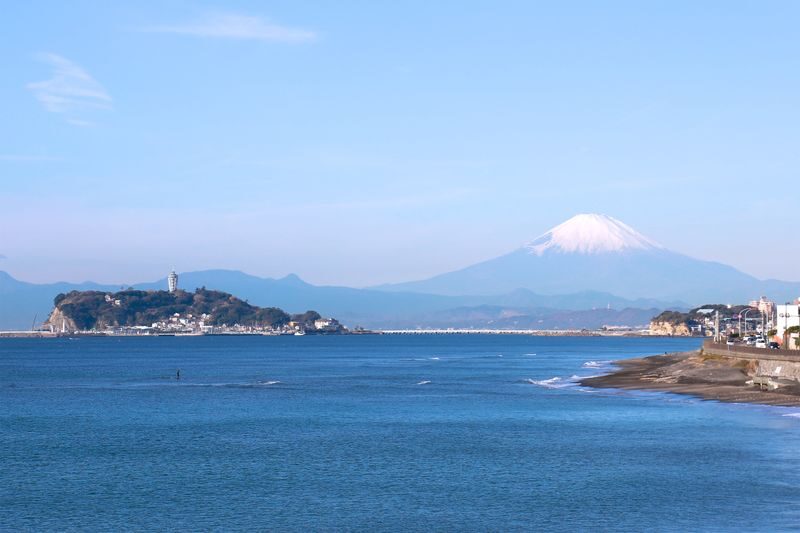
The appeal here is the setting: Enoshima Aquarium puts you beside the Shonan Coast, with Enoshima Island across the water and Mt. Fuji sometimes visible on a clear day. Inside, I like the large Sagami Bay tank for its sense of place, and the quiet jellyfish displays for a slower, more atmospheric break from the coast.
One thing to weigh up is the animal-care question. Some enclosures have prompted concerns about space, so if you feel uneasy seeing marine mammals or other animals in captivity, this may not be an easy visit. Summer and holiday crowds can also make the exhibits feel less peaceful.
Enoshima Aquarium sits at 2-19-1 Katase Kaigan in Fujisawa, close to the beach and within easy reach of Enoshima. It is a natural stop if you are already exploring the coast, and a useful change of pace from temples, shopping streets, or time outdoors. The setting is a real part of the attraction: this is an aquarium with sea views just beyond its doors.
Allow one to three hours. You can move through the exhibits fairly quickly, but shows, hands-on activities, and pauses at the larger displays can stretch the visit. If you have children in tow, or you like to read exhibit labels rather than stroll past them, leave room for the longer end of that range.
The aquarium is not enormous, and that is both a plus and a limit. It is manageable for a half-day outing, but it may feel modest if you expect the scale or number of viewing areas found at Japan’s biggest aquariums. The better reason to come is the combination of local marine life, memorable exhibits, shows, and coastal scenery.
Looking for more options in Fujisawa? Here are some other experiences worth considering.
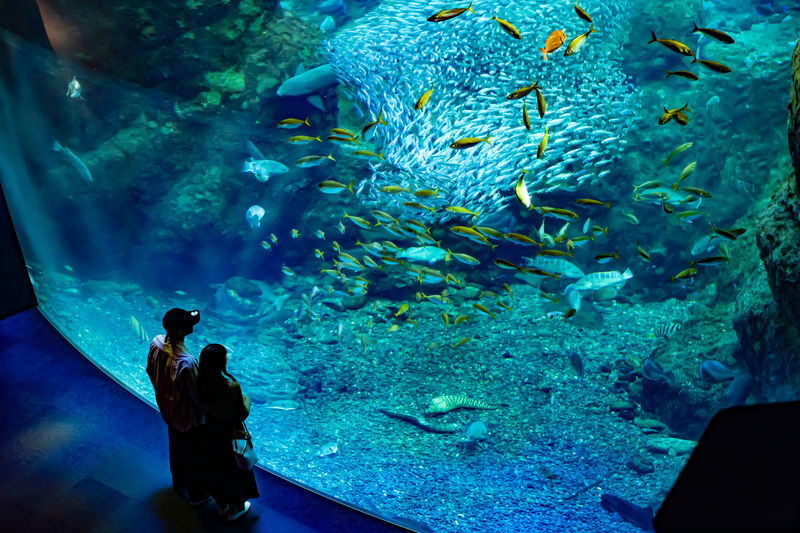
The large tank that recreates Sagami Bay is the natural anchor of the visit. It connects the marine life on display with the water outside, rather than treating the aquarium as a separate indoor world. Take a little time here instead of treating it as a passageway between smaller tanks.
Other displays bring together a range of marine animals, including sharks and octopuses. The exhibit labels help you identify what you are looking at, which makes the visit more rewarding if you like to understand the animals rather than simply admire their colors. The collection is not endless, but the variety gives you plenty to pause over.
This is also where expectations matter. Enoshima Aquarium offers a focused visit rather than a huge sequence of halls, and some tanks may strike you as small for the animals inside. If you are sensitive to animal welfare, take that possibility seriously before booking. The aquarium’s displays can be interesting and visually appealing while still raising hard questions about keeping marine life in captivity.
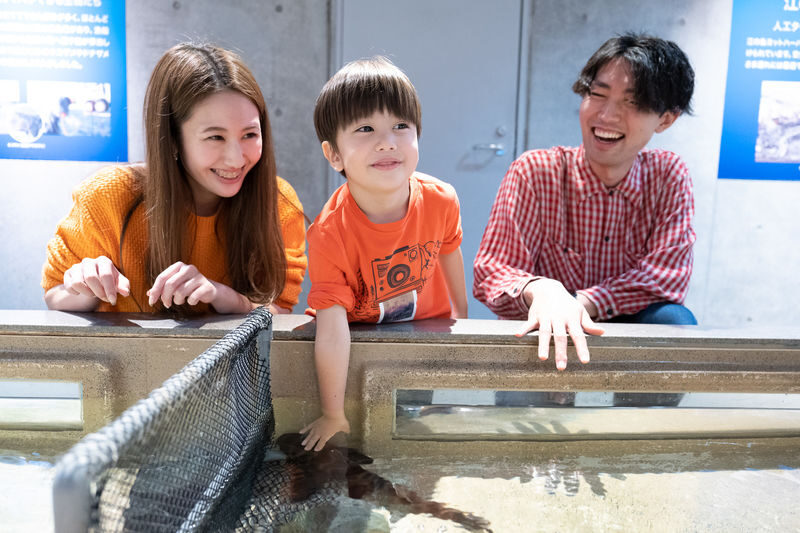
The jellyfish displays are among the most atmospheric parts of the aquarium. They offer a quieter, more contemplative experience than the main tank or performance area, and make a good place to slow your pace. If you enjoy the gentle movement and changing shapes of jellyfish, give this section time rather than rushing through.
The contrast is part of the appeal. One moment you are looking at a large, active tank; the next, you are in a more subdued space where the motion is delicate and unhurried. That makes the aquarium a nice option for a date, too, especially if you want an outing with more variety than a walk along the shore alone.
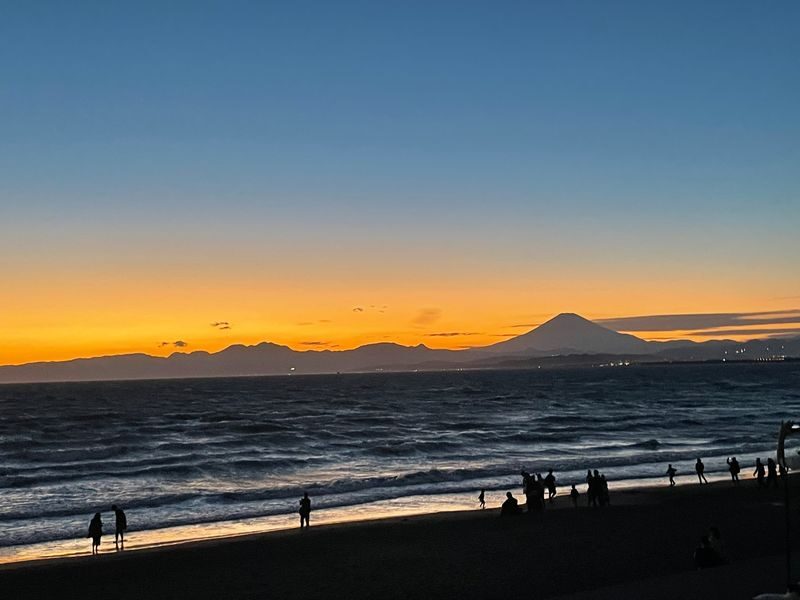
The dolphin show is a highlight for many visitors, and it is included in admission. The performance area benefits from the seaside setting, and the show can be especially engaging for children. If it is a priority, check the schedule on arrival and plan your route around its start time so you do not have to hurry through the rest of the aquarium.
Where you sit can change the feel of the performance. The first few rows offer a closer, more lively view, but you may prefer to sit farther back if you would rather watch without being right in the action. Show times and conditions can vary, so do not build a tight schedule around an assumed performance time.
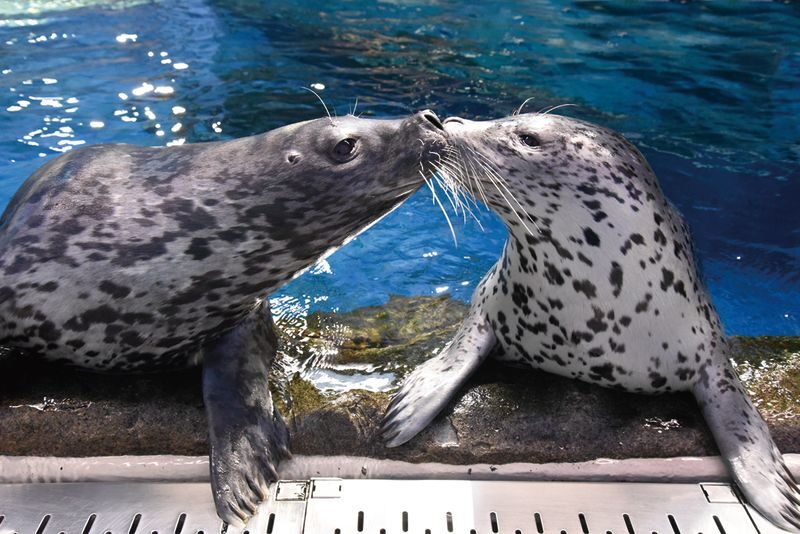
It is worth being clear-eyed about the animal-welfare trade-off. Some people find dolphin performances entertaining; others feel uncomfortable watching marine mammals perform in a confined setting. Concerns have also been raised about the size of certain animal enclosures, including those for sea turtles and other large animals. If that issue is central for you, you may want to choose a different coastal activity.

Asian small-clawed otters and capybaras are among the animals that may appeal most to families. They bring a lighter, more familiar note to a visit otherwise focused on marine life. Animal visibility can vary, so treat any particular sighting as a possibility rather than a guarantee.
Some visitors also make time for a small paid activity such as pearl digging or pearl-related jewelry making. These extras are not part of the admission ticket, and availability or queues can affect whether they fit into your day. If one catches your eye, check the details at the venue and be ready for an additional charge.
There may also be opportunities to touch small marine animals, such as sharks or sea urchins, in designated areas. These activities add a hands-on element, especially for children, but do not assume every activity will be open or available during your visit. Ask staff about current offerings when you arrive.
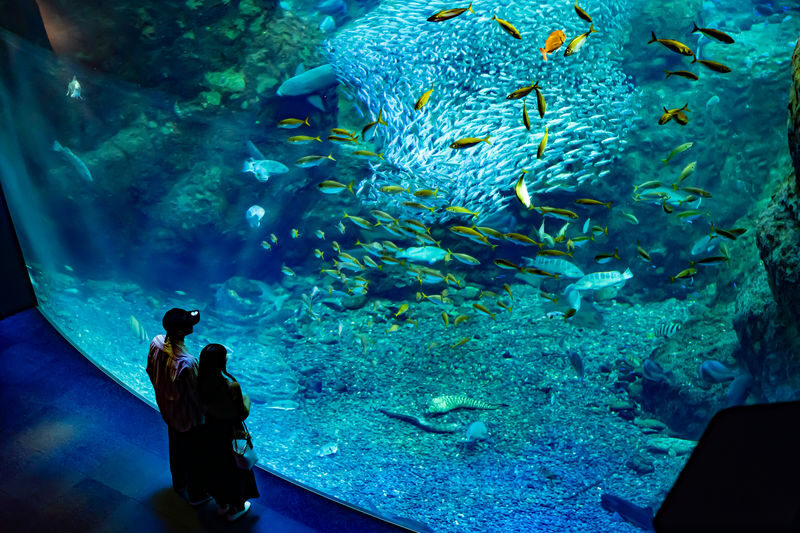
The aquarium’s location is more than a convenient address. A balcony and outdoor areas let you look toward the sea, Enoshima, and the Shonan Coast, making it easy to connect what you have seen indoors with the actual coastal setting. On a clear day, Mt. Fuji may appear in the distance. Weather and visibility decide whether you get that view, so think of it as a bonus, not a promise.
The sea air and open views also make this a good stop on a hot or rainy day. The indoor exhibits offer shelter from the weather, and the aquarium’s air conditioning can be a welcome break in summer. If you have time after your visit, the beach and nearby station area make it easy to continue your coastal day rather than treating the aquarium as the whole outing.
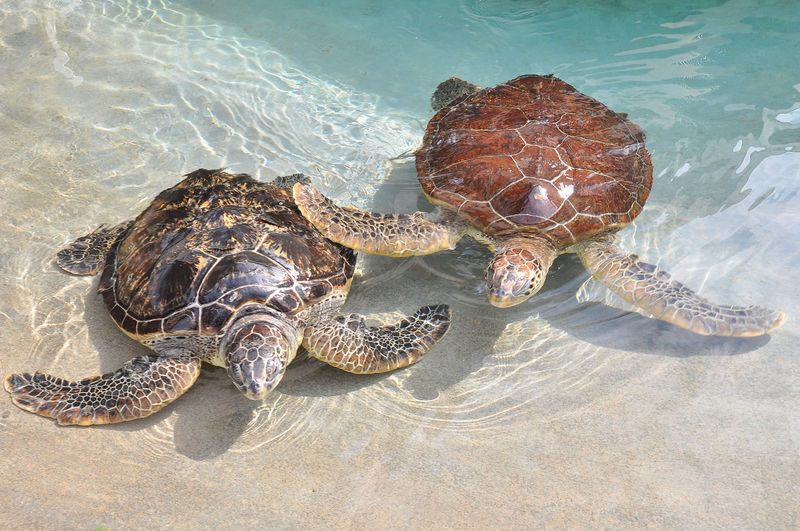
Admission starts at US$14.15, though the final price depends on the package and any discount available when you book. The ticket covers entry to the facility, exhibitions, and shows. Personal spending and optional activities are extra.
For a family or anyone who wants an indoor activity near Enoshima, the price can represent solid value, especially if you stay long enough to see a show and take your time with the exhibits. The aquarium also works well as a rainy-day plan or a break from summer heat. If you are comparing it with much larger aquariums, keep in mind that the smaller scale may make the visit feel short.
A mobile voucher can save you from waiting at the ticket counter. Present it on your phone, then let staff validate it at the entrance. Do not try to validate it yourself: an incorrect self-validation can make the ticket unusable. The voucher is valid for 90 days from booking confirmation, but that flexibility does not replace any separate date or time reservation required on a busy day.
The simplest rail option is the Odakyu Enoshima Line to Katase Enoshima Station, about a three-minute walk from the aquarium. Enoshima Station on the Enoshima Electric Railway and Shonan Enoshima Station on the Shonan Monorail are each about a ten-minute walk away.
Opening hours are listed as 9:00 a.m. to 5:00 p.m. from March through November, and 10:00 a.m. to 5:00 p.m. from December through February. Last entry is one hour before closing. Hours can change during holiday weeks, school vacations, and facility inspections, so check the aquarium’s current information before setting out.
Peak dates may bring extra entry requirements. The supplied schedule calls for a free admission reservation ticket from the aquarium’s website for May 3 to 5, 2026, and a web entry reservation from 10:00 a.m. to 3:00 p.m. from August 9 to 15, 2026. These notices are date-specific; check the current rules for your own visit, since a purchased ticket may not be enough on a restricted day.
You can re-enter by showing your ticket, wristband, or stamp at the entrance. Lockers cost JPY 200 to 300, and staff can advise about other storage. Very large or long bags may not be allowed into exhibits or shows. Pets are not permitted, although assistance dogs are allowed. Flash photography is prohibited, and smoking and drinking are not allowed inside.
I would put this high on the list if you are visiting Enoshima with children, want an indoor activity near the coast, or especially enjoy jellyfish and marine displays. The dolphin show, aquarium exhibits, and seafront views give the visit several distinct parts, and the short walk from Katase Enoshima Station makes it easy to fit into a day out.
I would think twice if you are seeking a large aquarium with extensive galleries, or if animal captivity is a firm concern for you. The aquarium’s coastal setting and calm jellyfish displays are appealing, but they do not erase the questions some exhibits can raise.
Book it if you want a compact, family-friendly coastal outing and will make time for the show and views. Check current reservation rules before you go, and choose another activity if the animal-welfare concerns would overshadow the visit for you.
“Watching the dolphin show up close, the children had a wonderful time!”
Plan for one to three hours. A show, hands-on activity, or a slower look through the exhibits can extend your visit.
Admission includes entry to the facility, exhibitions, and shows. Personal expenses and optional activities are not included.
Prices start at US$14.15. The amount you pay can vary by package or discount.
From March through November, listed hours are 9:00 a.m. to 5:00 p.m. From December through February, they are 10:00 a.m. to 5:00 p.m. Last entry is one hour before closing, and hours can change.
Katase Enoshima Station on the Odakyu Enoshima Line is about a three-minute walk away. Enoshima Station and Shonan Enoshima Station are each about a ten-minute walk.
Yes. Present your mobile voucher at the venue and let staff validate it. Do not validate it yourself, as an error can make the ticket invalid.
Yes. Re-entry is permitted when you show your ticket, wristband, or stamp at the entrance.
Children aged zero to two can enter free of charge.