Physical Address
304 North Cardinal St.
Dorchester Center, MA 02124
Physical Address
304 North Cardinal St.
Dorchester Center, MA 02124

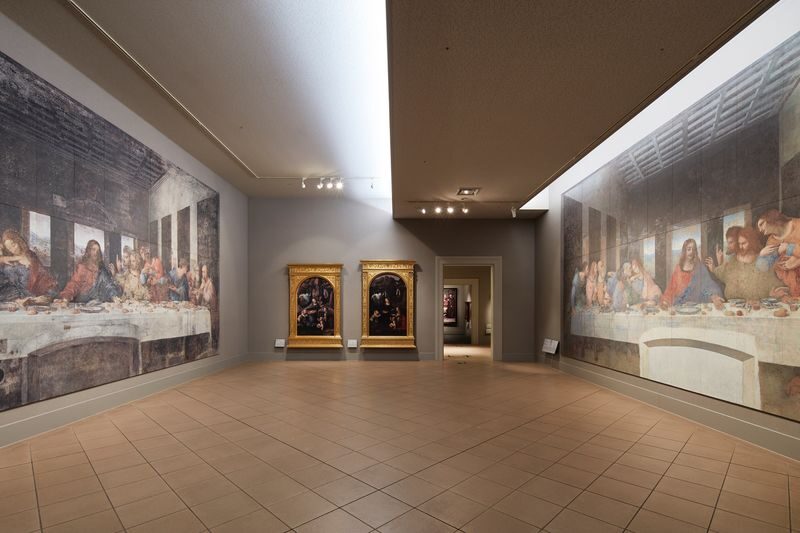
See about 1,000 full-size ceramic reproductions at Naruto’s vast Otsuka Museum of Art, with practical tips on timing, tickets, transport and what to expect.
The Otsuka Museum of Art brings paintings and frescoes associated with 190 museums in 26 countries together under one roof in Naruto. Its roughly 1,000 full-size ceramic reproductions include major works such as Van Gogh’s Sunflowers, alongside recreated settings that make the collection feel like a trip between museums.
I like two things in particular: you can compare famous works without crossing continents, and the ceramic panels let you see large compositions at full scale. The catch is that these are reproductions, not originals, and the museum is so extensive that a quick visit can feel rushed.
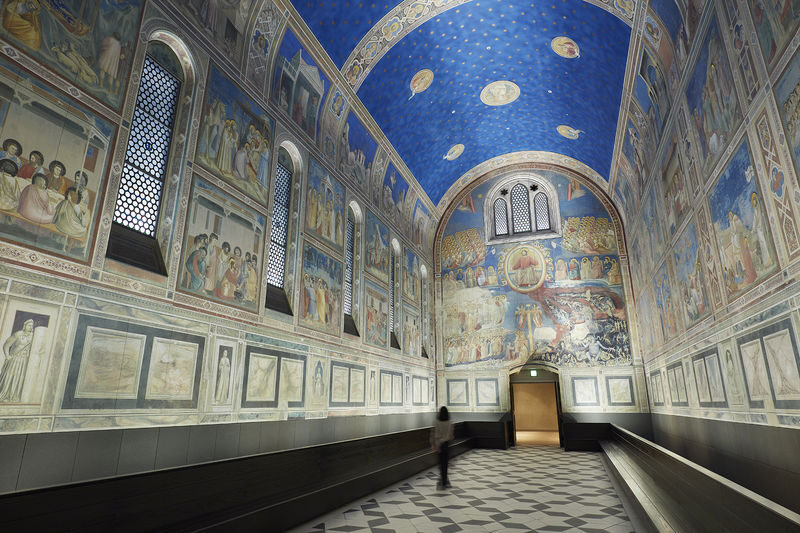
The central idea here is both simple and unusual: instead of displaying original paintings, the museum reproduces them on ceramic boards at full size. The result is a collection that lets you see works usually spread across distant museums, churches and archaeological sites in one visit.
That difference matters. A reproduction cannot give you the same encounter with an original, its age, surface or history. But it can make scale and composition easier to appreciate, and it gives you a chance to compare famous works side by side without a European museum-hopping itinerary.
The collection is described as covering about 1,000 Western paintings associated with 190 museums in 26 countries. Its range includes paintings and frescoes from different eras, with environmental displays that recall ancient sites such as Pompeii and Cappadocia. You can move from one kind of setting to another without leaving the building.
I would come with an open mind about what a replica can offer. If you are interested in seeing the original brushwork of a particular artist, this is not a substitute. If you want a broad introduction to familiar works, or an easy way to spot details you might miss in a crowded gallery, the format has real value.
Looking for more options in Naruto? Here are some other experiences worth considering.
The museum has three basement floors and two above-ground floors. That is a lot of ground to cover, and the large number of works can make it hard to decide where to begin. Give yourself a loose plan rather than trying to inspect every painting at equal length.
One practical approach is to start on the upper floors and work down. This can put well-known Impressionist paintings near the start of your visit, which is useful if you have limited time or want to see familiar highlights before your feet tire. You can also follow your interests instead of treating the collection like a checklist.
The museum’s size is part of its appeal, but it is also the main physical drawback. Visitors describe spending three to four hours, and some find even that is not enough to see everything closely. There are chairs and places to rest around the exhibits, but comfortable shoes are still essential.
A short visit can work if you focus on a few artists or periods. For a fuller experience, arrive early and leave room for breaks, lunch and an hour-long guided tour. The museum opens at 9:30 a.m., and tickets are sold until 4 p.m., while the building closes at 5 p.m. Arriving late leaves little room to wander.
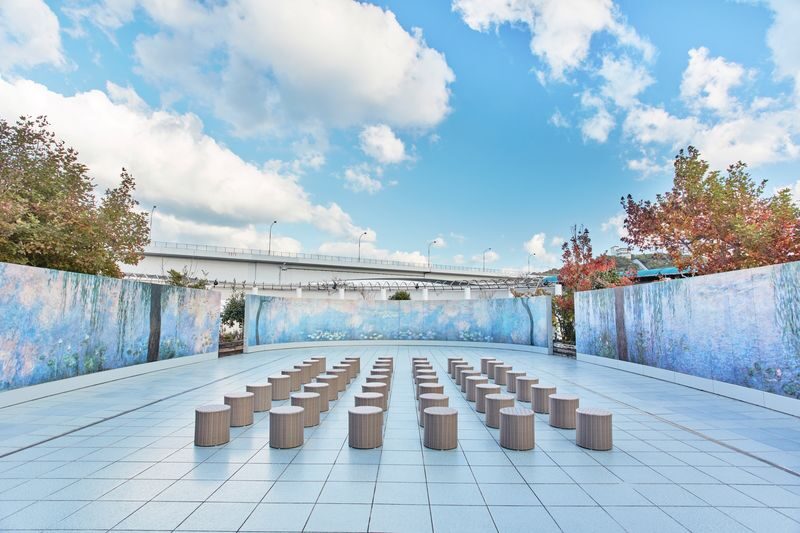
The ceramic panels are the museum’s defining feature. Full-size display makes it easier to understand how large a painting or wall decoration really is, rather than seeing it reduced to a photograph in a book. The format also gathers works that would otherwise require a long journey between countries and collections.
Some displays recreate the surroundings of the original art. That can make a visit feel less like moving through a line of flat images and more like passing through different artistic spaces. The ancient fresco settings are especially worth slowing down for, and Van Gogh’s Sunflowers are a memorable group to see together.
You will also encounter works that are familiar from art books, including The Last Supper. Seeing related versions in one place can help you compare how a work has changed or been presented. The important thing is to keep the distinction clear: the museum offers a carefully made reproduction, not the original object or its physical history.
Photography is allowed within restrictions. Do not use flash, strobe lights, tripods or other camera fixtures, and commercial photography is prohibited. If you like taking pictures, plan on handheld shots and be considerate of people trying to look at the art.
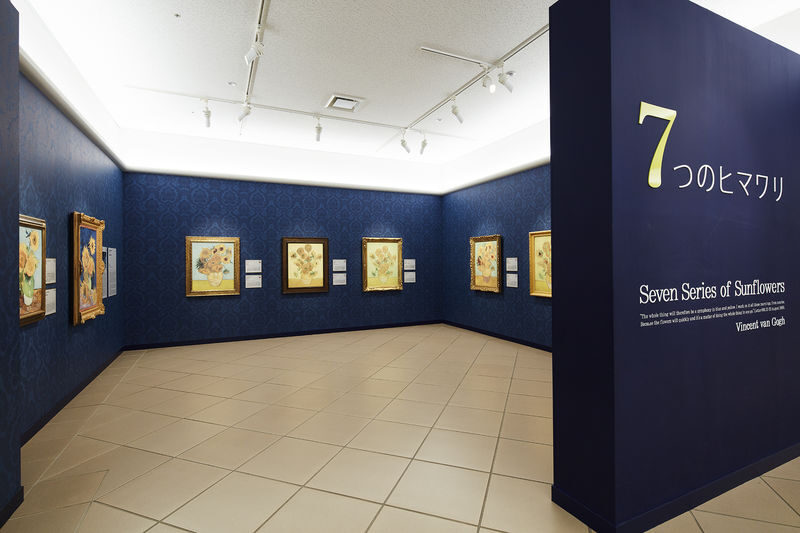
Free guided tours run several times a day, with one-hour commentary. If you want a more structured introduction, ask about the schedule when you arrive. A guide can give you a thread to follow through a collection that might otherwise feel overwhelming.
You do not have to choose between a tour and independent viewing. One option is to take the guided hour first, then return to the sections that caught your interest. The museum’s explanations and labels may be enough for some visitors, while others will appreciate having a person connect the works and settings.
The scale makes rest breaks part of the plan, not a sign that you are doing the visit wrong. There are places to sit among the exhibits, and lockers are available at the main entrance and on B3. Wheelchairs and strollers can be borrowed by contacting the B3 Information Desk.
Food and drink are allowed only in designated areas. The museum has places to eat, including Café de Giverny on B2, which visitors particularly value for its view and atmosphere. Food costs extra, so treat a café stop as a separate part of your budget rather than something included with admission.
The ticket covers admission only. At the counter, the stated prices are JPY3,300 for adults, JPY2,200 for university students, and JPY550 for elementary, junior high and high school students. Online tickets may cost less than the counter price, though the exact saving can vary. Compare the current price before you buy.
The e-ticket is useful when you want to avoid stopping at the ticket counter. At entry, show the voucher screen or a printed voucher with the ticket type and QR code. A voucher number or reservation number by itself is not accepted, so check that the QR code is visible before you reach the entrance.
The voucher has a stated validity date of March 31, 2027 at 4 p.m., while the admission ticket information says the ticket has no expiration date and can be used from the day of purchase. Because those terms are not identical, check the conditions shown for your voucher when booking and use it within its stated validity.
Same-day re-entry may be possible, but ask at the entrance before leaving. That can help if you want to take a break or coordinate your museum visit with another nearby activity. Do not assume re-entry is automatic.
The ticket is non-refundable, and changes or refund requests must go through Klook customer service. Keep that in mind if your plans are uncertain. The convenience and possible discount are worthwhile when your visit date is settled.
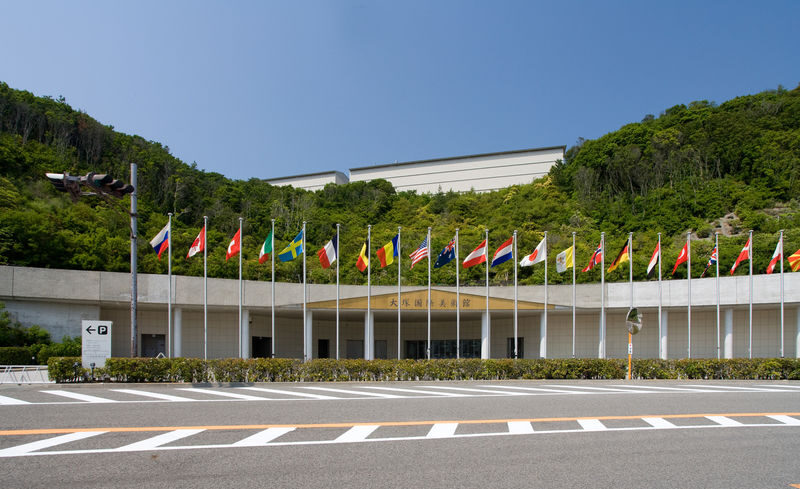
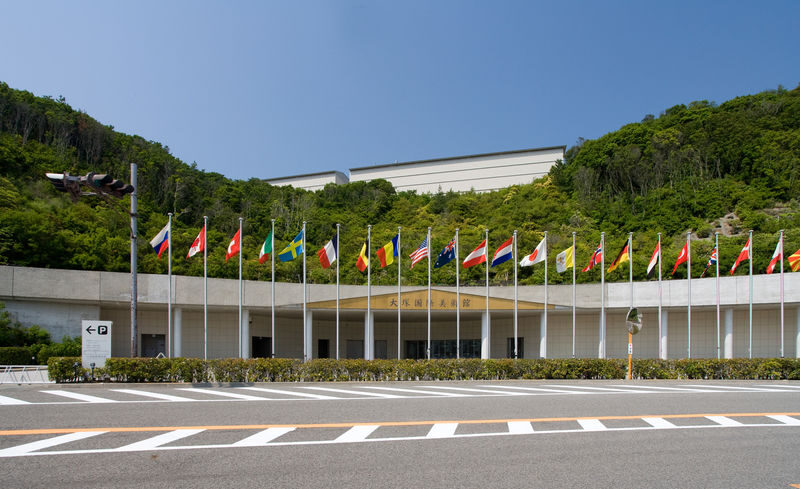
The museum address is Fukuike-65-1 Narutocho Tosadomariura, Naruto, Tokushima 772-0053. From Naruto Station, the local bus takes about 15 minutes. If you are driving, the stated route is from Naruto Kita IC on the Kobe-Awaji-Naruto Expressway, turning left toward Naruto Kaikyo; the drive from there is about three minutes.
The parking area is separate from the museum, and a free shuttle bus runs between them. If you are driving, follow the signs and staff directions rather than expecting to park beside the entrance. The short shuttle ride is an extra step, but it is useful to know before you arrive.
The museum is near the Naruto Whirlpools and the Uzunomichi Walkway, so you may be able to pair the art visit with one of those sights. Check the opening times and conditions for each separately, then build in enough time for the museum. Its size makes it easy to underestimate how much of the day it can take.
The museum is closed on Mondays, or the following day when Monday is a national holiday. It also closes on consecutive days in January and on some special holidays, while remaining open in August. Check the operating calendar for your date, especially if you are planning around a public holiday.
This museum is a strong choice if you like seeing famous works in context, want a broad introduction to Western art, or are travelling with someone who enjoys recognizable paintings. It can also suit families: the collection covers many styles, and the full-size format gives young visitors something concrete to notice beyond a label.
It is less suited to anyone expecting an intimate encounter with original paintings. The scale can also be tiring if you dislike long indoor walks or have only a narrow window in Naruto. You can focus on a few galleries, but the sheer number of works may tempt you to keep going.
I would treat admission as the start of a half-day plan, not a quick stop. The adult counter price is substantial, but the value improves if you stay long enough to explore several periods, take a break and join a tour. Online savings can help, but the main return is the rare chance to compare so much art in one place.
Book if you are curious about world-famous art and comfortable with the idea of seeing reproductions rather than originals. Give yourself at least three hours, wear walking shoes, and consider a free guided tour to bring structure to the visit. If you want to see every floor at an unhurried pace, reserve much of the day.
Skip it if your priority is original artworks, or if you only have time for a brief stop and would resent leaving parts unseen. For the right visitor, though, the museum makes a compelling case for looking closely at copies: they let you compare, notice scale and decide which originals you would like to seek out someday.
“The free guided tours, offered multiple times a day, were also excellent. I highly recommend them; the clear and engaging commentary makes an hour …”
Allow at least three hours for a substantial visit. The collection is extensive, and a slower visit with breaks or a guided tour can take longer.
The stated counter prices are JPY3,300 for adults, JPY2,200 for university students, and JPY550 for elementary, junior high and high school students.
The museum is open from 9:30 a.m. to 5 p.m. Admission tickets are sold until 4 p.m.
It is closed on Mondays, or the following day if Monday is a national holiday. It also closes on consecutive days in January and on some special holidays, but is open in August.
Show the voucher screen or a printed voucher with the ticket type and QR code. A voucher number or reservation number alone will not be accepted.
Same-day re-entry is permitted only on the same day, but you should ask at the entrance before you leave.
Take a local bus from Naruto Station. The trip takes about 15 minutes.
No. The ticket includes admission only; other items and services are not included.